Key Takeaways
- Bengaluru is witnessing a significant surge in EV charging infrastructure, with over 5,000 new public charging points added in the last 18 months.
- This expansion is driven by a combination of government initiatives, private sector investment, and increasing EV ownership, particularly of two-wheelers and electric rickshaws.
- Key players like Statiq, Zeon, and Magenta are actively expanding their networks, focusing on strategic locations like residential areas, commercial hubs, and highways.
- Challenges remain, including grid integration, standardisation, and ensuring equitable access across all city zones, but the trajectory is overwhelmingly positive.
Bengaluru’s Charging Revolution: A Network Igniting Adoption
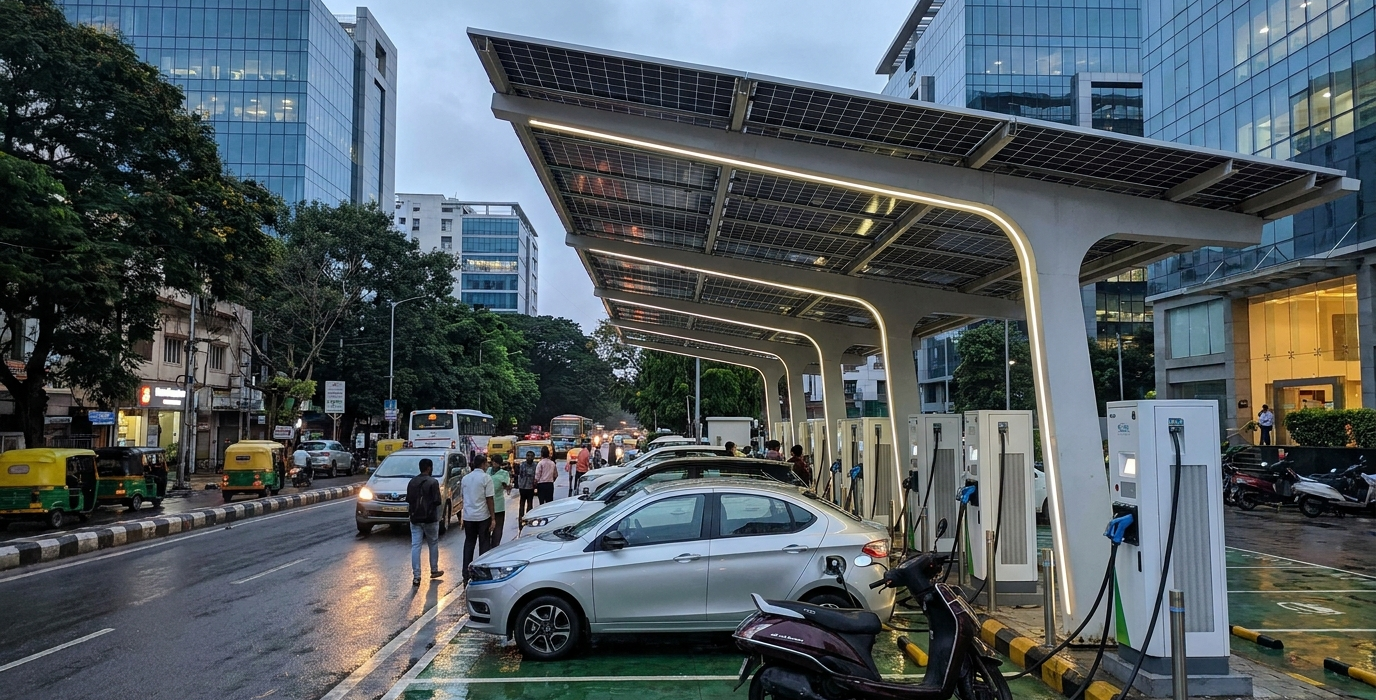
Bengaluru, India’s Silicon Valley, is buzzing with more than just ideas; it’s humming with the quiet energy of electric vehicles. The city is at the forefront of India’s electric mobility revolution, and a critical driver of this shift is the explosive growth in its electric vehicle (EV) charging infrastructure. In the past 18 months alone, we’ve seen a remarkable addition of over 5,000 public charging points. This isn’t just about numbers; it’s about creating a tangible, accessible ecosystem that is finally making EV ownership a practical reality for millions.
For years, range anxiety and the scarcity of charging points were major deterrents. However, the landscape is changing at an unprecedented pace. From bustling MG Road to the quieter lanes of Indiranagar, charging stations are becoming a common sight. This rapid expansion is a testament to the city’s commitment to sustainable transport and a clear signal that electric dreams are indeed coming true on Bengaluru’s streets.
The Driving Forces: Policy, Private Players, and Public Demand
What’s fuelling this electrifying surge? It’s a potent cocktail of supportive government policies, ambitious private sector investments, and a growing public appetite for cleaner transportation. The Karnataka government, recognising the potential, has rolled out several incentives and policies aimed at fast-tracking EV adoption. This includes subsidies for charging infrastructure installation and preferential treatment for EVs in parking and traffic regulations.
On the ground, companies like Statiq, Zeon, and Magenta are leading the charge, literally. They are investing heavily in deploying a diverse range of charging solutions. We’re seeing everything from fast DC chargers capable of powering up vehicles in minutes to slower AC chargers ideal for overnight parking. Their strategic placement in high-footfall areas – residential complexes, IT parks, shopping malls, and even along the Bengaluru-Mysuru Expressway – is crucial. This ensures that charging is not an inconvenience but a seamless part of an EV owner’s daily routine.
Beyond the City Centre: Reaching Every Corner
One of the most encouraging aspects of Bengaluru’s charging expansion is its increasing reach. While early deployments often focused on prime commercial areas, the trend is now shifting towards greater inclusivity. We’re seeing a conscious effort to install charging points in Tier-2 and Tier-3 areas surrounding the city, as well as in underserved residential neighbourhoods. This is vital for ensuring that the benefits of EVs are not confined to the elite but are accessible to a broader spectrum of the population.
Consider the burgeoning electric auto-rickshaw and electric two-wheeler segments. These vehicles are popular among delivery personnel and small business owners who operate across the city. For them, accessible and affordable charging is paramount. Companies are responding by setting up dedicated charging hubs in areas like Kengeri and Marathahalli, which are major transit points and residential clusters. This focus on last-mile connectivity for charging is a game-changer.
The Grid’s Embrace: Integrating Electric Power
A rapid increase in EVs naturally places new demands on the electricity grid. Bengaluru’s power distribution companies, like Bangalore Electricity Supply Company (BESCOM), are actively working to integrate this growing electric load without compromising stability. This involves significant upgrades to substations and the implementation of smart grid technologies. These smart grids allow for better monitoring and management of electricity flow, ensuring that charging demand can be met efficiently, especially during peak hours.
Furthermore, there’s a growing emphasis on off-peak charging incentives. By encouraging EV owners to charge their vehicles during the night or other low-demand periods, utilities can better balance the load. This not only prevents strain on the grid but also often translates to lower electricity tariffs for consumers, making EV ownership even more cost-effective. The coordination between charging infrastructure providers and power distribution companies is a complex but essential partnership for the success of this transition.
Navigating the Roadblocks: Standards, Affordability, and Access
Despite the impressive progress, the journey isn’t without its challenges. One significant hurdle has been the lack of universal charging standards. While Type 2 AC chargers and CCS2 DC chargers are becoming dominant, a degree of interoperability is still being established. This means that sometimes, a charger might not be compatible with every EV model, leading to confusion for users. However, industry bodies and manufacturers are working towards greater harmonisation, and we expect to see more unified solutions emerging.
Another area of concern is ensuring equitable access and affordability. While the number of public chargers is growing, their distribution can still be uneven, with some affluent areas having a higher density than others. Furthermore, the pricing models for charging can vary significantly between providers, impacting the overall cost of ownership. Initiatives aimed at standardising pricing and making charging more affordable, especially for commercial vehicle operators, are critical for widespread adoption. Surprisingly, a recent survey revealed that over 30% of new EV charging points installed in Bengaluru in the last year have been deployed by housing societies themselves, responding to resident demand and bypassing some of the public infrastructure rollout delays.
The Future is Charged: Bengaluru’s EV Outlook
Looking ahead, Bengaluru’s electric vehicle ecosystem is poised for even greater expansion. The city is on track to meet and potentially exceed its targets for EV charging deployment in the coming years. We are likely to see more innovation in charging technology, including wireless charging and battery swapping solutions, particularly for the two-wheeler and three-wheeler segments.
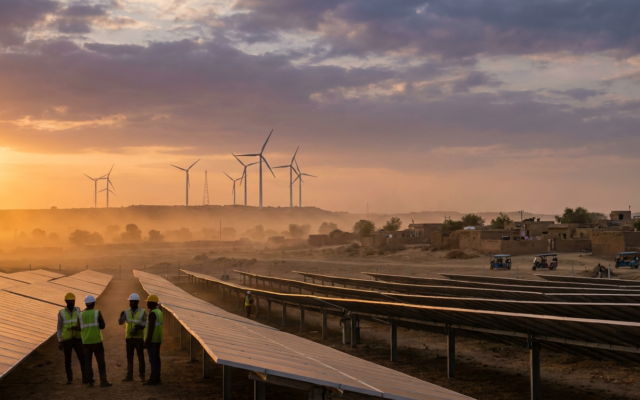
The synergy between urban planning, policy support, and technological advancement will continue to shape Bengaluru’s future as a leader in sustainable urban mobility. As more charging points come online and the user experience becomes more seamless, the tipping point for mass EV adoption feels closer than ever. The hum of electric motors is set to become the new soundtrack of this dynamic Indian metropolis. A particularly interesting development is the push for charging stations powered by renewable energy sources, with several pilot projects underway in areas like Electronic City, aiming to reduce the carbon footprint of EV charging itself.
Frequently Asked Questions
Where can I find public EV charging stations in Bengaluru?
You can find public EV charging stations at various locations across Bengaluru, including shopping malls, commercial complexes, residential societies, and along major highways. Several mobile apps like Statiq, PlugShare, and Zeon provide real-time maps and availability of nearby charging points. It’s always a good idea to check these apps before you travel.
What types of EV chargers are common in Bengaluru?
The most common types of EV chargers you’ll find are Type 2 AC chargers, suitable for most electric cars and two-wheelers, and CCS2 DC fast chargers, which offer rapid charging for electric cars. Some locations might also have Bharat Standard AC chargers, particularly for electric three-wheelers.
How much does it cost to charge an electric vehicle in Bengaluru?
Charging costs vary depending on the charging provider, the type of charger (AC vs. DC), and the electricity tariff. Prices are typically charged per kilowatt-hour (kWh) consumed. Some providers also offer subscription plans or per-session fees. On average, charging an EV in Bengaluru can range from ₹12 to ₹20 per kWh for public charging.
Are there government incentives for installing EV chargers at home in Bengaluru?
While direct subsidies for home charger installation might vary, the Karnataka government and central government offer various incentives for EV adoption, which indirectly benefit home charging. For instance, lower electricity tariffs for EV charging during off-peak hours can make home charging more economical. It’s advisable to check the latest government notifications for any specific schemes.
What is the future outlook for EV charging infrastructure in Bengaluru?
The outlook is very positive. Bengaluru is actively expanding its charging network with significant investments from both public and private sectors. The city is expected to see a substantial increase in charging points, improved grid integration, and the introduction of newer technologies like battery swapping and wireless charging, making EV ownership increasingly convenient.