Key Takeaways
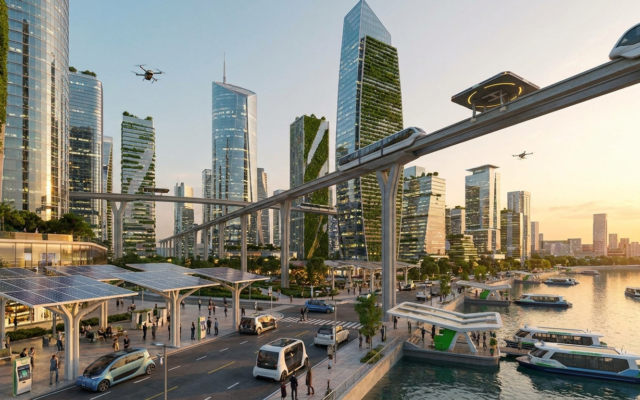
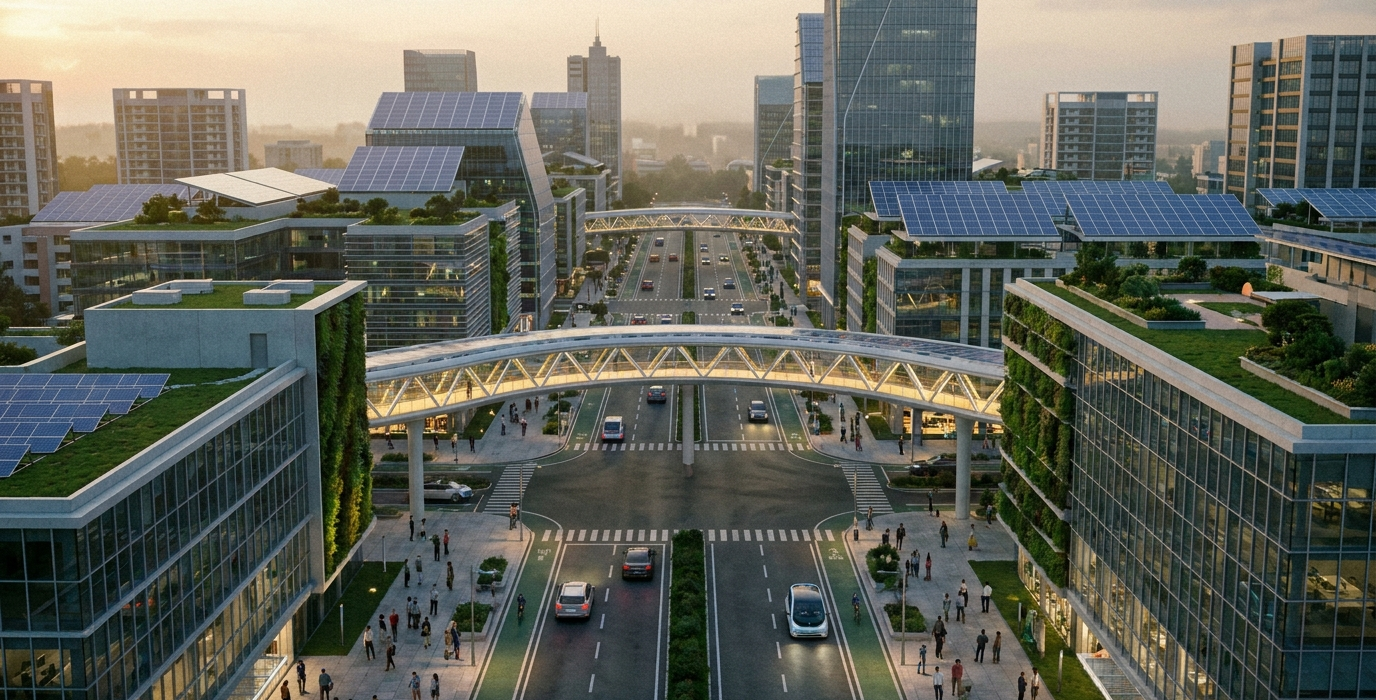
- Bengaluru’s smart city vision for 2026 focuses on enhancing citizen services through integrated digital platforms and sustainable infrastructure.
- Expect significant upgrades in public transport, with AI-driven traffic management and expanded metro connectivity playing a central role.
- Data privacy and cybersecurity are paramount, with new protocols being rolled out to protect citizen information.
- New initiatives aim to foster citizen participation in governance, making urban development more inclusive.
Bengaluru’s Integrated Digital Future: Beyond the Buzzwords
Bengaluru, India’s Silicon Valley, is not just about software and startups anymore. By 2026, the city is poised to embrace a truly integrated digital future, moving beyond the initial buzzwords of ‘smart city’ to tangible improvements in everyday life. The focus has sharpened on creating seamless digital interfaces for citizens to access services, from paying property taxes to reporting civic issues. Imagine a single app, powered by robust backend systems, that acts as your digital gateway to the city administration. This isn’t science fiction; it’s the direction Bengaluru is aggressively charting.
The Karnataka government, in collaboration with various urban development agencies, is investing heavily in a unified data platform. This platform aims to consolidate information from disparate government departments, enabling better decision-making and more efficient service delivery. For you, this means less time spent navigating bureaucratic mazes and more time enjoying the city. The initiative also includes a strong emphasis on digital literacy programs, ensuring that all sections of society can benefit from these advancements, not just the tech-savvy. We’re talking about a Bengaluru where accessing essential services is as easy as ordering your favourite biryani online.
Revamping Urban Mobility: The Smart Commute of 2026
The perennial Bangalore traffic jam is a well-known challenge, but by 2026, you can expect a significant overhaul in urban mobility. The smart city vision places a strong emphasis on intelligent transport systems (ITS) designed to ease your daily commute. This includes an expanded network of smart traffic signals that dynamically adjust timings based on real-time traffic flow, predicted using AI algorithms. The goal is to reduce congestion and travel times across key arterial roads.
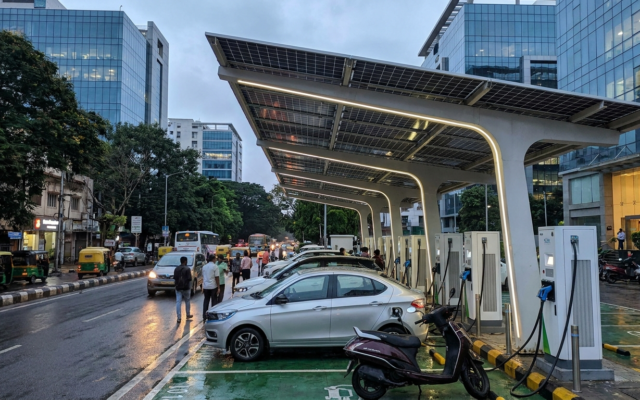
Beyond traffic management, the metro expansion continues at a rapid pace, with new lines set to open by 2026, promising to connect previously underserved areas. Integrated ticketing solutions, allowing you to use a single card or app for metro, buses, and even auto-rickshaws, are also in the pipeline. Furthermore, there’s a growing push for integrated multimodal transport hubs, where you can easily switch between different modes of transport. Think of hubs that offer secure bike parking, charging stations for electric vehicles, and real-time information displays for all available transit options. This holistic approach aims to make public and shared transportation a more attractive and efficient alternative to private vehicle ownership.
Greener City, Smarter Living: Sustainability at the Core
Bengaluru’s 2026 smart city agenda is deeply intertwined with sustainability. Recognizing the urgent need to address climate change and environmental degradation, the city is implementing several green initiatives. A key focus is on smart waste management systems, employing IoT sensors in bins to optimize collection routes and reduce overflow. This means cleaner streets and a more efficient use of municipal resources.
Water management is another critical area. Expect to see more smart water metering systems that help in reducing wastage and ensuring equitable distribution. These systems will provide real-time data on water consumption, empowering both residents and authorities to make informed decisions. Furthermore, Bengaluru is pushing for increased adoption of renewable energy sources in public buildings and infrastructure. Solar panels on government offices and public transport shelters are becoming increasingly common, contributing to a cleaner energy footprint. There’s also a significant drive towards creating more green spaces and urban forests, using technology to monitor their health and optimize their maintenance. The aim is to make Bengaluru not just a smart city, but a truly liveable and breathable one.
Empowering Citizens: Digital Governance and Participatory Urbanism
The smart city isn’t just about technology; it’s about empowering its citizens. By 2026, Bengaluru aims to foster a more participatory urban governance model, where your voice has a more direct impact on city development. This involves enhancing digital platforms for feedback, grievance redressal, and even participatory budgeting. Imagine being able to vote on local development projects directly through a secure online portal.
The city is also focusing on making governance more transparent and accessible. Open data initiatives will make more government information publicly available, allowing citizens and researchers to gain insights into city operations. New mobile applications are being developed to facilitate direct reporting of civic issues, from potholes to street light outages, with features for tracking the resolution of your complaints. This move towards digital democracy aims to build trust and accountability between the administration and the residents. A surprising fact: Bengaluru’s Open Government Data portal, launched years ago, has been a foundational step, and by 2026, it will integrate even more real-time data feeds, making it one of the most comprehensive in India.
Cybersecurity and Data Privacy: Building a Trustworthy Digital Ecosystem
As Bengaluru embraces a more interconnected and data-driven future, the imperative of cybersecurity and data privacy becomes paramount. By 2026, you should see robust new protocols and infrastructure in place to safeguard your personal information. The city is investing in advanced cybersecurity measures for all its digital platforms, from citizen portals to traffic management systems. This includes end-to-end encryption, regular security audits, and dedicated cyber defense teams.
The focus is on building a trustworthy digital ecosystem where citizens feel confident sharing their data. New data protection policies are being drafted and implemented, aligning with national and international best practices. These policies will clearly outline how your data is collected, used, and protected, ensuring that it is only used for the intended purpose of improving city services. Expect enhanced transparency regarding data usage and clearer consent mechanisms. A surprising fact: Bengaluru is piloting a decentralized identity management system for certain government services, which uses blockchain technology to give individuals more control over their digital identity and reduce the risk of large-scale data breaches.
The Future of Public Spaces: Smart, Safe, and Engaging
The transformation of Bengaluru’s public spaces is a key component of its 2026 smart city vision. Beyond just aesthetics, the focus is on making these spaces smarter, safer, and more engaging for everyone. This includes the deployment of intelligent street lighting that can adjust brightness based on pedestrian and vehicle presence, saving energy and enhancing safety. These lights are also being equipped with sensors to monitor air quality and noise levels, providing valuable data for urban planning.
Furthermore, public Wi-Fi hotspots are being expanded in parks, markets, and transit points, providing you with seamless connectivity. Smart benches with charging ports and integrated information displays are becoming a common sight. The city is also leveraging technology to improve safety in public areas through intelligent surveillance systems that use AI for anomaly detection, ensuring a quicker response to incidents. Parks and recreational areas will feature interactive digital kiosks providing information about local amenities, events, and even historical facts about the area. This integration of technology aims to make public spaces more functional, enjoyable, and secure for all residents, transforming them into hubs of community activity.
Frequently Asked Questions
What are the main areas of focus for Bengaluru’s smart city initiatives in 2026?
The primary focus areas are enhancing citizen services through integrated digital platforms, revamping urban mobility with intelligent transport systems, promoting sustainability through smart waste and water management, empowering citizens via digital governance, ensuring robust cybersecurity and data privacy, and transforming public spaces into smart, safe, and engaging environments.
How will the new smart city initiatives impact my daily commute?
You can expect improved traffic flow due to AI-powered traffic signals, expanded metro connectivity, and the potential for integrated ticketing across different modes of transport. The goal is to reduce congestion and make your commute more predictable and less stressful.
What steps are being taken to ensure my data privacy in Bengaluru’s digital transformation?
Bengaluru is implementing advanced cybersecurity measures, including encryption and regular audits, alongside robust data protection policies. There’s a strong emphasis on transparency regarding data usage and obtaining clear consent, with pilot programs even exploring blockchain for decentralized identity management.
Will these smart city developments be accessible to all residents?
Yes, the initiatives include provisions for digital literacy programs to ensure widespread access and benefit. The aim is to create an inclusive digital ecosystem where all sections of society can engage with and benefit from the improved services and governance.