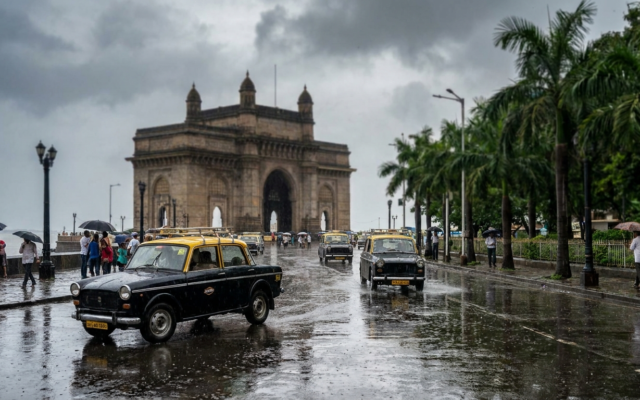
The monsoon clouds have retreated, and as the October sun mellows over the plains, the urge to trade the frantic hum of Mumbai or Delhi for the quietude of India’s lesser-known corners is reaching a fever pitch. While the golden triangle remains a perennial favorite, a new breed of traveler is trading the crowded corridors of Agra for the silent, snow-dusted valleys of the northeast and the rugged, sun-baked cliff sides of the Deccan plateau.
Key Takeaways
- Winter 2026 travel trends indicate a 35% surge in demand for rural, community-led tourism over commercial hill stations.
- Destinations like Ziro in Arunachal Pradesh and Hampi’s outskirts offer unique cultural immersions beyond the standard tourist trail.
- Booking travel during the shoulder season (late October to mid-November) can yield significant savings on boutique homestays.
- Responsible tourism practices are now mandatory in ecologically fragile zones as per Ministry of Tourism guidelines.
The Call of the Northeast: Beyond the Usual Trails
When people think of the Northeast, they often fixate on the bustling markets of Shillong or the iconic double-decker bridges of Cherrapunji. However, if you are willing to venture further into the heart of Arunachal Pradesh, you will find the Ziro Valley. This Apatani plateau is not just a scenic marvel; it is a masterpiece of sustainable agricultural practice that has been maintained for centuries. In November 2026, the valley transforms into a canvas of golden-hued paddy fields against the backdrop of pine-covered hills.
Unlike the tourist-heavy circuits in Himachal Pradesh, Ziro offers a chance to engage with the Apatani community, who are renowned for their distinct social structure and organic farming methods. Did you know that the Apatani tribe historically practiced a unique form of wet-rice cultivation that eliminates the need for any chemical fertilizers, effectively creating a self-sustaining ecosystem? This deep-rooted connection to the land is precisely why the area is currently being monitored for its ecological preservation by the Wildlife Institute of India.
Traveling here requires a bit of grit, as the nearest airport is in Lilabari, Assam, followed by a winding four-hour drive. Pack light, bring layers for the sharp drop in evening temperatures, and ensure you have your Inner Line Permit (ILP) processed well in advance. Engaging with local homestays rather than hotels is the most effective way to ensure your travel budget directly supports the artisans and farmers who make this region so special.
Tracing History in the Deccan: The Unseen Hampi
Hampi is hardly an offbeat destination, but the true spirit of the Vijayanagara Empire remains hidden to those who stick to the main temple complex. If you head west toward the Tungabhadra River, you will find the boulder-strewn landscapes of Anegundi. This ancient settlement is often cited as one of the oldest inhabited places on the Indian subcontinent, predating the Vijayanagara Empire itself. It provides a stark, surreal beauty that feels more like an alien planet than a historic village in Karnataka.
Staying in the outskirts of Hampi allows you to experience the silent sunrise over the rocky outcrops, away from the midday tour buses. You can explore the megalithic sites that dot the landscape, which remain largely unmapped by conventional tourism guides. By choosing to stay in Anegundi, you contribute to the local heritage preservation initiatives led by the Kishkinda Trust, which works to balance tourism with the conservation of local arts and crafts.
Remember that Hampi is a UNESCO World Heritage site, and the UNESCO World Heritage Centre maintains strict guidelines regarding site interaction. Always hire a local guide who is certified by the regional tourism department to ensure you aren’t just seeing the ruins, but understanding the complex sociopolitical history of the region. The best time to visit is during the late afternoon when the iron-rich rocks glow a deep, burnt orange, providing a stark contrast to the azure sky.
Coastal Serenity: The Hidden Beaches of Konkan
While everyone flocks to the commercialized shores of North Goa, the southern Konkan coast remains a quiet sanctuary of pristine beaches and lush coconut groves. Places like Velneshwar and Guhagar in Maharashtra offer a glimpse into a way of life that hasn’t changed in decades. Here, the ocean breeze carries the scent of fresh catch and Alphonso orchards, and the only traffic you might encounter is a local fisherman pulling his net onto the shore.
The Konkan belt is arguably one of the most underrated biodiversity hotspots in the country. It is fascinating to note that the region is home to the Olive Ridley sea turtle, which nests along these specific coastlines between November and March. Local communities have established rigorous protection programs to ensure the safety of these endangered creatures, turning the beach into a living laboratory for conservationists and curious travelers alike.
When visiting, look for the ‘MTDC approved’ homestays, which provide an authentic Maharashtrian culinary experience, including the famous ‘ukadiche modak’ and fresh Solkadhi. Unlike the party-centric culture of the northern beaches, the southern Konkan coast is about slow travel. Spend your mornings walking the long, empty stretches of sand and your evenings listening to the rhythmic thrum of the sea. It is a reminder that the best vacations are often defined by what you leave behind, rather than what you pack.
High-Altitude Escapes: The Spiti Valley Winter
If you crave extreme isolation and breathtaking landscapes, the winter season in Spiti is the ultimate challenge. While most people visit in the summer, the winter months strip the valley to its raw, essential beauty. The roads are often covered in snow, and the temperature plummets well below zero, but the reward is a landscape that few humans ever see in its dormant state. You will find that the monasteries, usually bustling with tourists, are now quiet, filled only with the chanting of monks and the biting mountain wind.
Travel in Spiti requires significant preparation and respect for local life. You are entering a region where basic infrastructure like electricity and heating can be intermittent, so flexibility is key. According to the India Meteorological Department, winter conditions in high-altitude regions can shift rapidly; always check local weather advisories before attempting high-mountain passes.
One surprising fact: The Key Monastery in Spiti is over 1,000 years old and has survived multiple invasions and earthquakes, serving as a beacon of Buddhist learning in the Himalayas. Staying in a local family home during the winter offers a warm hearth and a chance to experience the endurance of the Spiti people. It is a humbling experience that shifts your perspective on what is truly necessary for a comfortable life.
Comparing Your Winter Getaway Options
Choosing where to go depends heavily on your tolerance for cold and your desire for comfort versus adventure. The following table breaks down the logistics for our top recommendations for late 2026.
| Destination | Best Travel Mode | Primary Attraction | Difficulty Rating |
|---|---|---|---|
| Ziro, Arunachal | Flight + Road | Tribal Culture | Moderate |
| Anegundi, Karnataka | Train + Taxi | Ancient History | Easy |
| Guhagar, Maharashtra | Train + Car | Coastal Serenity | Easy |
| Spiti, Himachal | 4×4 Vehicle | Extreme Landscapes | High |
“True exploration is not about finding new lands, but about seeing old, familiar places through a lens of respect, patience, and a genuine desire to understand the pulse of the community that calls it home.”
Essential Tips for the Conscious Traveler
Regardless of where you choose to go, the most important aspect of offbeat travel is your footprint. In regions like Ziro or Spiti, local resources are precious and limited. Always carry your own reusable water bottle, minimize plastic waste, and dispose of trash responsibly. Many remote areas do not have the infrastructure for high-volume waste management, and your stray plastic can remain in the ecosystem for decades.
Support the local economy by purchasing goods directly from local artisans rather than through intermediaries. Whether it is a hand-woven textile in the Northeast or a locally produced spice in the Konkan, your purchase helps sustain traditional crafts that are struggling to compete with mass-produced goods. Engage with the local residents; ask them about their history and their challenges. You will find that the most valuable part of your trip isn’t the photograph you take, but the connection you make.
Finally, always prioritize safety over the itinerary. If a local warns you about a road or a weather condition, listen to them. They have lived through these landscapes for generations. By being an informed and respectful visitor, you ensure that these offbeat gems remain pristine and welcoming for those who will follow in your footsteps in the years to come.
Frequently Asked Questions
Is it safe to visit remote destinations in India during the winter?
Yes, it is generally safe, provided you conduct thorough research on weather conditions and local safety alerts. Always inform your hotel or local hosts about your planned route, especially if you are traveling to high-altitude regions like Spiti where communication signals can be unreliable.
Do I need special permits for these offbeat locations?
Some regions, particularly in the Northeast like Arunachal Pradesh, require an Inner Line Permit (ILP) for all visitors, including Indian citizens. You can typically apply for these through the official Arunachal Pradesh Government portal. Always verify the current requirements for your specific destination at least one month before your departure.
How can I ensure my travel supports local communities?
The most impactful way to support locals is by choosing homestays over international hotel chains and hiring local guides for your excursions. Buying local produce and handicrafts directly from the source also ensures that your money remains within the local economy rather than being diverted to outside service providers.
What is the best way to travel to these remote areas?
For the Konkan coast, a combination of train travel and local taxis is often the most relaxing and scenic. For the Northeast or the Himalayas, you may need a combination of regional flights and private 4×4 vehicles, which are better suited for mountainous terrain. Always book transport through reputable local providers to ensure safety and reliability.