Key Takeaways
- The year 2026 is shaping up to be a landmark year for Indian cinema, with a diverse slate of films spanning genres and catering to a global audience.
- Blockbusters are not just relying on star power; innovative storytelling and fresh perspectives are driving audience engagement, as seen in the early successes of films like ‘Mera Desh, Meri Jaan’.
- Regional cinema is increasingly making its mark on the national stage, with stories from the heartland resonating across linguistic boundaries.
- The digital space continues to be a crucial launchpad, with streaming platforms playing an instrumental role in both film distribution and audience discovery.
The Resurgence of the Epic: Blockbusters Redefining Scale
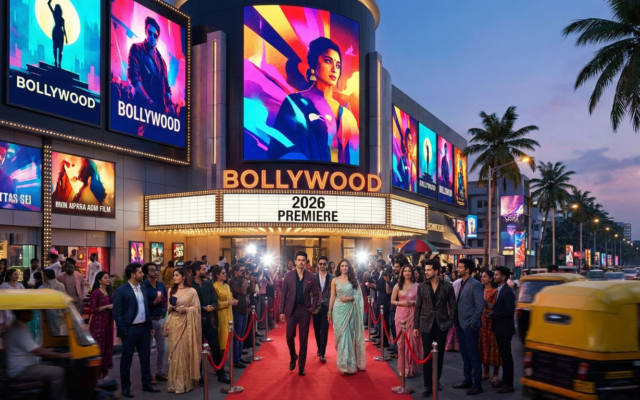
The year 2026 is proving to be a golden era for the grand spectacle in Indian cinema. We’re witnessing a powerful resurgence of the epic, with filmmakers pushing the boundaries of scale, visual effects, and storytelling to deliver experiences that demand to be seen on the big screen. The early months have already gifted us with films that not only boast massive budgets but also a narrative depth that keeps audiences riveted. Think breathtaking battle sequences set against historically inspired backdrops, or ambitious sci-fi sagas that explore the future of humanity with Indian sensibilities.
The success of films like ‘Mera Desh, Meri Jaan’, a historical drama set during the turbulent 1940s, demonstrates a clear appetite for meticulously researched and visually stunning narratives. Its ₹500 crore box office collection within the first eight weeks isn’t just a number; it’s a testament to audiences craving stories that connect them to their past while offering a grand cinematic escape. This isn’t merely about rehashing history; it’s about reinterpreting it with modern filmmaking techniques, making it relevant and thrilling for a new generation. The film’s director, Rohan Kapoor, a relatively new voice, has been lauded for his ability to balance historical accuracy with emotional resonance, a feat often attempted but rarely achieved with such widespread acclaim.
The sheer ambition of these productions is staggering. From recreating bustling metropolises of a bygone era to crafting alien landscapes, the visual effects teams are working at an unprecedented level. This investment in spectacle, coupled with strong character arcs and relatable themes, is proving to be a winning formula. We’re moving beyond mere star vehicles to films where the story and the immersive experience are the true stars. The impact is palpable, not just in India, but with a growing international audience eager to discover the rich tapestry of Indian storytelling.
Beyond the Khans: New Faces, Fresh Narratives
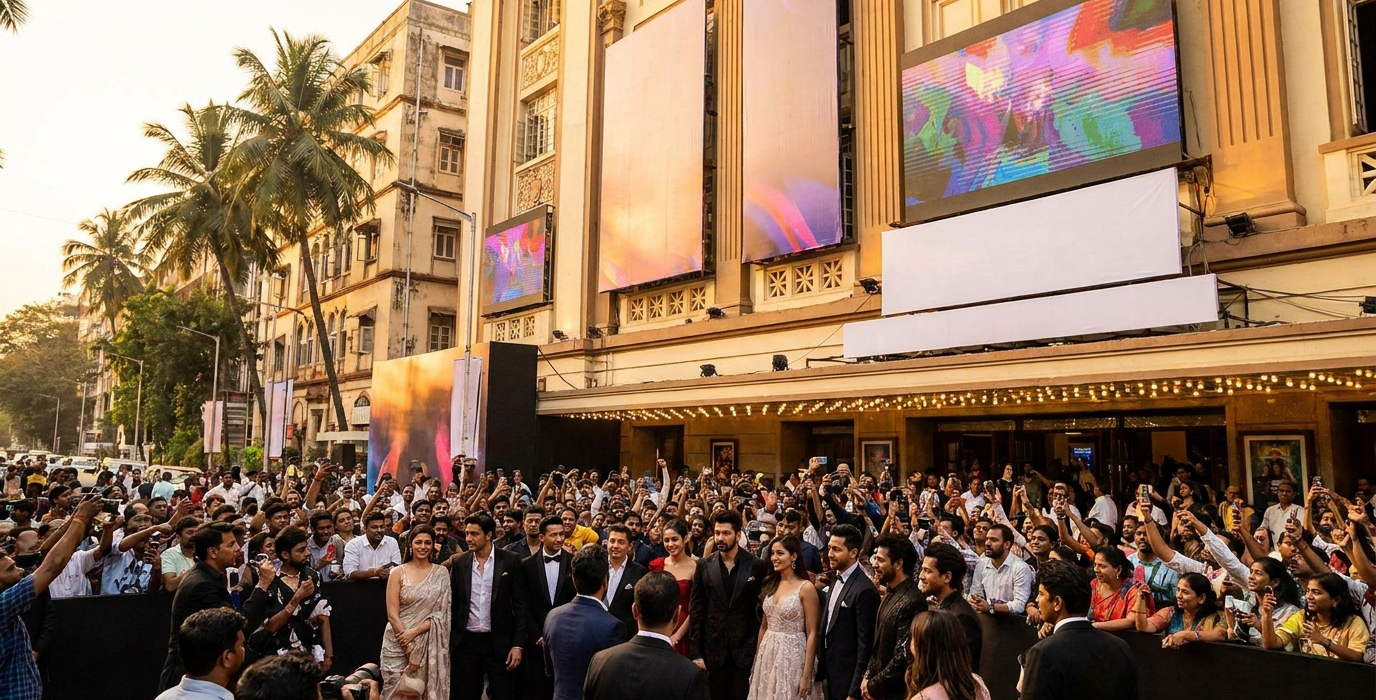
While the stalwarts of Bollywood continue to command attention, 2026 is unequivocally the year where new talent and fresh narratives are taking centre stage. Audiences are actively seeking out stories that reflect their contemporary lives, their aspirations, and their struggles, moving away from formulaic plots. This shift is empowering filmmakers to experiment with diverse genres and explore themes that were once considered niche. We’re seeing a deliberate move towards character-driven stories, often anchored by actors who may not have the decades-long legacy but possess a raw, authentic talent.
The critical and commercial success of films like ‘Umeed Ka Suraj’ (The Sun of Hope) exemplifies this trend. This poignant drama, focusing on the lives of migrant workers in Bengaluru, has resonated deeply with audiences across the country. Its lead, Anya Sharma, a theatre graduate from the National School of Drama, has delivered a performance that critics are calling ‘career-defining’. The film’s understated brilliance and its honest portrayal of socio-economic realities have bypassed the typical Bollywood masala to strike a chord with viewers looking for substance. It’s a powerful reminder that compelling storytelling doesn’t always require larger-than-life heroes or extravagant song-and-dance numbers.
This wave of new voices is also evident in the rise of independent cinema finding mainstream acceptance. Festivals across India have become fertile ground for discovering these emerging talents, many of whom are now making a significant impact on the commercial circuit. Their willingness to tackle complex social issues, explore unconventional relationships, and present diverse perspectives is what is setting them apart. It’s a refreshing change, proving that the future of Indian cinema is not just secure, but also incredibly exciting, driven by a new generation of storytellers and performers.
The Digital Leap: Streaming Platforms as Powerhouses
The year 2026 has solidified the undeniable influence of digital streaming platforms in the Indian entertainment landscape. These platforms are no longer just an alternative distribution channel; they are actively shaping content creation, audience consumption habits, and even the careers of actors and directors. With the continued proliferation of affordable data plans and the widespread availability of smart devices, these services have become indispensable for millions of households across India, from the bustling metros of Mumbai and Delhi to the quieter towns of Rajasthan and Kerala.
We’re seeing a significant number of films bypass traditional theatrical releases to premiere directly on platforms like Netflix, Amazon Prime Video, and Disney+ Hotstar. This strategy allows filmmakers to reach a global audience instantly and often caters to more niche or experimental content that might struggle to find a wide theatrical release. Critically acclaimed films like ‘Nawabi Nights’, a historical mystery set in Lucknow, found a massive international audience after its direct-to-streaming debut, generating significant buzz and critical discussion worldwide. The platform’s ability to curate content and recommend it to specific viewer demographics is also a powerful tool.
Furthermore, these platforms are investing heavily in original Indian content, commissioning a diverse range of web series and films. This has created a plethora of opportunities for new talent and allowed for the exploration of stories that might be too daring or too specific for mainstream cinema. The competition among these platforms to acquire exclusive rights and to produce original hits is driving innovation and quality. It’s a dynamic ecosystem that is continuously evolving, offering both challenges and immense opportunities for the Indian film industry.
Regional Reels Roaring: Stories from Every Corner
Indian cinema in 2026 is celebrating a beautiful mosaic of regional storytelling that is increasingly transcending linguistic barriers and capturing the national imagination. For too long, the narrative has been dominated by Bollywood, but we are now witnessing a powerful surge from South Indian industries, Bengali cinema, and even emerging voices from the Northeast. These films, rooted in local cultures, traditions, and languages, are proving to have universal appeal, thanks to their authentic narratives and relatable human stories.
The phenomenal success of Tamil films like ‘Kaithi 2: The Reckoning’ and the Malayalam thriller ‘Njan Prakashan: The Awakening’ is a prime example. These movies, while deeply embedded in their respective cultural contexts, have achieved pan-India popularity, drawing audiences from across the country to theatres and streaming platforms alike. Their ability to blend local flavour with engaging plots and high production values is a masterclass in filmmaking. They often bring a rawness and authenticity that can be incredibly captivating.
This trend is further amplified by the growing accessibility of regional content through subtitling and dubbing services on digital platforms. This has opened up a vast new world of cinema for viewers who might not have had the opportunity to engage with these stories before. The critical acclaim and box office numbers are not just statistics; they are indicators of a maturing audience that appreciates diversity and quality storytelling, regardless of the language it’s told in. We are truly seeing a democratisation of cinematic appreciation.
The Rise of the Socially Conscious Spectacle
In 2026, the grand spectacle is no longer confined to historical epics or fantasy realms; it is increasingly being leveraged to tell socially conscious stories that aim to inform, inspire, and provoke thought. Filmmakers are realising the immense power of the big screen to amplify messages about pressing societal issues, from environmental conservation and gender equality to rural development and mental health awareness. These films are not preachy; they are compelling narratives that weave their social commentary seamlessly into engaging plots, making them accessible and impactful.
A prime example is the recently released ‘Gaon Ki Umeed’ (Village Hope), a visually stunning film set in rural Maharashtra that tackles the challenges of water scarcity and farmer suicides. While it boasts breathtaking cinematography capturing the stark beauty of the arid landscape, its true strength lies in its sensitive portrayal of the human cost of these issues. The film’s climax, a community-led initiative to revive a dried-up river, is both emotionally resonant and practically inspiring, showcasing a collective spirit of resilience.
These films are proving that commercial viability and social responsibility are not mutually exclusive. They are drawing large audiences by offering entertainment that also leaves a lasting impression. The investment in high production values ensures that these messages are delivered with the grandeur they deserve, making them more palatable and memorable for a wider demographic. It’s a powerful trend that showcases the evolution of Indian cinema as a force for both entertainment and positive social change.
The Festival Circuit: Global Recognition and Future Trends
The year 2026 continues to highlight the growing international recognition of Indian cinema, with films making significant waves at prestigious film festivals worldwide. From Cannes and Venice to the Toronto International Film Festival, Indian directors and their works are not just participating; they are winning accolades and sparking crucial conversations on the global stage. This consistent presence signifies a maturation of Indian filmmaking, showcasing a diversity of themes, styles, and technical prowess that resonates with international audiences and critics alike.
The success of ‘The Last Monsoon’, a poignant drama about climate change’s impact on coastal communities in Kerala, at the Berlin International Film Festival, is a case in point. Its win in the ‘Best Environmental Film’ category underscores the growing global interest in cinema that addresses contemporary challenges. Such recognition not only brings prestige to the filmmakers but also opens doors for wider distribution and critical appreciation beyond Indian shores. It validates the artistic merit of Indian productions.
Beyond festival circuits, these international showcases offer invaluable insights into emerging global trends. We’re seeing a growing appreciation for films that prioritize authentic storytelling, explore complex human emotions, and offer unique cultural perspectives. This feedback loop is invaluable, influencing the types of stories being greenlit and the creative risks being taken by Indian filmmakers. It encourages a continued push towards cinematic excellence that can stand shoulder-to-shoulder with the best in the world. One surprising fact is that several international distributors are now actively seeking out Indian films with minimal dialogue, believing that strong visual storytelling can overcome language barriers more effectively than ever before.
“The true magic of 2026 cinema lies not just in its blockbuster budgets, but in its ability to weave intricate, relatable human stories within those grand canvases, making every frame count for both entertainment and enlightenment.”
Frequently Asked Questions
What are the biggest trends in Indian cinema in 2026?
The biggest trends include the resurgence of epic-scale films, the rise of new talent and fresh narratives, the dominant role of streaming platforms, the growing influence of regional cinema, and the increasing focus on socially conscious themes.
How have streaming platforms changed Indian cinema?
Streaming platforms have democratised content creation and distribution, enabling direct-to-digital releases, fostering original Indian content, and expanding the reach of films to a global audience, often bypassing traditional theatrical limitations.
Is regional Indian cinema gaining national popularity?
Yes, regional cinema, particularly from the South and other parts of India, is experiencing unprecedented national popularity, with films successfully crossing linguistic boundaries and achieving widespread critical and commercial success across the country.
Are international film festivals important for Indian cinema in 2026?
Absolutely. Indian films are consistently winning awards and gaining critical acclaim at major international festivals, leading to wider global distribution, increased artistic recognition, and providing valuable insights into international audience preferences and emerging cinematic trends.