Key Takeaways
- The 2026 Indian film landscape is defined by a fierce battle between traditional studios and aggressive digital streaming platforms, reshaping content creation and audience engagement.
- Original web series are now outperforming many Bollywood films in terms of critical acclaim and audience reach, forcing filmmakers to innovate and experiment with narratives.
- Data analytics and AI are playing an increasingly significant role in predicting audience preferences and tailoring content, leading to more targeted and potentially formulaic productions.
- The rise of regional content on global platforms presents new opportunities and challenges for Bollywood, demanding a broader, more inclusive storytelling approach.
The Great Migration: From Silver Screen to Streaming Screen
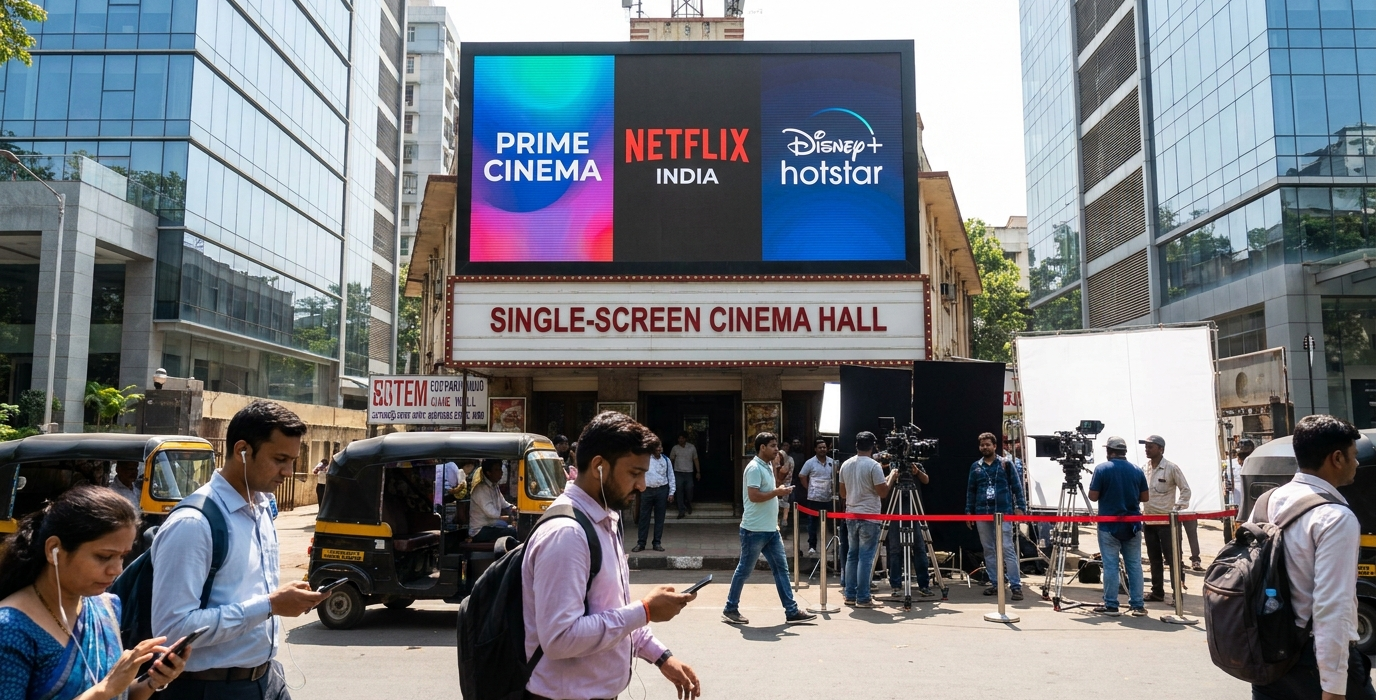
The year 2026 marks a pivotal moment for the Indian film industry, particularly for Bollywood. We’re witnessing an unprecedented migration of talent and resources from the traditional cinematic model to the burgeoning world of digital streaming platforms. It’s no longer just about Friday releases at multiplexes; the real action, the real buzz, is happening on screens in homes across India and around the globe. This shift isn’t just a trend; it’s a fundamental redefinition of how stories are told, financed, and consumed. Platforms like Netflix, Amazon Prime Video, Disney+ Hotstar, and JioCinema are no longer content aggregators but powerful co-producers, dictating terms and shaping narratives. They offer vast budgets and creative freedom that were once the exclusive domain of major studios.
This has led to an explosion of original web series, many of which are now commanding higher viewership and critical acclaim than mainstream Bollywood films. The economics have changed dramatically. While a blockbuster film might aim for a ₹300-500 crore box office collection, a successful web series can generate hundreds of millions of dollars in subscription revenue and global reach, often with a significantly lower upfront production cost per episode compared to a feature film. This has attracted top-tier directors, actors, and writers, who find the episodic format more conducive to complex storytelling and character development. The pressure is now on traditional studios to adapt or risk becoming relics of a bygone era. They are forced to either invest heavily in their own streaming ventures or forge strategic alliances with existing players.
The Shifting Sands of Stardom
The very definition of stardom is being rewritten. While established Bollywood actors continue to command significant fees, a new generation of performers is emerging directly from the digital space. Actors who delivered breakout performances in web series are now headlining feature films, and vice versa. This cross-pollination is creating a dynamic and sometimes volatile market for talent. We see veteran actors like Manoj Bajpayee and Pankaj Tripathi, who had long, distinguished careers in cinema, finding renewed popularity and critical appreciation through their compelling performances in digital originals. Conversely, younger actors are gaining massive fan bases through viral web series, which then translates into box office draw. This democratization of fame means that talent, rather than just star power, is increasingly the driving force.
The Data-Driven Script: AI and Audience Analytics Take Center Stage
In 2026, the creative process for many productions is no longer solely reliant on gut instinct or the director’s vision. Artificial intelligence and sophisticated audience analytics are playing an increasingly dominant role. Platforms collect vast amounts of data on viewer behaviour – what they watch, when they pause, what genres resonate, and even how long they engage with specific scenes. This information is then fed into algorithms that can predict potential audience reception for scripts, cast choices, and even plot twists. While this can lead to incredibly effective and targeted content that minimizes risk for producers, it also raises concerns about artistic homogenization. Will we see a future where scripts are optimized for engagement rather than originality?
This data-driven approach is particularly prevalent in the development of web series. Platforms can identify niche audiences and tailor content specifically for them, leading to the rise of hyper-specific genres and themes. For instance, a platform might notice a surge in viewership for historical dramas set in South India and commission a series with that precise demographic in mind. This level of micro-targeting was previously unimaginable in traditional cinema. While it offers efficiency and marketability, it also risks stifling the experimental and the unexpected. The true magic of cinema often lies in its ability to surprise and challenge us, something that purely data-driven creation might inadvertently suppress.
The Algorithm’s Influence on Narrative
The impact extends to the very structure of storytelling. Algorithms can highlight which narrative beats keep viewers hooked and which cause them to drop off. This can lead to shorter episodes, cliffhangers designed to maximize re-engagement, and a focus on high-stakes drama over nuanced character development. For example, if data shows that viewers in the 18-35 demographic tend to lose interest after 45 minutes, future series might be carefully crafted to deliver their most compelling moments within that window. It’s a constant balancing act between creative expression and commercial viability, a tightrope walk where the digital platforms hold significant sway.
The Global Stage: Regional Content and Bollywood’s Evolving Identity
The digital revolution has not only democratized content within India but has also amplified the reach of regional Indian cinema on a global scale. Platforms are no longer solely focused on Bollywood; they are actively investing in and promoting content from Tamil, Telugu, Malayalam, Bengali, and Punjabi industries. This has created an exciting new ecosystem where stories from every corner of India can find international audiences. Films and series that might have struggled for distribution in the past are now achieving global acclaim and critical success. This is forcing Bollywood to re-evaluate its position and its narrative offerings. It can no longer assume a monopoly on Indian storytelling for the world.
This increased visibility of regional content also presents a challenge. Audiences worldwide are being exposed to a wider spectrum of Indian narratives, many of which are considered more authentic and diverse than traditional Bollywood fare. Bollywood, often characterized by its song-and-dance sequences and formulaic romantic comedies, is now facing direct competition from content that is more grounded, experimental, and reflective of India’s true diversity. To remain relevant on the global stage, Bollywood will need to embrace more nuanced storytelling, explore a wider range of themes, and perhaps even incorporate elements from regional cinematic traditions. The competition is no longer just within India; it’s a global competition for eyeballs.
The Rise of the Pan-Indian Star
This trend has also led to the rise of the “pan-Indian” star – actors who can command audiences across multiple regional film industries and now, increasingly, on streaming platforms. Prabhas, Yash, and Allu Arjun are prime examples, with their films achieving unprecedented box office success nationwide. Their appeal is transcending linguistic barriers, a phenomenon amplified by digital distribution. This forces Bollywood stars to consider a broader appeal beyond their traditional Hindi-speaking base. The lines between “Bollywood” and “regional cinema” are blurring rapidly, creating a more unified and competitive Indian entertainment landscape.
“We’re no longer just making films; we’re crafting digital experiences. The audience’s attention is the most precious commodity, and platforms have the data to capture and retain it like never before.”
The Future of Exhibition: Cinemas vs. Home Theaters, and the Blurring Lines
The debate surrounding the future of cinema halls versus home viewing continues to evolve in 2026. While the allure of the big screen experience remains for certain genres, particularly large-scale action spectacles and immersive dramas, the convenience and accessibility of home streaming are undeniable. We’ve seen a significant bifurcation: a smaller number of high-impact, event films continue to draw crowds to cinemas, while a vast majority of content, including dramas, comedies, and thrillers, finds its primary audience on streaming platforms. This has led to a recalibration of release strategies. Some films now opt for a direct-to-streaming release, bypassing cinemas entirely, while others experiment with shorter theatrical windows before heading to digital.
The economic model for cinemas is also under pressure. To compete, multiplexes are investing in premium experiences – advanced sound systems, immersive seating, and gourmet food options. However, the sheer volume of content available at home, often at a fraction of the cost of a movie ticket, makes it a formidable competitor. Furthermore, the rise of smart TVs and home theatre systems means that the viewing experience at home can be surprisingly immersive. We are also seeing innovative hybrid models emerge. Some platforms are experimenting with limited theatrical releases for their flagship series or films, creating a pre-release buzz before they become exclusively available online. The traditional model of a long theatrical run followed by television and then home video is largely obsolete.
The Price of Convenience: Subscription Fatigue and Piracy Concerns
As the number of streaming services grows, so does the challenge of “subscription fatigue.” Consumers are increasingly reluctant to sign up for multiple services, leading to a churn in subscriptions and a greater emphasis on exclusive, must-watch content. This puts immense pressure on platforms to constantly deliver high-quality originals. Simultaneously, piracy remains a persistent threat, particularly in markets like India where access to affordable internet is widespread. While platforms invest heavily in digital rights management, the ease with which content can be illegally downloaded continues to impact revenue streams. Finding the right balance between accessibility, pricing, and robust anti-piracy measures is a critical challenge for the industry.
The Global Footprint: Indian Stories Breaking Language Barriers
The 2026 digital landscape has transformed Indian stories from being primarily a domestic phenomenon to a global export. Platforms like Netflix and Amazon Prime Video have made it remarkably easy for Indian films and series to reach audiences in over 190 countries. This global reach is not limited to Bollywood; critically acclaimed regional productions are finding dedicated fan bases worldwide. For example, the Tamil investigative thriller “Suzhal: The Vortex” garnered significant international attention, demonstrating that compelling storytelling can transcend language and cultural barriers. This trend has opened up new revenue streams and opportunities for Indian creators, allowing them to connect with a much broader audience than ever before.
This global exposure is also influencing the types of stories being told. As creators aim for international appeal, there’s a greater emphasis on universal themes, relatable characters, and high production values. This doesn’t mean abandoning Indian cultural nuances, but rather presenting them in a way that resonates with a diverse global audience. We’re seeing a conscious effort to produce content that is both distinctly Indian and universally engaging. The success of shows like “Delhi Crime” on Netflix, which explored a real-life crime with gritty realism, highlights this potential. Such productions demonstrate that Indian narratives can be both critically acclaimed and commercially successful on a global scale, challenging stereotypes and offering fresh perspectives.
The Power of Subtitles and Dubbing
The role of high-quality subtitling and dubbing has been crucial in this global expansion. Platforms are investing heavily in making their Indian content accessible in multiple languages, breaking down linguistic barriers that once limited reach. This has allowed viewers in countries like Germany, Brazil, and Japan to engage with Indian cinema and television in their native tongues. The accuracy and nuance of these translations are vital for conveying the full emotional and cultural context of the stories. It’s a testament to the growing sophistication of the global content market that such investments are deemed essential for success.
Beyond Bollywood: The Rise of Independent Creators and Niche Genres
The digital revolution has not only empowered established studios and stars but has also created unprecedented opportunities for independent filmmakers and niche content creators. Platforms are actively seeking out fresh voices and diverse perspectives, leading to a flourishing of content that might never have found a place in traditional cinema. This has resulted in the emergence of new genres and sub-genres, catering to highly specific audience interests. We’re seeing a boom in content related to LGBTQ+ themes, mental health awareness, and social activism, often produced by creators who are deeply connected to these communities. This democratizing effect is enriching the overall creative landscape of Indian entertainment.
This shift also means that audiences are no longer passively consuming what is offered; they are actively seeking out content that speaks to them. Online communities and social media discussions play a significant role in discovering and championing these independent productions. A web series that might have a modest initial release can gain traction through word-of-mouth and dedicated fan followings, eventually attracting the attention of larger platforms. This organic growth model is a powerful force in the current media environment. It’s a stark contrast to the top-down marketing strategies of traditional Bollywood. This creates a more dynamic and responsive entertainment ecosystem.
The Surprise Hit of 2026: The Mumbai Street Food Docuseries
One surprising success story of early 2026 has been a gritty, independent docuseries titled “Mumbai’s Masala Trails.” It delves deep into the lives of street food vendors across the city, exploring their culinary traditions, struggles, and triumphs. Initially released on a smaller, independent streaming platform, it gained massive traction through social media and positive reviews, becoming a viral sensation. Its raw authenticity and intimate portrayal of everyday Mumbaikars resonated deeply with audiences, proving that compelling narratives don’t always require massive budgets or star power. This success highlights the potential for unique, locally-focused stories to find a global audience in the digital age.
Frequently Asked Questions
What is the biggest impact of streaming platforms on Bollywood in 2026?
The biggest impact is the intense competition for content and talent, forcing Bollywood to innovate and experiment with narratives beyond its traditional formulas. Streaming platforms offer larger budgets and global reach, reshaping how films and series are produced and consumed.
Are regional Indian films gaining more popularity than Bollywood on streaming platforms?
Yes, regional Indian films and series are experiencing a significant surge in popularity on global streaming platforms, reaching wider audiences and gaining critical acclaim. This is challenging Bollywood’s long-held dominance and creating a more diverse Indian entertainment landscape.
How is AI being used in the Indian film industry in 2026?
AI is being used to analyze audience data, predict viewer preferences, and even influence script development and casting decisions. This data-driven approach aims to optimize content for maximum engagement, though it raises concerns about artistic originality.
Will cinema halls disappear because of streaming services?
While cinema halls face significant challenges, they are unlikely to disappear entirely. They are adapting by offering premium experiences for event films and large-scale spectacles, complementing rather than entirely replacing the convenience of home streaming.
What is the future of actors in the digital era?
The definition of stardom is evolving. Actors who deliver strong performances on streaming platforms are gaining significant recognition and opportunities, alongside traditional Bollywood stars. Talent and versatility across both film and digital mediums are becoming increasingly valuable.