Key Takeaways
- A new generation of actors, directors, and writers is injecting fresh energy into Bollywood, moving away from formulaic plots.
- Gen Z talent is embracing diverse storytelling, tackling complex social issues and exploring nuanced character development.
- Digital platforms and social media have become crucial launchpads and promotional tools for this emerging wave.
- The industry is seeing a blend of traditional star power and the rise of relatable, everyday characters.
The Dawn of a New Era: Gen Z’s Bollywood Takeover
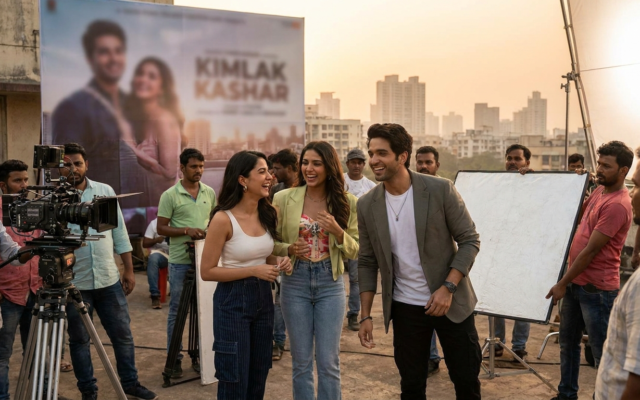
The Hindi film industry, often referred to as Bollywood, is undergoing a significant transformation. For decades, it has been defined by its larger-than-life characters, elaborate song-and-dance sequences, and often predictable romantic narratives. While these elements still hold a place, a palpable shift is underway, driven by a new generation of talent. We’re witnessing the rise of Gen Z actors, directors, and writers who are not afraid to challenge conventions and bring a fresh perspective to the screen. This isn’t just about new faces; it’s about new voices and new stories that resonate more deeply with contemporary audiences, both in India and globally.
This seismic shift is marked by a departure from the established family dynasties that have long dominated the industry. While star kids still emerge, the spotlight is increasingly falling on individuals who have carved their own paths, often through sheer talent and a willingness to experiment. These young artists are bringing an authenticity and a nuanced understanding of modern Indian society that was perhaps less prevalent in previous eras. They are less concerned with upholding a specific image and more focused on delivering impactful performances and compelling narratives.
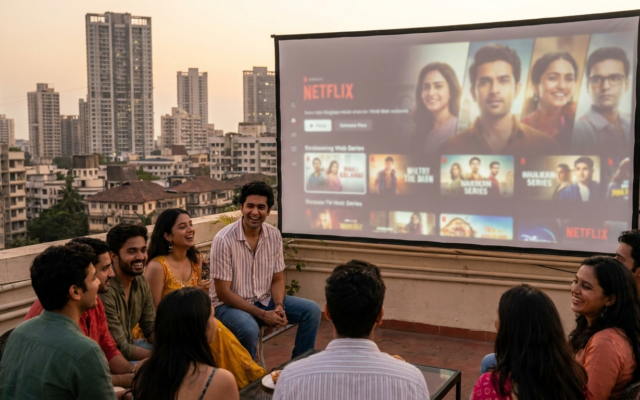
The impact of digital platforms cannot be overstated. Streaming services have provided fertile ground for experimental content and have allowed new talent to gain visibility without necessarily needing to conform to traditional studio gatekeepers. This has democratized the industry to a degree, allowing diverse stories and a wider range of actors to find an audience. The result is a more dynamic and inclusive cinematic landscape than we’ve seen in years.
Beyond the Star System: New Faces, New Narratives
Gone are the days when a film’s success was solely dependent on the star power of a handful of established actors. The current Bollywood landscape is a testament to the power of fresh faces and compelling stories. Actors like Adarsh Gourav, who gained international acclaim for his role in “The White Tiger,” exemplify this new wave. His performance was raw, authentic, and devoid of the typical Bollywood gloss, showcasing a different kind of stardom rooted in character depth. Similarly, actors like Anya Singh and Ishwak Singh have made their mark with performances that feel grounded and relatable.
This generation of actors is not shying away from exploring complex characters and challenging social themes. Films are delving into subjects like mental health, the struggles of the LGBTQ+ community, the pressures of urban life, and the nuances of familial relationships with a maturity that appeals to a more discerning audience. They are not just playing roles; they are embodying characters with real-world struggles and aspirations. This shift in narrative focus is a direct reflection of the experiences and perspectives of Gen Z themselves.
The influence of parallel cinema and regional film industries is also becoming more pronounced. Directors and writers are drawing inspiration from the storytelling techniques and thematic explorations that have found success in non-mainstream productions. This cross-pollination of ideas is enriching Bollywood’s creative output. It’s a welcome change from the era of mimicking Hollywood formulas, leading to more original and culturally relevant content.
The Digital Crucible: Launchpad for Tomorrow’s Stars
The rise of streaming giants like Netflix, Amazon Prime Video, and Disney+ Hotstar has been a game-changer for Bollywood, particularly for the emerging Gen Z talent. These platforms have acted as a digital crucible, providing a space for experimentation and a global stage for aspiring actors and filmmakers. Unlike traditional theatrical releases, which often require significant pre-existing fame, streaming services are more accessible to new artists who can prove their mettle through strong performances.
Consider the impact of web series. Many actors who are now making waves in feature films first gained significant recognition through popular online shows. Shows like “Kota Factory,” with its relatable portrayal of student life and its ensemble cast of young actors, or “Panchayat,” which showcased the charm of small-town India through its fresh faces, have been instrumental in introducing a new generation of talent to the masses. These platforms allow for deeper character development and more nuanced storytelling than a typical two-hour film might allow.
Furthermore, social media has become an indispensable tool for this new breed of artists. Instagram, YouTube, and Twitter are not just for promotional activities; they are platforms where actors can directly engage with their audience, build a personal brand, and showcase their versatility. This direct connection fosters a sense of intimacy and relatability, making these emerging stars feel more accessible and authentic than their predecessors. They can build a fan base organically, often before their first major film release.
Surprising Facts That Define the New Bollywood Landscape
The transformation in Bollywood is not just about the obvious changes in faces and stories; there are several less-discussed aspects that highlight the depth of this evolution. One surprising fact is the increasing prominence of actors who have no prior family connection to the film industry and have actively pursued alternative paths to stardom. While the “nepotism” debate still simmers, the success of individuals like Ayushmann Khurrana (who started his career as a radio jockey and VJ) or Vicky Kaushal (whose father is a stunt director, not an actor) demonstrates that meritocracy, in its nascent form, is indeed making inroads. They have built their careers on performance and relatable portrayals, proving that talent can indeed triumph over lineage.
Another fascinating development is the conscious effort by many young actors to deliberately choose roles that defy conventional archetypes, even at the risk of box-office potential. This is a stark contrast to the past, where many actors felt compelled to stick to safe, commercially viable roles to maintain their stardom. For instance, actors are increasingly willing to play characters with flaws, vulnerabilities, and ambiguous morality, pushing the boundaries of what is considered a “hero” or “heroine” in Indian cinema. This willingness to experiment is a testament to their artistic ambition and their understanding of a more sophisticated audience.
A third, perhaps more subtle, yet significant, aspect is the growing importance of intellectual property and original screenplays over established franchises or remakes. While remakes and sequels still exist, there’s a growing appetite for fresh, original stories that haven’t been told before. This shift is driven by both the creators’ desire to innovate and the audience’s demand for novelty. The success of films like “Andhadhun” or “Stree,” which were original concepts, further validates this trend.
The Directors’ Cut: Visionaries Shaping New Narratives
The directorial landscape of Bollywood is also experiencing a renaissance, with a new generation of filmmakers emerging who are bringing distinct artistic visions and a willingness to experiment with form and content. These directors are often educated in prestigious film schools, both in India and abroad, and are equipped with a global perspective while retaining a strong connection to Indian culture. They are less inclined to follow tried-and-tested formulas and more eager to explore uncharted cinematic territories.
Filmmakers like Zoya Akhtar, while not strictly Gen Z, have paved the way for this new wave with her contemporary storytelling in films like “Gully Boy,” which celebrated the underground hip-hop scene of Mumbai and introduced raw, authentic performances. Following in her footsteps, directors like Shakun Batra (“Gehraiyaan”) are delving into the complexities of modern relationships with a mature and nuanced approach. Other emerging talents are pushing the envelope with genre-bending films, innovative cinematography, and a focus on character-driven narratives over plot-driven spectacle.
The influence of short films and independent cinema is also evident in the work of these new directors. Many have honed their craft through smaller projects, allowing them to develop their unique style and voice before tackling larger productions. This has led to a more diverse range of cinematic experiences being offered to audiences. They are not afraid to tackle sensitive topics, using cinema as a medium for social commentary and introspection.
The Audience’s Evolving Palate: Demanding More Than Just Masala
The shift in Bollywood is not happening in a vacuum; it is intrinsically linked to the evolving tastes and expectations of the Indian audience. Today’s viewers, particularly the digitally savvy Gen Z and millennial demographics, are exposed to a global array of content and have developed a more discerning palate. They are no longer content with superficial entertainment; they crave authenticity, relatability, and stories that reflect their own lives and aspirations. This has created a demand for more meaningful and thought-provoking cinema.
The rise of the “content is king” philosophy is a direct consequence of this audience evolution. Films that offer substance, strong performances, and engaging narratives are finding critical acclaim and commercial success, even if they lack the traditional elements of a blockbuster. Audiences are more willing to embrace films that explore diverse themes, challenge societal norms, and offer a glimpse into different facets of Indian life, from the bustling metropolises to the quiet villages.
Moreover, the accessibility of content through streaming platforms has educated audiences about different filmmaking styles and storytelling techniques. They are now more open to unconventional narratives, non-linear storytelling, and characters that are not always morally upright. This has emboldened filmmakers to take creative risks, knowing that there is an audience eager to embrace them. The days of passively consuming whatever is presented are long gone; the modern Indian viewer is an active participant in shaping the cinematic landscape.
“This new wave of talent isn’t just making films; they’re sparking conversations and redefining what it means to be a Bollywood star in the 21st century.”
Frequently Asked Questions
What are the key characteristics of the new wave of Bollywood talent?
The new wave is characterized by a focus on authentic storytelling, relatable characters, diverse narratives, and a willingness to experiment with genres and themes. These artists often come from non-filmy backgrounds and leverage digital platforms.
How have digital platforms influenced Bollywood’s evolution?
Digital platforms have provided a launchpad for new talent, allowed for experimental content, and offered a global reach for Indian cinema. They have democratized access and broadened the scope of stories being told.
Are established actors being replaced by the new generation?
Not entirely. While new talent is gaining significant traction, established actors are adapting by choosing more diverse roles and collaborating with the new generation of filmmakers. It’s more of an evolution and expansion of the industry than a complete replacement.
What kind of stories are these new talents telling?
They are telling stories that are more grounded and reflective of contemporary Indian society. This includes themes of mental health, urban struggles, identity, social justice, and nuanced personal relationships, moving beyond traditional romantic dramas.
What is the future of Bollywood with this new generation in charge?
The future looks promising and dynamic. We can expect more original content, greater diversity in storytelling and casting, and a continued blurring of lines between mainstream and independent cinema, appealing to a wider and more global audience.