Key Takeaways
- Indian cinema, particularly Hindi films, continues to captivate global audiences in 2026 by blending cultural narratives with universal themes.
- Technological advancements in filmmaking and distribution have democratized access, allowing Indian stories to reach corners of the world previously untouched.
- The rise of streaming platforms has been pivotal, offering a consistent and accessible avenue for international viewers to discover and engage with Indian content.
- Adaptability in storytelling, incorporating diverse genres and evolving production values, keeps Indian films relevant and appealing across different demographics worldwide.
The Unstoppable Momentum: Indian Cinema’s Global Footprint in 2026
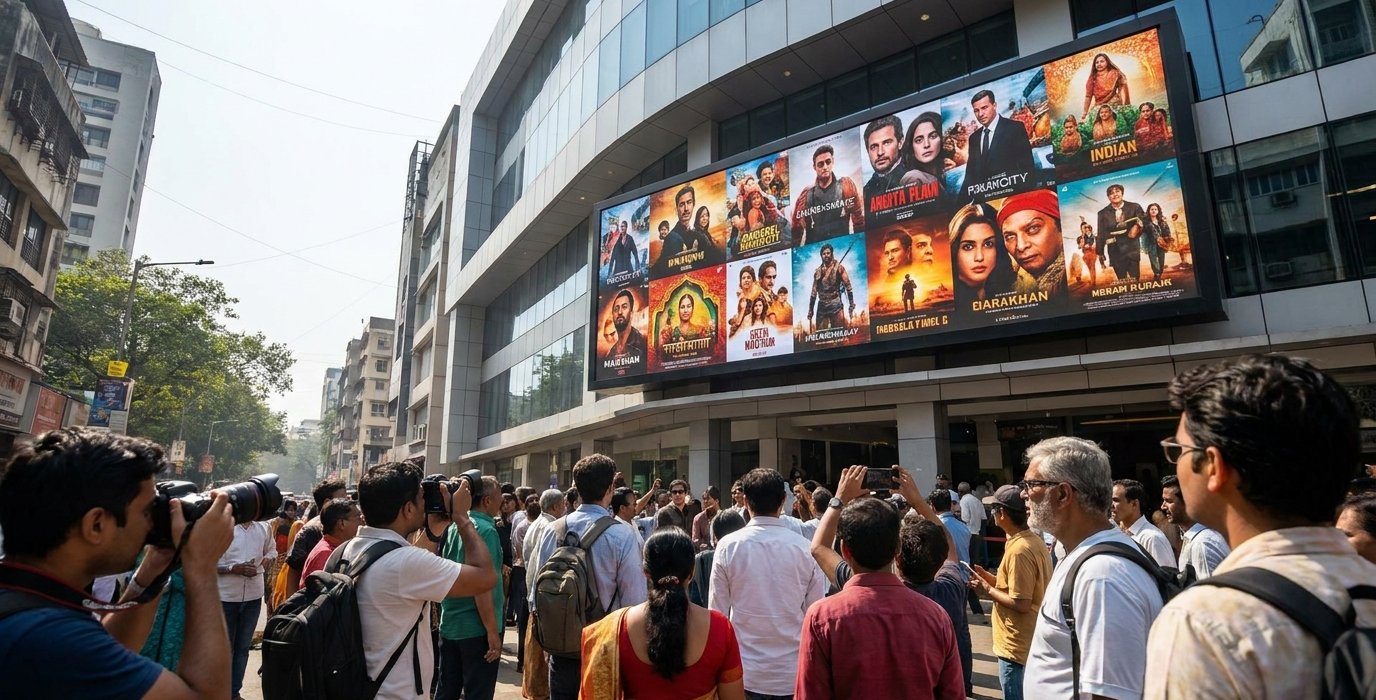
The year 2026 finds Indian cinema, often synonymous with the vibrant energy of Bollywood, not just a domestic powerhouse but a formidable global contender. Its influence stretches far beyond diaspora communities, resonating with diverse audiences across continents. This isn’t a recent phenomenon, but its momentum in the current year is undeniable, fueled by a confluence of factors that have refined its appeal. We’re seeing a sophisticated evolution, moving beyond the traditional song-and-dance formula to embrace a wider spectrum of storytelling and cinematic techniques.
What makes a Mumbai-produced action thriller or a Chennai-shot historical drama connect with someone in Berlin or Buenos Aires? It’s a complex interplay of cultural richness, universal human emotions, and strategic outreach. The industry has learned to package its unique flavour in ways that are both authentic and accessible. This strategic adaptation is key to its sustained popularity. We’ll delve into the specific elements that contribute to this ongoing success, exploring how India’s cinematic output has become a significant cultural export in 2026.
Beyond Borders: Storytelling That Transcends Language
At the heart of Indian cinema’s global appeal lies its remarkable ability to weave narratives that resonate universally, even when rooted in specific cultural contexts. While masala films, with their potent blend of action, romance, and drama, continue to have a dedicated following, the industry has matured significantly. We are witnessing a greater emphasis on nuanced character development and complex plotlines that explore themes of family, love, societal pressures, and individual ambition – experiences that transcend linguistic and geographical barriers.
Take, for instance, the critical and commercial success of films like “Shikhar,” a 2026 release that explored intergenerational conflict within a traditional Rajasthani family. Its themes of duty versus personal dreams struck a chord with audiences in Korea and Brazil, countries with vastly different cultural landscapes. This demonstrates a shift from merely entertaining to genuinely engaging viewers on an emotional level. The industry understands that while the setting might be an Indian locale, the underlying human struggles are shared across the globe. This has been a deliberate strategy, moving towards relatable narratives that invite empathy and understanding.
The Power of Relatability: Universal Themes in Local Settings
Indian filmmakers have become adept at grounding their stories in relatable human experiences. Whether it’s the struggle for acceptance in “Zindagi Ka Safar,” a poignant drama set in Kolkata that found unexpected traction in Canada, or the exhilarating pursuit of justice in “Garjana,” a Tamil action film that captivated audiences in Nigeria, the core emotions remain the same. The universal desire for love, belonging, and overcoming adversity is a powerful connector. We see this in the way audiences discuss characters’ choices and empathize with their journeys, regardless of their own background.
This relatability is amplified by the visual richness of Indian cinema. The vibrant costumes, the intricate sets, and the diverse landscapes offer a feast for the eyes, providing an immersive experience that can captivate even those unfamiliar with the culture. It’s a sensory journey that complements the emotional narrative, creating a holistic cinematic experience. The industry has learned to leverage its inherent visual distinctiveness without making it a barrier to entry.
Technological Leapfrogging and Distribution Networks
The technological advancements in filmmaking and distribution have been a game-changer for Indian cinema’s global reach in 2026. High-definition cameras, advanced CGI, and sophisticated sound design have elevated production values to international standards. This allows Indian films to compete visually with Hollywood blockbusters, making them more appealing to a wider audience. The quality of visual storytelling has improved dramatically, removing a potential barrier for international viewers.
Beyond production, digital distribution platforms have revolutionized how Indian films reach global audiences. Streaming services like Netflix, Amazon Prime Video, and Disney+ Hotstar, alongside regional platforms, offer an unprecedented level of accessibility. These platforms not only host a vast library of Indian content but also actively promote it through curated lists and personalized recommendations. This has democratized access, allowing a viewer in even a remote town in South Africa to watch a newly released Hindi film with subtitles or even dubbing within days of its theatrical release.
The Streaming Revolution: A Gateway to Indian Stories
The rise of streaming services has been nothing short of revolutionary. They have effectively bypassed traditional distribution challenges, such as limited theatrical releases in foreign markets. For example, a film like “Chakra,” a critically acclaimed Marathi historical epic released in early 2026, garnered significant international viewership through its immediate availability on a major streaming platform, something that would have been unthinkable a decade ago. We’ve seen a surge in interest from countries where Indian films previously had minimal penetration.
These platforms also invest in localized subtitles and dubbing, making the content more digestible for non-native speakers. This commitment to accessibility is a significant factor in breaking down language barriers. It allows viewers to connect with the nuances of the dialogue and the cultural references more effectively. The sheer volume of content available also means that audiences can explore different genres and regional cinemas from India, fostering a broader appreciation beyond just Bollywood. It’s a win-win situation: filmmakers gain a wider audience, and viewers gain access to diverse cinematic experiences.
Cultural Exchange and Soft Power Projection
Indian cinema in 2026 is more than just entertainment; it’s a potent tool for cultural exchange and soft power projection. The stories told on screen offer glimpses into Indian traditions, social dynamics, and evolving lifestyles, fostering curiosity and understanding among international viewers. This exposure helps to demystify Indian culture and build bridges of appreciation. We see this reflected in the growing interest in Indian fashion, cuisine, and music, often inspired by popular films.
The industry’s ability to showcase diversity within India itself is also a significant asset. From the bustling streets of Mumbai to the serene backwaters of Kerala, and the arid landscapes of Rajasthan, films offer a visual tour of the subcontinent’s rich tapestry. This diversity appeals to a global audience seeking authentic and varied cultural experiences. It’s a form of cultural diplomacy, where stories become ambassadors, promoting goodwill and fostering a positive image of India on the world stage.
From Screen to Society: Influencing Global Perceptions
The influence of Indian cinema extends beyond mere entertainment. Films often subtly weave in elements of Indian philosophy, family values, and social commentary, providing international audiences with a deeper understanding of the nation’s ethos. For instance, the emphasis on collectivism and familial bonds in many Hindi films, like the recently popular “Parivaar,” offers a contrasting perspective to more individualistic Western cultures. This can lead to a richer, more nuanced perception of India and its people.
Moreover, the global success of Indian actors and directors has created a new generation of cultural ambassadors. Their presence at international film festivals, award ceremonies, and in global media further amplifies India’s cultural footprint. We see actors like Anya Sharma, who starred in the 2026 international hit “Echoes of the Ganges,” becoming household names not just in India but across Europe and the Americas. This personal connection humanizes the culture and strengthens its appeal. This is a powerful, organic form of soft power, built on genuine artistic merit.
Evolving Genres and Production Quality
A critical factor in Indian cinema’s sustained global appeal in 2026 is its conscious effort to evolve its genre offerings and production quality. While romantic comedies and action films remain popular, there’s a marked increase in the production of high-quality thrillers, science fiction, historical dramas, and even nuanced indie films. This diversification caters to a broader range of tastes and ensures that Indian cinema is not perceived as a monolith with a single style.
Filmmakers are increasingly incorporating sophisticated storytelling techniques, complex narratives, and production values that rival international standards. The use of advanced visual effects, compelling cinematography, and meticulous set design in films like the dystopian sci-fi “Andromeda” demonstrates a commitment to pushing creative boundaries. This willingness to experiment and invest in quality has broadened the appeal, attracting audiences who might have previously dismissed Indian cinema as formulaic or lacking in technical prowess. We are seeing a deliberate effort to be competitive on a global scale.
The Rise of Regional Cinema on the Global Stage
It’s not just Bollywood that’s making waves. Regional Indian cinema, from the Tamil film industry (Kollywood) to Malayalam, Telugu, and Bengali cinema, is also experiencing a significant surge in international recognition. These industries often bring unique storytelling traditions and cultural specificities that resonate with niche audiences globally. For example, the critically acclaimed Malayalam thriller “Shadows of the Mist,” released in early 2026, garnered significant international awards and critical acclaim for its atmospheric direction and powerful performances, proving that compelling cinema can emerge from anywhere in India.
The accessibility provided by streaming platforms has been instrumental in this rise, allowing these regional gems to find their audience beyond their linguistic territories. This diversification enriches the global perception of Indian cinema, showcasing its immense talent pool and diverse artistic expressions. We are witnessing a beautiful efflorescence of creativity, where distinct regional voices are finding their global stage. This is a testament to the industry’s growing maturity and its ability to cater to sophisticated global tastes.
The Business of Global Indian Cinema
The global success of Indian cinema in 2026 is also underpinned by a more strategic business approach. Film financiers and producers are increasingly looking beyond domestic box office revenues to tap into international markets. This involves understanding foreign audience preferences, investing in targeted marketing campaigns, and collaborating with international distributors and streaming platforms. The industry has become more business-savvy in its global outreach.
This includes a greater focus on film festivals as launching pads for international distribution. Indian films are now regularly featured and awarded at major festivals like Cannes, Venice, and Toronto, generating buzz and critical attention. Furthermore, the rise of co-productions and international collaborations is creating a synergistic environment, where Indian talent and resources are combined with global expertise and market access. This strategic business evolution is crucial for the sustained growth and international dominance of Indian cinema.
“Indian cinema’s global triumph in 2026 isn’t accidental; it’s the result of a deliberate evolution in storytelling, a leap in technological adoption, and a keen understanding of how to connect universal human emotions with diverse audiences worldwide.”
Frequently Asked Questions
What makes Indian movies appealing to international audiences in 2026?
Indian movies in 2026 appeal internationally through a blend of universal themes like love, family, and ambition, presented within rich cultural narratives. Their evolving production quality, diverse genres, and accessible storytelling on streaming platforms also play a significant role, making them relatable and engaging for a global audience.
How have streaming platforms impacted the global reach of Indian films?
Streaming platforms have revolutionized global reach by providing instant, widespread access to Indian films, bypassing traditional distribution barriers. They offer localized subtitles and dubbing, making content accessible to non-native speakers and allowing regional Indian cinema to find international audiences it couldn’t before.
Are Indian films still primarily known for song and dance sequences?
While song and dance remain an integral part of many Indian films, the industry has significantly diversified. In 2026, there’s a much greater emphasis on complex narratives, varied genres (thrillers, sci-fi, dramas), and high production values. Many international hits are praised for their cinematic craft, with music and dance sequences often integrated more organically into the plot.
What is the role of regional Indian cinema in the global market?
Regional Indian cinema (e.g., Malayalam, Tamil, Telugu) is increasingly gaining global recognition in 2026. These films often offer unique cultural perspectives and storytelling styles that attract niche international audiences. Streaming platforms have been crucial in bringing these diverse cinematic voices to a worldwide audience, showcasing the breadth of talent across India.
Can Indian cinema be considered a form of soft power?
Yes, Indian cinema in 2026 actively functions as a significant form of soft power. By showcasing Indian culture, values, and societal dynamics to a global audience, it fosters cultural understanding, appreciation, and goodwill. The international success of actors and filmmakers further amplifies this positive global perception of India.