Key Takeaways
- Indian weddings in 2026 are leaning heavily into sustainability, with eco-friendly decor, catering, and even venues becoming a priority.
- Digital integration is no longer an option but a necessity, from AI-powered guest management to augmented reality wedding invitations.
- Personalisation is king, with couples crafting unique experiences that reflect their individual stories and cultural roots.
- The rise of micro-weddings and elopements continues, offering intimacy and cost-effectiveness for many couples.
The Greening of Grandeur: Sustainability Takes Centre Stage
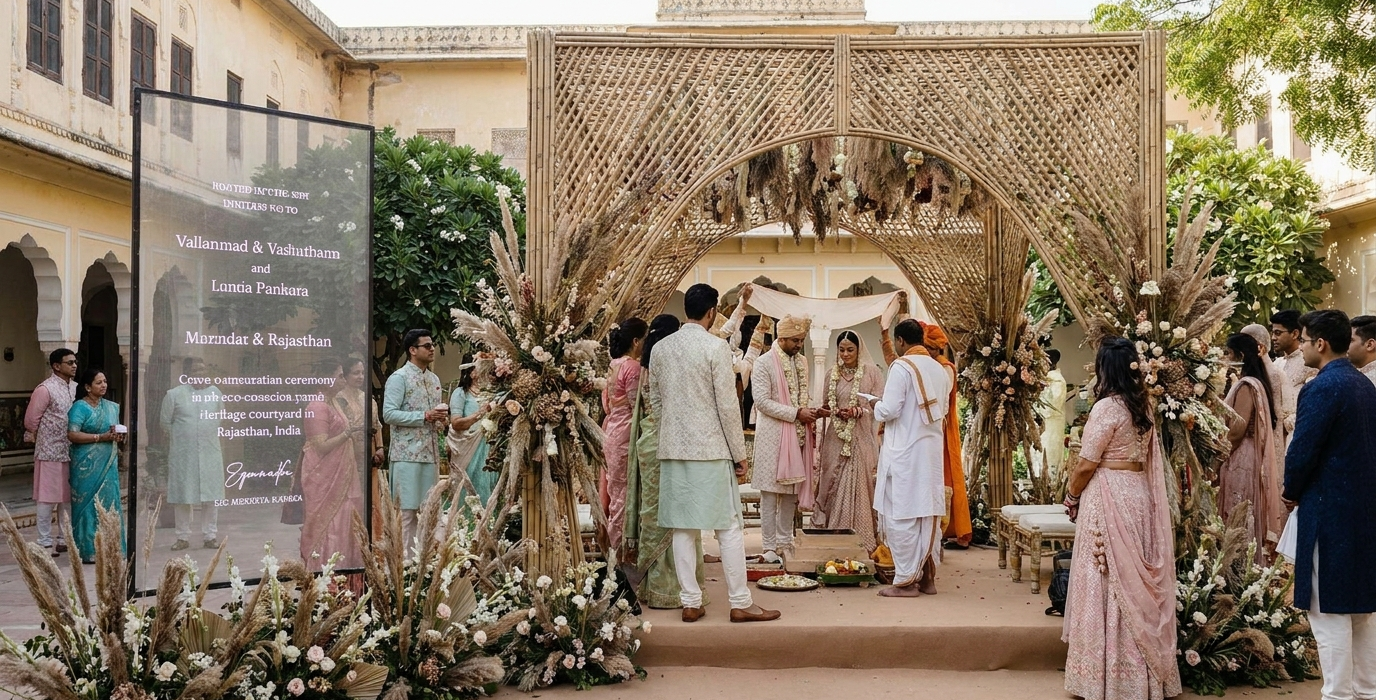
This year, the opulent Indian wedding is getting a significant eco-conscious makeover. Forget mountains of plastic decor and disposable cutlery; 2026 couples are championing sustainability with a passion that’s as vibrant as their mehndi. We’re seeing a conscious shift towards nature-inspired aesthetics, where fresh flowers, local foliage, and even living plants replace synthetic decorations. Venues themselves are also being chosen with the environment in mind, with many opting for resorts and heritage properties that already boast natural beauty and sustainable practices.
The food, a cornerstone of any Indian celebration, is also undergoing a green transformation. Farm-to-table catering is gaining traction, with couples prioritizing locally sourced, seasonal ingredients. This not only reduces the carbon footprint but also supports local farmers and artisans. Even the traditional gifting culture is evolving; instead of material gifts, many are encouraging charitable donations in the couple’s name or opting for experiences rather than physical items. This desire to tread lighter on the planet while celebrating a momentous occasion is a defining characteristic of 2026 Indian weddings. We’ve also noticed a fascinating trend of seed-paper wedding invitations, a small but meaningful gesture that allows guests to literally plant a part of the celebration.
Digital Dreams: AI, AR, and the Connected Ceremony
The digital revolution has fully embraced the Indian wedding scene, transforming how couples plan, execute, and even experience their big day. In 2026, AI-powered wedding planners are no longer a novelty but a sophisticated tool. These platforms help manage guest lists, send personalised reminders, track RSVPs with uncanny accuracy, and even suggest vendor options based on budget and style. Imagine an AI that can predict the perfect seating arrangement, considering guest relationships and potential conversation starters – it’s now a reality for many.
Beyond planning, the digital integration extends to the ceremony itself. Augmented Reality (AR) wedding invitations are making waves, allowing guests to experience a 3D preview of the venue or a personalized message from the couple simply by scanning the invite with their smartphone. Live streaming of ceremonies has become standard, ensuring that loved ones who cannot attend in person can still share in the joy. We’re even seeing the emergence of virtual reality (VR) wedding experiences, allowing remote guests to feel truly present, exploring the venue and interacting with a digital representation of the wedding party. This blend of technology and tradition is creating more inclusive and engaging celebrations than ever before.
The Personalised Palate: Crafting Unique Celebrations
In a departure from cookie-cutter ceremonies, 2026 Indian weddings are all about unapologetic personalisation. Couples are moving beyond generic themes to create celebrations that are deeply rooted in their individual stories, cultural heritage, and shared passions. This means everything from the wedding playlist, which might feature a blend of Bollywood hits and independent artists the couple loves, to the menu, which can be curated to reflect their favourite cuisines from different regions of India or even international travels.
Consider a Delhi-based couple who incorporated elements of their Gujarati and Punjabi backgrounds into a single, harmonious ceremony, complete with bespoke music and a fusion menu. Or a Bangalore couple who chose a venue reminiscent of their favourite trekking spot, with decor inspired by the Western Ghats. The emphasis is on storytelling through every detail. This can manifest in custom-designed wedding favours that reflect a shared hobby, a personalized vow exchange that speaks to their unique journey, or even a signature cocktail named after a significant moment in their relationship. This move towards deeply personal touches ensures that each wedding feels authentic and memorable, both for the couple and their guests.
Intimate Affairs: The Enduring Appeal of Micro-Weddings and Elopements
While grand celebrations remain a cherished tradition, 2026 is also witnessing a significant and growing trend towards intimate weddings and elopements. For many couples, the desire for a deeply personal and stress-free experience, coupled with evolving financial priorities, is driving this shift. Micro-weddings, typically involving guest lists of 50 or fewer, offer a more manageable and budget-friendly alternative to elaborate affairs. They allow for a higher degree of personalisation and a more relaxed atmosphere, fostering genuine connection with each guest.
Elopements, where couples marry with minimal or no guests, are also gaining popularity, particularly among those seeking to avoid family pressures or simply focus on their union. Destinations like the serene backwaters of Kerala, the majestic forts of Rajasthan, or even quiet beaches in Goa are becoming popular choices for these intimate ceremonies. This trend isn’t about sacrificing celebration; it’s about redefining what a celebration means. Couples are choosing quality over quantity, prioritizing meaningful moments with their closest loved ones or simply cherishing the profound significance of their commitment in a private, heartfelt way. We’ve seen a surge in interest for “destination elopements” within India, offering stunning backdrops without the complexity of international travel.
The Experiential Wedding: Beyond Rituals to Lasting Memories
Indian weddings have always been about more than just the ceremony; they are immersive experiences. In 2026, this experiential aspect is being amplified, with couples curating a series of engaging activities and moments that extend beyond the wedding day itself. Think of pre-wedding brunches at a rooftop cafe in Mumbai, curated city tours for out-of-town guests, or even creative workshops like pottery or mixology as part of the festivities. The aim is to create a narrative arc for the entire wedding celebration.
This trend also extends to the wedding entertainment. Beyond the traditional Sangeet performances, couples are opting for interactive installations, live caricature artists, bespoke photo booths with unique props, or even cultural performances that showcase local art forms. The focus is on guest engagement and creating shared memories. For instance, a wedding in Jaipur might feature a traditional Rajasthani folk dance performance followed by a modern DJ set, ensuring a diverse entertainment experience. This shift from passive observation to active participation makes the wedding an event that guests actively contribute to and remember fondly for years to come.
Fusion Flavours and Culinary Storytelling
The culinary landscape of Indian weddings in 2026 is a vibrant tapestry woven with fusion flavours and a deep emphasis on storytelling. Couples are increasingly looking to go beyond traditional regional menus, blending diverse cuisines to create a unique gastronomic journey for their guests. This isn’t just about novelty; it’s about honouring personal histories and global influences. Imagine a spread that combines the spicy delights of Andhra Pradesh with the refined elegance of French patisserie, or a dessert bar featuring traditional Bengali sweets alongside artisanal Italian gelato.
This trend is also deeply connected to the concept of culinary storytelling. Menus are meticulously crafted to reflect the couple’s journey. A dish might be named after the city where they first met, or an ingredient might be chosen for its significance in their family history. We’re seeing a rise in “interactive food stations” where guests can engage with chefs, learn about the dishes, and even customize their own plates. This hands-on approach transforms dining from a necessity into an integral part of the wedding’s narrative. For example, a chef might demonstrate the art of making a perfect dosa, with guests then having the chance to try their hand at it. This elevates the dining experience into a memorable, engaging activity.
“The modern Indian wedding is no longer just about showcasing grandeur; it’s about crafting a deeply personal, sustainable, and technologically integrated experience that tells the couple’s unique story.”
Frequently Asked Questions
What are the most popular sustainable wedding practices in 2026?
Couples are focusing on eco-friendly decor using natural materials, locally sourced and seasonal catering, digital invitations to reduce paper waste, and encouraging charitable donations instead of physical gifts. Many are also choosing venues committed to sustainable operations.
How is technology being used in Indian weddings this year?
Technology is prevalent in AI-powered planning tools for guest management and vendor suggestions, AR and VR elements for invitations and virtual attendance, and seamless live streaming of ceremonies to connect with remote guests.
Are grand weddings still popular in 2026?
While grand weddings continue to be celebrated, there’s a significant rise in micro-weddings and elopements. These offer more intimate, personalized, and cost-effective alternatives for couples seeking a different kind of celebration.
What does “experiential wedding” mean in the context of 2026?
An experiential wedding means curating a series of engaging activities and moments beyond the core ceremonies. This includes interactive entertainment, pre-wedding events, and personalized guest experiences designed to create shared memories.
How are wedding menus evolving in 2026?
Wedding menus are embracing fusion flavours, blending diverse cuisines to reflect the couple’s backgrounds and travels. There’s also a strong emphasis on culinary storytelling, where dishes and ingredients are chosen to narrate the couple’s personal journey.