The sizzle of onions and the earthy aroma of spices can be incredibly tempting, even when you’re focused on a healthier lifestyle. Fortunately, you don’t have to give up delicious paneer dishes entirely. We’ve explored a range of light, flavourful, and genuinely satisfying paneer recipes designed to fit seamlessly into your fitness journey, whether you’re in bustling Mumbai or a serene village in Himachal Pradesh.
Key Takeaways
- Explore at least six innovative paneer recipes focusing on minimal oil, fresh vegetables, and smart cooking techniques.
- Discover how to leverage paneer’s protein content to enhance satiety and support muscle health within a balanced diet.
- Learn about regional variations and ingredient swaps to keep your paneer dishes exciting and tailored to your palate.
- Understand the nutritional benefits of paneer and how it can be a versatile component of various dietary plans.
The Power of Paneer: More Than Just a Delicious Dairy Delight
Paneer, that beloved Indian cheese, is a powerhouse of nutrition, particularly for those mindful of their diet. Its high protein content is a significant advantage, helping you feel fuller for longer and supporting muscle repair and growth, especially crucial if you’re engaged in regular physical activity. Unlike many other cheeses, paneer is typically made by curdling milk with an acidic ingredient like lemon juice or vinegar, then pressing the curds, resulting in a firm, non-melting cheese that’s incredibly versatile. This makes it an excellent choice for absorbing marinades and holding its shape during cooking. A typical 100-gram serving of paneer can provide around 18 grams of protein, making it a fantastic alternative to meat for vegetarians and vegans (with careful sourcing of non-dairy alternatives). It also offers calcium, vital for bone health, and essential amino acids. Understanding these core benefits empowers us to make informed choices about incorporating paneer into our daily meals without compromising our health goals.
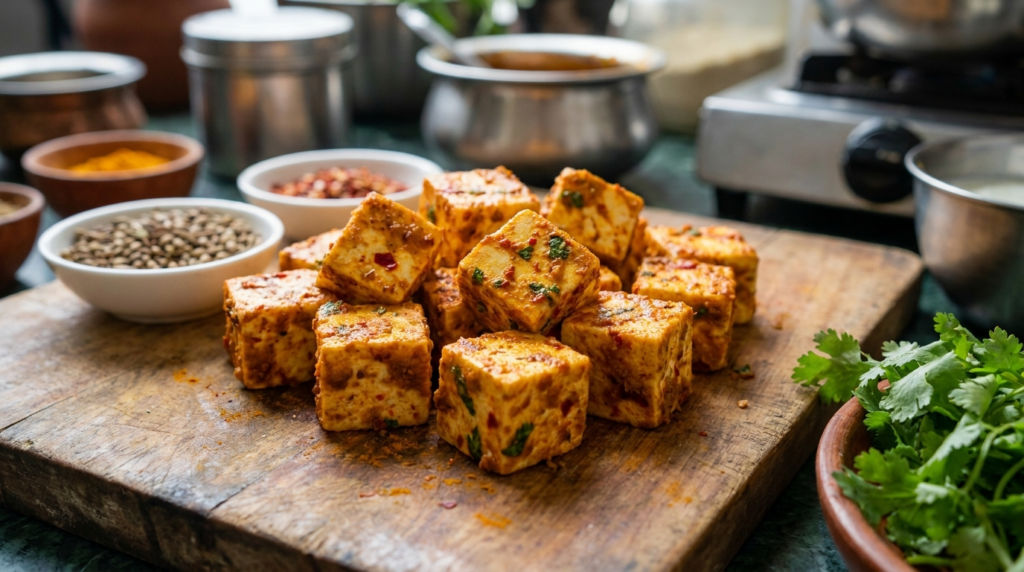
Light & Lively Paneer Tikka Skewers: A Tandoori Twist, Healthier
Forget the deep-fried versions; this paneer tikka is all about vibrant flavours and healthy cooking. We’re talking about marinated paneer cubes, bell peppers, onions, and tomatoes, all threaded onto skewers and grilled or baked to perfection. The marinade is key here: a base of thick, low-fat yogurt infused with ginger-garlic paste, turmeric, cumin, coriander, and a hint of garam masala. A squeeze of lemon juice adds brightness, while a touch of kasoori methi (dried fenugreek leaves) lends an authentic tandoori aroma. Instead of heavy cream or oil, we rely on the yogurt for a creamy texture. Grilling or baking concentrates the flavours and gives the paneer a delightful char without the excess fat. Serve these skewers with a fresh mint-coriander chutney and a side of kachumber salad for a complete, satisfying meal that’s light on calories but heavy on taste. This method ensures you get that smoky, tandoori flavour without the need for a traditional tandoor oven, making it accessible for home cooks.
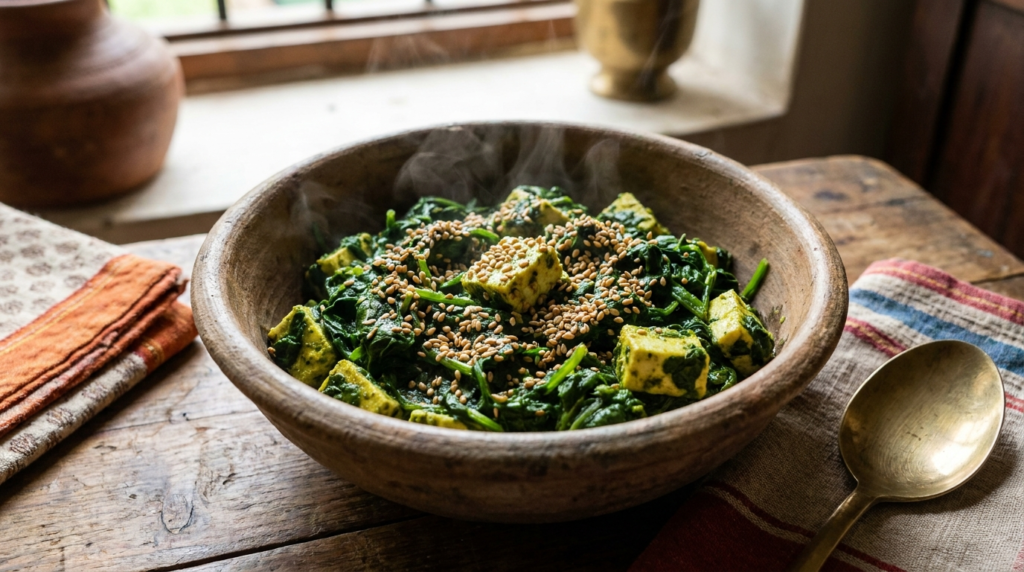
Spinach and Paneer Stir-Fry: A Quick, Nutrient-Packed Meal
This dish is a testament to how simple ingredients can create a remarkably healthy and flavourful meal. Imagine tender cubes of paneer sautéed with heaps of fresh spinach, garlic, and a whisper of green chilies. The beauty lies in its speed and minimal oil usage. You’ll want to use a good quality, non-stick pan. Start by lightly sautéing finely chopped garlic in a teaspoon of olive oil or ghee. Then, add the washed spinach, letting it wilt down considerably. The paneer, cut into bite-sized cubes, is then gently added, along with a pinch of salt and freshly ground black pepper. You can also introduce other vegetables like finely diced carrots or bell peppers for added colour and nutrients. A sprinkle of toasted sesame seeds or a dash of soy sauce (for a touch of umami, use low-sodium if preferred) can elevate the flavour profile. This stir-fry is incredibly adaptable; feel free to experiment with other greens like kale or methi. It’s a perfect weeknight dinner that’s ready in under 20 minutes.
The Health Halo of Spinach and Paneer
The combination of spinach and paneer is a nutritional goldmine. Spinach is rich in iron, vitamins A, C, and K, and antioxidants, while paneer provides essential protein and calcium. Together, they create a meal that is both energizing and satiating. This pairing is particularly beneficial for individuals looking to manage their weight or boost their intake of plant-based nutrients. The minimal cooking time for the spinach helps retain its maximum nutritional value, preventing the loss of heat-sensitive vitamins. This is a classic example of how Indian cuisine, when approached mindfully, offers incredibly healthy and balanced meal options.
Paneer and Vegetable Korma: A Creamy Dream, Lightened Up
Traditional korma can be quite rich, but we can achieve that luscious, creamy texture with a lighter touch. This recipe uses a base of blended cashews (soaked and then puréed for a smooth consistency) and low-fat yogurt instead of heavy cream or excessive ghee. The vegetables can include an array of colourful options like carrots, beans, peas, and cauliflower, which add fibre and essential vitamins. The paneer is usually added towards the end to prevent it from becoming rubbery. The spice blend is crucial for flavour depth: think cardamom, cloves, cinnamon, coriander, cumin, and a touch of saffron for that regal hue and aroma. A small amount of ginger and garlic paste forms the aromatic foundation. The key is to sauté the onions and spices well before adding the puréed cashew-yogurt mixture, simmering gently until the flavours meld. This method delivers a decadent taste and velvety mouthfeel without the heavy fats, making it a fantastic choice for a special yet healthy meal.
Smart Swaps for a Lighter Korma
To further reduce calories, consider replacing some of the cashews with blanched almonds or even a small amount of cooked and puréed pumpkin or melon seeds. These alternatives offer creaminess with a different nutritional profile. Ensuring the paneer is fresh and not overly fried before adding it to the korma also contributes to a lighter dish.
Grilled Paneer with Herbed Yogurt Marinade: A Refreshing Option
This is perhaps one of the simplest yet most elegant ways to enjoy paneer on a diet. Imagine thick slices or cubes of paneer marinated in a refreshing blend of low-fat yogurt, fresh mint, coriander, dill, lemon juice, and a hint of garlic. The herbs provide a vibrant freshness, while the lemon juice tenderizes the paneer slightly and adds a zesty kick. You can then grill these marinated pieces on a non-stick pan, a grill pan, or even a conventional outdoor grill until they are golden brown and slightly charred. The marinade prevents the paneer from drying out and infuses it with incredible flavour. This dish pairs beautifully with a large green salad or a light lentil soup. It’s incredibly versatile – you can add other vegetables like zucchini or bell peppers to the grill alongside the paneer for a complete meal. The absence of heavy spices or oils makes this a truly guilt-free indulgence.
The Surprising Versatility of Paneer in Salads and Rolls
Beyond the typical curries and stir-fries, paneer shines in lighter applications. Think about crumbled paneer mixed with finely chopped cucumbers, tomatoes, onions, and a light lemon-herb dressing. This makes for a wonderfully refreshing salad that’s packed with protein. Another fantastic idea is to use paneer as a filling for healthy wraps or rolls. Sautéed paneer with finely diced vegetables and a touch of mint chutney can be rolled up in whole wheat rotis or even large lettuce leaves for a low-carb option. This approach transforms paneer into a portable, healthy meal or snack. One surprising fact is that in parts of northern India, particularly in Punjab, paneer is sometimes incorporated into breakfast dishes like scrambled eggs or parathas, demonstrating its widespread acceptance and adaptability even in traditional Indian kitchens. For instance, paneer bhurji, a scrambled paneer dish, is a popular breakfast option across many Indian households, and can be easily adapted for a lighter meal by reducing oil and increasing vegetable content.
Exploring Regional Variations and Smart Ingredient Swaps
India’s culinary landscape is vast, and paneer preparations vary wonderfully from region to region. In the north, you’ll find richer gravies, while the east might feature paneer in lighter, often sweeter preparations. For instance, in West Bengal, *chhena* (a form of fresh, unsalted paneer) is used in delectable sweets like *rasgulla* and *chhena payesh*. While these are treats, they highlight paneer’s diverse role. When adapting paneer dishes for a healthier diet, consider these smart swaps. Replace heavy cream with blended yogurt or a nut-based cream (like almond or cashew). Use minimal ghee or healthy oils like olive or avocado oil for sautéing. Incorporate a wider variety of vegetables to boost fibre and nutrient content. For a protein boost without the paneer, consider firm tofu or even lentils and chickpeas in some preparations. A fantastic source for nutritional information on Indian ingredients is the Food Safety and Standards Authority of India (FSSAI), which provides guidelines and data that can help you make informed choices about your diet.
A Note on ‘Diet Paneer’ Products
Be mindful of commercially marketed “diet paneer.” Often, these products do not significantly differ nutritionally from regular paneer, or they may use emulsifiers and preservatives. The best approach is to make your own paneer at home from skimmed or low-fat milk, giving you complete control over the ingredients and fat content. This process is surprisingly simple and can be done within minutes.
The true art of healthy paneer cooking lies not in restriction, but in intelligent preparation and flavour enhancement through fresh ingredients and smart techniques.
Frequently Asked Questions
What is the healthiest way to cook paneer?
The healthiest ways to cook paneer involve methods that use minimal oil and maximize fresh ingredients. Grilling, baking, stir-frying with a little oil, or incorporating it into salads and yogurt-based marinades are excellent choices. Avoid deep-frying.
Can paneer be part of a weight loss diet?
Yes, paneer can absolutely be part of a weight loss diet due to its high protein content, which promotes satiety. Portion control and preparation methods are key. Opt for recipes that are rich in vegetables and use minimal oil, like the grilled paneer or spinach stir-fry discussed above.
How much paneer should I eat per day for a diet?
A typical serving size for paneer in a diet plan is around 75-100 grams per day, depending on your overall caloric needs and macronutrient goals. It’s advisable to consult with a nutritionist or dietitian for personalized recommendations.
Are there non-dairy alternatives to paneer for a vegan diet?
Yes, firm tofu is an excellent non-dairy alternative that can be used in many paneer recipes. Other options include paneer made from almond or soy milk, though the texture and flavour profile will differ. You can also find commercially produced vegan cheeses that mimic paneer.