Key Takeaways
- India aims for a robust EV charging network by 2027, with significant government investment and policy support.
- Over 100,000 charging stations are planned, focusing on both public and private spaces, including highways and residential complexes.
- Key challenges include grid integration, standardisation, and ensuring affordability for consumers.
- This expansion is crucial for accelerating EV adoption and achieving India’s climate goals.
The Road Ahead: Powering India’s Electric Future by 2027
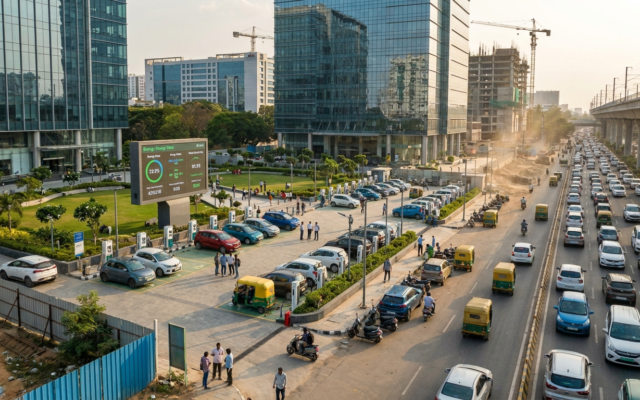
Imagine a future where your electric vehicle (EV) glides silently through cities like Bengaluru, its battery replenished at a charging station easily accessible, much like the ubiquitous chai stalls today. This isn’t a distant dream; it’s the ambitious vision India is actively building towards. By 2027, the nation plans to have a sprawling network of over 100,000 electric vehicle charging stations, a move that promises to transform our transportation landscape and significantly bolster our commitment to a greener planet.
This isn’t just about numbers; it’s about creating a seamless charging experience that removes range anxiety, the primary deterrent for many potential EV buyers. The government, recognising this critical need, has earmarked substantial resources and is implementing policies designed to attract private investment and foster innovation. We’re talking about a paradigm shift, moving from a nascent charging infrastructure to one that’s robust, reliable, and widespread, catering to everything from two-wheelers to heavy-duty trucks.
The drive for this extensive network is underpinned by India’s ambitious climate targets and its growing desire to reduce dependence on fossil fuels. As we navigate the complexities of energy transition, electrifying our transport sector emerges as a pivotal strategy. The success of this initiative hinges on the meticulous planning and execution of projects across the length and breadth of the country, from the bustling metropolises of Mumbai and Delhi to the quieter lanes of smaller towns like Dehradun.
Strategic Rollout: From Highways to Homes
The government’s strategy for deploying this vast charging network is multifaceted, ensuring accessibility across diverse user needs and locations. A significant portion of the planned charging stations will be situated along national and state highways, creating vital corridors for inter-city travel. This is crucial for long-distance EV journeys, making trips from, say, Nashik to Pune as convenient as driving a conventional car.
Beyond the highways, the focus extends to urban centres and residential areas. Expect to see charging points populating public parking lots, commercial complexes, and even within housing societies. This approach aims to make charging as routine as plugging in your smartphone at home or office. The policy framework is designed to encourage private players, including startups and established energy companies, to invest in setting up and operating these stations. Incentives such as land allocation and simplified regulatory processes are being streamlined.
Furthermore, there’s a concerted effort to ensure a mix of charging speeds. While fast chargers will be essential for highways and public hubs, slower, more affordable options will be crucial for residential areas and workplaces, catering to overnight or work-hour charging needs. This thoughtful deployment ensures that the infrastructure aligns with the varied charging patterns of EV users. A surprising detail often overlooked is the planned integration of renewable energy sources, like solar, to power a significant chunk of these charging stations, making them truly green.
Overcoming Hurdles: Grid, Standards, and Affordability
While the vision is clear and the targets are set, the path to achieving this nationwide EV charging infrastructure by 2027 is not without its challenges. One of the most significant hurdles is grid integration. With over 100,000 new charging points, the demand on the existing electricity grid will increase substantially. Ensuring the grid can handle this load, especially during peak hours, requires substantial upgrades and intelligent load management systems. Utilities are working on strategies to forecast demand and reinforce local distribution networks.
Another critical area is standardisation. Currently, there are various charging connectors and protocols in use globally and within India. The government is pushing for interoperability to ensure that a charger from one provider works with EVs from different manufacturers. This simplifies the user experience immensely. Imagine the frustration if you had to carry multiple adapters or hunt for a specific brand’s charger; standardisation prevents this chaos.
Finally, affordability remains a key concern for widespread adoption. The cost of setting up charging infrastructure, coupled with electricity tariffs, needs to be balanced to make charging economically viable for consumers. Early policies are focusing on ensuring that charging costs are competitive with or even cheaper than petrol or diesel equivalents. This might involve subsidies for infrastructure development and dynamic pricing models that incentivise off-peak charging. The aim is to make owning and operating an EV cheaper than its internal combustion engine counterpart, even after accounting for charging costs.
The Technology Landscape: Innovation in Charging
The development of India’s EV charging infrastructure is not just about physical stations; it’s also about the underlying technology. We are witnessing rapid innovation in charging solutions, driven by both domestic startups and established global players. Beyond the standard AC and DC fast chargers, there’s a growing exploration into more advanced technologies.
One such area is smart charging. This technology allows charging stations to communicate with the grid and the EV, optimising charging times to coincide with lower electricity tariffs or periods of high renewable energy generation. This intelligent approach helps manage grid load and reduces operational costs. Think of your car automatically starting to charge when electricity prices dip at midnight.
We’re also seeing advancements in wireless charging, though it’s still in its nascent stages for widespread public deployment. While currently more common in research or niche applications, the potential for seamless, cable-free charging is immense. Imagine parking your EV in designated spots at malls or offices and having it charge automatically. Another exciting development is the integration of battery swapping technology, particularly for two- and three-wheelers, offering an alternative to traditional charging by allowing users to swap a depleted battery for a fully charged one in minutes.
The push for localisation is also significant. The government is encouraging the development and manufacturing of charging equipment within India, fostering a domestic ecosystem and reducing import dependence. This not only creates jobs but also ensures that the technology is tailored to Indian conditions and needs. For instance, developing chargers that can withstand India’s diverse climatic conditions, from the heat of Rajasthan to the monsoons of Kerala, is a critical focus.
Economic and Environmental Ramifications
The successful implementation of this ambitious charging network will have profound economic and environmental implications for India. Economically, it represents a massive opportunity for job creation across manufacturing, installation, maintenance, and operations of charging infrastructure. This burgeoning sector is expected to attract significant foreign and domestic investment, contributing to India’s GDP growth. Furthermore, a robust EV ecosystem can reduce India’s colossal oil import bill, leading to substantial foreign exchange savings and enhanced energy security.
Environmentally, the benefits are even more pronounced. EVs produce zero tailpipe emissions, directly contributing to improved air quality in our increasingly polluted cities like Delhi and Kanpur. This reduction in vehicular pollution is projected to lead to significant public health improvements and a decrease in associated healthcare costs. Beyond urban air quality, the shift to electric mobility is a cornerstone of India’s commitment to its Nationally Determined Contributions (NDCs) under the Paris Agreement, aiming to reduce greenhouse gas emissions.
The transition to electric mobility, powered by a robust charging infrastructure, isn’t just about cleaner air; it’s about building a more sustainable and economically resilient future for India.
The ripple effect extends to the automotive industry itself, spurring innovation in EV manufacturing, battery technology, and associated software solutions. It positions India as a potential leader in the global EV revolution. The reduction in noise pollution, often a silent menace in our cities, is another welcome environmental dividend.
A Glimpse into the Future: What You Can Expect
As we approach 2027, you, as a consumer or a potential EV owner, can expect a dramatically different landscape. The biggest change will be the elimination of ‘range anxiety’. With charging stations becoming as common as petrol pumps, long-distance travel in an EV will become a practical reality. Planning your trips will be simpler, with readily available information on charging points via mobile apps and integrated navigation systems.
The variety of EV models available will also explode. As charging infrastructure matures, manufacturers will be more confident in launching a wider range of electric vehicles, from affordable scooters and cars to electric SUVs and commercial vehicles. This increased competition will likely lead to more competitive pricing, making EVs more accessible to a broader segment of the population, including those in Tier 2 and Tier 3 cities.
You’ll also likely see innovative charging solutions. This could include solar-powered charging kiosks in rural areas, battery swapping stations for faster ‘refueling’, and perhaps even integrated charging facilities in public transport hubs. The user experience will be streamlined, with common payment platforms and apps that allow you to locate, book, and pay for charging seamlessly. The government’s focus on standardisation means that you won’t be locked into one provider or one type of charger. This infrastructure build-out is designed to make the transition to electric mobility as smooth and convenient as possible for everyone.
Frequently Asked Questions
When will India achieve its 2027 EV charging target?
The Indian government has set a target of deploying over 100,000 EV charging stations by 2027. While ambitious, significant policy support and private investment are driving progress towards this goal. We are on track to see a substantial network established by that deadline.
What types of charging stations are being planned?
The plan includes a mix of charging types: slow AC chargers for homes and workplaces, and fast DC chargers for public spaces and highways. There’s also exploration into battery swapping stations and potentially wireless charging in the future.
Will EV charging be more expensive than petrol?
The aim is to make EV charging competitive with or cheaper than petrol/diesel. Policies are in place to incentivise infrastructure development and manage electricity tariffs to ensure affordability for consumers. Dynamic pricing may also offer cost savings for off-peak charging.
How will the grid handle the increased demand from EVs?
Grid integration is a key challenge, and significant investment is being made in upgrading the electricity grid. Smart charging technologies and load management systems will be employed to ensure the grid can handle the increased demand efficiently, especially during peak hours.
Are there any government incentives for setting up charging stations?
Yes, the government is offering various incentives to encourage private investment in charging infrastructure. These include policy support, simplified regulatory processes, and potential land allocation benefits to accelerate the deployment of charging stations across the country.