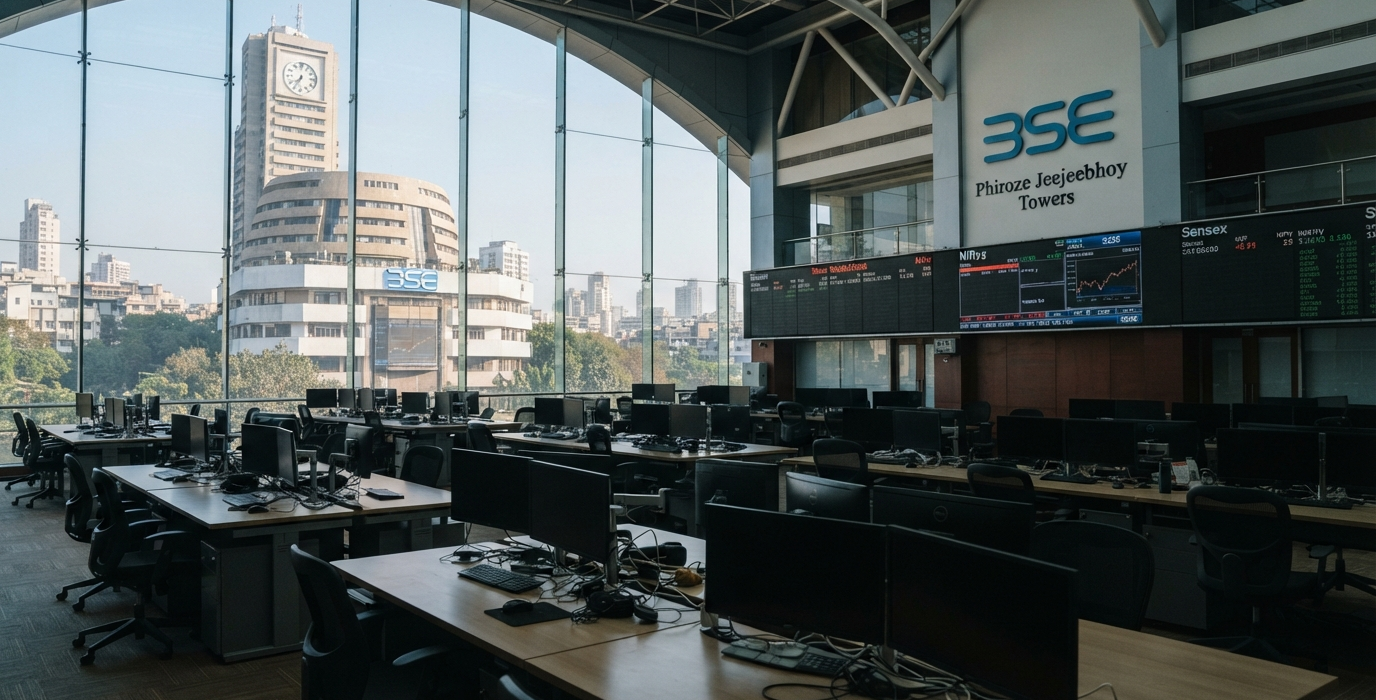
Planning your investment moves for the remainder of 2026 requires more than just tracking market indices; it means knowing exactly when the trading floor goes quiet. Whether you are a day trader in Mumbai or a long-term investor in Bengaluru, missing a holiday window can disrupt your liquidity and settlement schedules.
Key Takeaways
- The Bombay Stock Exchange (BSE) and National Stock Exchange (NSE) maintain a synchronized calendar for equity and derivative segment closures.
- Investors must account for settlement cycles (T+1) which are affected by mid-week holidays that may cause unexpected delays in fund withdrawals.
- The 2026 calendar includes several national observances and specific regional banking holidays that necessitate market-wide trading halts.
- Electronic Communication Network (ECN) trading remains unavailable during these official holidays, unlike in some international markets that offer limited holiday sessions.
Understanding the 2026 Trading Calendar
Navigating the Indian stock market requires a firm grasp of the official closure dates set by the exchanges. The Bombay Stock Exchange (BSE) and the National Stock Exchange (NSE) align their holiday schedules to ensure market uniformity across the country. In 2026, the exchanges have confirmed a series of closures spanning both national holidays and specific observances.
As an investor, you should note that these holidays apply specifically to the Equity, Derivative, and Securities Lending and Borrowing (SLB) segments. While international markets like the NYSE or the LSE might operate on different holiday protocols, the Indian exchanges strictly adhere to the list published by the National Stock Exchange of India.
One surprising fact many new investors miss is that the market does not observe all bank holidays. While your local bank branch might be closed for a regional festival, the stock exchange often remains open unless the holiday is designated as a national trading holiday by the regulators. Always verify your trading plans against the official exchange circulars rather than your local bank’s holiday list.
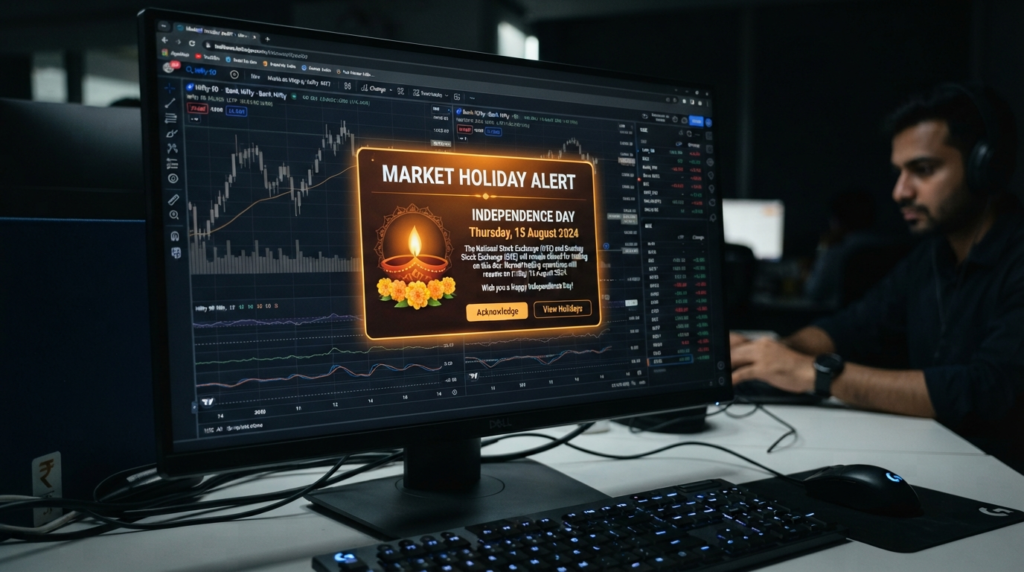
Impact of Market Closures on Settlement Cycles
The transition to the T+1 settlement cycle in India has significantly improved liquidity, but it also makes market holidays more impactful for your cash flow. If you sell stocks just before a holiday, your funds may not hit your demat-linked bank account until the market resumes operations. This delay is often confused by beginners as a technical glitch, but it is merely the standard clearing cycle functioning around the holiday gap.
If you are planning to exit a position to fund a large purchase or cover an emergency, you must factor in the Clearing Corporation of India (CCIL) holiday schedule. You can review the operational guidelines at the Clearing Corporation of India to see how these dates influence the final settlement of trades.
If a holiday falls on a Thursday, which is typically the expiry day for weekly derivatives, the exchange usually shifts the expiry to the preceding Wednesday. This prevents a clash between the settlement process and the market closure. Always check the contract notes sent by your broker, as they provide the adjusted expiry dates for the derivatives segment during holiday-heavy months.
Remaining Holidays in 2026
As we progress through the latter half of 2026, there are several key dates where the markets will remain closed. These include significant observances such as Gandhi Jayanti, Diwali, and Guru Nanak Jayanti. Investors should particularly watch for the Diwali Muhurat Trading session, which is a one-hour special session held in the evening.
It is worth noting that the Muhurat Trading session is a symbolic event, and while volumes are generally low, it is culturally significant for the Indian trading community. The exact timing for this session is announced by the exchanges a few days in advance.
Key Upcoming Dates to Remember
- October 02, 2026: Mahatma Gandhi Jayanti
- October 20, 2026: Diwali – Laxmi Pujan (Muhurat Trading)
- November 24, 2026: Guru Nanak Jayanti
- December 25, 2026: Christmas
Be aware that these dates are subject to change if the government modifies the official list of national holidays. The exchanges provide advance notice of any such adjustments through their official circulars.
Comparative Overview: Trading Segments
Investors often wonder if different segments have different holidays. In the Indian ecosystem, both the Equity and the Currency Derivative segments generally share the same holiday list. However, there are nuances regarding the timing of the currency markets.
| Segment | Equity/Derivatives | Currency Derivatives |
|---|---|---|
| Standard Holiday List | Full Market Closure | Full Market Closure |
| Muhurat Trading | Evening Session Only | Usually Closed |
| Settlement Impact | T+1 Cycle | T+1 Cycle |
As seen in the table above, the Currency Derivatives segment often does not participate in the symbolic Muhurat Trading session. If you are a trader who manages both equity and currency positions, ensure your hedging strategy accounts for these differences. You can find detailed specifications regarding segment-wise operations on the Bombay Stock Exchange portal.
Trading is a game of patience and preparation; knowing exactly when the markets are closed is just as important as knowing when to buy. Plan your liquidity needs well ahead of the holiday season to avoid settlement bottlenecks.
How to Manage Your Portfolio During Long Weekends
Long weekends often precede market closures, and they can lead to increased volatility when the market reopens. Because international markets continue to trade, global events can significantly influence the SGX Nifty (now GIFT Nifty) and other global cues, causing a gap-up or gap-down opening on the following trading day.
If you carry overnight positions, consider using stop-loss orders to mitigate risk during these extended breaks. While you cannot modify orders while the exchange is closed, having a pre-set exit strategy helps you manage potential exposure to overnight geopolitical or economic news.
Another useful strategy is to utilize the After Market Order (AMO) feature provided by most Indian brokers. These orders are collected by the broker’s system and pushed to the exchange the moment it reopens, ensuring you aren’t left behind during the initial volatility of a post-holiday morning.
Best Practices for Retail Investors
For the average retail investor, the best approach to market holidays is to keep a digital calendar updated with the official exchange list. Most modern trading apps in India now include a built-in calendar feature that highlights upcoming market holidays.
Always distinguish between National Holidays and Clearing Holidays. A day might be a bank holiday in Maharashtra but a working day for the stock exchange. Conversely, a national holiday will always result in a total market freeze.
Finally, keep an eye on your Margin Requirements. If you are trading on margin, ensure that your account has sufficient funds before a long holiday weekend to cover any potential volatility-driven margin calls that might occur immediately upon the market’s resumption.
Frequently Asked Questions
Can I place orders while the market is closed?
Yes, you can place orders through your broker’s app at any time, including during holidays. These orders are stored in the broker’s system and will be pushed to the exchange as soon as the market opens for the next session.
Are trading holidays the same as banking holidays?
Not necessarily. While many trading holidays coincide with major national bank holidays, the stock exchanges follow a specific list released by the SEBI-regulated bourses. Always check the BSE or NSE official holiday list rather than relying on your local bank’s schedule.
What happens to my open derivative positions during a holiday?
Your open positions remain valid. If the holiday falls on the date of a contract expiry, the exchange will typically adjust the expiry date to the previous trading day. Check your broker’s specific communication for any changes to contract settlement dates.
Is Muhurat Trading compulsory for all investors?
No, Muhurat Trading is entirely optional. It is a one-hour special session held on Diwali, traditionally viewed as an auspicious time to start new investments or make token purchases for the year ahead.