Key Takeaways
- India’s EV market is accelerating, with projections indicating significant growth by 2027, driven by government incentives and falling battery costs.
- The primary hurdle remains widespread, reliable charging infrastructure, especially outside major metros, demanding innovative solutions beyond traditional charging stations.
- Battery swapping technology and smart grid integration are emerging as critical components for overcoming range anxiety and grid strain.
- Consumer adoption is bolstered by an expanding range of affordable EV models, but education on total cost of ownership and maintenance remains key.
The Electric Surge: India’s EV Ambitions Take Hold
The hum of electric vehicles is no longer a distant whisper in India; it’s a growing chorus that’s set to crescendo by 2027. We’re witnessing a monumental shift, propelled by a confluence of factors: ambitious government targets under the National Electric Mobility Mission, plummeting battery prices, and a burgeoning consumer appetite for sustainable transport. Projections from leading industry analysts suggest that by 2027, India’s electric vehicle market could see its share of new vehicle sales reach a significant double-digit percentage, a stark contrast to the nascent stages we’re currently in.
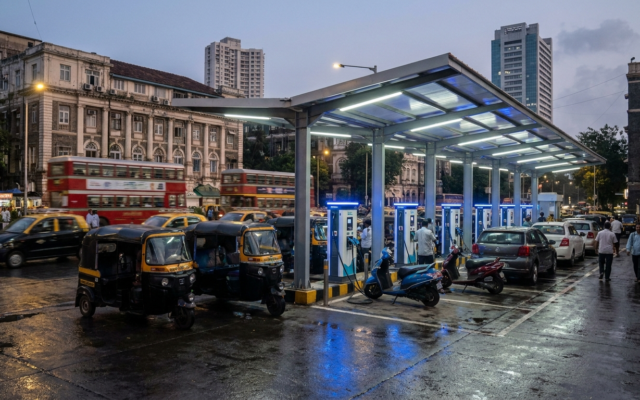
This isn’t just about sedans and SUVs; the electric revolution is already powering two-wheelers and three-wheelers across bustling cities like Delhi and Bengaluru. The sheer volume of these smaller EVs means their charging needs will be a significant, though often overlooked, part of the national infrastructure puzzle. Expect to see a rapid diversification in the types of EVs available, from compact city commuters to larger commercial vehicles designed for last-mile delivery, all aiming to capitalize on the growing demand for cleaner transportation. The future is electric, and India is determined to be at its forefront.
Charging the Nation: The Infrastructure Imperative
The most significant bottleneck in India’s EV journey, the one that keeps many potential buyers awake at night, is undoubtedly charging infrastructure. While major highways and Tier-1 cities are seeing a steady increase in charging points, the vast expanse of our country, including Tier-2 and Tier-3 cities and rural areas, still suffers from a critical deficit. This isn’t just about the number of chargers, but their reliability, speed, and accessibility. Imagine driving from Chennai to Madurai and finding the promised charging station out of order – this is the reality that needs urgent addressing.
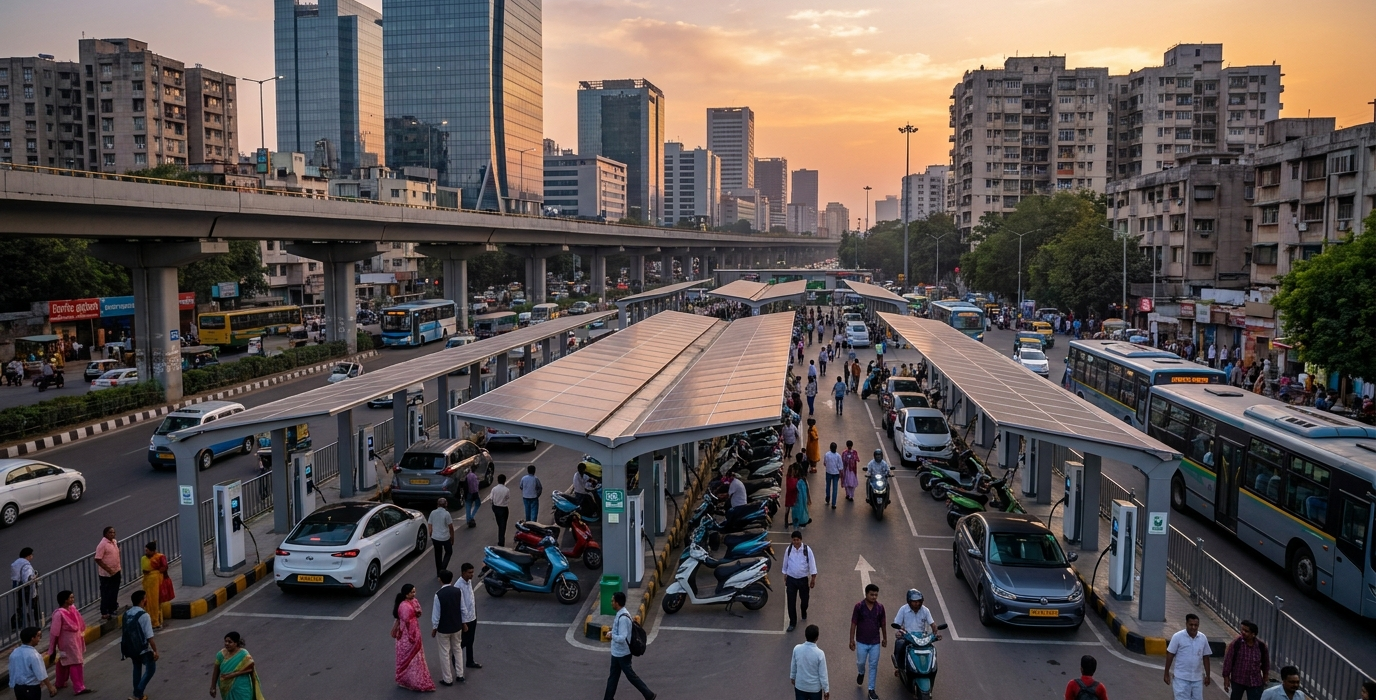
The government and private players are investing heavily, but the pace needs to accelerate dramatically. We’re talking about a network that needs to be as ubiquitous and reliable as petrol pumps are today. This requires a multi-pronged approach: faster charging technologies, greater standardization of charging connectors, and innovative deployment models. Think solar-powered charging stations in remote villages or mobile charging units that can be dispatched to areas with temporary demand spikes. The success of India’s EV dream hinges on our ability to build a robust, accessible, and dependable charging ecosystem across the length and breadth of the nation.
Battery Swapping: A Game Changer for Two and Three-Wheelers
For the dominant segment of India’s EV market – two-wheelers and three-wheelers – battery swapping is emerging as a particularly potent solution. Instead of waiting for a battery to charge, users can simply pull into a designated station and swap their depleted battery for a fully charged one in mere minutes. Companies like Sun Mobility and Bounce are already making significant inroads with this technology, particularly in fleet operations. This drastically reduces downtime for commercial riders, making EVs a more viable and profitable option for them.
This model is particularly effective in urban environments where a dense network of swapping stations can be established. It also has the potential to alleviate grid stress by allowing batteries to be charged during off-peak hours. The government has also recognized its potential, with policy frameworks gradually evolving to support this technology. While the capital investment for setting up swapping infrastructure is substantial, the operational efficiency and enhanced user experience it offers make it a critical piece of the puzzle for mass EV adoption, especially in our bustling cities.
Beyond the Plug: Smart Grids and Energy Management
As the number of electric vehicles on our roads climbs, so does the potential strain on our existing power grids. A sudden surge in demand, particularly during peak hours, could lead to instability and blackouts. This is where the concept of smart grids and intelligent energy management becomes paramount. India needs to move beyond simply adding more charging points; we need to integrate EVs into the grid in a way that benefits both the consumer and the utility provider.
Smart charging technology allows EVs to charge during off-peak hours when electricity is cheaper and demand is lower. Even more exciting is the potential for Vehicle-to-Grid (V2G) technology, where EVs can not only draw power from the grid but also supply it back during peak demand. Imagine your electric car parked at home, not just sitting idle, but actively contributing to grid stability and even earning you money. This requires sophisticated software, communication infrastructure, and regulatory frameworks, but the benefits in terms of grid resilience and cost savings are immense. Pioneers in this space are already demonstrating these capabilities, pointing towards a future where our EVs are active participants in the energy ecosystem.
The Surprising Role of Data Analytics in EV Charging
What’s fascinating is how data analytics is quietly revolutionizing EV charging. Companies are leveraging real-time data on charger usage, battery health, and grid load to optimize charging schedules and station placement. This isn’t just about efficiency; it’s about predicting demand and proactively addressing potential issues. For instance, data can reveal that a particular area experiences a surge in EV charging demand every Friday evening, allowing operators to ensure adequate charger availability.
Furthermore, sophisticated algorithms can predict battery degradation and recommend optimal charging patterns to extend battery life. This not only benefits the EV owner by reducing replacement costs but also contributes to the overall sustainability of the EV ecosystem by maximizing the lifespan of these critical components. The integration of AI and machine learning with charging data is set to create a more intelligent, responsive, and user-friendly charging experience for millions across India.
Consumer Confidence: Affordability and Awareness
While technology and infrastructure are crucial, the ultimate success of India’s EV transition rests on consumer adoption. For years, the perception has been that EVs are prohibitively expensive and impractical for the average Indian household. However, this narrative is rapidly changing. The introduction of more affordable electric scooters and compact cars, coupled with government subsidies and tax benefits, has made EVs increasingly accessible. Companies like Ola Electric and Ather Energy have democratized electric two-wheelers, while Tata Motors has led the charge in electric passenger vehicles.
Beyond the upfront cost, consumers need to be educated about the total cost of ownership (TCO). The lower running costs, reduced maintenance, and government incentives often make EVs cheaper than their internal combustion engine (ICE) counterparts over their lifecycle. A surprising fact is that for many commercial two-wheeler users, the fuel cost savings alone can recoup the initial premium within 12-18 months. Overcoming range anxiety and educating consumers about the benefits are key to building lasting confidence in electric mobility.
The Evolution of EV Models: More Choice, Better Performance
The Indian EV market in 2027 will be vastly different from what we see today. We’re not just talking about a handful of models; expect a diverse portfolio catering to every need and budget. The automotive industry is pouring significant investment into R&D for the Indian market, leading to the development of EVs specifically designed for our unique road conditions and consumer preferences. This includes increased ground clearance, robust suspension systems, and infotainment features tailored for local tastes.
Performance is also on the upswing. Newer battery technologies are offering greater range, faster charging, and improved thermal management, addressing earlier concerns about reliability in extreme climates like Rajasthan’s heat or the Himalayas’ cold. Expect to see more powerful electric motors providing quicker acceleration, making the driving experience more engaging. The competition is fierce, driving innovation and ensuring that consumers will have a wider array of choices, from entry-level urban runabouts to performance-oriented electric SUVs.
The Regulatory Push: Policies Shaping the Future
Government policies have been a cornerstone of India’s EV growth strategy, and this will continue to be the case through 2027 and beyond. Schemes like the Faster Adoption and Manufacturing of Electric Vehicles (FAME India) have provided crucial financial incentives for both buyers and manufacturers, driving down the cost of EVs and encouraging domestic production. These policies are dynamic, adapting to market needs and technological advancements.
We can anticipate further refinements in regulations concerning charging infrastructure deployment, battery manufacturing, and recycling. The push for localization is strong, with initiatives aimed at developing a complete domestic EV ecosystem, from raw materials to finished vehicles. This not only reduces import reliance but also creates significant employment opportunities. A particularly impactful, though often unpublicized, aspect of these policies is the focus on developing robust battery recycling infrastructure. This ensures that as EV adoption grows, the environmental footprint associated with battery disposal is minimized, a critical step for sustainable long-term growth.
India as a Global EV Manufacturing Hub
Leveraging its existing automotive manufacturing prowess and a large, skilled workforce, India is positioning itself as a global hub for electric vehicle and component manufacturing. The government’s Production Linked Incentive (PLI) schemes are actively encouraging both domestic and international players to set up manufacturing facilities within the country. This means not only a wider range of affordable EVs for the Indian consumer but also significant export potential.
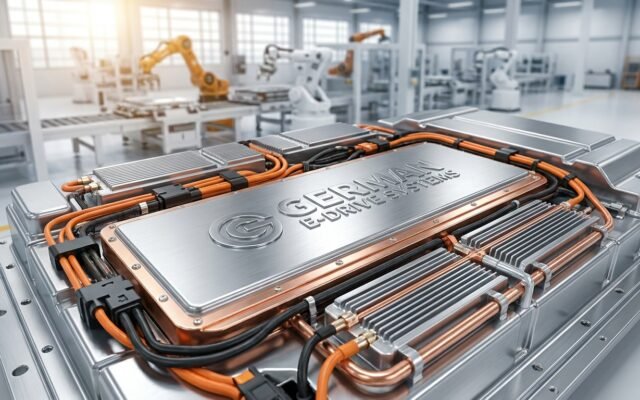
This strategy extends beyond just vehicle assembly. There’s a concerted effort to build a robust supply chain for critical EV components, including batteries, powertrains, and electronics. This vertical integration is crucial for ensuring cost competitiveness and technological self-reliance. By 2027, we expect to see India not just as a major consumer of EVs, but as a significant global producer, exporting advanced electric vehicles and their components to markets worldwide.
Challenges on the Horizon: Navigating the Road Ahead
Despite the optimistic outlook, the path to a fully electrified India by 2027 is not without its challenges. The sheer scale of charging infrastructure required is immense, demanding continuous and significant investment from both public and private sectors. Ensuring grid stability as EV penetration increases will require smart planning and substantial upgrades to power transmission and distribution networks. The integration of renewable energy sources into the charging infrastructure will also be critical for truly sustainable mobility.
Another significant hurdle is the availability and cost of raw materials for battery production, such as lithium and cobalt. India is heavily reliant on imports for these materials, making the supply chain vulnerable to geopolitical factors and price volatility. Developing domestic sources or securing long-term supply agreements will be crucial. Furthermore, skilled manpower for manufacturing, maintenance, and R&D in the EV sector needs to be consistently developed and nurtured. Addressing these multifaceted challenges will require sustained focus, strategic partnerships, and relentless innovation.
The Unforeseen Impact: EV’s Role in India’s Climate Goals
The electric vehicle revolution in India is intrinsically linked to the nation’s ambitious climate change mitigation targets. By transitioning to electric mobility, India aims to significantly reduce its carbon emissions from the transport sector, which is a major contributor to air pollution and greenhouse gas emissions. The widespread adoption of EVs, powered increasingly by renewable energy sources, will directly contribute to cleaner air in our cities, improving public health and reducing the burden of respiratory illnesses.
Beyond direct emissions reduction, the shift to EVs can also spur innovation in related green technologies, such as battery recycling and smart grid management. This creates a ripple effect, driving a broader transition towards a more sustainable economy. The success of India’s EV mission by 2027 will not only redefine its transportation landscape but also play a pivotal role in its journey towards achieving net-zero emissions and becoming a leader in the global fight against climate change.
Frequently Asked Questions
Will electric car prices in India drop significantly by 2027?
Yes, we expect prices to continue their downward trend due to falling battery costs, increased localization of manufacturing, and greater competition among manufacturers. While exact figures are difficult to predict, the total cost of ownership will become increasingly favorable compared to petrol or diesel vehicles.
Is India’s electricity grid ready for widespread EV adoption by 2027?
While significant upgrades are underway, the grid’s readiness will vary by region. Smart charging solutions, V2G technology, and the integration of renewable energy are key to managing the increased load. Expect continued investment and policy focus on strengthening the grid infrastructure.
What are the biggest challenges for EV charging infrastructure in rural India?
The primary challenges are the lack of reliable power supply, lower population density making profitability difficult for charging station operators, and the higher upfront cost of installation in remote areas. Innovative solutions like solar-powered charging and battery swapping are being explored to address these issues.
How does battery swapping compare to traditional charging for Indian consumers?
Battery swapping offers much faster refueling times, making it ideal for commercial fleets and users who need to minimize downtime. Traditional charging offers more flexibility for home charging and longer-range travel, but requires more patience. For many in India, especially two and three-wheeler users, swapping is proving to be a more practical and cost-effective solution for daily use.