It’s 7 AM on a crisp November morning in Munich. Outside, the Bavarian Alps are dusted with early snow. It’s a familiar, comforting sight. Inside, your smart home gently wakes you. No jarring alarms here. Just a gradual increase in light, mimicking the sunrise. A soft aroma of freshly brewed coffee wafts through the air. This isn’t science fiction. It’s the reality being shaped by German engineers. They are pushing the boundaries of what we expect from our homes. But beyond mere convenience, these innovations are quietly revolutionizing how we interact with energy. They are making our homes not just smarter, but more responsible.
Key Takeaways:
- German smart home tech is leading with a focus on energy efficiency and grid integration.
- These systems offer advanced security features beyond basic convenience.
- Understanding the role of European standards like EN 50549 is crucial for seamless integration.
- New innovations are making smart home technology more accessible and intuitive for the average German household.
- The future of German smart homes is deeply intertwined with the evolution of renewable energy and smart grids.
The Dawn of the Connected German Household
The image of a German home often conjures up ideas of solidity. Efficiency is paramount. Meticulous planning is a given. Think of a well-ordered Altbau apartment in Berlin. Or a modern Einfamilienhaus in the quiet suburbs of Stuttgart. For decades, these homes have been built with a deep respect for quality. Longevity is key. Now, that same ethos is being applied to the digital realm. This is creating a new generation of smart homes. They are not just connected; they are deeply intelligent. We’re moving beyond simple voice commands to control lights. Today’s German smart home innovations are focused on predictive analysis. Proactive energy management is vital. An almost symbiotic relationship with the broader energy infrastructure is emerging.
Consider the humble thermostat. In a traditional home, it’s a simple dial. In a German smart home, it’s the brain of your heating system. It learns your patterns. It predicts weather changes. It communicates with your energy provider. Companies like Tado°, headquartered in Munich, have been at the forefront of this evolution. Their smart thermostats don’t just learn your schedule. They use geo-location to understand when you’re home or away. This means your heating isn’t running unnecessarily when you’re out. Perhaps you’re on a weekend trip to the Black Forest. It’s a subtle but significant shift. This translates into tangible savings on your Stromrechnung (electricity bill). It also means a reduced carbon footprint. This proactive approach to energy consumption is a hallmark of German engineering. It’s now seeping into our living rooms and kitchens. The focus isn’t just on making life easier. It’s on making it more sustainable. A recent study by the Fraunhofer Institute indicated that intelligent heating control systems could reduce household energy consumption by up to 15% annually. This is a staggering figure when scaled across millions of homes. This isn’t just about comfort. It’s about responsible living. That’s a core tenet in Germany.
Beyond Convenience: Security and Privacy in the German Digital Home
While the allure of automated blinds is undeniable. Voice-activated entertainment systems are a draw. The most profound advancements in German smart homes lie in areas that often cause concern. Security is one. Privacy is another. In a country with a strong historical emphasis on data protection. German tech developers are approaching smart home security with rigor. It’s an almost paternalistic attention to detail. This isn’t about adding a few extra cameras. It’s about building comprehensive, multi-layered security systems. They are designed to be robust. User-centricity is paramount. This ensures your personal data remains just that – personal.
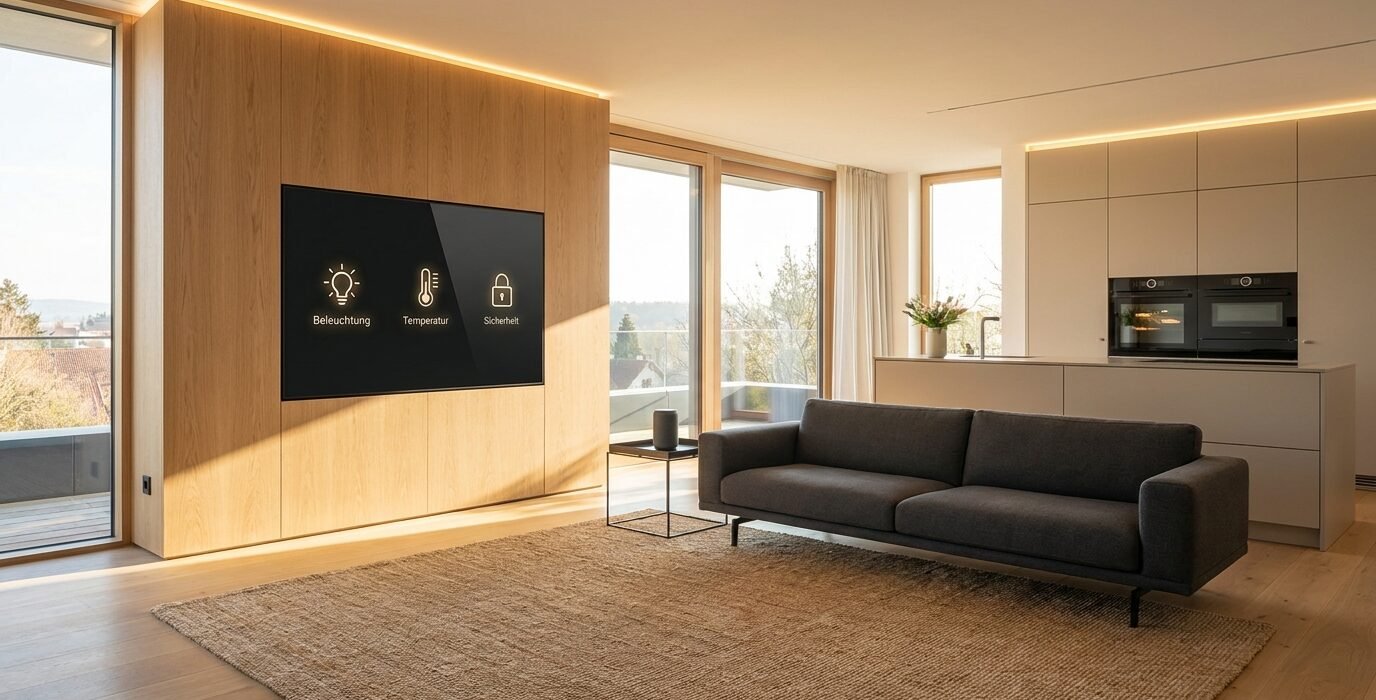
Take, for instance, the work being done by companies like Gira. This is a family-owned business with roots in Radevormwald. They are pioneers in integrated building systems. They offer solutions that go far beyond mere connectivity. Their systems allow for sophisticated control of lighting. Blinds, heating, and ventilation are all managed. A unified interface is used. But crucially, they also incorporate advanced security features. Imagine receiving an alert on your smartphone. Not just that a door has been opened. But an analysis of which door, when, and whether it was done with a valid code or key. Or consider motion detectors. They can differentiate between a pet and a potential intruder. This prevents false alarms that plague less sophisticated systems. This level of detail is born from a deep understanding of user needs. It stems from a commitment to preventing the very vulnerabilities that often plague connected devices. According to a recent cybersecurity report by Bitkom, the German digital association, while the adoption of smart home technology is rapidly increasing, so too is the awareness of its security implications. This has driven manufacturers to prioritize end-to-end encryption. Secure authentication protocols are essential. This ensures that your home network remains a fortress, not an open door. The integration of biometric security, such as fingerprint scanners for door access, is also becoming more common. This adds another layer of physical and digital security. It feels distinctly German in its thoroughness. It’s about providing peace of mind. Not just a gadget.
The Smart Grid Connection: Powering the Future
The true revolution isn’t just within the four walls of your home. It’s how your smart home interacts with the wider energy ecosystem. Germany, with its ambitious Energiewende (energy transition) goals, is a natural testing ground for smart grids. These grids are the nervous system of a modern energy supply. They are capable of dynamically managing the flow of electricity. This is especially important as it becomes increasingly reliant on intermittent renewable sources. Solar and wind power are key examples. German smart home technology is designed to be an active participant in this ecosystem. It is not just a passive consumer.
This integration is facilitated by adherence to European standards. EN 50549 is one such standard. This standard, for example, defines the requirements for the grid connection of generators. This includes small-scale renewable energy systems typically found in homes, like rooftop solar panels. Smart home energy management systems, often integrated into inverter technology or dedicated home energy hubs, can communicate with the grid operator. This means your home can intelligently decide when to store excess solar power generated during the day in a home battery system. It can decide when to discharge that power back to the grid during peak demand hours. It can even decide when to schedule high-energy tasks, like charging an electric vehicle, for times when electricity is cheaper and the grid is less stressed. Companies like SMA Solar Technology, based in Niestetal, are instrumental in this space. Their Sunny Home Manager, for instance, acts as a central control unit. It optimizes energy flows between the solar PV system, battery storage, the home’s consumption, and the public grid. It’s a complex dance. Choreographed by algorithms designed to maximize both economic benefit for the homeowner and grid stability for the nation. This intelligent interaction is vital. By 2030, Germany aims to have at least 80% of its electricity from renewable sources. Without smart homes actively participating in grid management, this ambitious target would be significantly harder to achieve. It transforms your home from a simple point of consumption into a distributed energy resource. A vital component of a sustainable future.
Innovative Interfaces and Intuitive Control
For years, the perceived complexity of smart home technology was a significant barrier to widespread adoption. Setting up devices felt daunting. Creating complex routines was a challenge. Troubleshooting issues seemed like a task for IT professionals. Not the average Hausfrau or Hausmann. However, German innovators are now prioritizing user experience. They are making sophisticated technology accessible. Even enjoyable to use. The focus is on intuitive interfaces. Natural language processing is key. This ensures that controlling your home feels as effortless as flipping a light switch. But with vastly more power.
Think about the evolution of smart speakers and hubs. While Amazon Echo and Google Home have global reach. German companies are developing their own ecosystems. They are also ensuring seamless integration. This is with a focus on local needs and privacy. For example, some German smart home systems are designed to operate entirely offline for core functions. They require internet connectivity only for updates or remote access. This is a significant reassurance for privacy-conscious users. The development of advanced natural language understanding allows for more complex commands. Instead of saying, “Turn on the living room light.” You might be able to say, “Make it cozy in the living room.” The system, understanding your preferences, would dim the lights. It would adjust the temperature slightly. It might even activate a smart fireplace. Companies like Busch-Jaeger, part of ABB, are integrating sophisticated control panels and apps. They offer a visually appealing and highly customizable user experience. Their KNX-based systems, a global standard for building automation, allow for intricate scene setting. You could have a “Morning Scene.” This would gradually open blinds. It would start the coffee maker. It would play your favorite news podcast. All triggered by a single command or a pre-set time. This shift towards anticipatory and context-aware control is what truly defines the next wave of smart homes. It’s about the technology fading into the background. Working seamlessly to enhance your life without demanding constant attention. The data gathered from these interactions, when handled responsibly, also allows for personalized energy savings. Improved comfort over time is a benefit. This creates a virtuous cycle of smart home evolution.
The Rise of AI-Powered Efficiency and Predictive Maintenance
The integration of Artificial Intelligence (AI) into German smart home technology is no longer a futuristic concept. It’s a present-day reality. This is driving unprecedented levels of efficiency and predictive capability. AI algorithms are moving beyond simple rule-based automation. They are truly learning and adapting to individual household needs and patterns. This allows for a level of optimization that was previously unimaginable. It’s transforming homes into proactive, self-managing environments. We are seeing AI not just control devices. It is anticipating needs. It is even predicting potential problems before they arise. This is a distinctly German approach to engineering excellence.
Consider the implications for energy management. AI-powered systems can analyze historical energy consumption data. They can process weather forecasts. They can even use real-time electricity prices. This allows for incredibly granular decisions about energy usage. For instance, an AI might learn that on Tuesdays, you tend to do laundry in the afternoon. If it also detects that electricity prices are predicted to be significantly lower in the early morning, it can intelligently reschedule your washing machine to run then. This saves you money. It also eases the load on the grid during peak times. This intelligent scheduling is a significant departure from simple timers. Furthermore, AI is beginning to play a crucial role in predictive maintenance. Sensors embedded within smart appliances can monitor their operational parameters. They look for subtle anomalies. These might indicate an impending failure. Instead of waiting for a washing machine to break down catastrophically, an AI system might detect unusual vibration patterns. It can alert you. It can suggest a service appointment. This not only prevents inconvenience. It also extends the lifespan of your appliances. This aligns with Germany’s strong emphasis on sustainability. Reducing waste is a priority. Companies like Viessmann, a global leader in heating and climate solutions, are integrating AI into their systems. They optimize boiler performance. They identify potential issues. Their approach demonstrates a commitment to long-term reliability and efficiency. This ensures that your investment in smart technology continues to pay dividends for years to come. The sheer volume of data collected by these smart homes, when anonymized and aggregated responsibly, provides invaluable insights for further innovation. This pushes the boundaries of what’s possible.
Embracing the Future: Challenges and Opportunities for German Homes
While the advancements in German smart home technology are truly impressive. The journey towards a fully integrated and universally adopted ecosystem isn’t without its challenges. The primary hurdles often revolve around interoperability. The digital divide is another concern. Ensuring that devices from different manufacturers can communicate seamlessly remains a work in progress. Even with established standards like Matter emerging. Furthermore, the cost of entry for some of these advanced systems can still be a barrier. This is for many households, particularly in regions with lower average incomes. However, the opportunities presented by this technological shift are immense. They promise a future where homes are not just comfortable and convenient. They will also actively contribute to a more sustainable and resilient energy landscape.
The ongoing development of open standards is crucial. The increasing competition among manufacturers is steadily driving down costs. It is also improving compatibility. The German government, through initiatives aimed at promoting digitalization and the Energiewende, is actively supporting the infrastructure and research needed to overcome these obstacles. Moreover, the cultural acceptance of technology as a tool for both personal benefit and societal good is strong in Germany. This creates a fertile ground for further innovation and adoption. The concept of the “prosumer” – a consumer who also produces energy – is becoming increasingly relevant. Smart home technology is the key enabler of this shift. Imagine your home not only managing its own energy needs efficiently. It could also contribute to local energy communities. It could support grid stability during critical periods. This vision is closer than ever. The ongoing dialogue between consumers, manufacturers, and policymakers will be crucial in shaping this future. For example, discussions around data ownership and ethical AI usage are vital. This is to ensure that the benefits of smart homes are realized without compromising individual privacy or autonomy. The story of the German smart home is still being written. But it’s a narrative of innovation, responsibility, and a deep-seated commitment to building a better, more sustainable future. This is happening one connected home at a time.