Key Takeaways
- Sikkim offers a wealth of hidden gems beyond the popular Gangtok and Pelling, perfect for those seeking tranquility and stunning natural beauty in 2026.
- Explore the pristine landscapes of North Sikkim, including the ethereal Yumthang Valley and the high-altitude lakes around Lachung.
- Discover the cultural heart of West Sikkim with visits to ancient monasteries and the breathtaking views from Uttarey.
- Venture into the less-trodden paths of South Sikkim, experiencing its unique blend of Buddhist culture and rural charm near Namchi.
- Consider East Sikkim’s serene monasteries and panoramic vistas, including the Nathula Pass (with necessary permits) for a truly elevated experience.
- Embrace responsible tourism in 2026 by respecting local customs, minimizing your environmental footprint, and supporting local economies.
Beyond the Usual Suspects: Sikkim’s Evolving Allure
As 2026 unfolds, India’s tourism landscape is rapidly evolving, with travellers increasingly seeking experiences that offer genuine connection and escape. Sikkim, the jewel of the Himalayas, continues to captivate hearts with its majestic peaks and serene valleys. While Gangtok and Pelling remain beloved destinations, a new wave of exploration is uncovering Sikkim’s more secluded treasures. We’re talking about places where the air is crisper, the silence is profound, and the vistas are simply breathtaking.
This year, consider veering off the beaten path to discover hamlets that whisper tales of ancient traditions and landscapes untouched by mass tourism. These hidden corners offer an authentic glimpse into Sikkimese life, a chance to reconnect with nature, and an opportunity to create memories that resonate long after you’ve left. From emerald valleys blooming with rhododendrons to glacial lakes reflecting the azure sky, Sikkim’s lesser-known destinations are waiting to be explored.
North Sikkim’s Untamed Majesty: Valleys and Lakes
North Sikkim is synonymous with jaw-dropping natural beauty, and in 2026, its allure is stronger than ever. The journey itself, often a bumpy but rewarding adventure, leads you through dramatic mountain passes and past gushing rivers. The star attraction, undoubtedly, is the Yumthang Valley, often dubbed the ‘Valley of Flowers’.
By late spring and early summer, Yumthang transforms into a riot of colour, with thousands of wildflowers carpeting the meadows. But its charm extends far beyond this seasonal spectacle. Even in the cooler months, the hot springs offer a welcome respite, and the surrounding snow-capped peaks provide a dramatic backdrop. Further north lies Lachung, a picturesque village that serves as a gateway to even more remote wonders like the Shingba Rhododendron Sanctuary and the stunning Zero Point (Mata-dung).
A surprising fact: While Yumthang is famous for its flowers, the valley’s unique ecosystem also supports a variety of medicinal herbs, highly valued by local communities for centuries.
The Road to Zero Point
The drive to Zero Point, often undertaken from Lachung, is an experience in itself. As you ascend, the vegetation thins, and the landscape becomes starkly beautiful, dominated by rocks and alpine meadows. The air grows thin, and the views become panoramic, stretching across rugged mountain ranges. Reaching Zero Point offers a sense of profound isolation and awe, a true communion with the raw power of nature. Remember, permits are essential for this region, and it’s advisable to hire local guides and drivers who are familiar with the terrain and weather conditions.
West Sikkim’s Serene Sanctuaries and Panoramic Vistas
West Sikkim, often overlooked in favour of its more accessible neighbours, holds a special place for those seeking spiritual solace and unparalleled mountain views. The region is dotted with ancient monasteries, each with its own unique history and architectural splendour. Pemayangtse Monastery, one of the oldest and most important in Sikkim, offers a glimpse into the rich Buddhist heritage. Its intricate murals and ancient relics are a testament to its enduring significance.
Beyond the monasteries, the landscapes here are breathtaking. The Kanchenjunga range, the third-highest mountain in the world, often forms a majestic backdrop to the verdant valleys and rolling hills. Uttarey, a small village nestled in a valley, is a particularly enchanting spot. It’s renowned for its beautiful meadows, glacial lakes, and the Kali Dunga waterfall. The trek from Uttarey to the Phalut viewpoint offers arguably the most spectacular panoramic views of Kanchenjunga and its surrounding peaks.
A lesser-known gem in West Sikkim is the Rabdentse Ruins, the second capital of the former Kingdom of Sikkim. Exploring these historical remnants amidst the serene environment offers a poignant connection to the state’s past.
Trekking Trails and Local Encounters
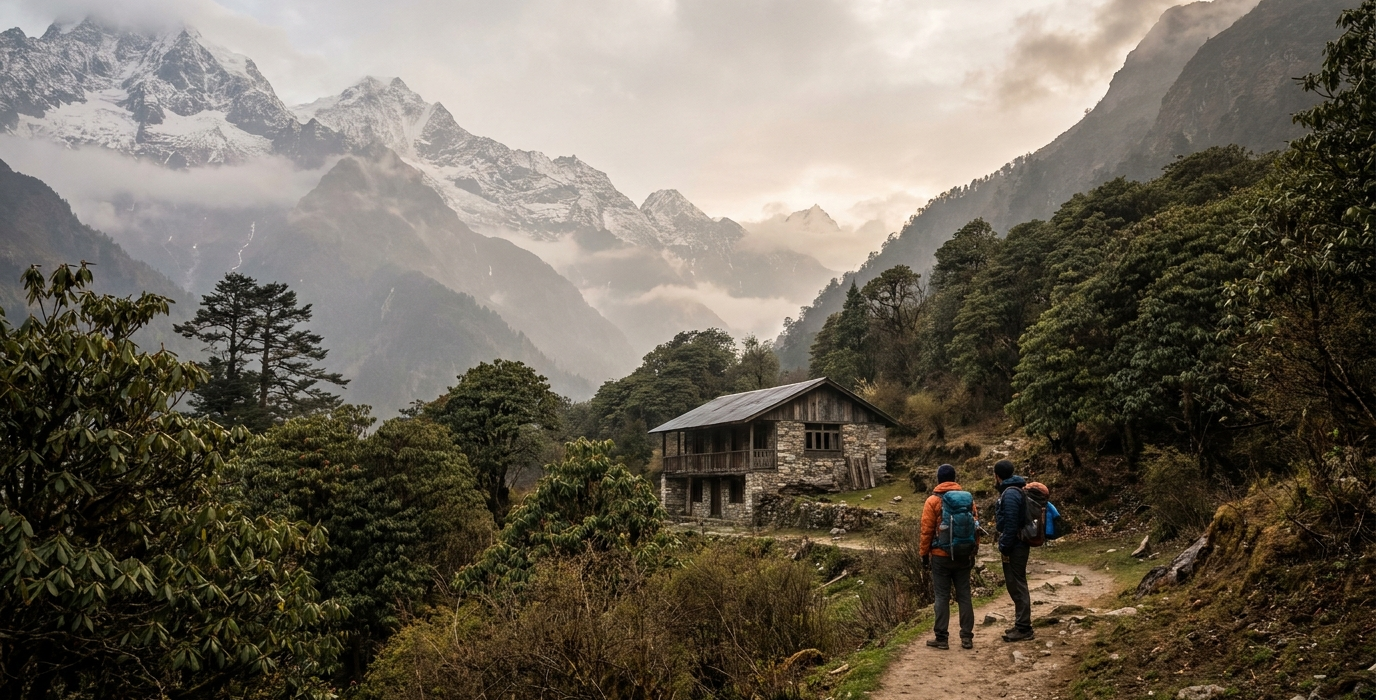
For trekkers, West Sikkim presents a myriad of opportunities, from day hikes to multi-day expeditions. Trails wind through rhododendron forests, past sparkling streams, and offer encounters with local villagers living a traditional way of life. These interactions are often the most cherished moments of a trip, providing insights into Sikkimese hospitality and resilience. Engaging with local communities, perhaps by sampling home-cooked meals or learning about their farming practices, enriches the travel experience immeasurably.
South Sikkim’s Cultural Tapestry and Rural Charms
South Sikkim offers a delightful contrast to the high-altitude drama of the north and west. This region is known for its gentler landscapes, fertile valleys, and a unique blend of Buddhist and Hindu cultures. Namchi, the district headquarters, is a significant pilgrimage centre, home to the colossal Char Dham complex. This sprawling site features replicas of the four most revered Hindu dhams (pilgrimage sites) in India, along with a towering statue of Lord Shiva.
Beyond Namchi, the South offers a chance to explore rural Sikkim. Villages like Borong and Kewzing provide a glimpse into agricultural life. Here, you can witness traditional farming methods, interact with local communities, and perhaps even stay in a homestay for an immersive experience. The Tendong Hill, a sacred site for the Lepcha people, offers a moderate trek and panoramic views of the surrounding plains and the distant Kanchenjunga.
The Ralang Monastery, also in South Sikkim, is another important spiritual centre, known for its annual festival which attracts devotees from far and wide.
The Significance of Tendong Hill
Tendong Hill is more than just a scenic viewpoint; it holds deep cultural and historical significance for the indigenous Lepcha community. According to legend, the hill emerged from the ground to save the Lepchas from a great flood. Pilgrims visit Tendong to offer prayers and seek blessings. The trek to the summit is considered a spiritual journey, and the panoramic vistas from the top, especially at sunrise or sunset, are truly mesmerising.
East Sikkim: Monasteries, High Passes, and Panoramic Vistas
East Sikkim presents a compelling mix of spiritual tranquillity and dramatic high-altitude landscapes. While it houses the bustling capital, Gangtok, its true charm for the offbeat traveller lies in its surrounding monasteries and high mountain passes. The ancient Rumtek Monastery, one of the most significant seats of Tibetan Buddhism in the world outside Tibet, is a must-visit. Its vibrant murals, sacred relics, and the serene atmosphere make it a profound experience.
For those seeking adventure and unparalleled views, the journey towards Nathula Pass (subject to permit regulations and road conditions in 2026) is an unforgettable experience. This high-altitude pass on the Indo-Tibetan border offers a glimpse into a unique geopolitical landscape and breathtaking vistas of the surrounding Himalayan ranges. Even if you can’t reach Nathula, the drive through the scenic Changgu (Tsomgo) Lake area is spectacular. The lake itself, a glacial beauty, changes its hue with the seasons and is considered sacred by locals.
A surprising fact: The road to Nathula Pass is one of the highest motorable roads in the world, and its construction and maintenance in such extreme conditions are an engineering marvel.
Navigating the Tsomgo Lake Region
Tsomgo Lake is a magnet for visitors, and rightly so. The journey from Gangtok involves winding roads with stunning views at every turn. The lake, situated at an altitude of over 12,000 feet, is often surrounded by snow-capped mountains. You can enjoy a yak ride around the lake or simply soak in the magnificent scenery. However, it’s crucial to be prepared for the altitude. Acclimatisation is key, and carrying appropriate clothing for the cold and wind is essential.
Sustainable Exploration: Responsible Travel in Sikkim
As we encourage you to explore Sikkim’s hidden corners in 2026, it’s paramount to do so responsibly. Sikkim has been a pioneer in promoting organic farming and environmental conservation, and this ethos extends to its tourism. When you venture into these pristine landscapes, remember that you are a guest. Respect local customs and traditions; dress modestly when visiting monasteries and interacting with communities.
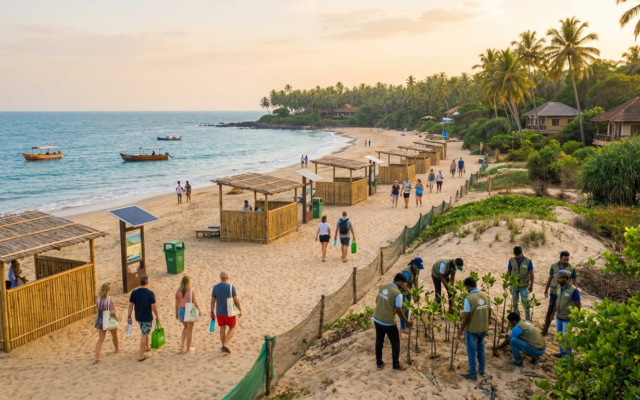
Minimizing your environmental footprint is crucial. Opt for reusable water bottles, avoid single-use plastics, and dispose of waste properly. Support local economies by choosing homestays, eating at local eateries, and purchasing handicrafts directly from artisans. By embracing responsible tourism, you not only ensure the preservation of Sikkim’s natural and cultural heritage but also contribute to the well-being of its people.
This mindful approach ensures that these beautiful destinations remain pristine for future generations and that your visit leaves a positive impact.
The Homestay Advantage
Choosing a homestay in Sikkim offers a unique opportunity to experience local life firsthand. You’ll be welcomed into family homes, share meals, and gain a deeper understanding of Sikkimese culture. This direct interaction fosters genuine connections and provides invaluable insights that you wouldn’t get from a standard hotel. Moreover, your stay directly supports local families and encourages the preservation of traditional livelihoods.
Frequently Asked Questions
What are the best offbeat destinations in Sikkim for 2026?
For 2026, consider exploring places like Uttarey in West Sikkim for its serene beauty and trekking opportunities, the remote villages around Lachung in North Sikkim for their raw natural charm, or the culturally rich hamlets of South Sikkim like Borong and Kewzing for an authentic rural experience. East Sikkim also offers serene monasteries and stunning landscapes beyond the popular tourist circuits.
Are permits required for North Sikkim in 2026?
Yes, permits are generally required for visiting most areas of North Sikkim, including popular spots like Yumthang Valley and Lachung. These permits are usually arranged by your tour operator or hotel in Gangtok. For areas like Zero Point or further restricted regions, specific permits might be needed, which your local contacts will assist with.
What is the best time to visit Sikkim’s offbeat destinations?
The best time to visit Sikkim’s offbeat destinations depends on your interests. For blooming flowers in Yumthang Valley, aim for March to May. For clear mountain views and trekking, September to November is ideal. Winter (December to February) offers a snow-clad wonderland, though some higher passes might be inaccessible.
How can I travel responsibly in Sikkim?
To travel responsibly, minimise plastic use, carry a reusable water bottle, and dispose of waste properly. Respect local customs and dress modestly when visiting religious sites. Support local businesses by staying in homestays, eating at local restaurants, and buying authentic handicrafts. Always follow eco-friendly trekking practices.