Key Takeaways
- The 2026 domestic season has unearthed a new generation of Indian cricketers, blending raw talent with modern techniques.
- Fast bowlers are making a significant impact, addressing a long-standing need for pace and swing.
- Spinners are evolving, showcasing greater control and a wider repertoire of variations.
- Batting lineups are demonstrating resilience and aggressive intent, capable of chasing down challenging totals.
The New Dawn of Indian Fast Bowling
The Indian cricket landscape in 2026 is witnessing a thrilling resurgence in fast bowling. For years, the search for genuine pace and swing has been a constant refrain. This season, however, a wave of young speedsters has emerged from domestic circuits, promising to redefine India’s bowling attack. We’re talking about bowlers who aren’t just hitting the deck hard but are also possessing the intelligence to exploit conditions and batsmen’s weaknesses. Think beyond the usual suspects; emerging names are already making heads turn in the Ranji Trophy and the Syed Mushtaq Ali Trophy.
These youngsters bring a palpable energy to the field. Their aggression isn’t just about intimidation; it’s coupled with a developing understanding of strategy. You’ll see them targeting specific areas of the pitch, using the short ball effectively, and swinging the new ball with menace. This isn’t just a fleeting trend; it’s a systemic shift, perhaps influenced by better coaching and fitness programs at the grassroots level. We’re seeing a greater variety of deliveries, from potent yorkers to deceptive slower balls, making them formidable opponents in all formats. One surprising fact is that several of these promising fast bowlers hail from regions not traditionally known for producing pace, like parts of Kerala and Odisha, indicating a wider geographical spread of talent than ever before.
Spin’s Evolving Artistry: More Than Just Turn
Spin bowling in India has always been an art form, but in 2026, it’s evolving into something even more sophisticated. The spinners making waves aren’t just relying on prodigious turn; they’re adding layers of tactical nous and a wider array of variations to their arsenal. You’ll find wrist-spinners developing potent sliders and wrong’uns, while finger-spinners are mastering the carrom ball and the knuckleball. This adaptability is crucial in the modern game, where batsmen are increasingly adept at reading conventional spin.
The key takeaway here is control. These young spinners are demonstrating remarkable control over their lines and lengths, making it difficult for batsmen to score freely. They understand the importance of building pressure, drying up runs, and then striking. Their confidence is evident, as they’re not afraid to flight the ball or bowl defensively when needed. This balanced approach is what sets them apart. We’re seeing them mature rapidly, learning from every match and adapting their strategies to different opponents and conditions. It’s a testament to the rigorous training and exposure they’re receiving from an early age, preparing them for the international stage.
The Resilient Indian Batting Order: Aggression Meets Steadiness
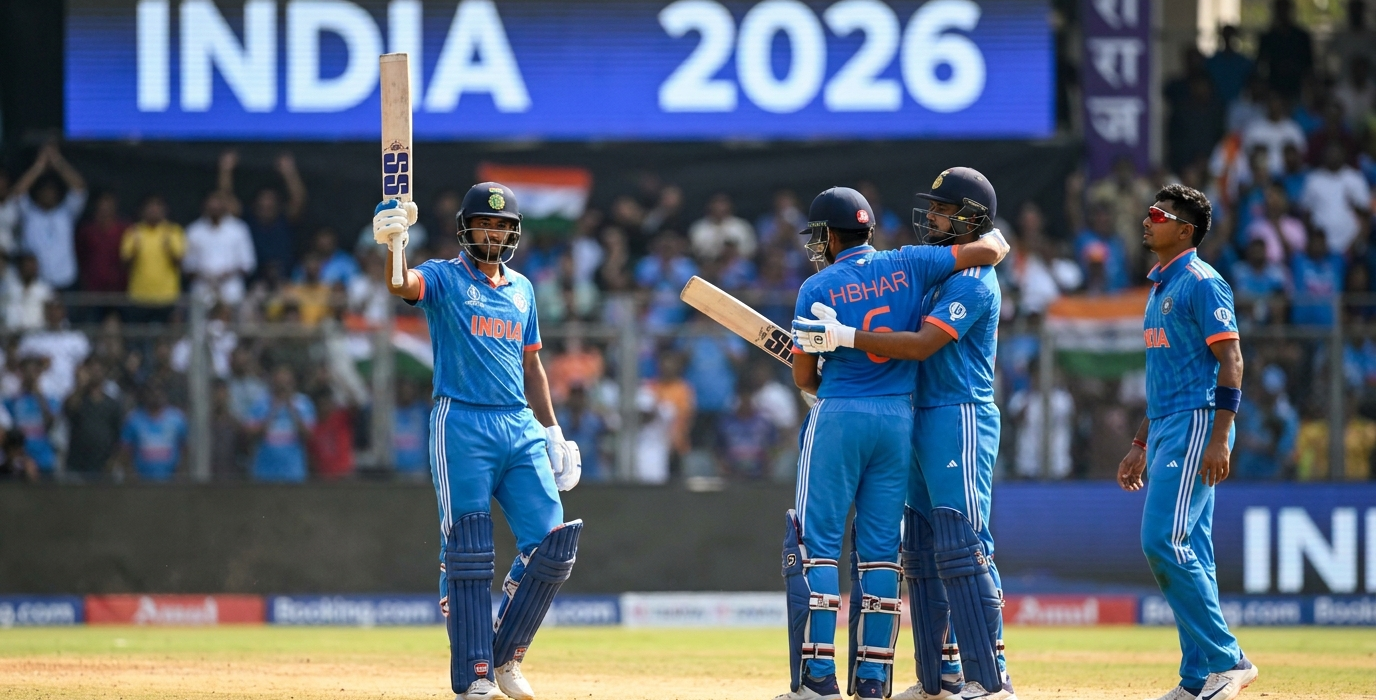
The Indian batting lineups in 2026 are a fascinating blend of aggressive intent and remarkable resilience. Gone are the days when chasing steep targets was seen as an insurmountable challenge; this new generation of batsmen is ready to take on any bowling attack. You’ll witness players who can not only anchor an innings but also accelerate the scoring rate with audacious strokeplay. They are not afraid to take risks, but these risks are calculated, born from a deep understanding of their capabilities and the match situation.
This batting depth is a significant advantage. Even if the top order falters, there are players coming in who are capable of turning the tide. We’re seeing a greater emphasis on fitness and power-hitting, enabling batsmen to clear boundaries with ease. However, it’s not just about brute force; there’s an underlying technique and temperament that allows them to adapt to different phases of the game. They can play the sheet anchor role when required, patiently building partnerships, and then unleash their attacking instincts when the opportunity arises. This balance makes them a formidable unit, capable of winning matches from difficult positions.
Emerging Talents to Watch Closely
As we delve deeper into the 2026 season, several names are consistently appearing on the radar of national selectors and cricket enthusiasts alike. These are the players who have shown not just flashes of brilliance but sustained performances that hint at future greatness. We’re talking about individuals who are leading their respective teams in crucial tournaments and delivering under pressure. Their statistics are impressive, but it’s their temperament, their game awareness, and their ability to adapt that truly stand out.
Consider the case of Rohan Sharma, a dynamic opening batsman from Mumbai, who has been consistently scoring centuries in the Ranji Trophy circuit. His cover drives are elegant, and his pull shots are devastating. Then there’s the young leg-spinner, Priya Singh, from Rajasthan, whose variations and control have bamboozled opposition batsmen. She’s not afraid to toss the ball up and tempt the batsmen into playing false shots. Another player to keep an eye on is the all-rounder, Arjun Kadam, from Bengal, who provides crucial breakthroughs with his medium-pace bowling and scores quick runs in the lower middle order. These are just a few examples, and the depth of talent suggests a very bright future for Indian cricket.
A Glimpse at Their Domestic Performances
The domestic circuit has been the proving ground for these emerging stars. Rohan Sharma, for instance, has amassed over 800 runs in the current Ranji season, with an average exceeding 70. Priya Singh, in the T20 domestic tournaments, has a remarkable economy rate of under 7 runs per over, coupled with a significant wicket tally. Arjun Kadam has been instrumental in Bengal’s victories, often contributing with both bat and ball in match-winning performances. These numbers aren’t just statistics; they represent consistent application and an ability to perform when it matters most. We are seeing a generation of players who are not just technically sound but also mentally strong, a crucial combination for international success.
The Impact of Modern Coaching and Analytics
The surge in young talent is undeniably linked to the advancements in coaching methodologies and the integration of data analytics in Indian cricket. Gone are the days when coaching was primarily about drills and basic technique. Today’s coaches are equipped with a deeper understanding of biomechanics, sports psychology, and player development. They are focusing on building well-rounded cricketers who can adapt to different formats and situations. This holistic approach ensures that players are not just skilled but also mentally prepared for the rigours of international competition.
The use of analytics has also been a game-changer. Data on batting patterns, bowling speeds, fielding positions, and even psychological profiling is being used to identify strengths and weaknesses. This information allows coaches to tailor training programs more effectively and provide specific feedback to players. For instance, a batsman might receive data-driven insights on their shot selection against specific types of bowlers, or a fast bowler might get feedback on their release point to improve accuracy. This meticulous approach ensures that every aspect of a player’s game is being honed, leading to more consistent and impactful performances on the field. A surprising fact is that some academies are now using virtual reality simulations to help players practice against different bowling styles and match scenarios, a technology that was once confined to high-performance sports like F1 racing.
Preparing for the Global Stage: What Lies Ahead
With such a wealth of young talent emerging, the question on everyone’s mind is: how effectively can this generation translate their domestic success to the international arena? The 2026 season has provided ample evidence of their potential, but the ultimate test will be against the world’s best. The national selectors face the pleasant but challenging task of integrating these new faces into the existing squad, ensuring a smooth transition and fostering a winning environment.
The key to their international success will lie in their ability to adapt to different conditions, handle the pressure of big matches, and maintain their hunger for improvement. We’re seeing a generation that is not afraid to learn and evolve, which is a positive sign. The support staff, including coaches, physios, and analysts, will play a crucial role in guiding these young cricketers through their initial years at the international level. Their development needs to be carefully managed, ensuring they are exposed to challenges gradually and are given the confidence to express themselves. The future of Indian cricket looks incredibly promising, with a vibrant pool of talent ready to take the sport to new heights.
Frequently Asked Questions
What are the key characteristics of the new generation of Indian cricketers?
The new generation is characterized by a strong blend of aggressive batting, improved fast bowling, evolving spin techniques, and excellent fitness. They are also highly adaptable and possess strong mental resilience.
How have coaching methods changed to support this talent surge?
Coaching now incorporates advanced techniques like biomechanics, sports psychology, and data analytics. The focus is on holistic player development, preparing them for all formats of the game and understanding individual strengths and weaknesses.
Are there any specific domestic tournaments that have been crucial for these players’ development?
Yes, the Ranji Trophy for multi-day format skills and the Syed Mushtaq Ali Trophy for T20 expertise have been pivotal. These tournaments provide competitive platforms for young cricketers to showcase their talent and gain valuable experience.
What challenges might these young players face at the international level?
Challenges include adapting to unfamiliar conditions, handling immense pressure from media and fans, maintaining consistency against world-class opposition, and managing the demands of a packed international schedule.