Key Takeaways
- India’s electric vehicle (EV) market is experiencing unprecedented growth, fueled by aggressive government policies and falling battery costs.
- By August 2026, the landscape is set for a surge in affordable EV options, particularly in the two-wheeler and compact car segments.
- Understanding the evolving subsidy structures and charging infrastructure is crucial for making informed EV purchase decisions.
- While upfront costs are decreasing, total cost of ownership, including charging and maintenance, offers significant long-term savings for EV owners.
The Accelerating Pace of EV Adoption in India
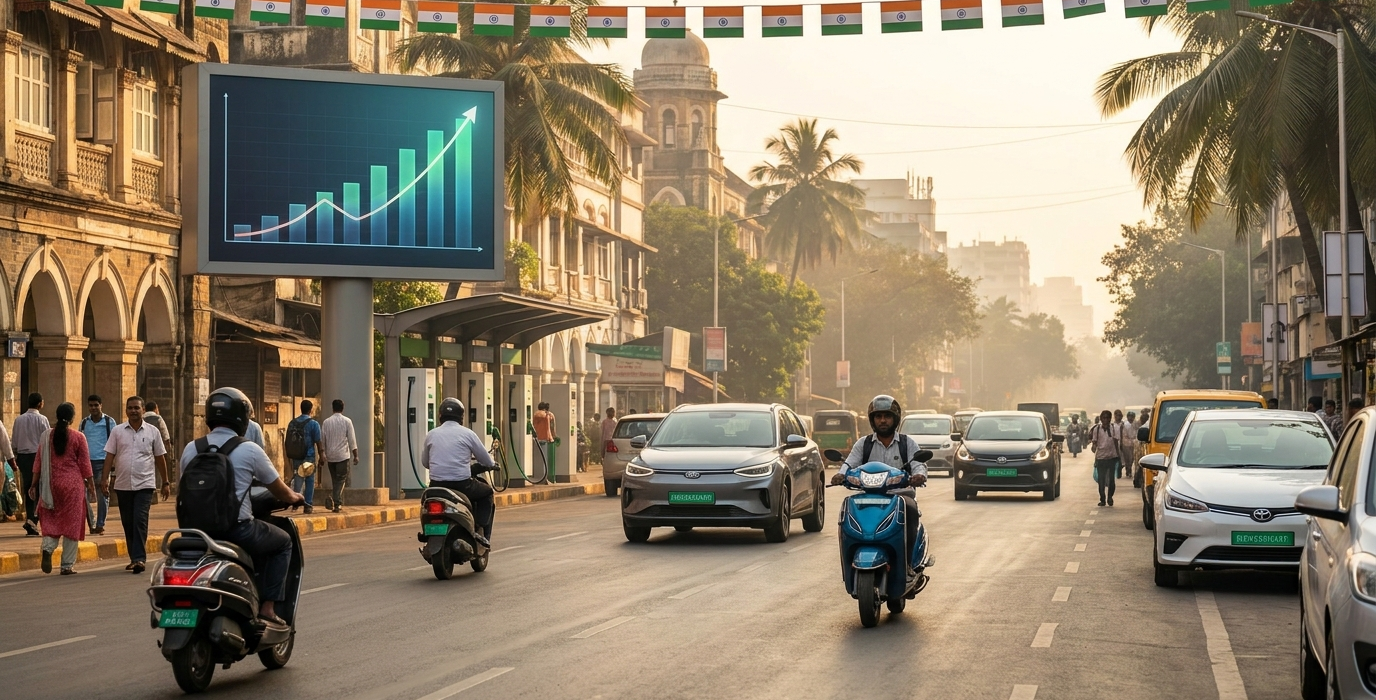
The hum of electric vehicles is no longer a distant whisper; it’s becoming a defining sound of India’s urban and rural roads. As we navigate August 2026, the nation stands at a pivotal moment in its green mobility journey. We’ve witnessed a dramatic shift from niche early adopters to mainstream consumers embracing EVs, driven by a potent cocktail of policy incentives, technological advancements, and a growing environmental consciousness.
This transformation isn’t just about cleaner air in our bustling cities like Delhi and Mumbai. It’s about economic opportunity, reduced reliance on imported fossil fuels, and the emergence of India as a global player in EV manufacturing. The initial skepticism has largely given way to keen interest, as more Indians recognise the tangible benefits – from lower running costs to a smoother, quieter driving experience.
The government’s commitment, evident in initiatives like the Faster Adoption and Manufacturing of Electric Vehicles (FAME) scheme, continues to play a crucial role. While the details of FAME III are still being refined for the coming years, its predecessors have laid a strong foundation, making EVs more accessible than ever before. We are seeing a ripple effect, encouraging both domestic and international manufacturers to invest heavily in India’s EV ecosystem.
Decoding the Subsidy Landscape: What You Need to Know
For many prospective EV buyers in India, understanding the subsidy landscape is paramount. These incentives, primarily driven by the FAME scheme and various state-level policies, significantly impact the final on-road price of electric vehicles. As of August 2026, the structure of these subsidies is evolving, aiming to be more targeted and sustainable.
The FAME III policy, anticipated to be rolled out with a focus on incentivizing the manufacturing of advanced battery technologies and charging infrastructure, will likely continue to offer direct purchase incentives for consumers, particularly for electric two-wheelers and three-wheelers, which form the backbone of India’s personal mobility. Expect these subsidies to be more dynamic, potentially tied to localisation levels of components and battery pack manufacturing.
Furthermore, individual states are playing a vital role. States like Gujarat, Maharashtra, and Tamil Nadu have consistently offered attractive top-up subsidies, road tax waivers, and registration fee exemptions. It’s crucial to check the specific policies of your state of residence, as these can often provide an additional layer of savings. For instance, a recent announcement from the Karnataka government aims to further boost EV adoption by extending subsidies for commercial electric fleets, impacting everything from delivery services to ride-hailing.
Key takeaway: Always factor in the applicable central and state subsidies when comparing EV prices. A vehicle that appears more expensive upfront might actually be cheaper after all incentives are applied.
The Shifting Price Dynamics: Affordability on the Horizon
The most significant development in India’s EV market by August 2026 is the palpable shift towards affordability. For years, the higher upfront cost of EVs compared to their internal combustion engine (ICE) counterparts was a major deterrent. However, a confluence of factors is rapidly changing this narrative.
Battery costs, which represent a substantial portion of an EV’s price, have seen a steady decline. Innovations in battery chemistry, coupled with economies of scale driven by increased production, are making battery packs more economical. This directly translates to lower ex-showroom prices for electric cars and motorcycles. We’re now seeing electric scooters from established brands priced competitively with their petrol equivalents, and some compact electric cars are inching closer to the ₹10 lakh mark, a crucial psychological barrier for many Indian buyers.
Manufacturers are also introducing more localized production, reducing import duties and logistical costs. This focus on ‘Make in India’ for EVs is not just a policy objective; it’s a commercial imperative that benefits consumers. Brands like Tata Motors and Mahindra have been aggressive in expanding their EV portfolios, while new players are entering the market with a focus on budget-friendly models. The entry of Chinese manufacturers, though still navigating regulatory waters, promises further price competition, much like what we’ve seen in the smartphone market.
Surprising Fact: By mid-2026, the cost of battery packs has fallen to a point where some manufacturers are offering battery leasing options, allowing buyers to purchase the EV body without the battery, significantly reducing the initial purchase price and shifting the cost to a monthly subscription.
Charging Infrastructure: The Backbone of the EV Ecosystem
While the allure of lower running costs and environmental benefits is strong, the availability and accessibility of charging infrastructure remain a critical consideration for any potential EV owner. India has made significant strides in this area, but the journey towards a truly seamless charging experience is ongoing. By August 2026, we’re witnessing a multi-pronged approach to build out this essential network.
The government, through its various schemes and partnerships, is actively promoting the installation of public charging stations. Major highways are increasingly being equipped with fast chargers, reducing range anxiety for inter-city travel. Think of the Delhi-Chandigarh or Mumbai-Pune corridors, which now boast a respectable density of charging points. Companies like Statiq, ChargeZone, and Magenta Power are at the forefront, deploying AC and DC fast chargers across urban centres and along key transport routes.
Beyond public charging, the focus is also shifting towards home and workplace charging solutions. Many new residential complexes are mandating provisions for EV charging points in parking areas, often at the behest of local municipal guidelines. Similarly, corporate parks are integrating charging facilities to encourage their employees to switch to EVs. The development of swappable battery technology, particularly for electric two and three-wheelers, is also gaining traction, offering an alternative to traditional charging, similar to how one might refuel a petrol vehicle.
Surprising Fact: India’s first “EV Highway” was officially launched on the Delhi-Agra stretch by the end of 2025, with charging stations installed every 25-30 km, allowing for effortless travel between the two historical cities.
Beyond the Purchase Price: Total Cost of Ownership Matters
When evaluating an electric vehicle, it’s essential to look beyond the sticker price and consider the Total Cost of Ownership (TCO). This is where EVs truly shine, offering significant long-term savings that often outweigh their initial investment. As of August 2026, the TCO advantage for EVs in India is becoming increasingly compelling.
The most apparent saving comes from fuel costs. Electricity is generally cheaper per kilometre than petrol or diesel, even considering the varying tariffs across different states and times of day. For an average Indian household that drives 1,000-1,500 km per month, the monthly savings on “fuel” can be substantial, often ranging from ₹4,000 to ₹7,000 or more, depending on the vehicle and charging habits. This saving can amount to tens of thousands of rupees annually.
Maintenance is another area where EVs offer a distinct advantage. Electric vehicles have far fewer moving parts than their ICE counterparts. There’s no engine oil to change, no spark plugs to replace, no exhaust system to maintain. This simplicity translates to lower scheduled maintenance costs and fewer unexpected repair bills. Brake wear is also reduced due to regenerative braking, which uses the motor to slow the vehicle and recapture energy.
While battery replacement is a long-term consideration, battery technology is improving, and warranties are becoming more comprehensive, often covering 8 years or 160,000 km. When you factor in these savings on fuel and maintenance, the TCO of an EV can become lower than a comparable ICE vehicle within 3-5 years of ownership, making it a sound financial decision for many Indian consumers.
The Future Outlook: What to Expect in the Coming Years
The momentum behind India’s EV revolution shows no signs of slowing down. As we look beyond August 2026, the trajectory points towards even greater adoption, diversification of models, and further technological advancements. The government’s long-term vision for a predominantly electric mobility landscape is robust, with ambitious targets for EV sales penetration set for the next decade.
We can anticipate a wider array of EV models across all segments, from more affordable compact cars to larger SUVs and even electric commercial vehicles. The development of indigenous battery manufacturing capabilities and the exploration of alternative battery chemistries will be key drivers of cost reduction and improved performance. Expect to see more charging solutions tailored for rural areas and public transport, ensuring equitable access to electric mobility across the country.
The policy framework will likely continue to evolve, with a focus on incentivizing the entire EV value chain – from raw material sourcing and component manufacturing to vehicle production and end-of-life battery recycling. This holistic approach is crucial for building a sustainable and self-reliant EV ecosystem. Furthermore, as more data emerges on the real-world performance and TCO of EVs, consumer confidence will continue to soar, solidifying the EV as the default choice for many Indian buyers.
“The true measure of the EV revolution in India won’t be just the number of vehicles on the road, but the tangible impact on our air quality, our economy, and the everyday lives of our citizens.”
Frequently Asked Questions
Is buying an electric car or scooter a good investment in India right now (August 2026)?
Yes, for most users, it is becoming a sound investment. The decreasing upfront costs, significant savings on running costs (electricity vs. petrol), and lower maintenance expenses contribute to a favourable Total Cost of Ownership, often making EVs cheaper than their petrol counterparts over a 3-5 year period. Government subsidies further sweeten the deal.
How long does it take to charge an electric vehicle in India?
Charging times vary significantly. Home AC chargers typically take 6-10 hours for a full charge, ideal for overnight charging. DC fast chargers found on highways can charge a compatible EV from 0-80% in as little as 30-60 minutes. Swappable battery options offer the quickest “refuel” time, often under 5 minutes.
What is the range anxiety associated with electric vehicles in India?
Range anxiety is diminishing rapidly. Most new electric cars offer a real-world range of 300-400 km on a single charge, sufficient for daily commutes and most inter-city trips. The expanding charging network, especially on major highways, further alleviates concerns about running out of charge.
Are electric vehicles more expensive to maintain in India than traditional cars?
No, generally they are less expensive to maintain. EVs have fewer moving parts, meaning no oil changes, no exhaust system, and less wear on components like brakes due to regenerative braking. This leads to lower scheduled maintenance costs and fewer unexpected repairs.
What are the key government incentives available for EV buyers in India?
The primary national incentive is the FAME (Faster Adoption and Manufacturing of Electric Vehicles) scheme, which provides direct subsidies on eligible EVs. Many states offer additional incentives such as road tax waivers, registration fee exemptions, and further purchase subsidies. It’s crucial to check the specific policies applicable in your state.