Key Takeaways
- India’s smart cities are rapidly integrating AI and IoT for enhanced urban management, from traffic flow to waste collection.
- Expect more integrated public transport systems, with unified payment and real-time tracking becoming standard across most Tier 1 and 2 cities by 2027.
- Renewable energy solutions, particularly solar power, are a cornerstone of new urban development, significantly reducing carbon footprints.
- Citizen engagement platforms are evolving, offering direct channels for feedback and participation in local governance.
The AI Pulse of Urban India: Smarter Than Ever
Imagine a city that breathes, learns, and adapts. This isn’t science fiction anymore; it’s the reality unfolding across India’s ambitious smart city projects. From the bustling streets of Ahmedabad to the tech hubs of Pune, Artificial Intelligence (AI) and the Internet of Things (IoT) are no longer buzzwords but the very sinews of urban infrastructure. We’re seeing AI-powered traffic management systems that can predict congestion before it happens, dynamically rerouting vehicles and optimising signal timings. This means less time stuck in traffic jams on your commute from, say, Bandra to South Mumbai, and more time for what truly matters.
IoT sensors are embedded everywhere, from smart streetlights that adjust their brightness based on pedestrian and vehicular presence to waste bins that signal when they’re full, optimising collection routes for sanitation workers. This intelligent network allows city administrators to monitor and manage resources with unprecedented efficiency. For instance, in the Indore’s ongoing smart city initiatives, real-time data from these sensors is fed into a central command centre, enabling swift responses to issues like water leaks or power outages. This proactive approach is crucial for maintaining the quality of life we expect in our rapidly growing urban centres.
Seamless Mobility: Your Commute, Reimagined
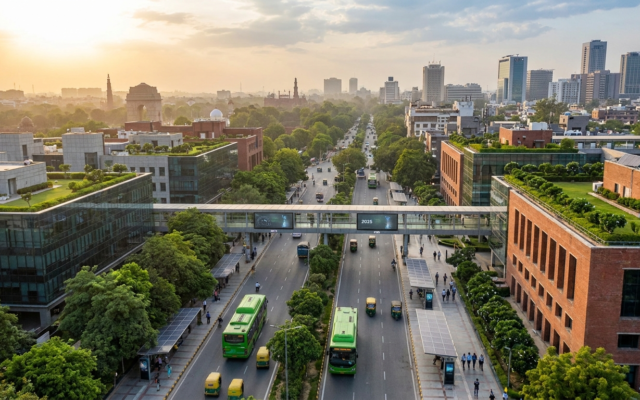
The daily grind of commuting is undergoing a radical transformation, thanks to smart city initiatives focused on integrated and efficient public transportation. Gone are the days of juggling multiple cards or struggling with disparate ticketing systems. We are moving towards a future where a single digital pass or app can seamlessly grant access to metro trains, buses, and even shared e-rickshaws across different transport authorities. Cities like Kochi have been pioneers in this regard, and their success is paving the way for similar integrated systems in cities like Bhopal and Visakhapatnam.
Real-time tracking is becoming a given. You can now often check exactly when your bus will arrive at your stop in Jaipur, or track the metro’s progress via your smartphone in Bengaluru. This transparency not only reduces anxiety but also allows for better planning of your journeys. Furthermore, smart cities are investing heavily in multimodal hubs, physical locations where different forms of transport converge, making transfers effortless. Think of a well-designed interchange in a city like Surat, where you can step off a BRTS bus and immediately board a clean, efficient electric auto, all within a few minutes. The aim is to make public transport so convenient and reliable that it becomes the preferred choice for most citizens.
Sustainable Sanctuaries: Green Energy and Eco-Conscious Living
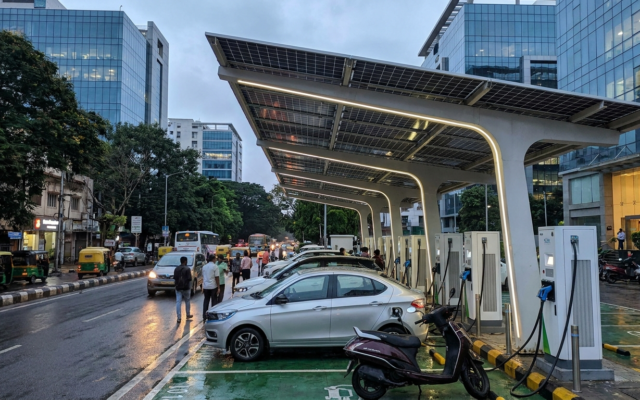
The future of our cities is undeniably green, and this is nowhere more evident than in the widespread adoption of renewable energy solutions. Smart cities are actively integrating solar power into their fabric, from rooftop installations on government buildings and residential complexes to vast solar farms powering entire districts. Cities like Gandhinagar are leading the charge, with a significant portion of their energy needs now met through solar power, dramatically cutting down their carbon footprint. This focus on sustainability isn’t just about environmental responsibility; it’s about creating healthier, more liveable urban spaces for all of us.
Beyond energy, smart cities are implementing intelligent waste management systems that go beyond simple collection. Advanced sorting facilities, waste-to-energy plants, and incentivised recycling programs are becoming more common. We are also seeing a push towards water conservation through smart grids that monitor usage, detect leaks, and optimise distribution. Rainwater harvesting is being integrated into new building designs as a standard practice, ensuring that our cities are not only technologically advanced but also resilient in the face of climate challenges. The vision is clear: urban living that treads lightly on the planet.
The Connected Citizen: Your Voice in City Governance
One of the most exciting aspects of the smart city revolution is the empowerment of citizens. Gone are the days when you had to wait in long queues or send formal letters to get your voice heard. Digital platforms are emerging as powerful tools for civic engagement, allowing you to report issues, provide feedback, and even participate in local decision-making processes. Many cities are developing dedicated mobile apps where you can report a pothole, a faulty streetlight, or illegal dumping with just a few taps, often with geo-tagging for immediate action.
These platforms are also becoming hubs for information dissemination. You can receive real-time alerts about traffic diversions, public health advisories, or upcoming community events directly on your phone. Some progressive cities are even experimenting with participatory budgeting, where citizens can propose and vote on local development projects, ensuring that public funds are allocated to initiatives that truly matter to the community. This direct line of communication fosters a sense of ownership and accountability, making our cities more responsive to the needs of their residents. The goal is to build cities that are not just smart in their technology, but also smart in their inclusivity.
Smart Homes and Buildings: The Foundation of Future Living
The smart city extends beyond public infrastructure and into our homes and workplaces. The integration of smart technologies in buildings is creating environments that are more energy-efficient, secure, and comfortable. Think of automated lighting and climate control systems that learn your preferences and adjust accordingly, significantly reducing energy consumption. In newer developments, you’ll find smart meters that provide detailed insights into your utility usage, empowering you to make more informed choices.
Building management systems are becoming increasingly sophisticated, optimising everything from HVAC (Heating, Ventilation, and Air Conditioning) to security. This not only enhances the living experience but also contributes to the overall efficiency of the city. For example, smart buildings can communicate with the city’s grid to manage energy demand during peak hours, contributing to a more stable power supply. Furthermore, advanced security features, including smart locks and integrated surveillance systems, are becoming standard, offering peace of mind to residents. The concept of a “connected building” is rapidly becoming a prerequisite for modern urban living.
Data-Driven Decisions: The Engine of Urban Evolution
At the heart of every smart city lies data. The vast amounts of information generated by IoT devices, sensors, and citizen interactions are being harnessed to make more informed and effective decisions. This data-driven approach is revolutionising urban planning and management. Instead of relying on outdated surveys or assumptions, city officials can now analyse real-time trends to understand traffic patterns, predict water demand, or identify areas with high crime rates. This allows for a more agile and responsive governance model.
The insights derived from data analytics are crucial for optimising resource allocation. For instance, by analysing waste collection data, a city can deploy its sanitation fleet more efficiently, saving fuel and reducing operational costs. Similarly, traffic data can inform the design of new roads or public transport routes. However, this reliance on data also brings critical considerations around privacy and security. Robust frameworks are being put in place to ensure that data is collected, stored, and used responsibly and ethically, safeguarding the privacy of citizens while unlocking the full potential of urban intelligence. This delicate balance is key to building trust in the smart city vision.
Frequently Asked Questions
What are some of the biggest challenges facing India’s smart cities?
Key challenges include funding and financial sustainability, interoperability between different technology platforms, digital literacy among citizens, and ensuring data privacy and cybersecurity. Bridging the digital divide to ensure all citizens benefit is also a significant hurdle.
How are smart cities addressing traffic congestion?
Smart cities are employing AI-powered traffic management systems that optimise signal timings and reroute traffic dynamically. They are also promoting integrated public transport, encouraging the use of shared mobility services, and developing smart parking solutions to reduce the time vehicles spend searching for parking.
Are smart cities more environmentally friendly?
Yes, a core focus of smart cities is sustainability. This includes integrating renewable energy sources like solar power, implementing intelligent waste management systems, promoting water conservation, and developing green building standards to reduce the overall environmental impact of urban living.
How can I get involved in my city’s smart initiatives?
Many smart cities have dedicated mobile apps and online portals for citizen feedback and participation. Look for public consultations, workshops, and community meetings organised by your local municipal corporation. Reporting issues through official channels is also a form of engagement.