Key Takeaways
- India’s Smart Cities Mission has seen significant digital infrastructure upgrades, with cities like Indore and Surat leading in integrated command and control centres.
- While urban mobility projects are gaining traction, challenges remain in achieving widespread, seamless integration of public transport systems.
- The mission is increasingly focusing on citizen engagement and data-driven governance, with platforms like MyGov and city-specific apps playing a crucial role.
- Sustainability initiatives, particularly in waste management and renewable energy adoption, are becoming a core pillar, though scaling these efforts is key.
The Digital Pulse: Cities Connected in 2026
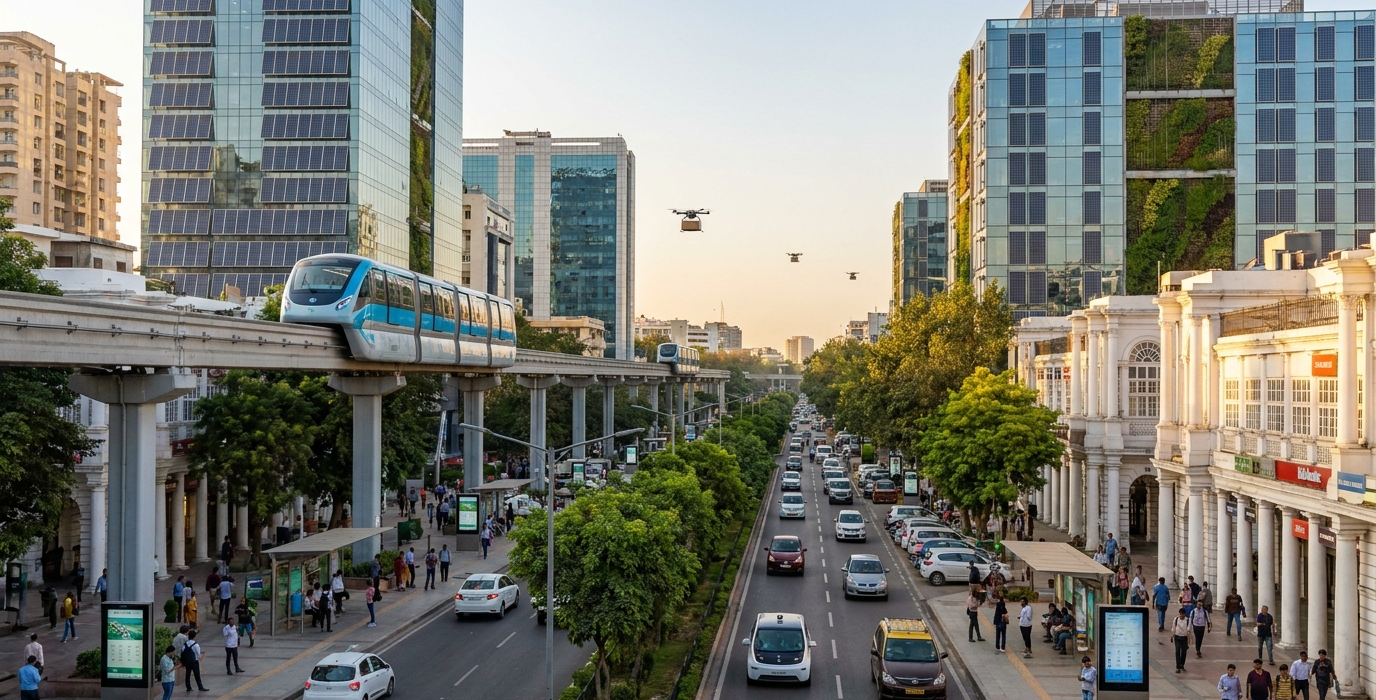
As of September 2026, India’s Smart Cities Mission, launched in 2015, has truly begun to demonstrate its transformative potential. We’re no longer talking about futuristic concepts; we’re seeing tangible advancements that are reshaping urban living. The core of this evolution lies in the robust digital infrastructure being laid across the 100 selected cities. Integrated Command and Control Centres (ICCCs) have become the nerve centres of many of these urban experiments. These centres are not just about surveillance; they are about a holistic, data-driven approach to city management.
Cities like Indore, which has consistently ranked high in Swachh Survekshan, are leveraging their ICCCs for real-time traffic management, emergency response coordination, and even monitoring water supply. Similarly, Surat has made remarkable strides, integrating various city services under one digital umbrella. Imagine a citizen being able to report a pothole, track a bus, and pay utility bills – all through a single city portal or app. This is the reality that many of these smart cities are actively building.
The deployment of smart streetlights, equipped with sensors for environmental monitoring and Wi-Fi hotspots, is also a visible sign of progress. These aren’t just aesthetic upgrades; they’re enabling a more responsive and efficient urban environment. The underlying fibre optic networks are crucial, acting as the arteries for this digital revolution, ensuring seamless data flow for everything from smart grids to public safety systems. The focus is on creating a connected ecosystem where technology serves to improve the quality of life for every citizen.
Mobility Reimagined: The Road Ahead
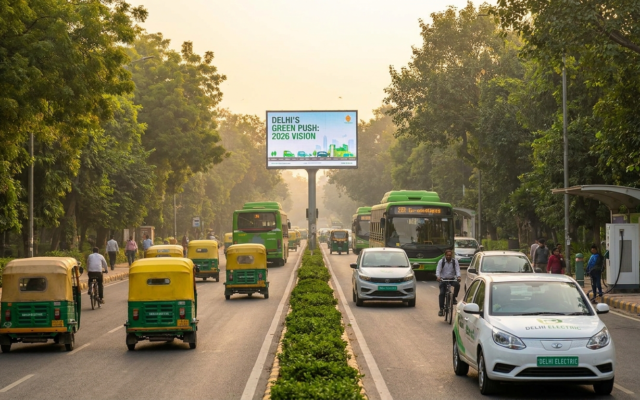
When we talk about smart cities, efficient urban mobility is a cornerstone, and 2026 shows promising, albeit varied, progress. Many cities are investing heavily in integrated public transport solutions. This includes the expansion of metro rail networks in major urban sprawls like Delhi and Mumbai, which are now seeing higher ridership due to improved connectivity and frequency. The aim is to make public transport the preferred mode of travel, thereby reducing congestion and pollution.
Bus Rapid Transit Systems (BRTS) are also being upgraded with real-time tracking and digital payment options, making them more user-friendly. In cities like Pune, there’s a concerted effort to promote non-motorized transport through dedicated cycling lanes and pedestrian-friendly pathways. The integration of these diverse modes of transport through a single ticketing system or app is the next frontier, and it’s a complex challenge.
While the vision is clear – seamless, sustainable, and accessible mobility for all – the execution often faces hurdles. Land acquisition for new infrastructure, behavioural change among commuters, and the sheer scale of urban sprawl mean that achieving true integration is an ongoing process. We are seeing pockets of excellence, but a truly pan-city, seamless experience is still a work in progress for many. The adoption of electric vehicles (EVs) and the development of charging infrastructure are also critical components, with several cities piloting smart charging solutions.
Citizen at the Core: Governance and Engagement
The Smart Cities Mission is increasingly shifting its focus from purely infrastructure development to citizen-centric governance. By 2026, we are witnessing a more pronounced emphasis on using technology to empower citizens and make governance more transparent and participatory. Digital platforms are becoming the primary interface between citizens and their municipal bodies. Platforms like MyGov.in have been instrumental in facilitating citizen feedback and participation in policy-making at the national level, and this is being replicated at the city level.
Many cities have launched their own dedicated mobile applications that allow residents to report civic issues, access services, and stay informed about local developments. For instance, Bhopal‘s smart city app has become a go-to tool for many residents, streamlining grievance redressal and service delivery. This digital empowerment is crucial for building trust and fostering a sense of ownership among citizens in their city’s development.
The use of data analytics to understand citizen needs and patterns is also growing. By analysing data from various sources – including citizen feedback, sensor networks, and service requests – cities can make more informed decisions about resource allocation and service improvements. This data-driven approach ensures that development efforts are aligned with the actual requirements of the populace. It’s a significant departure from traditional top-down planning, ensuring that the ‘smart’ in smart city truly reflects the needs and aspirations of its people.
Sustainability Takes Root: Greener Urban Futures
The urgency of climate change and environmental degradation has firmly placed sustainability at the heart of India’s smart city agenda in 2026. While not every city is implementing every initiative, the overall trend is towards adopting greener practices in urban planning and management. Waste management, a perennial urban challenge, is seeing innovative solutions. Cities are adopting smart waste bins that signal when they are full, optimizing collection routes and reducing manual labour. Segregation at source, aided by citizen awareness campaigns and improved infrastructure, is becoming more effective.
Renewable energy adoption is another critical pillar. Many smart cities are actively promoting the installation of solar panels on government buildings and encouraging residential solar power generation through subsidies and simplified approval processes. The deployment of smart grids, which enable better management of energy distribution and reduce transmission losses, is also a key focus area. Chandigarh, known for its meticulous urban planning, is pushing the envelope with integrated solar energy solutions across its public spaces.
Water management is also getting smarter. Initiatives include rainwater harvesting systems, smart water meters to reduce wastage, and advanced wastewater treatment plants. The goal is to ensure efficient use of precious water resources, especially in water-stressed urban areas. The emphasis is on creating self-sustaining urban ecosystems that minimize their environmental footprint and enhance the quality of life through natural solutions.
Economic Growth and Innovation Hubs
The Smart Cities Mission is not just about better living; it’s also about fostering economic growth and creating environments conducive to innovation. By developing robust digital infrastructure, improving ease of doing business, and enhancing connectivity, these cities are attracting investments and talent. The development of smart industrial parks and incubation centres is a key strategy. These hubs provide startups and established businesses with access to cutting-edge technology, collaborative spaces, and supportive ecosystems.
For example, cities are investing in high-speed internet connectivity, reliable power supply, and efficient logistics networks. This makes them attractive locations for IT companies, R&D centres, and advanced manufacturing units. The focus on creating digital marketplaces and providing easy access to government services further streamlines business operations. This economic upliftment is a crucial, often overlooked, aspect of the smart city vision.
The mission is also encouraging the development of the “gig economy” and the creation of skilled jobs through various training and upskilling programs. By making cities more liveable and economically vibrant, they are better positioned to retain talent and attract new professionals. This creates a virtuous cycle of growth and development, making these urban centres more competitive on a global scale. The vision is to build not just smart cities, but smart economies that are resilient and future-ready.
Challenges and the Path Forward
Despite the significant strides made by 2026, the journey of transforming Indian cities into truly ‘smart’ and sustainable urban centres is far from over. One of the most persistent challenges remains the synergy between different government departments and agencies. Siloed working styles can hinder the integrated approach that smart city projects demand. Effective coordination is paramount to avoid duplication of efforts and ensure seamless implementation of projects that cut across multiple domains, from transport to utilities.
Another critical area is funding and financial sustainability. While the central government provides significant financial support, cities need to develop robust models for long-term financial viability. This includes exploring public-private partnerships more effectively, generating own revenues, and ensuring that investments in smart infrastructure yield tangible economic and social returns. Without sustainable financial models, many ambitious projects risk becoming white elephants.
Furthermore, the digital divide remains a concern. While technology is at the core of smart cities, ensuring that all citizens, including the elderly, the less educated, and those in lower-income groups, can access and benefit from these advancements is crucial. Bridging this gap requires continued focus on digital literacy programs and ensuring that user interfaces are intuitive and accessible across various platforms. The ultimate success of the Smart Cities Mission will be measured not just by the technology deployed, but by its equitable impact on the lives of all its residents.
“The true measure of a smart city in 2026 isn’t just the sophistication of its technology, but how well that technology translates into tangible improvements in the daily lives of its citizens – from cleaner air to more efficient commutes and responsive governance.”
Frequently Asked Questions
What are the top-performing smart cities in India as of 2026?
Cities like Indore, Surat, and Bhopal consistently rank high in various smart city indices, particularly in areas of integrated command and control, citizen services, and sustainability initiatives. Many Tier-2 cities are also showing remarkable progress.
How is citizen participation integrated into the smart city plans?
Citizen participation is being actively encouraged through digital platforms like city-specific apps and government portals for feedback, grievance redressal, and co-creation of urban solutions. Public consultations and surveys are also key components.
What are the main challenges faced by the Smart Cities Mission in 2026?
Key challenges include achieving inter-departmental coordination, ensuring sustainable funding models, bridging the digital divide to ensure equitable access, and adapting to rapidly evolving technological landscapes.
Are smart cities in India focusing on environmental sustainability?
Yes, environmental sustainability is a major focus. Initiatives include smart waste management, promotion of renewable energy (especially solar), efficient water management systems, and development of green public spaces.