Key Takeaways
- IPL 2026 is set to redefine the T20 landscape with two new franchises, promising an expanded season and fresh competitive dynamics.
- Expect significant shifts in player auctions and potential blockbuster trades as teams strategize for the enlarged league.
- The introduction of new teams could foster unexpected rivalries and challenge established team loyalties across India.
- We’ll explore how this expansion impacts fan engagement, venue choices, and the overall commercial appeal of the Indian Premier League.
The IPL’s Bold Leap: Two New Franchises Join the Fray in 2026
The Indian Premier League (IPL) is once again proving its mettle as a sporting juggernaut, announcing a significant expansion for its 2026 season. Get ready for an even grander spectacle, as two new franchises are set to join the existing eight, transforming the league into a ten-team affair. This isn’t just about adding more matches; it’s a strategic move designed to broaden the league’s geographical reach, tap into new fan bases, and ultimately, elevate the competition to unprecedented heights. The BCCI has been meticulously planning this for months, and the official announcement has sent ripples of excitement through the cricketing world. You can expect a richer, more intense tournament that will keep you on the edge of your seat.
The inclusion of two new teams is not a hasty decision. It’s been driven by the league’s phenomenal growth and immense popularity, both within India and globally. The IPL has consistently broken viewership records, and this expansion aims to capitalize on that momentum. With a larger pool of talent and more strategic battles unfolding, the 2026 season promises a unique blend of established stars and emerging heroes. We will likely see a surge in investment and operational complexity as the league gears up for this significant change. This expansion also opens doors for players from regions previously underrepresented in the IPL ecosystem.
This expansion marks a pivotal moment in the IPL’s evolution. It signals a commitment to growth and a recognition of the sport’s ever-increasing fan base. The logistical challenges will be considerable, from scheduling to venue management, but the potential rewards are immense. The league’s commercial viability will undoubtedly see a boost, attracting new sponsors and further solidifying its status as a premier T20 league. For fans, it means more cricket, more drama, and potentially, more thrilling encounters.
Unpacking the New Entrants: Potential Locations and Brand Identities
While the official names and locations of the two new franchises are still under wraps, speculation is rife. Industry insiders suggest that cities with a passionate cricket following but currently lacking an IPL presence are prime candidates. Think of places like Jaipur, which has a rich cricketing heritage and a dedicated fan base, or perhaps a city in the Northeast, like Guwahati, which could unlock a whole new demographic for the league. The BCCI is likely prioritizing cities with robust infrastructure and a strong business ecosystem to support a new team.
The selection process for these new owners will be crucial. It’s not just about who can afford the franchise fee; it’s about who can build a sustainable and fan-centric brand. We could see established business houses with existing sports affiliations entering the fray, or perhaps new investors looking to make a significant mark. The potential for creating unique brand identities is enormous. Imagine a team rooted in the vibrant culture of Rajasthan or one that embodies the burgeoning sporting spirit of India’s Northeast. These new identities will add another layer of narrative to the IPL.
Consider the impact on local economies. A new franchise means new jobs, increased tourism, and a significant boost to local businesses. The excitement surrounding a home team can galvanize a city, fostering a sense of pride and community. We might see the rise of new fan anthems, team colours, and rivalries that are deeply rooted in regional identities. This expansion isn’t just about cricket; it’s about cultural integration and economic development. One surprising fact is that while Lucknow Super Giants were the most recent addition in 2022, the IPL has historically expanded in two-team increments, with the last major overhaul in 2011 seeing the addition of Kochi Tuskers Kerala and Pune Warriors India.
The Player Auction Dynamics: A New Frontier for Talent Acquisition
The introduction of two new teams will undoubtedly shake up the IPL player auction. This means more competition for talent, potentially driving up player salaries and creating a more dynamic bidding war. Existing franchises will need to strategically retain and release players, knowing that they’ll be facing two new formidable opponents. The auction room in 2026 is poised to be a battleground of strategic brilliance and a test of nerve for team owners and management. You can expect some unexpected bids and a reshuffling of established player dynamics.
With ten teams vying for the top talent, the auction strategy will be paramount. Franchises will need to identify their core players, target specific roles, and be prepared for surprises. Will the new teams splurge on marquee players to build immediate recognition, or will they focus on developing a strong domestic core? The landscape of player retention and the ‘right to match’ cards will also come into play, adding another layer of complexity. We are likely to see a significant investment in scouting and player development by the new franchises.
This expansion also presents a golden opportunity for uncapped Indian players. With more teams and more slots available, there will be a greater chance for emerging talent to showcase their skills on the grandest stage. The focus will be on identifying players who can contribute consistently and adapt to the high-pressure environment of the IPL. The depth of talent in India is immense, and this expansion will provide a much-needed platform for many deserving cricketers to make their mark. The sheer volume of player movement could lead to some truly surprising team compositions, making for an exciting season.
Rivalries Reimagined: New Battles on the Cricket Field
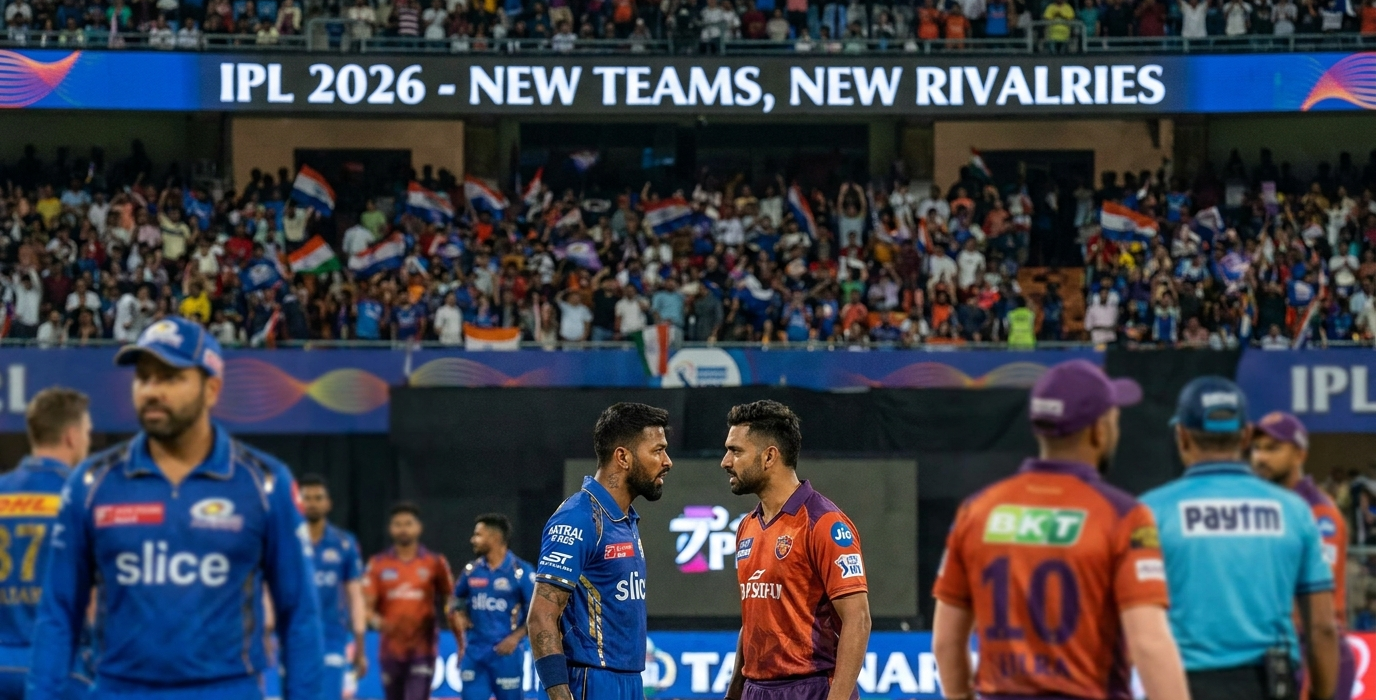
The arrival of two new franchises isn’t just about adding teams; it’s about forging new rivalries. Every new entrant brings its own regional identity, fan base, and potential for intense competition. We could see the birth of entirely new derbies, challenging the established North vs. South or Mumbai vs. Chennai narratives. Imagine a fierce contest between a team from Rajasthan and one from Gujarat, or a battle for supremacy in the East between teams from Kolkata and a new Eastern franchise. These new rivalries will inject fresh passion into the league.
The dynamics of existing rivalries will also be tested. Will the established teams see the new entrants as immediate threats or as stepping stones to further dominance? The competitive balance of the league will be a major talking point. Teams will need to adapt their strategies to counter the strengths of the newcomers. The tactical battles on the field will become even more intricate as teams learn each other’s playing styles and weaknesses. We could see coaches developing entirely new game plans specifically for these new opponents.
Consider the fan perspective. New rivalries foster new heroes and villains, new chants and celebrations. They create a sense of belonging and shared passion for the team. The narrative of the IPL will expand, incorporating these fresh storylines. This is where the true magic of team sports lies – in the shared emotional journey of fans and players alike. A surprising fact about IPL rivalries is that the “El Clásico” of Indian cricket, Mumbai Indians vs. Chennai Super Kings, has the most balanced win-loss record among long-standing fixtures, despite the perceived dominance of one team over the other at different times.
Impact on Fan Engagement and Stadium Experience
For fans, the 2026 IPL season promises an expanded calendar and potentially more matches in their home cities. The introduction of new teams means a wider geographical footprint for the league, bringing top-tier T20 cricket closer to more people. This increased accessibility can foster a deeper connection between fans and the sport. We can expect innovative fan engagement strategies from the new franchises, aiming to capture the hearts of their local communities. Think of unique opening ceremonies, local player integration, and community outreach programs.
The stadium experience itself is likely to evolve. New franchises will want to create a distinct atmosphere, leveraging local culture and traditions. We might see innovative fan zones, interactive LED displays, and enhanced hospitality options designed to elevate the matchday experience. The competition for fan loyalty will be fierce, pushing all franchises to up their game in terms of fan interaction and stadium ambiance. The sheer volume of matches could also lead to a more relaxed ticketing structure, making it easier for fans to attend games.
Furthermore, the digital engagement landscape will also see an upgrade. Expect more immersive online content, augmented reality experiences, and personalized fan interactions. The new teams will leverage social media and digital platforms to build their brand and connect with a younger, tech-savvy audience. This expansion is a catalyst for innovation in how fans consume and interact with the IPL, both online and offline. The potential for creating passionate fan communities around these new clubs is immense.
Commercial Opportunities and Global Reach: The IPL’s Evolving Business Model
The expansion of the IPL to ten teams is a significant boon for its commercial prospects. More teams mean more broadcasting rights, more sponsorship opportunities, and a larger share of the global sports market. The value of the IPL as a brand is set to increase substantially, attracting new international investors and partners. This growth solidifies the IPL’s position as one of the most lucrative sports leagues in the world, rivaling even established football leagues. You can anticipate a surge in advertising revenue and media rights deals.
New franchises will necessitate new broadcast arrangements, potentially leading to innovative viewing experiences for fans. Think of localized commentary options, multi-camera angles, and data-rich analytics integrated into the broadcast. The global reach of the IPL will also be amplified, with more potential for international partnerships and collaborations. The league’s ability to attract top global talent will be further enhanced by its expanded scale and commercial appeal. This move is a clear indication of the IPL’s ambition to be a truly global sporting phenomenon.
The economic impact extends beyond the league itself. New franchises will require extensive infrastructure development, from training facilities to marketing operations, creating jobs and stimulating economic activity in their respective regions. The overall ecosystem surrounding the IPL – including sports management, merchandise, and hospitality – will witness significant growth. This expansion is not just about cricket; it’s a strategic business move that promises to yield substantial economic returns for all stakeholders involved. The sustainability of these new franchises will be key, but the underlying potential for growth is undeniable.
Frequently Asked Questions
Which cities are likely to get the new IPL franchises?
While official announcements are pending, speculation points towards cities with strong cricket fan bases and existing infrastructure, such as Jaipur and potentially cities in India’s Northeast like Guwahati. The BCCI is likely prioritizing regions with significant untapped potential.
How will the expanded IPL affect player salaries?
With ten teams competing for talent, player salaries are expected to rise significantly. The increased demand for skilled players, especially in the auction, will create a more competitive bidding environment, potentially leading to blockbuster deals for top performers.
Will the new franchises have an immediate impact on existing rivalries?
Yes, new rivalries are expected to emerge, creating fresh narratives and challenges for existing teams. The established dynamics of the league will be tested as teams strategize to overcome new opponents, adding an exciting layer of competition.
What are the potential commercial benefits of the IPL expansion?
The expansion to ten teams is expected to significantly boost the IPL’s commercial value. This includes higher broadcasting rights fees, increased sponsorship opportunities, and an enhanced global market presence, solidifying its status as a premier sports league.