Key Takeaways
- Kochi’s backwaters are leading India’s eco-tourism charge, with 2026 seeing unprecedented growth in sustainable practices.
- Travellers can now experience the region’s natural beauty through a variety of low-impact activities, from kayaking to village homestays.
- New initiatives focus on community involvement, ensuring local populations directly benefit from tourism revenue.
- Expect enhanced infrastructure and digital tools to support responsible travel planning and on-ground experiences.
The Green Tide: Kochi’s Backwaters Embrace a Sustainable Future
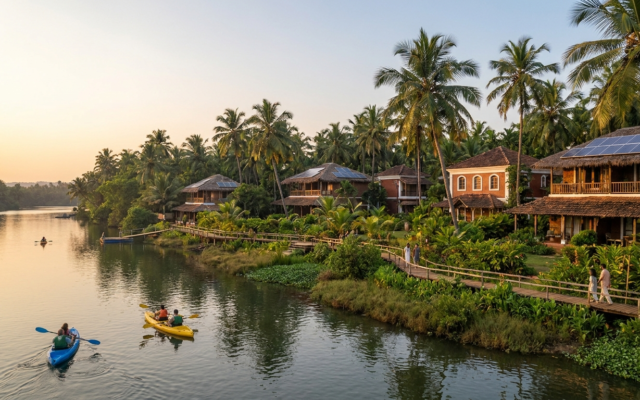
The sun dips below the horizon, painting the tranquil waters of Kerala’s backwaters in hues of orange and gold. This isn’t just a picturesque scene; it’s a testament to a conscious shift. In 2026, Kochi’s labyrinthine network of canals and lagoons is not merely a tourist destination, but a vibrant ecosystem at the forefront of India’s eco-tourism revolution. What was once a nascent movement has blossomed into a full-fledged commitment, weaving environmental stewardship into the very fabric of travel here.
We’re witnessing a profound change, driven by both global awareness and local ingenuity. For years, the delicate balance of these wetlands faced pressures. However, a concerted effort by the Kerala government, local communities, and passionate tourism operators has steered the region towards a more responsible path. This isn’t about sacrificing comfort for conservation; it’s about enhancing the authentic experience while preserving what makes this place so special for generations to come. You’ll find that embracing this green tide offers a richer, more meaningful journey.
Beyond the Houseboat: Experiencing Authentic Kerala
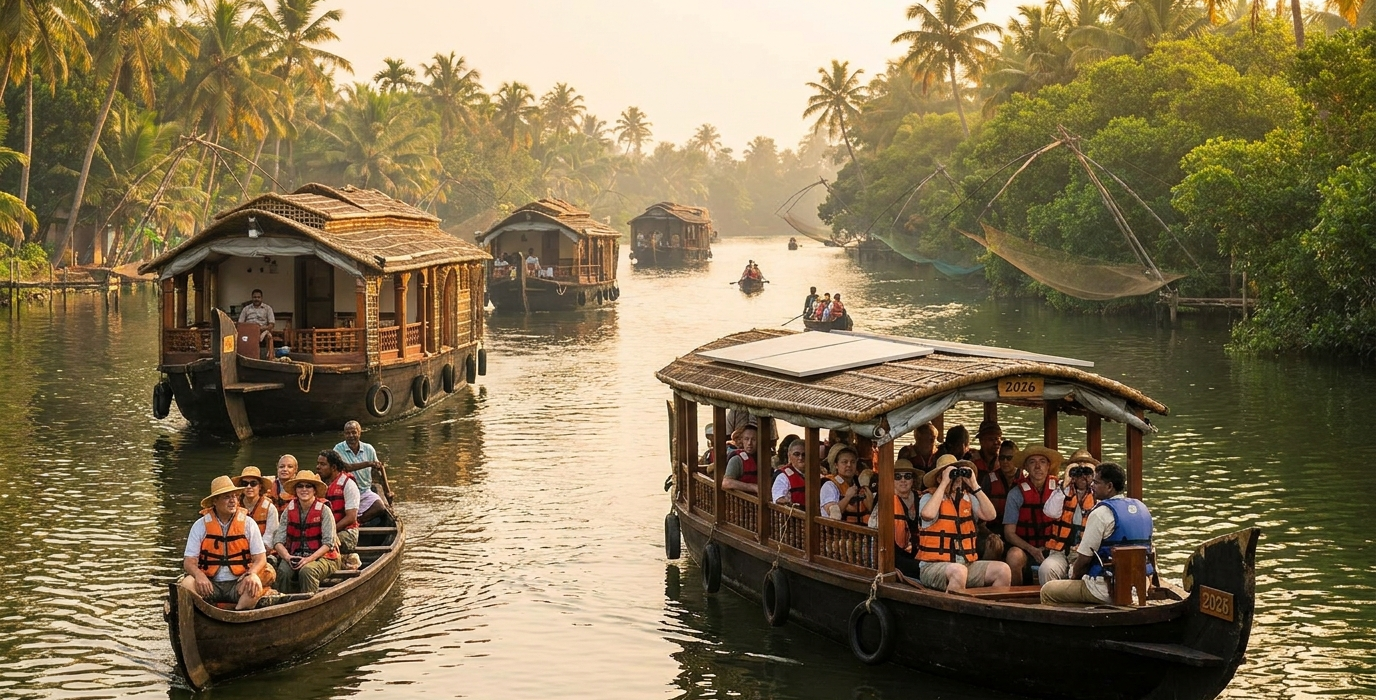
The iconic houseboat cruise on the Vembanad Lake remains a cherished experience, and for good reason. However, in 2026, the definition of a backwaters adventure has expanded dramatically. Think beyond the larger vessels and explore the smaller waterways by kayak or canoe. These human-powered explorations allow you to glide silently through narrow canals, past verdant paddy fields and traditional village life, without disturbing the delicate ecosystem.
Another burgeoning trend is the village homestay. Instead of large resorts, you can now immerse yourself in the local culture by staying with families in their homes. This provides an unparalleled opportunity to learn about Keralan cuisine, participate in daily activities, and understand the rhythm of life along the backwaters. These homestays are often run by women’s self-help groups, directly empowering local communities and ensuring that tourism revenue flows back into the villages. It’s a far cry from impersonal hotels; it’s about genuine connection.
The Rise of Community-Led Initiatives
The success of eco-tourism in Kochi’s backwaters is intrinsically linked to the empowerment of its local communities. Initiatives like the Kudumbashree Programme, a state-wide poverty eradication mission, are now deeply integrated with the tourism sector. We’re seeing more women’s collectives managing homestays, organic farms supplying local restaurants, and artisans selling their crafts directly to visitors. This ensures that the economic benefits of tourism are distributed equitably, fostering a sense of ownership and pride in conservation efforts.
One surprising fact is that many of these community-led initiatives have developed their own unique tracking and reporting systems for their environmental impact. This isn’t just about anecdotal evidence; they are actively measuring water quality improvements and biodiversity increases in areas where they operate. This grassroots data collection is becoming invaluable for larger conservation projects. You’ll find that supporting these local ventures means your travel dollars have a tangible, positive impact.
Innovations in Sustainable Infrastructure
The Kerala government and private sector partners have invested significantly in making eco-tourism more accessible and efficient. In 2026, you’ll notice a marked improvement in infrastructure designed with sustainability in mind. This includes the development of eco-friendly waste management systems in popular tourist areas, ensuring that the pristine beauty of the backwaters remains unspoiled. We’re also seeing a push towards renewable energy sources for accommodations and transport.
Furthermore, digital connectivity has been enhanced, allowing for better planning and information dissemination. Dedicated apps and websites now provide real-time updates on local environmental conditions, responsible tour operator listings, and booking platforms for eco-certified activities. This not only makes it easier for travellers to make informed, sustainable choices but also helps in monitoring visitor impact. Imagine easily finding a certified organic farm stay or booking a guided bird-watching tour that adheres to strict ethical guidelines – that’s the reality now.
The Digital Navigator: Planning Your Green Getaway
Navigating the world of eco-tourism might seem complex, but in 2026, technology is your ally. The Kerala Tourism website and various third-party platforms are now featuring detailed sustainability ratings for accommodations and tour operators. You can filter your searches based on specific eco-certifications, community involvement levels, and waste management practices. This transparency is key to making genuine choices.
Don’t underestimate the power of local guides. Many of them are now trained in environmental education and can offer insights into the local flora, fauna, and conservation challenges. Engaging with them not only enriches your experience but also supports local livelihoods directly. They are the custodians of this land and their knowledge is invaluable.
A Commitment to Biodiversity Conservation
Kochi’s backwaters are a biodiversity hotspot, home to a rich array of aquatic life, migratory birds, and unique flora. The growth of eco-tourism in 2026 is directly contributing to conservation efforts. Revenue generated from responsible tourism is channelled into protecting mangrove forests, restoring degraded wetland areas, and supporting research into local species.
We’ve seen a significant increase in the number of guided nature walks and bird-watching tours that actively involve local conservationists. These aren’t just passive observations; participants often contribute to citizen science projects, helping to monitor bird populations or water quality. This hands-on approach fosters a deeper appreciation for the natural world and encourages travellers to become advocates for conservation.
The Hidden Wonders: Beyond the Obvious
While the kingfisher and the egret are common sights, the backwaters harbour much more. Did you know that the region is a crucial nesting ground for several species of otters? Responsible tourism practices, such as maintaining quiet during wildlife sightings and avoiding disturbance, are vital for their continued presence. Your mindful approach to travel directly impacts their ability to thrive.
Another fascinating aspect is the intricate symbiotic relationship between the local agriculture and the wetland ecosystem. The paddy fields, for instance, are not just food sources but also provide habitats for numerous aquatic creatures. Eco-tourism initiatives are increasingly highlighting these connections, educating visitors on how their choices can support this delicate balance.
Reducing Your Footprint: Practical Tips for 2026
Travelling responsibly in Kochi’s backwaters in 2026 is easier than you might think. The fundamental principle is to tread lightly and leave no trace. This starts with your accommodation choices. Opt for places that clearly demonstrate a commitment to sustainability, such as those using solar power, practising water conservation, and managing waste effectively.
When it comes to activities, prioritize low-impact options. Kayaking, cycling, and walking tours are excellent ways to explore the region without causing undue disturbance. If you opt for boat tours, choose smaller, locally-owned vessels powered by quieter engines, and ensure your guide adheres to responsible wildlife viewing practices. Avoid single-use plastics and carry a reusable water bottle; many places now offer refill stations.
Waste Not, Want Not: The Plastic-Free Pledge
Plastic pollution remains a significant challenge globally, and the backwaters are not immune. Many eco-conscious establishments in Kochi have now implemented comprehensive plastic-free policies. They offer filtered water stations, use biodegradable packaging, and encourage guests to do the same. You’ll find that embracing this movement is not only good for the environment but also leads to a more authentic and less cluttered travel experience.
Carry a small cloth bag for your purchases and politely decline plastic bags. If you encounter litter, consider picking it up and disposing of it properly. Small actions by many individuals can collectively make a huge difference in preserving the pristine beauty of this natural wonder.
The Economic Ripple Effect: Empowering Local Economies
The shift towards eco-tourism in Kochi’s backwaters is having a transformative economic impact on local communities. When you choose to stay in a homestay, dine at a local restaurant, or purchase handicrafts directly from artisans, you are directly contributing to the livelihoods of the people who call this region home. This fosters a sense of economic self-sufficiency and reduces reliance on more exploitative forms of development.
We are seeing a growing number of local entrepreneurs emerging, offering unique eco-tourism experiences that are deeply rooted in Keralan traditions. From cooking classes that teach you to prepare authentic Sadya to workshops on coir making, these ventures provide authentic cultural immersion while creating sustainable jobs. This economic empowerment is a crucial pillar of long-term conservation.
The Surprising Statistic: Local Earnings on the Rise
A recent survey by the Kerala Institute of Local Administration revealed that in areas with high eco-tourism engagement, the average household income has seen a notable increase of nearly 15% compared to regions with conventional tourism models. This statistic underscores the tangible financial benefits that sustainable practices bring to the community. It’s a clear indication that responsible tourism is not just an ethical choice, but an economically viable one.
This economic upliftment also encourages younger generations to remain in their villages, fostering local talent and preserving traditional knowledge and crafts that might otherwise be lost. It’s a virtuous cycle where tourism supports preservation, and preservation enhances tourism.
The Future of Backwaters Tourism: Collaboration and Innovation
Looking ahead to the rest of 2026 and beyond, the trajectory for Kochi’s backwaters is one of continued collaboration and innovation. The Kerala Tourism department is actively working with environmental NGOs, academic institutions, and local communities to develop more robust eco-tourism policies and guidelines. The aim is to ensure that growth remains sustainable and inclusive.
We can anticipate further technological integration, with AI-powered tools potentially being used to monitor environmental health and optimize visitor flow to prevent overcrowding in sensitive areas. Educational tourism, focusing on the unique ecological and cultural heritage of the backwaters, is also expected to gain prominence. This will involve partnerships with schools and universities to create immersive learning experiences.
The Evolving Traveller: Demanding More Than Just Scenery
The modern traveller, especially in 2026, is increasingly discerning. You are looking for experiences that align with your values, and that means demanding authenticity, sustainability, and community benefit. Kochi’s backwaters are responding to this demand by offering a more holistic and enriching travel proposition.
The emphasis is shifting from mass tourism to niche, experience-driven travel. This includes specialized tours for bird watchers, photographers, and cultural enthusiasts, all designed with minimal environmental impact. The focus is on quality over quantity, ensuring that the unique charm of the backwaters is preserved while providing unforgettable memories for visitors.
Frequently Asked Questions
What are the best times to visit Kochi’s backwaters for eco-tourism?
The post-monsoon season, from September to March, is generally ideal. The weather is pleasant, the waters are calm, and the landscape is lush and green. This period also coincides with peak migratory bird seasons, offering excellent wildlife viewing opportunities.
How can I ensure my chosen accommodation is truly eco-friendly?
Look for official eco-certifications (e.g., Green Leaf, EarthCheck), ask about their waste management and energy policies, and prioritize places that actively engage with the local community. Websites and booking platforms now often highlight these credentials, making it easier to verify their claims.
Are there any specific rules or guidelines I should follow when visiting the backwaters?
Yes, always respect the local culture and environment. Avoid littering, especially plastics. Do not disturb wildlife or their habitats. Be mindful of noise levels, particularly during dawn and dusk. If you are on a boat, follow the guide’s instructions regarding wildlife sightings.
Can I still experience traditional houseboat stays sustainably?
Absolutely. Many operators now offer eco-friendly houseboats that use solar power, manage waste responsibly, and source food locally. Look for operators who are transparent about their sustainability practices and are certified by reputable eco-tourism bodies.
What is the impact of a single tourist on the backwaters ecosystem?
Even a single tourist can have an impact, particularly through waste generation and disturbance to wildlife. However, by making conscious choices – like avoiding single-use plastics, choosing sustainable transport, and respecting natural habitats – you can significantly minimize your negative footprint and contribute positively through supporting local economies.