Key Takeaways
- The relentless pace of digital life in 2026 demands proactive strategies for mental well-being, with a focus on intentional disconnection.
- India’s burgeoning digital landscape offers unique challenges and opportunities for cultivating mindfulness, from app-based meditation to community-driven offline activities.
- Prioritising sleep hygiene, physical activity, and meaningful in-person connections are foundational pillars for a healthy relationship with technology.
- Digital detox doesn’t mean abandoning technology, but rather reclaiming control and integrating it mindfully into our lives.
The Digital Deluge: Navigating India’s 2026 Connected Reality
As we navigate 2026, India stands at the epicentre of a digital revolution, more connected than ever before. From the bustling streets of Mumbai to the serene backwaters of Kerala, smartphones are ubiquitous, social media feeds are constant, and the hum of notifications is an ever-present soundtrack. While this connectivity brings unparalleled convenience and access to information, it also presents a significant challenge to our mental well-being. The lines between our online and offline lives have blurred, often leading to increased stress, anxiety, and a pervasive sense of being ‘always on’.
For many of us, the day begins and ends with a screen. We scroll through news feeds before our first cup of chai, respond to work emails during family dinners, and find ourselves comparing our lives to curated online personas. This constant digital engagement can deplete our mental reserves, making it harder to focus, relax, and truly connect with ourselves and others. The pressure to maintain an online presence, coupled with the fear of missing out (FOMO), contributes to a subtle but persistent undercurrent of anxiety that many Indians are now confronting.
This article is for you, the engaged Indian citizen, who is increasingly aware of the impact technology has on your mind. We will explore practical, actionable strategies that you can implement right away to foster a healthier relationship with your digital devices. It’s about finding balance, reclaiming your attention, and ensuring that technology serves you, rather than the other way around. Let’s dive into how we can navigate this connected reality with greater peace and intentionality.
Reclaiming Your Attention: The Power of Intentional Disconnection
The first step in managing our digital lives is to recognise that our attention is a finite and precious resource. In 2026, the digital world is expertly designed to capture and hold it, often at the expense of our own well-being. Social media algorithms, endless scrolling feeds, and constant notifications are all engineered to keep us hooked. This constant demand on our attention can lead to a fragmented focus, making it difficult to engage deeply with tasks, conversations, or even our own thoughts.
Intentional disconnection isn’t about becoming a hermit or abandoning technology altogether. Instead, it’s about consciously choosing when and how you engage with digital devices. This might involve setting specific times for checking emails or social media, rather than reacting to every ping. It could mean designating “no-phone zones” in your home, such as the dining table or the bedroom, to foster more present interactions. Creating these boundaries helps to interrupt the automaticity of digital engagement and allows your mind to rest and recharge.
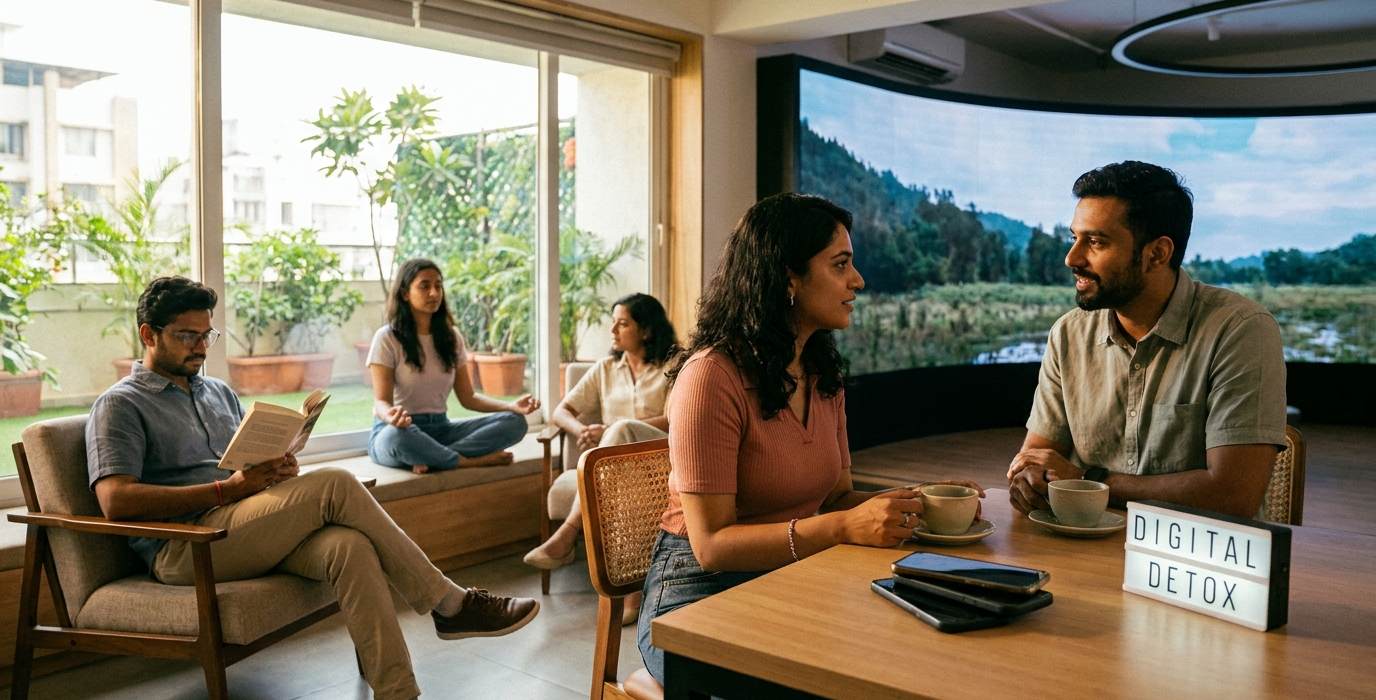
Consider scheduling “digital-free hours” each day. This doesn’t have to be a full 24 hours. Even an hour before bed, or an hour in the morning before checking your phone, can make a significant difference. During these times, engage in activities that nourish your mind and soul: read a physical book, spend time with loved ones, practice mindfulness, or simply sit and observe your surroundings. These moments of deliberate disconnection are crucial for mental restoration and for regaining a sense of control over your digital life.
The “Notification Diet”: Taming the Digital Siren Call
One of the most pervasive drains on our attention is the constant barrage of notifications. Every alert, whether from an app, email, or social media, is a small interruption that pulls us away from what we’re doing. In 2026, the sheer volume of these alerts can feel overwhelming, creating a state of perpetual distraction. We often find ourselves reacting to these digital calls rather than responding intentionally to our priorities.
Implementing a “notification diet” is a powerful strategy. Go through your phone’s settings and selectively disable notifications for apps that don’t require immediate attention. For instance, do you really need an instant alert every time someone likes your photo on Instagram? Probably not. Reserve notifications for essential communications, like calls from family or urgent work messages. You can even set specific times to check non-urgent apps, rather than allowing them to dictate your focus throughout the day.
This conscious curation of alerts helps to reduce the cognitive load associated with constant digital interruptions. It allows you to reclaim your mental space and direct your attention where you want it to go. By taking control of your notifications, you are actively choosing to engage with technology on your terms, fostering a more focused and peaceful mental environment. This proactive approach is a cornerstone of mental resilience in our hyper-connected age.
Mindfulness in the Digital Age: Tech Tools for Inner Peace
While technology can be a source of distraction, it can also be a powerful ally in our pursuit of mental well-being. In India, where tradition often emphasizes mindfulness and contemplation, we can leverage digital tools to deepen these practices. The key lies in choosing and using these tools with intention, ensuring they enhance, rather than detract from, our inner peace.
Numerous apps now offer guided meditations, breathing exercises, and sleep stories. Platforms like Headspace and Calm, popular globally, have a growing user base in India, offering content tailored to various needs and preferences. Beyond these, local innovations are emerging. For example, apps developed by Indian wellness practitioners are incorporating traditional Indian philosophies, such as Ayurveda and Yoga, into their mindfulness programs. You might find guided sessions focusing on specific chakras or sequences designed to promote balance according to ancient Indian wisdom.
The surprising fact here is the rapid adoption of digital wellness tools in Tier 2 and Tier 3 cities of India. While metros have led the way, smaller towns are increasingly embracing these technologies, especially post-pandemic, seeking accessible mental health support. You can use these apps not just for meditation, but also for journaling, mood tracking, and even connecting with online communities focused on well-being. The trick is to integrate them mindfully, setting daily reminders to use them as a tool for self-care, not another source of digital obligation.
Digital Detox Retreats: A Growing Trend in India
As awareness around digital well-being grows, so does the demand for immersive experiences that facilitate a complete break from technology. Digital detox retreats are becoming a significant trend across India, offering sanctuaries from the constant digital hum. These retreats are designed to help individuals reconnect with themselves, nature, and others in a screen-free environment.
From the serene foothills of the Himalayas in Himachal Pradesh to the tranquil backwaters of Kerala and the rustic charm of Rajasthan, various locations are offering dedicated detox programs. Participants typically surrender their devices upon arrival and engage in activities such as yoga, meditation, nature walks, art therapy, and communal meals. The focus is entirely on present moment awareness and fostering genuine human connection.
One such retreat, nestled near Rishikesh, offers participants a week of silence and introspection, punctuated by guided nature excursions and Ayurvedic treatments. Another, in a quiet village in Goa, combines mindfulness workshops with sustainable living practices. The transformative power of these experiences lies in the enforced disconnection, allowing the nervous system to recalibrate and the mind to quieten. For those struggling to manage their digital habits independently, these retreats offer a structured and supportive path to reset and re-evaluate their relationship with technology.
Prioritising Sleep: The Foundation of Digital Well-being
In our always-on digital culture, sleep is often the first casualty. The blue light emitted from our screens can disrupt our natural sleep-wake cycle, making it harder to fall asleep and reducing the quality of our rest. In 2026, understanding and actively protecting our sleep hygiene is paramount for maintaining good mental health and cognitive function.
The impact of insufficient sleep extends beyond feeling groggy. It can significantly impair our mood, increase irritability, reduce our ability to concentrate, and even exacerbate feelings of anxiety and depression. For professionals in high-pressure jobs, common in India’s dynamic economy, adequate sleep is not a luxury but a necessity for peak performance and sustained well-being. We often underestimate how crucial a good night’s sleep is for our overall resilience.
To combat this, establish a consistent sleep schedule, even on weekends. Create a relaxing bedtime routine that signals to your body it’s time to wind down – this could include reading a physical book, taking a warm bath, or listening to calming music. Crucially, aim to keep electronic devices out of the bedroom or at least turn them off at least an hour before you intend to sleep. If you must use a device, enable night mode or blue light filters. Prioritising sleep is one of the most effective and often overlooked strategies for a healthier relationship with technology and a more robust mental state.
Cultivating Real-World Connections: Beyond the Screen’s Glow
While digital platforms allow us to maintain connections across vast distances, they can sometimes create a false sense of intimacy, replacing deeper, in-person relationships. In 2026, the importance of cultivating and nurturing real-world connections cannot be overstated. These interactions provide a richness and depth of emotional support that online exchanges often struggle to replicate.
Think about the last time you had a deep, unhurried conversation with a friend or family member, face-to-face. The non-verbal cues, the shared laughter, the comfortable silences – these are all vital components of human connection that are largely absent online. Making time for these interactions requires intentional effort, especially with busy schedules and the lure of digital distractions.
This could mean scheduling regular meet-ups with friends, even if it’s just for a chai at your local ‘tapri’ or a walk in a nearby park. Consider joining local clubs or community groups based on your interests, whether it’s a book club in Bangalore, a trekking group in the Western Ghats, or a volunteer organisation in your city. These activities provide opportunities to meet new people and build meaningful relationships outside of the digital realm. The surprising benefit? You’ll often find that these real-world interactions are far more energising and fulfilling than hours spent scrolling through social media feeds.
The “Digital Bill of Rights” for Families and Individuals
As technology becomes even more integrated into our lives, families and individuals are increasingly defining their own “Digital Bills of Rights.” This is a personal or collective agreement on how technology will be used within a household or by an individual, setting clear boundaries and expectations. It’s about establishing a shared understanding and commitment to mindful technology use.
For families, this might include rules around screen time limits for children, designated tech-free mealtimes, or agreements on what kind of online content is appropriate. Parents might draft a “Family Tech Agreement” outlining expectations for respectful online communication, privacy settings, and the importance of balancing online activities with offline pursuits. For instance, a family in Delhi might agree that all phones are put away during dinner and that children have a specific hour for homework before any recreational screen time is permitted.
Individually, a Digital Bill of Rights can serve as a personal manifesto. It might declare your commitment to taking regular breaks from screens, unfollowing accounts that negatively impact your mood, or prioritising in-person interactions. This proactive approach empowers you to take control of your digital environment and ensure it supports your well-being, rather than undermining it. It’s a powerful way to articulate your intentions and hold yourself accountable for living a more balanced digital life.
The Future of Digital Well-being: A Proactive Approach
Looking ahead from 2026, the conversation around digital well-being will only intensify. We are moving beyond simply acknowledging the problem to actively developing solutions. The trend is towards a more proactive and integrated approach, where digital literacy includes understanding the psychological impacts of technology and developing strategies for resilience.
Educational institutions are beginning to incorporate digital citizenship and mental health modules into their curricula. Governments and technology companies are also facing increasing pressure to design platforms that are less addictive and more conducive to user well-being. This shift signifies a growing recognition that our digital habits have tangible consequences for our mental and emotional health.
For us, as individuals and as a society, the path forward involves continuous learning and adaptation. It means being willing to experiment with different strategies, to be honest with ourselves about our digital consumption, and to make conscious choices that prioritise our mental health. By embracing intentional disconnection, leveraging technology mindfully, nurturing real-world connections, and protecting our sleep, we can ensure that the digital future enhances, rather than diminishes, our quality of life. It’s about building a sustainable and healthy relationship with the tools that shape our modern existence.
“In 2026, the most sophisticated digital detox isn’t about abstaining from technology, but about mastering it – using it as a tool for connection and growth, not as a master of our attention.”
Frequently Asked Questions
What are the biggest mental health challenges posed by technology in 2026?
The primary challenges include increased anxiety and stress from constant connectivity, social comparison leading to low self-esteem, sleep disruption due to screen time, and a decline in deep focus and attention span. The pressure to maintain an online persona also contributes significantly to mental strain.
How can I start a digital detox without feeling overwhelmed?
Begin small. Implement one change at a time, such as designating a screen-free hour before bed or turning off notifications for non-essential apps. Gradually increase your periods of disconnection as you become more comfortable. Focus on replacing screen time with enjoyable offline activities you love.
Are there specific Indian cultural practices that can aid digital well-being?
Yes, practices like mindfulness meditation (Dhyana), yoga, and the principles of Ayurveda offer excellent frameworks for balance. Engaging in traditional arts, spending time in nature, and fostering strong community bonds, which are integral to Indian culture, also serve as powerful counterpoints to excessive digital engagement.
What if my work requires me to be constantly online?
If your profession demands continuous digital engagement, focus on creating boundaries within your work hours and at home. Take short, mindful breaks every hour to stretch and rest your eyes. Prioritise sleep and exercise rigorously. Schedule intentional offline time for family and personal rejuvenation to prevent burnout.