Key Takeaways
- Millennials in India face unique pressures from career, family, and social media, impacting mental well-being in 2026.
- Integrating mindfulness, digital detoxes, and professional support are crucial strategies for managing stress and anxiety.
- Building strong community ties and embracing cultural practices can significantly bolster resilience.
- Proactive self-care, including adequate sleep and nutrition, forms the bedrock of sustained mental health.
Navigating the 2026 Millennial Maze: Stressors and Solutions
For India’s millennials, the year 2026 presents a complex tapestry of opportunities and challenges, often leading to heightened stress and anxiety. We’re caught between traditional expectations and the relentless pace of a hyper-connected world. The pressure to excel professionally, often while supporting aging parents and raising young families, is immense. This generation, born between roughly 1981 and 1996, has grown up with the internet, witnessing its evolution into the omnipresent force it is today.
Social media, while a connector, also acts as a constant comparator, fueling feelings of inadequacy and FOMO (Fear Of Missing Out). The curated lives we see online rarely reflect the messy reality, creating a subtle but pervasive disconnect. Economic uncertainties, especially in a rapidly changing job market, add another layer of worry. Balancing ambition with a desire for work-life integration is a constant tightrope walk. Recognizing these unique pressures is the first step towards finding effective coping mechanisms.
We’re seeing a significant shift in how mental health is perceived, moving away from stigma towards acceptance and proactive management. This is a positive development, but it requires tangible strategies that fit into our busy lives. The goal isn’t to eliminate stress entirely, which is often impossible, but to build resilience and develop healthy ways to cope when it arises. This article offers practical, actionable advice tailored for the Indian millennial experience in 2026.
The Power of Presence: Mindfulness and Digital Detox
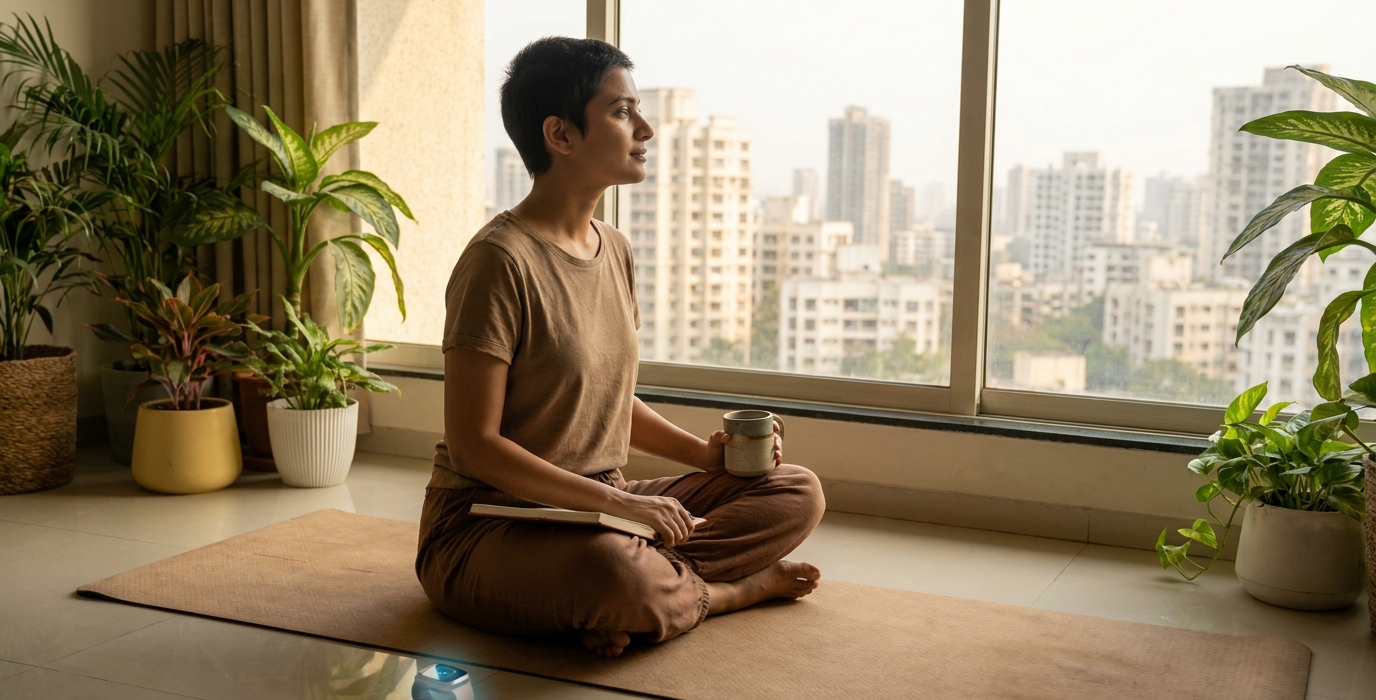
In 2026, our smartphones are extensions of ourselves, but this constant connectivity can be a significant drain on our mental energy. The endless scroll, the ping of notifications, and the pressure to be always available contribute to chronic stress and anxiety. This is where the practice of mindfulness and intentional digital detoxes become essential tools in our arsenal. Mindfulness, simply put, is about paying attention to the present moment without judgment.
This can be as simple as focusing on your breath for a few minutes each day, or engaging fully in an activity, whether it’s eating your lunch or walking through a park in your city, perhaps along the Marine Drive in Mumbai or the Lodhi Garden in Delhi. Even 5-10 minutes of focused breathing can help calm an overactive mind. Apps like Headspace and Calm offer guided meditations specifically designed for busy schedules, many with content in Hindi and other Indian languages, making them more accessible.
A digital detox doesn’t mean abandoning technology altogether. It’s about setting boundaries. Designate ‘no-phone’ times, such as during meals or the hour before bed. Consider ‘screen-free’ Sundays, where you consciously engage in offline activities. This could involve spending time with family, pursuing a hobby, or simply enjoying the quiet. A surprising fact: studies in 2026 show that even a single day of reduced social media use can lead to a measurable decrease in anxiety and depression symptoms, a phenomenon some researchers are calling the “digital exhale.”
Building Your Support System: Community and Connection
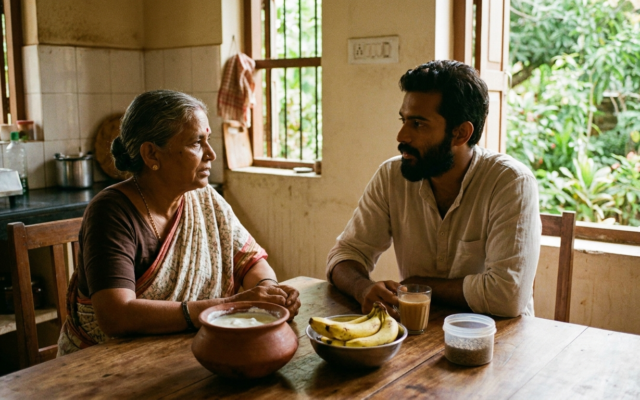
While technology connects us globally, genuine human connection remains a cornerstone of mental well-being. For Indian millennials, family often forms the primary support network, but in 2026, we’re increasingly looking to build broader communities. This can include close-knit friend groups, hobby-based clubs, or even online communities that foster authentic interaction and mutual support. The strength of these connections acts as a buffer against life’s inevitable stresses.
Engaging with your community can take many forms. Consider joining a book club in your locality, volunteering for a cause you believe in, or participating in local cultural events, such as the Durga Puja celebrations in Kolkata or the Onam festivities in Kerala. These activities provide a sense of belonging and shared purpose. Sharing your challenges with trusted friends or family members can provide valuable perspective and emotional relief. It’s important to remember that seeking help is a sign of strength, not weakness.
We often underestimate the power of simply being present with loved ones. A weekend trip to the hills near Shimla or a simple evening chai with friends can do wonders. Furthermore, exploring our rich cultural heritage can offer profound solace. Practices like yoga, meditation, and even participating in traditional festivals can foster a sense of continuity and belonging. A lesser-known benefit of deep community ties is their impact on our physical health; research from 2026 indicates that individuals with strong social support networks tend to have lower blood pressure and stronger immune systems.
When to Seek Professional Help: Therapy and Counseling
Despite our best efforts at self-care and community building, there are times when professional help becomes not just beneficial, but essential. The stigma surrounding mental health in India, while reducing, still persists for some. However, in 2026, accessing therapy and counseling is becoming more normalized and readily available, both online and offline. Recognizing the signs that you might need professional support is crucial for your overall well-being.
Persistent feelings of sadness, overwhelming anxiety, loss of interest in activities you once enjoyed, significant changes in sleep or appetite, or thoughts of self-harm are all indicators that it’s time to reach out. Therapists and counselors are trained professionals who can provide a safe, non-judgmental space for you to explore your feelings and develop coping strategies. They can help you understand the root causes of your stress and anxiety and equip you with tools to manage them effectively.
The digital age has democratized access to mental health services. Numerous platforms now offer online therapy sessions with licensed professionals, many of whom are familiar with Indian cultural nuances and can conduct sessions in regional languages. This makes seeking help more convenient and accessible, especially for those in remote areas or with demanding schedules. Don’t hesitate to explore options like Practo, YourDOST, or InnerHour, which provide a range of mental health services. A surprising statistic from 2026 suggests that over 60% of millennials in urban India have considered or used online mental health services at least once.
Nourishing Your Body, Nurturing Your Mind: Lifestyle Foundations
The mind-body connection is undeniable. What we do for our physical health directly impacts our mental state, and vice-versa. In the whirlwind of 2026, it’s easy to let basic self-care practices slide, but these are the very foundations upon which mental resilience is built. Prioritizing adequate sleep, balanced nutrition, and regular physical activity is not a luxury; it’s a necessity for sustained mental well-being.
Aim for 7-9 hours of quality sleep each night. This is when your brain processes emotions and consolidates memories. Creating a consistent sleep schedule, even on weekends, can significantly improve sleep quality. For nutrition, focus on whole, unprocessed foods. Incorporate plenty of fruits, vegetables, lean proteins, and healthy fats. While occasional indulgence is fine, a diet rich in nutrients fuels your brain and can help regulate mood. Think of the vibrant, fresh produce found in local markets across India – incorporate that goodness into your daily meals.
Physical activity is a powerful stress reliever. It doesn’t have to be an intense gym session; a brisk walk, a yoga class, dancing, or even gardening can make a difference. Find an activity you enjoy, and aim for at least 30 minutes most days of the week. Exploring the serene beauty of places like the backwaters of Kerala or the tranquil beaches of Goa can be a perfect backdrop for mindful movement. A fascinating insight from 2026 research indicates that even short bursts of moderate exercise, as little as 10 minutes, can trigger the release of endorphins, significantly boosting mood and reducing feelings of anxiety.
Embracing Resilience: Adapting to Change and Finding Joy
Life in 2026 is characterized by constant change, and our ability to adapt is key to maintaining our mental equilibrium. Resilience isn’t about avoiding challenges; it’s about learning to navigate them with strength and grace. This involves developing a positive outlook, even when faced with setbacks, and recognizing that difficult times are often temporary. It’s about reframing challenges as opportunities for growth.
Cultivating a sense of gratitude can be a powerful tool. Regularly taking note of the good things in your life, no matter how small, shifts your focus from what’s lacking to what you have. This could be as simple as appreciating a beautiful sunset over the Himalayas or the warmth of a family gathering. Actively seeking out moments of joy and pleasure is also vital. Make time for hobbies, listen to music that uplifts you, watch a comedy, or spend time with pets. These activities act as emotional resets.
Learning to say ‘no’ is another crucial aspect of resilience. Overcommitting yourself leads to burnout and resentment. Setting healthy boundaries protects your energy and allows you to focus on what truly matters. Remember, your mental health is a priority, not an afterthought. A surprising cultural practice that is gaining traction among millennials in 2026 is the mindful practice of “saburi” – a Japanese concept of patient waiting, which, when adapted to Indian contexts, encourages a calm acceptance of delays and unexpected turns, thereby reducing frustration.
Frequently Asked Questions
What are the most common mental health challenges for Indian millennials in 2026?
The most common challenges include stress related to career progression and job security, anxiety stemming from financial pressures and societal expectations, and the impact of social media on self-esteem and social comparison. Work-life balance issues and family responsibilities also contribute significantly.
How can I integrate mindfulness into a busy schedule?
Start small with 5-10 minute guided meditations using apps, focus on mindful breathing during your commute, or practice mindful eating. The key is consistency, not duration. Even brief moments of intentional presence can make a difference.
Is it okay to seek therapy if I’m not experiencing a severe mental health crisis?
Absolutely. Therapy is beneficial for anyone seeking to understand themselves better, develop coping mechanisms, improve relationships, or navigate life transitions. It’s a proactive approach to mental well-being, not just a reactive one for crises.
What role does diet play in mental health?
A balanced diet rich in whole foods, fruits, vegetables, and lean proteins supports brain function and can help regulate mood. Conversely, diets high in processed foods and sugar can exacerbate anxiety and depression symptoms. Staying hydrated is also crucial.
How can I disconnect from technology without feeling isolated?
Schedule specific ‘tech-free’ times and replace screen time with offline activities like reading, hobbies, spending time outdoors, or engaging in face-to-face interactions with friends and family. Focus on quality over quantity in your connections.