Key Takeaways
- India is seeing a surge in innovative mental wellness therapies beyond traditional talk therapy, driven by increasing awareness and accessibility.
- Mindfulness-based practices, including meditation and yoga, are gaining significant traction for stress reduction and emotional regulation.
- Digital mental health platforms offer scalable solutions, providing access to therapy, self-help tools, and support communities.
- The integration of art, music, and nature into therapeutic approaches is proving highly effective for holistic well-being.
- Personalized wellness journeys, often supported by genetic testing and lifestyle analysis, are emerging as a key trend.
The Shifting Landscape of Indian Mental Wellness
India’s approach to mental wellness is undergoing a profound transformation. For generations, conversations around mental health were often whispered, shrouded in stigma and misunderstanding. However, the past decade has witnessed a dramatic shift, fuelled by greater awareness, increased media coverage, and a growing recognition that mental well-being is as crucial as physical health. This evolution isn’t just about more people seeking help; it’s about the *kinds* of help they are seeking and the innovative therapies now available.
We are moving beyond the confines of traditional psychotherapy in many urban centres. While these methods remain vital, a new wave of therapeutic modalities is emerging, catering to the unique pressures of modern Indian life. From the bustling metropolises like Mumbai and Delhi to smaller towns increasingly connected online, individuals are looking for accessible, effective, and often more holistic ways to manage stress, anxiety, and other mental health challenges. This article explores some of these cutting-edge approaches that are reshaping the mental wellness landscape across the nation.
Mindfulness: The Ancient Wisdom for Contemporary Minds
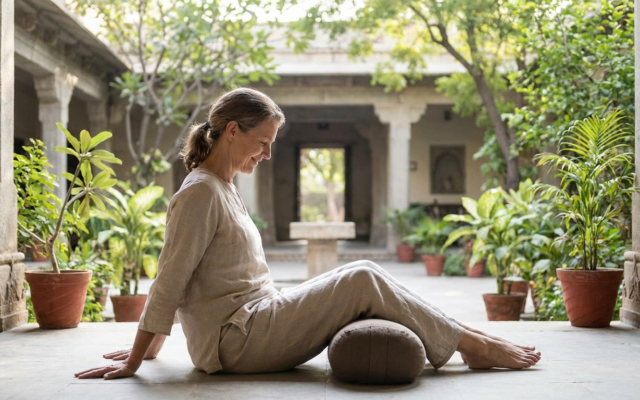
When you think of mental wellness, the image of someone meditating might come to mind, and for good reason. Mindfulness, an ancient Buddhist practice, has found a powerful resurgence in modern India, offering a potent antidote to the relentless pace of life. It’s not just about sitting cross-legged in silence; it’s about cultivating present moment awareness without judgment.
Practices like Vipassanā meditation, which originated in India, are now being integrated into corporate wellness programs and community centres. Yoga, a cornerstone of Indian heritage, is also a profound mindfulness tool. Beyond the physical postures (asanas), yoga emphasizes breath control (pranayama) and meditation, equipping individuals with techniques to calm the nervous system and enhance emotional resilience. Many yoga studios in cities like Bengaluru and Pune now offer specialized classes for stress management and anxiety reduction, often blending traditional techniques with modern psychological insights. A surprising fact: studies have shown that consistent mindfulness practice can lead to measurable changes in brain structure, particularly in areas associated with emotional regulation and self-awareness.
Digital Therapies: Bridging Gaps in Access
The digital revolution has undeniably transformed how we access information and services, and mental health is no exception. For many Indians, especially those in remote areas or with mobility issues, traditional therapy can be a significant hurdle. This is where digital mental health platforms are stepping in, offering a scalable and accessible solution.
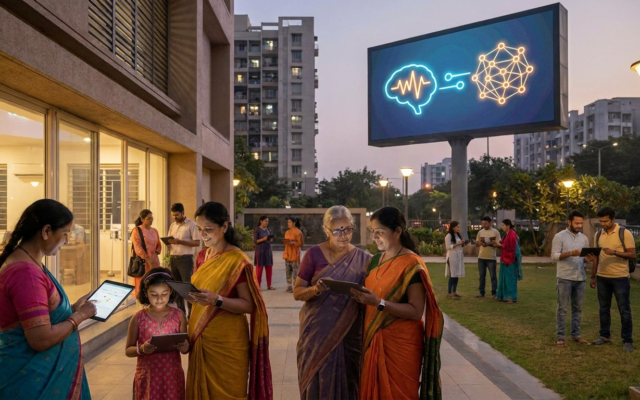
Apps like Wysa, InnerHour, and YourDOST provide a range of services, from AI-powered chatbots that offer immediate emotional support and cognitive behavioural therapy (CBT) techniques, to online counselling sessions with licensed therapists. These platforms democratize access, allowing users to connect with professionals at their convenience, often at a fraction of the cost of in-person appointments. They also offer self-help modules, guided meditations, and mood tracking tools, empowering individuals to take an active role in their mental well-being journey. The reach is astounding; many of these platforms are now accessible in multiple Indian languages, making mental health support more inclusive than ever before. This digital shift is crucial for addressing the sheer scale of mental health needs across a diverse population.
The Healing Power of Arts and Nature
While talk therapy and digital tools are invaluable, a growing body of evidence highlights the profound healing potential of engaging with the arts and the natural world. These modalities tap into different aspects of our being, offering alternative pathways to emotional expression and stress relief.
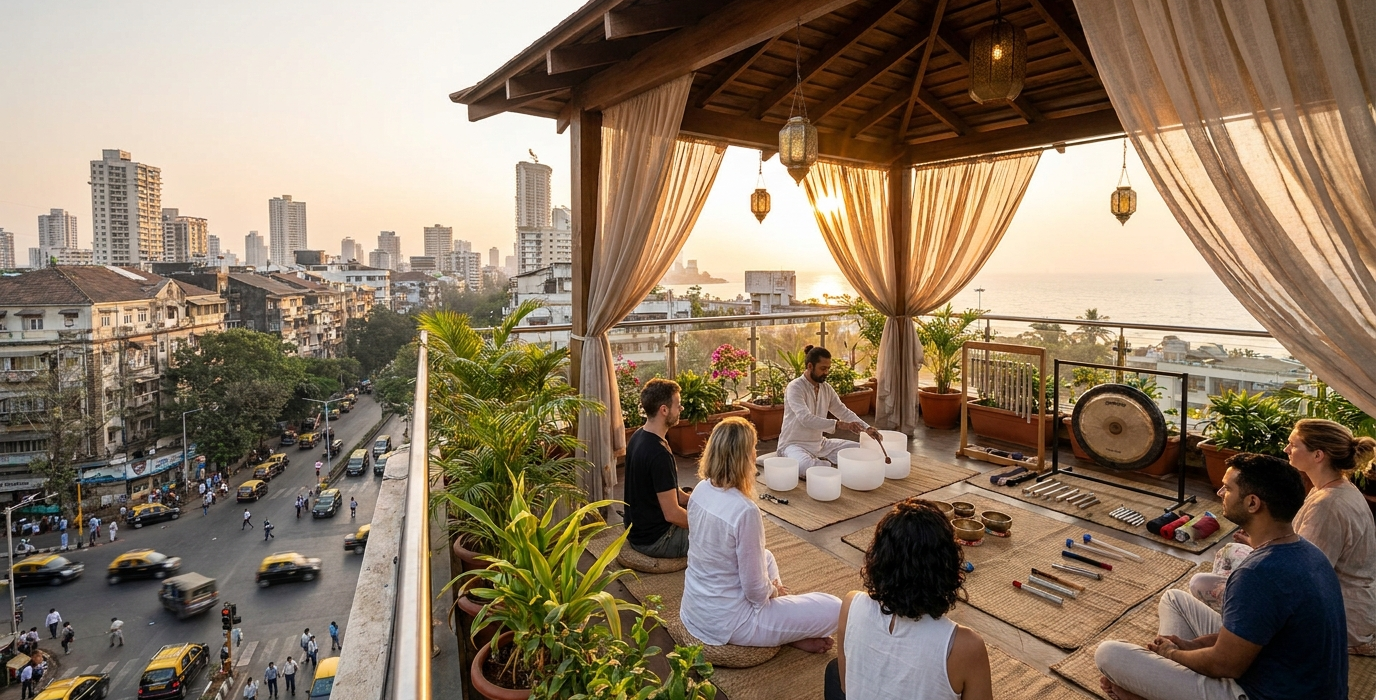
Art therapy, for instance, uses the creative process of making art to improve a person’s physical, mental, and emotional well-being. In cities like Chennai, art studios and NGOs are offering art therapy workshops for children and adults, allowing them to express complex emotions that might be difficult to articulate verbally. Similarly, music therapy is gaining recognition for its ability to reduce anxiety, improve mood, and enhance cognitive function. Experiential therapies that involve spending time in nature, often termed ecotherapy or nature therapy, are also gaining traction. Imagine a guided nature walk in the serene Aravalli hills near Udaipur or a forest bathing session in the Western Ghats. These experiences help reconnect individuals with their environment, fostering a sense of peace and grounding. A surprising fact: research suggests that even looking at pictures of nature can lower stress hormones, underscoring the innate human connection to the natural world.
Personalized Wellness: The Rise of Bio-Individuality
The one-size-fits-all approach to mental wellness is rapidly becoming a relic of the past. Today’s individuals are increasingly seeking personalized journeys, tailored to their unique biological makeup, lifestyle, and specific needs. This trend is driven by advancements in science and a deeper understanding of bio-individuality.
Services offering genetic testing for mental wellness are emerging, providing insights into predispositions for conditions like anxiety or depression, and even suggesting how individuals might best respond to certain therapeutic interventions or nutrients. Coupled with lifestyle analysis – including sleep patterns, diet, and activity levels – these data points help create highly individualized wellness plans. For example, a nutritionist in Kolkata might work with a client, informed by their genetic profile, to craft a diet designed to optimize neurotransmitter function and improve mood. Similarly, a fitness coach might design an exercise regimen that leverages an individual’s energy cycles. This level of personalization ensures that interventions are not only more effective but also more sustainable in the long run, moving beyond general advice to truly targeted support.
Integrating Traditional Systems with Modern Science
India’s rich heritage of traditional healing systems offers a vast reservoir of wisdom that is now being thoughtfully integrated with modern scientific understanding. This synergy creates powerful, holistic approaches to mental well-being that acknowledge the interconnectedness of mind, body, and spirit.
Ayurveda, for instance, with its emphasis on balancing doshas (body types) through diet, lifestyle, and herbal remedies, is being explored for its potential to manage stress and improve mental clarity. Ayurvedic practitioners in places like Rishikesh are now collaborating with psychologists to offer integrated treatment plans. Similarly, the ancient practice of yoga, as mentioned earlier, is a prime example of this integration, with modern scientific research validating its benefits for mental health. The concept of ‘holistic health’ is not new to India; it is an intrinsic part of its ancient philosophies. What is new is the scientific validation and the systematic way these traditions are being incorporated into mainstream wellness strategies, offering a culturally resonant and deeply effective path to well-being for millions.
Frequently Asked Questions
What are some common new age therapies for mental wellness in India?
Beyond traditional talk therapy, popular new age therapies include mindfulness-based practices like meditation and yoga, digital mental health platforms offering online counselling and AI support, art and music therapy, nature therapy, and personalized wellness plans informed by genetics and lifestyle analysis. These approaches aim for holistic well-being.
How accessible are these therapies for people in smaller Indian towns?
Digital mental health platforms have significantly improved accessibility, offering online services and support in regional languages. While in-person specialized therapy centres are still primarily in larger cities, online options and community-led initiatives are slowly extending reach to smaller towns and rural areas.
Can genetic testing truly impact mental wellness treatments?
Genetic testing can offer insights into potential predispositions and how an individual might metabolize certain medications or respond to specific nutrients. This information can help tailor treatment plans for greater efficacy, but it is crucial to remember that genetics are only one piece of the puzzle; lifestyle and environmental factors are equally important.
Is there a growing acceptance of these alternative therapies in India?
Yes, there is a significant and growing acceptance. Increased awareness campaigns, the positive experiences of early adopters, and the proven effectiveness of many of these therapies have helped to reduce stigma and build trust. Many corporations and educational institutions are also integrating these practices into their wellness programs.
What is the role of community and social support in these new wellness approaches?
Community and social support are fundamental. Many digital platforms incorporate forums and peer support groups. Likewise, art therapy workshops, yoga retreats, and nature-based wellness programs often foster a strong sense of community, providing individuals with a supportive network that is vital for sustained mental well-being.