Key Takeaways
- New digital tools are emerging that offer accessible and personalised mental wellness support for Indian users.
- These platforms leverage AI, gamification, and culturally relevant content to address stress, anxiety, and depression.
- We explore how these technologies can complement traditional therapy and provide a first line of support for many.
- Understanding the specific features and benefits can help you find the right digital companion for your mental well-being journey.
The Digital Shift in Indian Mental Wellness
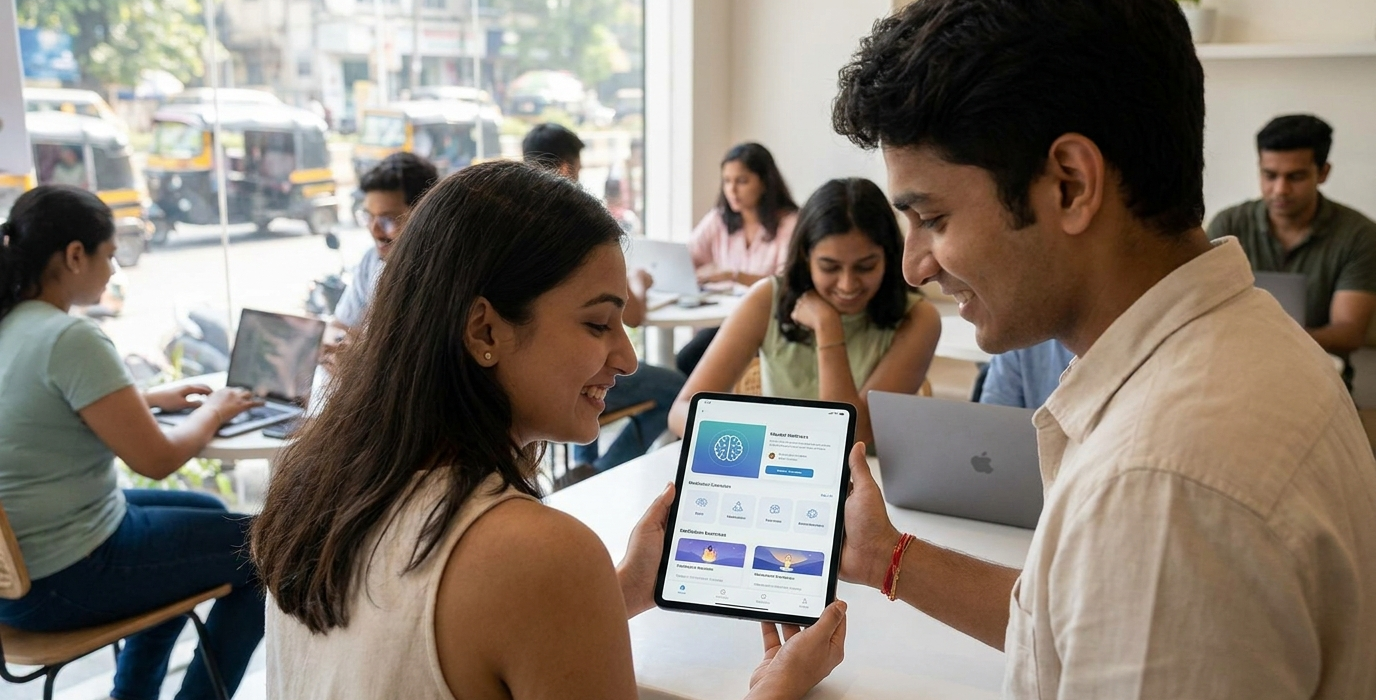
The conversation around mental health in India is evolving, and thankfully, so are the solutions. For too long, accessing support meant navigating complex systems or facing societal stigma. Today, a wave of innovative digital tools is breaking down these barriers, offering accessible, personalised, and often discreet avenues for mental wellness. From bustling metros like Mumbai and Delhi to smaller towns across the subcontinent, individuals are increasingly turning to their smartphones for solace, guidance, and self-improvement. We’re witnessing a significant shift where technology is not just a distraction but a powerful ally in fostering emotional resilience. This isn’t about replacing human connection or professional help entirely; it’s about augmenting it, making support available anytime, anywhere. We’ll delve into some of the most promising developments shaping this new landscape.
These digital solutions are designed with the unique challenges and cultural nuances of India in mind. They understand the pressures of academic performance, career ambitions, family expectations, and the everyday stresses that many of us navigate. By incorporating elements like mindfulness exercises, mood tracking, and cognitive behavioural therapy (CBT) techniques, these apps aim to equip you with practical tools to manage your mental state. The goal is to empower individuals to take proactive steps towards better mental well-being, fostering a sense of agency and control. We’re seeing a generation that is more open to discussing mental health, and these digital tools are providing the infrastructure for that dialogue to flourish.
AI-Powered Companions: Your Personalised Guide
Artificial intelligence is no longer a futuristic concept; it’s becoming an integral part of how we access mental wellness support. Imagine having a virtual companion that understands your emotional patterns, offers tailored coping strategies, and learns from your interactions to provide increasingly relevant advice. This is the promise of AI-powered mental wellness apps. These platforms can analyse your mood logs, sleep patterns, and even your language use to identify potential triggers for stress or anxiety. Based on this analysis, they can suggest personalised exercises, guided meditations, or journaling prompts.
One particularly exciting development is the use of AI chatbots. These bots are trained on vast datasets of therapeutic conversations and psychological principles, allowing them to engage in empathetic and supportive dialogues. They can provide a safe space for users to express their feelings without fear of judgment. For individuals who find it difficult to open up to a human therapist, especially initially, these AI companions can be a crucial first step. They offer immediate availability, meaning you don’t have to wait for an appointment to get some form of support. This constant accessibility is a game-changer for many.
Gamification and Engagement: Making Wellness Fun
Let’s be honest: sometimes, sticking to a wellness routine can feel like a chore. This is where gamification steps in, transforming the journey of mental self-care into an engaging and rewarding experience. Many new digital platforms are incorporating game-like elements to keep users motivated and consistent. Think of earning points for completing meditation sessions, unlocking new guided exercises as you progress, or participating in friendly challenges with a community of users. These features tap into our natural inclination for play and achievement, making the process of improving mental well-being feel less like work and more like a fulfilling pursuit.
This approach is particularly effective for younger demographics, who are often early adopters of new technologies and responsive to interactive formats. However, the benefits extend to all age groups. By breaking down complex wellness practices into smaller, achievable goals, gamification helps build sustainable habits. It provides a sense of accomplishment with each small step, reinforcing positive behaviours. Imagine a daily mood tracker that rewards you for consistency or a stress-reduction challenge that offers virtual badges for milestones. These subtle motivators can significantly boost adherence and long-term engagement, making mental wellness a more enjoyable part of your daily life.
Culturally-Sensitive Content: Connecting with Your Roots
A significant leap forward in digital mental wellness for India is the growing emphasis on culturally relevant content. Generic advice simply doesn’t cut it when you’re dealing with unique societal pressures and family dynamics. The latest platforms are actively incorporating Indian languages, customs, and specific stressors into their offerings. This means guided meditations that use familiar imagery or scenarios, or articles and tips that address issues like career pressures in the Indian context or the complexities of joint family living. It’s about making the support feel deeply personal and relatable.
For instance, some apps now offer mindfulness exercises incorporating elements of Indian philosophy or traditions, like yoga nidra, adapted for modern life. Others provide resources that speak directly to the challenges faced by students preparing for competitive exams, or young professionals navigating work-life balance in demanding industries. This thoughtful localisation ensures that the tools resonate with users on a deeper level, fostering trust and encouraging consistent engagement. We’re also seeing platforms that integrate traditional Indian healing practices with modern psychological techniques, creating a holistic approach that honours our heritage while embracing innovation. This is a vital step towards making mental health support truly accessible and effective for everyone in India.
Surprising Fact 1: The Rise of Vernacular Language Apps
It might surprise you to learn just how many new mental wellness apps are now offering robust support in regional Indian languages. Beyond Hindi and English, platforms are increasingly providing content and even AI-driven conversations in languages like Tamil, Bengali, Marathi, and Gujarati. This democratises access, reaching millions who may not be comfortable or fluent in English. It’s a testament to the developers’ understanding that true accessibility means speaking to people in the language of their hearts and minds.
Bridging the Gap: Digital Tools and Professional Help
It’s crucial to understand that these digital mental wellness tools are not intended to replace qualified mental health professionals. Instead, they serve as powerful complements, bridging the gap between needing help and receiving it. For many, these apps can act as a first point of contact, offering immediate relief and teaching self-management techniques. This can be especially beneficial in remote areas where access to therapists is limited or for individuals who experience significant stigma around seeking professional help. By providing accessible resources, these platforms can empower individuals to take charge of their well-being.
Furthermore, these digital tools can enhance the effectiveness of traditional therapy. Users can track their moods, identify patterns, and engage in exercises between sessions, providing valuable insights for their therapists. Imagine going into a therapy session armed with detailed mood logs and a clear understanding of the coping strategies that have worked for you. This can lead to more focused and productive therapeutic conversations. Some advanced platforms even offer features that allow users to securely share their progress data with their therapists, fostering a more collaborative approach to mental health care.
Surprising Fact 2: Gamified Therapy for Specific Conditions
Did you know that some digital platforms are now using gamification not just for general well-being, but to specifically target conditions like mild to moderate depression and anxiety? These aren’t simple games; they are carefully designed therapeutic interventions. For example, a game might involve helping a character navigate social situations, with each successful interaction reinforcing positive coping mechanisms learned from CBT principles. This innovative approach makes therapeutic exercises less daunting and more engaging, leading to better adherence and outcomes for users.
Navigating the Landscape: What to Look For
As you explore the growing world of digital mental wellness tools, it’s important to know what to look for to ensure you’re finding the right fit for your needs. Prioritise apps that offer evidence-based techniques, such as those rooted in CBT, mindfulness, or dialectical behaviour therapy (DBT). Look for features that allow for personalised tracking of your mood, sleep, and activities, as this data can be invaluable for self-awareness and for sharing with professionals. Consider the availability of culturally relevant content that speaks to your specific experiences and background.
Here’s a quick comparison of some common features you might encounter:
| Feature | Description | Benefit | Consideration |
|---|---|---|---|
| Mood Tracking | Daily logging of emotional states and associated factors. | Increases self-awareness, identifies triggers. | Ensure it’s easy and quick to use. |
| Guided Meditations | Audio or video sessions for relaxation and focus. | Reduces stress, improves mindfulness. | Look for variety and duration options. |
| AI Chatbots | Conversational agents for support and guidance. | Offers immediate, non-judgmental interaction. | Check for natural language processing and empathetic responses. |
| Journaling Prompts | Structured questions to encourage self-reflection. | Aids emotional processing and problem-solving. | See if prompts align with your goals. |
| Gamified Challenges | Interactive elements to motivate habit formation. | Enhances engagement and adherence. | Ensure it doesn’t feel overly superficial. |
Don’t be afraid to try out a few different apps to see which interface and approach you find most intuitive and helpful. Many offer free trials, allowing you to test their features before committing. Read user reviews, but remember that individual experiences can vary. Ultimately, the best tool is the one you’ll consistently use and find beneficial for your mental well-being.
“The digital revolution in mental wellness is not just about convenience; it’s about democratising access and empowering individuals to take proactive control of their emotional health, no matter where they are in India or the world.”
Frequently Asked Questions
Are these apps a replacement for therapy?
No, these apps are generally designed to complement, not replace, professional mental health care. They offer valuable tools for self-management, support, and early intervention, but they cannot provide the in-depth diagnosis or treatment that a qualified therapist can.
How do I know if a digital mental wellness tool is safe and effective?
Look for apps developed by reputable organisations or mental health professionals. Check for evidence-based techniques being used. Many offer transparency about their methods. User reviews can also offer insights, but always approach them with a critical eye.
Can I use these tools if I don’t speak English fluently?
Yes, increasingly! Many platforms now offer content and interfaces in various Indian regional languages, making them accessible to a much wider audience. Look for language options within the app’s settings.
What if I experience a mental health crisis while using an app?
These apps are typically for managing everyday stress, anxiety, or mild mood issues. If you are experiencing a mental health crisis, please reach out to a crisis hotline or emergency services immediately. Most apps will provide links or contact information for emergency resources.
How much do these digital mental wellness tools cost?
Costs vary significantly. Some offer free basic versions with optional premium subscriptions for advanced features. Others operate on a subscription model from the outset. It’s wise to check pricing details and consider free trial periods before committing financially.