Key Takeaways
- India’s youth are facing unprecedented levels of stress and anxiety, exacerbated by social media and academic pressures.
- New digital tools and community-led initiatives are emerging as vital support systems.
- Integrating mindfulness, digital detox, and professional help is crucial for holistic well-being.
- Early intervention and destigmatisation are key to fostering a mentally healthier generation.
The Silent Surge: Understanding Today’s Youth Mental Health Crisis
The vibrant energy of India’s youth, a demographic driving much of the nation’s progress, is increasingly shadowed by a silent surge of mental health challenges. We’re witnessing a worrying rise in stress, anxiety, and depression, particularly among those navigating the complex terrain of adolescence and early adulthood. This isn’t a distant problem; it’s unfolding in homes and classrooms across bustling metropolises like Delhi and Mumbai, and in quieter towns alike.
The digital age, while connecting us in unprecedented ways, has also amplified pressures. Constant comparison on social media, the relentless pursuit of academic excellence, and the uncertainty of future prospects are taking a significant toll. Many young Indians feel an overwhelming sense of isolation, even when surrounded by others. This pervasive stress can manifest in various ways, from sleep disturbances and irritability to more serious conditions requiring professional attention. It’s a complex interplay of societal expectations, technological immersion, and the inherent challenges of growing up.
Understanding the root causes is the first step. Factors such as high parental expectations, intense competition in entrance exams for engineering and medical colleges, and the pervasive influence of online content create a pressure cooker environment. We must acknowledge that the traditional coping mechanisms may no longer suffice for this generation. The stigma surrounding mental health, though slowly diminishing, still prevents many from seeking help, leading to prolonged suffering. Recognizing these nuanced challenges is paramount to developing effective, culturally sensitive interventions.
Digital Lifelines: Leveraging Technology for Support
In response to this growing crisis, a wave of innovative digital solutions is emerging, offering accessible and immediate support to young Indians. These aren’t just generic apps; many are being tailored with Indian cultural nuances in mind, making them more relatable and effective. Platforms now offer AI-powered chatbots providing a non-judgmental space for initial conversations about feelings, and guided meditation sessions designed to calm racing thoughts. These tools can be particularly beneficial for those in remote areas or who feel hesitant to speak to someone face-to-face.
One surprising development is the rise of gamified mental wellness apps. These applications transform therapeutic exercises into engaging challenges, making the process of building resilience and emotional regulation feel less like a chore and more like progress. For instance, some apps use interactive stories where user choices influence the character’s emotional state, teaching valuable lessons about coping strategies. This approach taps into the digital fluency of today’s youth, making mental health support more appealing and less intimidating.
Tele-counseling services are also gaining significant traction. With qualified therapists and counselors available online, young people can connect from the privacy of their homes, whether they’re in a hostel in Kota or a village near Madurai. These services often offer flexible scheduling, catering to busy academic or work routines. The accessibility and anonymity provided by these platforms are breaking down traditional barriers to seeking help. We are seeing a conscious effort to integrate these digital lifelines into educational institutions and community centres, creating a more robust support ecosystem.
Community Currents: The Power of Peer and Local Support
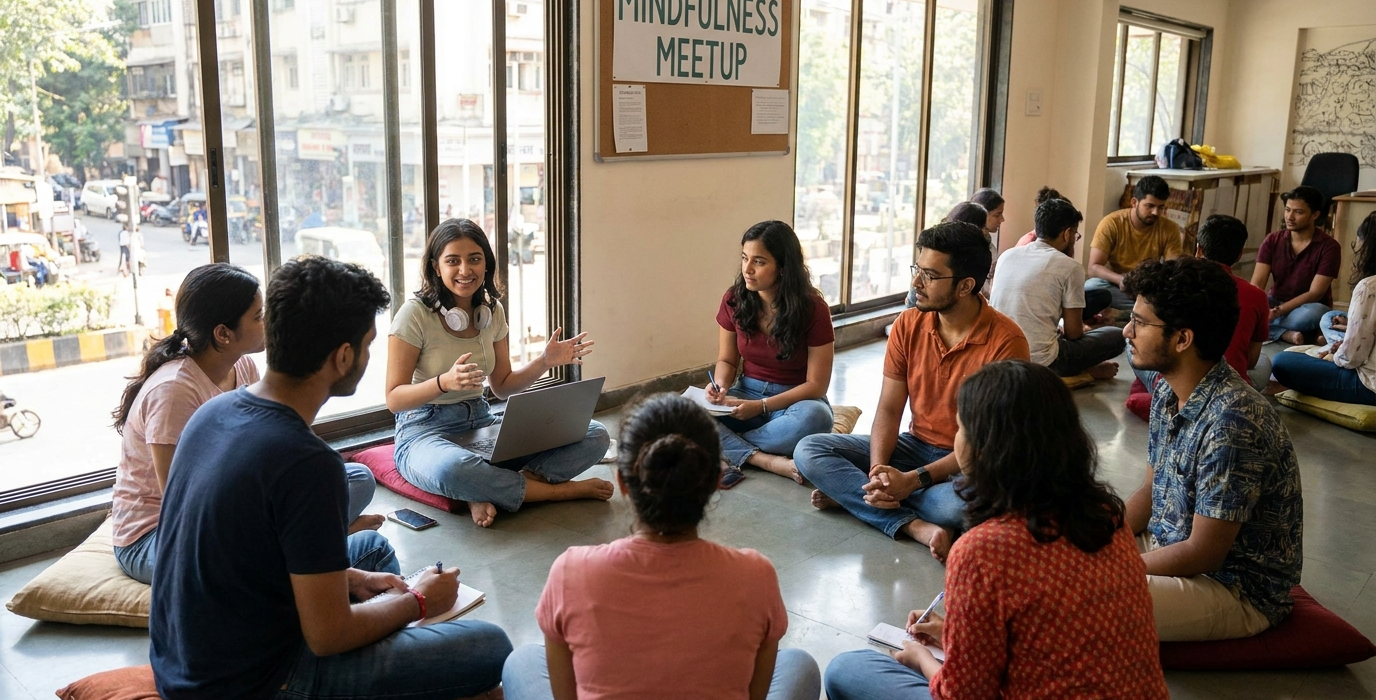
Beyond the digital realm, a powerful resurgence of community-based support is proving invaluable for India’s youth. In cities like Bengaluru and Pune, student-led initiatives and campus mental health clubs are creating safe spaces for open dialogue. These groups often organise workshops on stress management, mindfulness, and healthy lifestyle choices, fostering a sense of belonging and shared experience.
These peer-led initiatives are particularly effective because they leverage the understanding and empathy that comes from shared struggles. Students feel more comfortable confiding in their peers who may have gone through similar challenges, rather than feeling judged by an authority figure. A surprising insight here is the impact of informal support networks. For example, in many college towns, seniors often mentor juniors not just academically, but also emotionally, sharing strategies for navigating the pressures of university life.
Local NGOs and cultural organisations are also playing a crucial role. They often conduct awareness drives in schools and colleges, using traditional storytelling and art forms to destigmatise mental health conversations. These initiatives can reach young people who might not actively seek out digital or formal support. The warmth of human connection, facilitated through these local networks, provides a vital anchor. It reminds young individuals that they are not alone in their struggles, and that support is available within their immediate environment, fostering a stronger sense of community resilience.
Mindful Living: Integrating Ancient Wisdom for Modern Minds
As we navigate the complexities of the 21st century, ancient Indian wisdom is finding renewed relevance in promoting mental well-being among youth. Practices like yoga and meditation, deeply rooted in Indian heritage, are no longer seen as niche activities but as essential tools for building mental resilience. These techniques offer practical ways to manage stress, improve focus, and cultivate emotional balance.
The practice of mindfulness, an integral part of meditation, teaches individuals to be present in the moment without judgment. This is incredibly powerful in a world where young minds are often caught between past regrets and future anxieties. Simple breathing exercises can help regulate the nervous system, providing immediate relief from feelings of panic or overwhelm. Many educational institutions are now incorporating short mindfulness breaks into their daily schedules, recognising their impact on concentration and overall well-being.
Beyond formal meditation, the philosophy of mindful living encourages bringing awareness to everyday activities. Whether it’s savouring a cup of chai, walking through a park in Kolkata, or engaging in a conversation, cultivating this presence can reduce rumination and enhance appreciation for life. This integration of ancient practices into modern life offers a holistic approach, nurturing not just the mind, but the entire being. It’s a testament to the enduring power of our cultural heritage in addressing contemporary challenges.
Navigating the Digital Divide: Digital Detox and Healthy Habits
While digital tools offer support, the constant barrage of online information can also be a significant source of stress for India’s youth. The phenomenon of ‘doomscrolling’ and the pressure to maintain an active online persona contribute to anxiety and burnout. Therefore, actively practicing digital detox and cultivating healthy digital habits is becoming increasingly critical.
This involves setting intentional boundaries around technology use. Simple strategies like designating ‘screen-free’ times, especially before bedtime, can significantly improve sleep quality and reduce mental fatigue. Many young people are experimenting with ‘digital sabbaths,’ taking a full day or weekend off from all non-essential online activity. This allows for a much-needed mental reset and encourages engagement with the offline world.
A surprising, yet effective, strategy is the intentional curation of one’s digital environment. This means unfollowing accounts that trigger negative comparisons or anxiety, and actively seeking out content that is uplifting and informative. Furthermore, encouraging a balance between online and offline activities is key. This could involve rediscovering hobbies, spending quality time with family and friends in person, or exploring the natural beauty of places like the Western Ghats. These conscious choices help reclaim mental space and foster a healthier relationship with technology.
Seeking Professional Help: Breaking the Stigma and Accessing Care
Despite the growing awareness and the availability of various support systems, seeking professional help for mental health concerns remains a significant hurdle for many young Indians, largely due to persistent stigma. However, the narrative is slowly shifting, with more individuals and families recognizing that mental health is as important as physical health.
It’s crucial to understand that seeking therapy or counseling is a sign of strength, not weakness. Professionals provide evidence-based strategies and a confidential space to work through complex emotional issues. Organizations and government initiatives are increasingly working to destigmatise mental health. Campaigns featuring relatable stories of recovery and resilience are helping to normalise the conversation. For instance, many mental health professionals in cities like Chennai now offer services in multiple regional languages, making them more accessible to a broader population.
Accessing care can sometimes be challenging due to cost or availability. However, many universities now offer subsidized or free mental health services on campus. Additionally, a growing number of NGOs and community health centres provide affordable counseling. It’s important to research these options and not hesitate to reach out. Remember, early intervention is key, and taking proactive steps towards mental well-being can lead to a more fulfilling and balanced life. We encourage everyone to view mental health support as an investment in oneself and one’s future.
Frequently Asked Questions
What are the most common mental health issues faced by Indian youth in 2026?
The most prevalent issues include stress, anxiety disorders, depression, and examination-related pressure. Social media’s influence and academic competition are significant contributing factors.
Are there affordable mental health resources available for students in India?
Yes, many universities offer subsidized counseling services. Additionally, numerous NGOs and community health centers provide affordable mental health support across various cities.
How can I introduce mindfulness practices to a teenager struggling with anxiety?
Start with short, guided breathing exercises or simple mindful activities like focusing on sensations during a meal. Apps designed for teens can also make it more engaging and less intimidating.
What is a ‘digital detox’ and why is it important for young people?
A digital detox involves taking a break from digital devices and online platforms. It’s important for reducing screen time fatigue, improving sleep, and fostering real-world connections, which can alleviate anxiety and improve focus.
Where can I find reliable information about mental health services in India?
Reputable sources include government health portals (like the National Health Mission), established mental health organizations, and university counseling centers. Always verify credentials of any therapist or counselor.