Key Takeaways
- Discover the transformative power of curated yoga retreats in India for 2026, specifically designed for stress relief.
- Explore unique locations from the Himalayas to Kerala’s backwaters, offering distinct wellness experiences.
- Understand the evolving trends in yoga retreats, including mindfulness integration and holistic healing modalities.
- Learn how to choose a retreat that aligns with your personal goals and budget for maximum benefit.
The Dawn of De-Stress: Why 2026 is Your Year for a Yoga Retreat
The relentless pace of modern life, coupled with the digital saturation of our everyday existence, has made mental well-being a paramount concern for millions across India and globally. As we navigate through 2026, the quest for genuine peace and rejuvenation is more urgent than ever. Traditional wellness practices are experiencing a renaissance, with yoga retreats emerging as powerful sanctuaries for the mind and body.
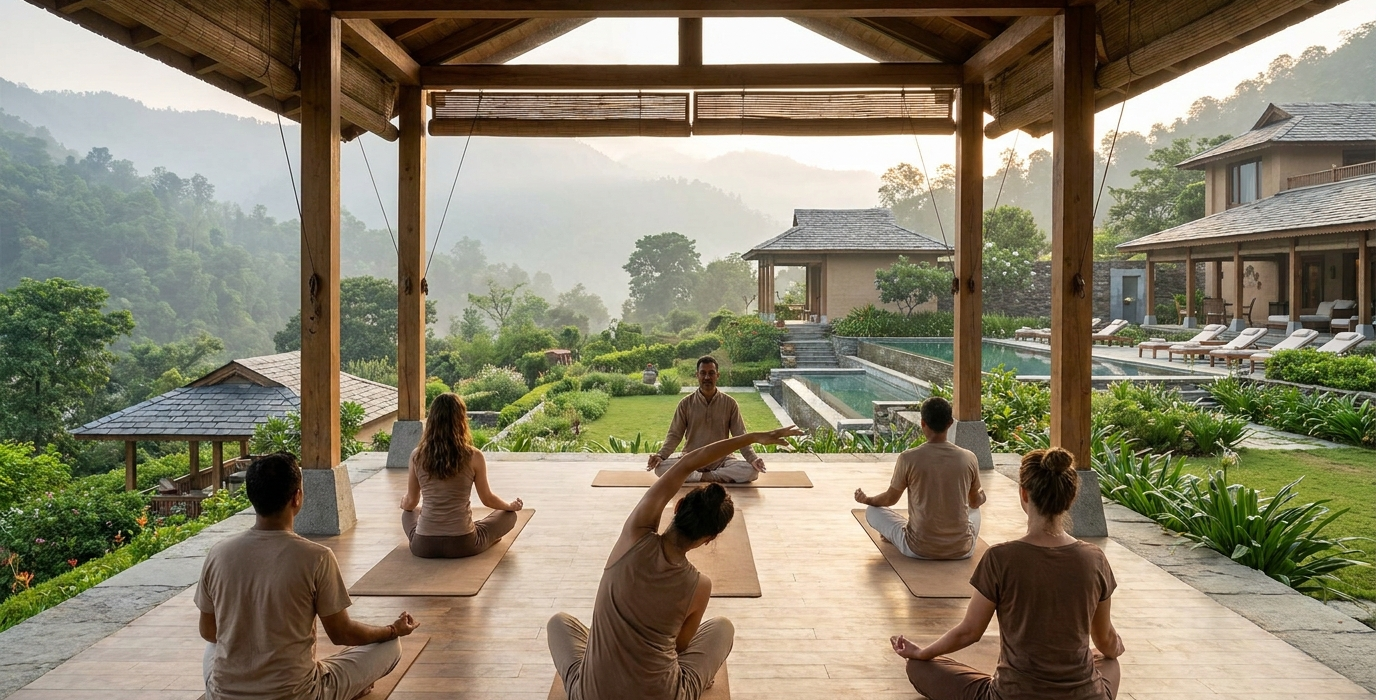
These retreats offer more than just a break from routine; they are immersive journeys designed to recalibrate your inner compass. Imagine waking up to the crisp mountain air in Rishikesh, or the gentle lapping of waves in Goa, with the sole purpose of nurturing your mental health. This year, we’re seeing a surge in innovative retreat offerings that blend ancient wisdom with contemporary therapeutic approaches, making them more accessible and effective than ever before.
We’ve delved into what makes a yoga retreat truly impactful for stress relief in 2026. It’s about finding a space where you can disconnect from the external noise and reconnect with yourself. The focus is shifting from mere physical postures to a holistic approach that encompasses mindfulness, meditation, nutritional guidance, and often, therapeutic sessions. These carefully crafted experiences are proving to be game-changers for individuals seeking lasting peace amidst life’s challenges.
Himalayan Havens: Finding Serenity in the Lap of Nature
The majestic Himalayas have long been revered as a spiritual epicentre, and for 2026, this region offers unparalleled opportunities for mental recalibration. Retreats nestled in places like Rishikesh and Dharamshala provide an almost surreal sense of calm, far removed from the urban clamour. The crisp mountain air, the panoramic vistas, and the inherent tranquility of these locales create a potent backdrop for deep healing.
Many of these Himalayan retreats are designed with a strong emphasis on mindfulness-based stress reduction (MBSR). This means you’ll often find integrated sessions that go beyond asana, incorporating guided meditation, pranayama (breathwork), and mindful walking in nature. Some programs even offer silent retreats, allowing for profound introspection and a complete digital detox. Imagine spending a week in quiet contemplation, surrounded by snow-capped peaks – a truly profound experience for the soul.
The Power of Pranayama and Meditation
In the high-altitude serenity, the practice of pranayama becomes particularly potent. The thinner air encourages a more conscious and controlled breathing, which directly impacts the nervous system, calming anxiety and promoting mental clarity. Meditation sessions, often led by experienced yogis and spiritual guides, help participants cultivate present-moment awareness, a crucial skill for managing stress in daily life. We’ve seen a growing trend of retreats incorporating Tibetan singing bowl therapy and sound healing, further enhancing the meditative experience.
One surprising fact about Himalayan retreats is their increasing integration of local healing traditions. Beyond standard yoga, you might find sessions on Ayurvedic principles for mental balance or workshops on understanding Himalayan herbs and their therapeutic properties. These elements add a unique cultural richness and a deeper layer of holistic care to the experience, making it more than just a yoga vacation but a genuine spiritual pilgrimage for well-being.
Coastal Calm: Kerala’s Backwaters and the Art of Stillness
For those who find solace by the sea, Kerala’s serene backwaters present an idyllic escape in 2026. Houseboat retreats and tranquil ashrams along the coast offer a different, yet equally profound, path to stress relief. The gentle rhythm of the backwaters, with its lush greenery and tranquil waterways, provides a soothing counterpoint to the demanding pace of life.
These retreats often focus on Ayurvedic principles for holistic well-being. This ancient Indian system of medicine emphasizes balance, and retreats in Kerala are masters at creating this equilibrium through diet, lifestyle, and therapeutic practices. You can expect personalised wellness plans, including rejuvenating Ayurvedic massages, sattvic (pure and balanced) meals, and yoga sessions tailored to your dosha (body type).
Embracing the Ayurvedic Way
The emphasis here is on creating a sustainable lifestyle of health and peace. Retreats offer workshops on understanding your body’s unique needs according to Ayurveda, and how to incorporate these principles into your daily life post-retreat. This might include learning about specific herbs, dietary recommendations, and daily routines that promote mental and physical harmony. It’s a comprehensive approach that aims to bring lasting balance, not just temporary relief.
A particularly unique aspect of Kerala retreats is the integration of traditional Kathakali dance therapy and Kalaripayattu martial arts. While seemingly disparate, these art forms, when approached therapeutically, can be incredibly cathartic, releasing pent-up emotions and fostering a profound sense of inner strength and discipline. This fusion of movement, mindfulness, and cultural immersion offers a deeply rooted path to de-stressing, making your journey to peace truly authentic and memorable.
Urban Sanctuaries: Finding Peace Amidst the Bustle
The idea that one must travel to remote locations for stress relief is becoming outdated. In 2026, we’re witnessing a significant rise in urban wellness retreats and day programs that bring the tranquility of yoga and mindfulness right into the heart of our cities. These sanctuaries offer a vital respite for busy professionals and city dwellers who find it challenging to escape the daily grind.
These urban havens often focus on short-term, intensive programs that can be integrated into a demanding schedule. Think weekend workshops, evening meditation circles, or even week-long immersive experiences held in boutique hotels or dedicated wellness centres in cities like Mumbai, Bengaluru, or Delhi. The key here is accessibility and convenience, proving that you don’t need weeks off to begin your journey towards mental peace.
The Evolving Landscape of Urban Wellness
These retreats are also at the forefront of incorporating innovative therapeutic modalities. You might find sessions that blend yoga with sound baths using crystal bowls, biofeedback sessions to understand your body’s stress responses, or even art therapy as a means of emotional expression. The goal is to offer a diverse toolkit for stress management that caters to the modern individual’s needs. We’ve seen an increase in ‘digital detox’ workshops, specifically designed to help people manage their relationship with technology.
A surprising trend in urban retreats is the focus on community building. Many programs now include group activities, shared meals, and facilitated discussions, fostering a sense of connection and belonging. This combats the isolation that can often accompany urban living and a demanding work life. It’s a testament to the understanding that mental well-being is often enhanced through shared experiences and supportive networks, proving that even in a bustling metropolis, profound peace can be found together.
Holistic Healing: Beyond Asana and Meditation
The definition of a yoga retreat has expanded dramatically by 2026, moving far beyond just physical postures and seated meditation. Today’s most effective retreats embrace a truly holistic approach, recognizing that mental wellness is intricately linked to various aspects of our lives, including diet, emotional health, and our connection to nature.
These retreats are increasingly integrating nutritional guidance and mindful eating practices. Participants often receive personalized meal plans based on Ayurvedic principles or yogic philosophies, focusing on whole, sattvic foods that nourish the body and calm the mind. Learning to eat mindfully, paying attention to the taste, texture, and aroma of food, can be a powerful practice in itself for reducing stress and improving digestion, which is closely linked to our mental state.
The Power of Mindful Movement and Creative Expression
Beyond traditional asana, you’ll find an array of mindful movement practices offered. This can include gentle Tai Chi, Qigong, or even somatic experiencing workshops designed to release physical tension that often stores emotional stress. The emphasis is on listening to your body and moving in ways that feel nurturing and supportive, rather than pushing for extreme poses.
Furthermore, many retreats are now incorporating creative therapies. Sessions might involve journaling, expressive art, or even therapeutic storytelling. These practices provide safe outlets for processing emotions and gaining new perspectives on life’s challenges. It’s about unlocking creativity as a pathway to emotional release and self-discovery, offering a unique dimension to the healing journey. A surprising element we’ve observed is the inclusion of shamanic journeying or breathwork sessions, tapping into deeper subconscious levels for profound healing.
Choosing Your Perfect Sanctuary: A Practical Guide for 2026
With the burgeoning number of yoga retreats available in 2026, selecting the one that best suits your needs can feel overwhelming. However, by approaching this decision with clarity and intention, you can find a sanctuary that truly resonates with your goals for stress relief and personal growth.
First, consider your primary objective. Are you seeking deep spiritual exploration, physical rejuvenation, emotional healing, or a complete digital detox? Different retreats cater to different needs. For instance, a retreat in the Himalayas might be ideal for intense spiritual growth, while a coastal Kerala retreat might be better for Ayurvedic rejuvenation.
Understanding Program Offerings and Logistics
Next, examine the program structure and daily schedule. Look for a balance between structured activities and free time. Does the retreat offer a variety of practices like meditation, pranayama, yoga styles, and workshops? Also, consider the instructor’s experience and the retreat’s philosophy. Do their teachings align with your beliefs and expectations?
Practicalities are also crucial. Budget, duration, and location are significant factors. Do you prefer a luxury experience or a more rustic, budget-friendly option? Are you looking for a short weekend escape or a week-long immersion? Research the reviews and testimonials from past participants to get a realistic sense of the experience. A truly surprising yet vital tip is to inquire about the community aspect; some people thrive in group settings, while others prefer solitude. Knowing your preference will help you find the right fit.
| Feature | Himalayan Retreat | Kerala Backwater Retreat | Urban Wellness Centre |
|---|---|---|---|
| Primary Focus | Spiritual growth, intense meditation, nature immersion | Ayurvedic rejuvenation, holistic balance, tranquil environment | Convenient stress relief, mindfulness, modern therapies |
| Typical Activities | Hatha yoga, Ashtanga yoga, pranayama, meditation, silent retreats, nature walks | Gentle yoga, Ayurvedic massages, mindful eating, Ayurvedic consultations, local cultural experiences | Vinyasa yoga, Yin yoga, MBSR workshops, sound baths, art therapy, short-term intensives |
| Atmosphere | Serene, majestic, introspective | Peaceful, lush, rejuvenating | Calm, accessible, community-focused |
| Best For | Deep spiritual seekers, those seeking profound disconnection | Individuals looking for holistic health and natural healing | Busy professionals, city dwellers needing regular de-stressing |
| Surprising Element | Integration of local herbal wisdom | Therapeutic use of Kathakali and Kalaripayattu | Community building and digital detox workshops |
“The most profound journey you can take is the one inward. In 2026, a yoga retreat offers not just a pause, but a powerful catalyst for rediscovering your inner peace and resilience.”
Frequently Asked Questions
What is the best time of year for yoga retreats in India?
The best time often depends on the region. For the Himalayas, spring (April-June) and autumn (September-November) offer pleasant weather. Kerala’s backwaters are ideal during the cooler, drier months of October to March. Urban retreats can be accessed year-round.
Are yoga retreats suitable for beginners?
Absolutely. Many retreats cater specifically to beginners, offering foundational classes and clear guidance. Look for retreats that emphasize gentle yoga, mindfulness, and a supportive environment rather than intense physical challenges.
How much does a yoga retreat typically cost in India for 2026?
Prices vary widely. Budget-friendly options might start from ₹15,000-₹30,000 for a weekend, while more comprehensive luxury retreats in prime locations could range from ₹50,000 to ₹1,50,000 or more for a week. This typically includes accommodation, meals, and all program activities.
What should I pack for a yoga retreat?
Pack comfortable yoga attire, layers of clothing for varying temperatures, a reusable water bottle, personal toiletries, a journal and pen, and any personal medications. Don’t forget a sun hat and sunscreen, especially for coastal or mountain retreats.