Key Takeaways
- Digital mental health platforms are rapidly evolving, offering accessible and often more affordable alternatives to traditional therapy.
- These platforms leverage AI, personalised content, and virtual communities to support users in managing stress, anxiety, and depression.
- While not a replacement for severe conditions, digital tools can be highly effective for mild to moderate issues and as a supplement to in-person care.
- We explore the emerging landscape of digital mental wellness, highlighting key features and how you can find the right fit for your needs.
The Shifting Landscape of Mental Well-being
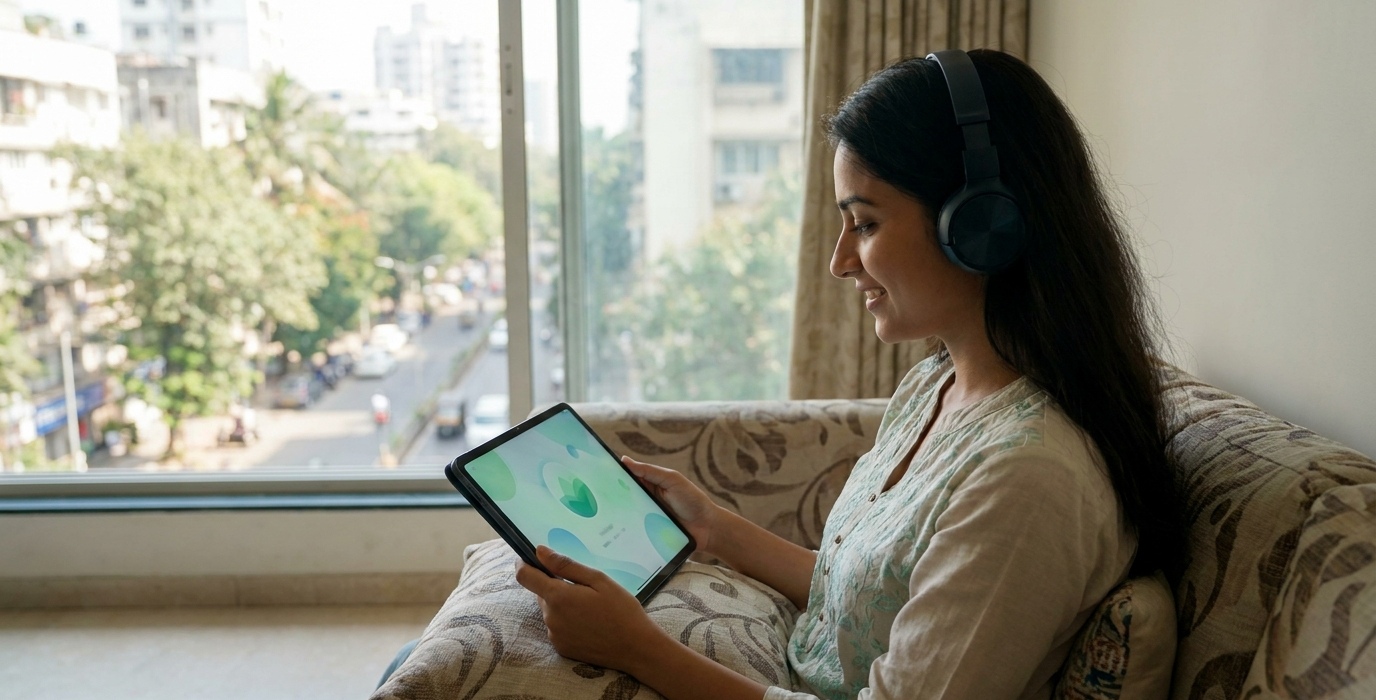
The conversation around mental health in India has moved from hushed whispers to open dialogue, and the digital revolution is playing a pivotal role. For decades, seeking help for anxiety, depression, or even chronic stress often meant long waiting lists, prohibitive costs, and the stigma associated with visiting a clinic. Today, a powerful new wave of digital tools is reshaping how we approach mental well-being, making support more accessible than ever before. We’re witnessing a paradigm shift where cutting-edge technology meets the deeply human need for emotional and psychological care.
This transformation is driven by a confluence of factors: increased smartphone penetration, a growing awareness of mental health importance, and significant advancements in artificial intelligence and behavioural science. Platforms now offer everything from guided meditation sessions and cognitive behavioural therapy (CBT) exercises to AI-powered chatbots that provide immediate emotional support. For many, especially those in Tier 2 and Tier 3 cities or facing financial constraints, these digital avenues represent a lifeline, breaking down traditional barriers to care. You can now access support discreetly, from the comfort of your home in, say, a bustling city like Mumbai or a serene village in Kerala.
AI-Powered Companions and Personalised Journeys
One of the most exciting frontiers in digital mental health is the integration of artificial intelligence. Think of AI not as a cold, calculating machine, but as a sophisticated, ever-present companion designed to understand and support your unique emotional landscape. These AI-powered tools are moving beyond generic advice, offering highly personalised experiences tailored to your specific needs and progress. They learn from your interactions, adapting their responses and recommendations to provide more relevant and effective support.
For instance, many platforms employ AI chatbots that can engage in empathetic conversations, helping you articulate your feelings and challenges. These bots can guide you through mindfulness exercises, suggest coping mechanisms based on your reported mood, and even track your emotional patterns over time. This data can then be presented to you in digestible formats, allowing you to gain deeper insights into your own mental health triggers and resilience factors. This granular understanding empowers you to take proactive steps in managing your well-being, turning abstract feelings into concrete areas for self-improvement. One surprising fact is that some AI models are being trained on vast datasets of anonymised therapy transcripts to better understand the nuances of human emotional expression.
The Role of Content and Community
Beyond AI interactions, these platforms offer a rich repository of content designed to educate and empower. You’ll find libraries filled with articles, videos, and audio recordings on topics ranging from stress management and overcoming insomnia to building healthier relationships. This educational component is crucial, as understanding the ‘why’ behind certain feelings or behaviours can be as therapeutic as receiving direct support. You can learn about the principles of CBT, explore different meditation techniques, or find practical tips for improving your sleep hygiene.
Furthermore, many digital mental health services foster vibrant online communities. These are safe spaces where users can connect with others who share similar experiences, offering mutual support and reducing feelings of isolation. Imagine finding a fellow traveller on your journey in a forum dedicated to managing social anxiety, or sharing your successes in a group for those working on building self-esteem. This sense of shared experience and collective encouragement can be incredibly powerful. It’s a modern take on the age-old human need for connection and understanding, facilitated by technology.
Bridging the Gap: Accessibility and Affordability
The most profound impact of digital mental health solutions lies in their ability to bridge the significant gap in accessibility and affordability. Traditional therapy, with its hourly rates often ranging from ₹1,500 to ₹5,000 or more in major Indian cities like Delhi or Bengaluru, can be out of reach for a vast majority of the population. This is compounded by the scarcity of qualified mental health professionals, particularly outside metropolitan areas. Digital platforms offer a compelling alternative, often with subscription models that are a fraction of the cost of individual therapy sessions.
We’re seeing monthly subscriptions for comprehensive digital mental wellness apps that can be as low as ₹500 to ₹1,500, providing round-the-clock access to resources and support. This democratisation of care means that someone living in a remote village in Rajasthan, who might never have had access to a therapist, can now engage with tools that can significantly improve their quality of life. It’s about ensuring that mental well-being isn’t a luxury reserved for the privileged few, but a fundamental right accessible to everyone, regardless of their geographical location or financial standing. This shift is particularly critical in a country as diverse and vast as India, where needs are immense and resources are often stretched thin.
The Rise of Hybrid Models
It’s important to note that digital solutions are not always intended to entirely replace in-person therapy. Instead, many experts and users are embracing a hybrid model, combining the convenience and cost-effectiveness of digital tools with the depth and personalised attention of traditional therapy. For example, you might use a digital app for daily mood tracking and guided exercises between your weekly sessions with a therapist. This approach allows you to maximise the benefits of both worlds, ensuring continuous support and deeper therapeutic engagement.
This hybrid approach is proving highly effective for individuals managing mild to moderate conditions like anxiety, stress, and burnout. The digital tools can provide immediate coping strategies and reinforce the lessons learned in therapy sessions, helping to consolidate progress. It offers a flexible and adaptable pathway to recovery, allowing individuals to engage with mental health support in a way that best suits their lifestyle and needs. We are seeing an increasing number of mental health professionals themselves recommending and integrating these digital tools into their practice.
Navigating the Digital Landscape: What to Look For
With the proliferation of digital mental health platforms, it’s crucial to know what to look for to ensure you’re choosing a service that is both effective and safe. Not all apps are created equal, and a discerning approach will help you find the best fit for your personal journey. Look for platforms that are evidence-based, meaning their methods are rooted in established psychological principles such as CBT, Dialectical Behavioural Therapy (DBT), or mindfulness. This is often indicated by the platform’s claims, partnerships with research institutions, or the credentials of their advisory board.
Consider the features offered. Do they align with your specific needs? If you struggle with sleep, look for sleep-focused modules. If anxiety is your primary concern, seek out CBT-based tools and relaxation exercises. User reviews and testimonials can offer valuable insights into the real-world effectiveness and user experience. Pay attention to privacy policies; ensure your data is handled securely and ethically. A surprising fact is that some platforms are now incorporating gamification elements, like earning points for completing exercises or reaching mindfulness milestones, to increase user engagement and adherence to treatment plans.
Understanding the Limitations and When to Seek Professional Help
While digital mental health tools are incredibly powerful, it’s vital to understand their limitations. They are generally best suited for mild to moderate conditions and for individuals who are motivated to engage in self-directed care. They are not a substitute for professional psychiatric care for severe mental illnesses like schizophrenia, bipolar disorder, or acute suicidal ideation. If you are experiencing severe symptoms, or if your mental health is significantly impacting your daily functioning, it is imperative that you consult a qualified mental health professional or psychiatrist immediately.
Digital platforms can serve as excellent complementary tools, providing support and skill-building. However, they cannot replicate the nuanced understanding, diagnostic expertise, and therapeutic relationship that a trained human therapist offers, especially in complex cases. Always prioritise your safety and well-being. If a digital tool feels inadequate or you are unsure about its suitability for your condition, err on the side of caution and seek professional guidance.
| Feature | Basic Digital App (e.g., Meditation App) | AI-Powered Wellness Platform | Hybrid Therapy Service |
|---|---|---|---|
| Core Offering | Guided meditations, breathing exercises | AI chatbots, personalised exercises, mood tracking, educational content | Digital tools integrated with scheduled human therapy sessions |
| Personalisation | Limited, based on user selection | High, adapts to user input and progress | Very high, tailored by human therapist and digital tools |
| Cost (Monthly Estimate) | ₹100 – ₹500 | ₹500 – ₹1,500 | ₹3,000 – ₹10,000+ (depending on therapist fees) |
| Best For | Stress reduction, general mindfulness | Anxiety, depression, stress management, self-exploration | Moderate to severe conditions, complex issues, ongoing support |
| Accessibility | High | High | Moderate (requires scheduling and therapist availability) |
“The digital revolution isn’t just about convenience; it’s about democratising mental health support, ensuring that anyone, anywhere, can find a pathway to feeling better.”
The Future of Mental Well-being in the Digital Age
As we look ahead, the integration of technology into mental health care is only set to deepen. We can anticipate even more sophisticated AI that can detect subtle shifts in mood and behaviour through voice analysis or text patterns, offering proactive interventions. Virtual reality (VR) is also showing immense promise, creating immersive environments for exposure therapy for phobias or practising social skills in safe, controlled settings. Imagine a VR session helping you overcome your fear of public speaking in a simulated conference hall in Chennai.
The emphasis will continue to be on personalisation, accessibility, and integration. We will see more seamless connections between digital tools, wearable devices that monitor physiological stress indicators, and traditional healthcare systems. The goal is to create a holistic ecosystem of support that is responsive to individual needs and empowers people to take greater ownership of their mental well-being. This evolving landscape offers immense hope for a future where mental health care is not a challenge to be overcome, but an integral, supported part of everyone’s life.
Frequently Asked Questions
Can digital therapy replace traditional therapy?
For mild to moderate mental health concerns, digital therapy can be highly effective and serve as a primary form of support. However, for severe mental illnesses or complex psychological issues, it is generally recommended as a supplement to, rather than a replacement for, traditional in-person therapy with a qualified professional.
How do I know if a digital mental health app is reputable?
Look for apps that clearly state their therapeutic basis (e.g., CBT, mindfulness), have positive user reviews, and transparent privacy policies. Apps developed by or in collaboration with mental health professionals or research institutions are generally more trustworthy. Some platforms may also offer access to licensed therapists for an additional fee.
What are the privacy concerns with digital mental health apps?
It’s crucial to review the app’s privacy policy. Reputable platforms will clearly outline how your data is collected, stored, and used, and will adhere to strict data protection regulations. Look for end-to-end encryption for sensitive data. Be wary of apps that share your personal information without explicit consent.
Are digital mental health tools effective for all age groups?
Digital tools are increasingly being developed for various age groups, including adolescents and older adults. However, the effectiveness can vary depending on the individual’s tech literacy, engagement levels, and the specific needs of the age group. Some platforms may be more user-friendly or offer content specifically curated for different demographics.
What is the cost of digital mental health services in India?
Costs vary widely. Basic mindfulness apps might offer free versions or subscriptions for under ₹500 per month. More comprehensive AI-powered platforms or those offering coaching could range from ₹500 to ₹1,500 per month. Services that connect you with licensed therapists digitally will be priced closer to traditional therapy rates, but often at a slightly reduced cost due to overheads.