Key Takeaways
- Early monsoon alerts are your first defence: Understand local weather forecasts and advisories, especially for regions like Kerala and the Northeast, which often see early and intense rainfall.
- Home preparedness is paramount: Check your roof, drainage systems, and electrical safety to prevent common monsoon-related damage and hazards.
- Travel smart: Be aware of potential disruptions on highways, especially in hilly areas like the Western Ghats and the Himalayas, and have contingency plans for road or rail travel.
- Health and hygiene are critical: Stock up on essential medicines and take precautions against waterborne diseases that surge during the rainy season.
Navigating the 2026 Monsoon: Beyond the Forecast
As the monsoon clouds gather over India in 2026, bringing life-giving rains to parched lands, they also usher in a season of potential challenges. For millions across our diverse subcontinent, from the coastal plains of Maharashtra to the fertile valleys of Himachal Pradesh, understanding and preparing for this annual event is not just a matter of convenience, but of safety and resilience. This year, as we have learned from past experiences, a proactive approach is your most powerful tool. We’re not just talking about umbrellas and raincoats; we’re looking at a comprehensive strategy to ensure your home, your family, and your travel plans are as secure as possible when the heavens open.
The monsoon’s arrival is a spectacle, a vital rhythm of our lives. Yet, its intensity can transform landscapes and disrupt daily routines. We’ve seen how relentless downpours can lead to flash floods in urban centres like Bengaluru and Chennai, or landslides that cut off remote villages in Uttarakhand. This guide is designed to equip you with the knowledge to anticipate these issues and mitigate their impact, drawing on lessons learned from previous years and the latest advisories for the 2026 season.
We’ll delve into practical steps for securing your home, ensuring your health, and making informed decisions about travel. Understanding the nuances of regional weather patterns, for instance, can make a significant difference. While the Southwest Monsoon typically makes landfall first in Kerala around early June, its behaviour can vary, impacting other regions at different times and with varying intensities. Staying ahead of these localised forecasts is crucial.
Fortifying Your Home Against the Downpour
Your home is your sanctuary, and during the monsoon, it needs to be a fortress against the elements. This year, let’s focus on proactive measures that can save you significant hassle and expense. Start by inspecting your roof for any loose tiles or potential leaks. Even small cracks can become major entry points for water when subjected to persistent rain.
Pay close attention to your drainage systems. Clogged gutters and downspouts are a primary cause of water accumulation around your foundation. Ensure they are clear of leaves, debris, and any other obstructions. For those living in flood-prone areas, consider installing backflow preventers on your sewage lines to prevent sewage backup during heavy rainfall.
Electrical safety is another critical aspect often overlooked. Exposed wiring, faulty circuits, or overloaded sockets can pose a severe risk during monsoons. Before the rains begin, have a qualified electrician inspect your home’s wiring. Ensure all electrical appliances are properly grounded and keep them away from windows and potential water sources. For added safety, consider installing Residual Current Devices (RCDs) on your main electrical panel; these can quickly cut off power in case of a fault, preventing electrocution.
“The true test of monsoon preparedness isn’t just about having an umbrella; it’s about having a home that breathes with the rain, not against it.”
Consider reinforcing windows and doors, especially if you live in an area prone to strong winds. Stronger frames and secure latches can prevent water ingress and wind damage. For ground-floor residents, sandbags can be a low-cost, effective barrier against rising water levels. Don’t forget your garden or balcony; secure any loose furniture or decorative items that could be blown away by strong winds. A little preparation now can mean a lot of peace of mind when the monsoon truly arrives.
Health and Hygiene: Your Personal Monsoon Shield
The monsoon season, while a blessing for agriculture, can unfortunately also be a breeding ground for various diseases. Waterborne illnesses like cholera, typhoid, and leptospirosis see a significant surge during this period. To protect yourself and your family in 2026, a robust health and hygiene strategy is essential.
Begin by ensuring your drinking water is safe. While municipal supplies are generally treated, there’s always a risk of contamination during heavy rains. Boil all drinking water, especially in areas where tap water quality is questionable. Alternatively, invest in a reliable water purifier. Keep your kitchen clean and free from stagnant water, which can attract mosquitoes and other disease-carrying insects.
Stock up on a comprehensive first-aid kit and essential medicines. This should include antipyretics for fever, pain relievers, antiseptic wipes, bandages, and any personal prescription medications. It’s also wise to have oral rehydration salts (ORS) readily available, as dehydration is a common concern with gastrointestinal issues. Consult your doctor for any specific health concerns or recommended monsoon vaccinations.
Mosquito-borne diseases like dengue and malaria are also a major threat. Take preventative measures to keep mosquitoes at bay. Use mosquito repellents, especially during dawn and dusk. Ensure your home is screened to prevent mosquitoes from entering. Empty any stagnant water from containers, coolers, and plant saucers regularly, as these are prime breeding sites.
Prepared for the Road: Monsoon Travel Wisely
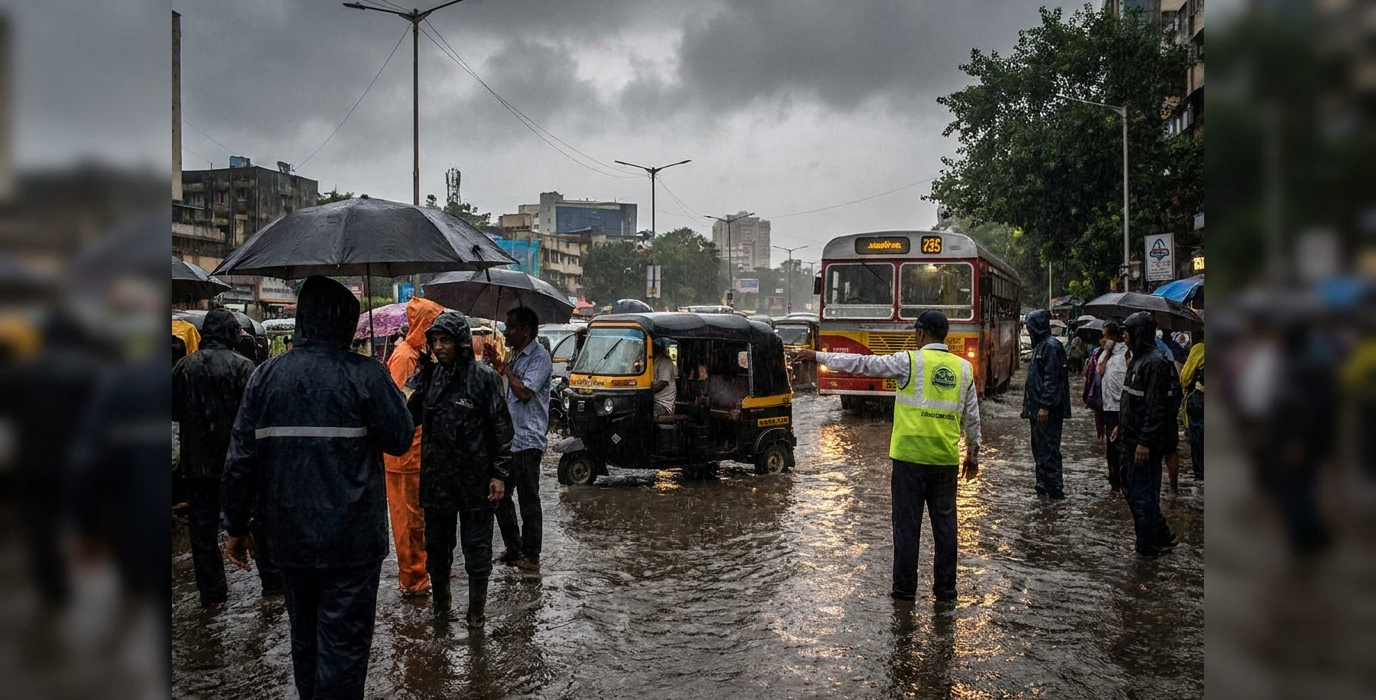
Travelling during the monsoon season in India requires a heightened sense of awareness and planning. Highways that are usually bustling arteries can become treacherous, with waterlogging, landslides, and reduced visibility posing significant risks. Whether you’re planning a road trip through the Western Ghats or a journey across the plains, here’s how to navigate the 2026 monsoon roads safely.
Before embarking on any journey, check the latest weather reports and road conditions for your specific route. National Highways Authority of India (NHAI) often provides updates on their social media channels and website regarding road closures or advisories. Many state transport departments also offer similar real-time information. If possible, postpone non-essential travel during periods of extreme rainfall.
Ensure your vehicle is monsoon-ready. Check your tires for adequate tread depth, as worn tires can significantly reduce grip on wet surfaces. Test your brakes thoroughly. Ensure your headlights, taillights, and windshield wipers are in perfect working order. Carrying a spare tire, a basic toolkit, and emergency supplies like a flashlight, reflective triangles, and a first-aid kit is always a good idea.
“The most scenic mountain roads can become the most dangerous during the monsoon. Slow down, stay alert, and always be prepared to stop.”
In hilly regions like Uttarakhand or Himachal Pradesh, landslides are a constant threat. If you encounter fog or heavy rain that severely limits visibility, pull over to a safe spot and wait for conditions to improve. Avoid driving through flooded areas or underpasses; the depth of the water can be deceptive, and your vehicle could stall or be swept away. If your car does get stuck in water, turn off the engine immediately and try to evacuate safely. For train travel, check railway advisories, as heavy rains can cause delays or disruptions, particularly on routes prone to flooding or landslides.
A Surprising Fact: The Monsoon’s Ancient Echoes
Did you know that the patterns of India’s monsoon, while influenced by modern climate change, have been studied and predicted for centuries? Ancient Indian astronomers and mathematicians developed sophisticated methods to understand the monsoon’s behaviour based on celestial observations and local environmental cues. For instance, the appearance of certain stars and constellations at specific times of the year was believed to herald the onset of the rains.
One particularly fascinating aspect is the concept of the ‘nakshtras’ or lunar mansions. Certain nakshtras were associated with specific weather phenomena, including the monsoon. The timing and intensity of the monsoon were sometimes linked to the positions of these nakshtras in relation to the sun. This ancient knowledge, though not as precise as modern meteorological science, demonstrates a deep, centuries-long engagement with understanding and predicting this vital climatic event.
Another surprising historical connection lies in the influence of the monsoon on trade routes. For millennia, the monsoon winds were crucial for maritime trade across the Indian Ocean. Ships would strategically wait for the monsoon winds to carry them to their destinations, showcasing a remarkable understanding of the atmospheric dynamics. This reliance on the monsoon for commerce highlights its profound impact on Indian society, economy, and culture, stretching back to antiquity. While we now rely on satellites and supercomputers, this historical context reminds us of the enduring power and mystery of the monsoon.
Regional Focus: Specific Challenges and Solutions for 2026
India’s vastness means the monsoon doesn’t behave uniformly. Understanding these regional nuances is key to effective preparation. For example, the Northeast, particularly states like Assam and Meghalaya, faces the dual threat of heavy rainfall and the Brahmaputra River’s overflowing capacity. This often leads to widespread flooding that can displace thousands and disrupt life for extended periods. Staying updated on Brahmaputra water levels and local evacuation plans is crucial for residents here.
In contrast, the western coast, from Goa to Gujarat, experiences heavy rainfall, increasing the risk of coastal erosion and cyclones during the monsoon transition periods. Mumbai, with its dense population and low-lying areas, is particularly vulnerable to waterlogging and tidal surges. Effective urban planning and robust drainage infrastructure are continuous battles here, making individual awareness of storm surge warnings paramount.
The Himalayan regions, including Himachal Pradesh and Uttarakhand, are susceptible to landslides and flash floods triggered by intense rainfall and cloudbursts. Roads can be cut off for days, impacting supply chains and emergency services. Residents and travellers in these areas must be particularly cautious and monitor local weather advisories closely. A surprising fact for this region is that some of the most significant landslides are not caused by sheer volume of rain, but by the timing and intensity of consecutive heavy rainfall events, which saturate the soil beyond its capacity.
The Deccan Plateau, while receiving moderate rainfall, can experience localized heavy showers leading to flash floods in riverbeds and low-lying villages. Farmers in this region must carefully manage their crops and irrigation to prevent waterlogging and soil erosion. For all regions, establishing community-level preparedness plans, including communication networks and volunteer response teams, can significantly enhance resilience during monsoon emergencies.
Frequently Asked Questions
What is the expected onset date for the 2026 monsoon in India?
While the exact date varies annually, the Southwest Monsoon typically makes landfall in Kerala around the first week of June. For 2026, early indications from meteorological agencies suggest a similar timeline, but it’s crucial to follow daily updates from the India Meteorological Department (IMD) for precise forecasts relevant to your region.
How can I protect my home from water damage during the monsoon?
Ensure your roof is leak-free, gutters and downspouts are clear of debris, and your drainage system is functional. Consider sealing cracks in walls and foundations. For low-lying areas, sandbags can offer temporary protection. Regularly inspect and maintain your home’s exterior to prevent water ingress.
What are the most common health risks associated with the monsoon in India?
The monsoon season increases the risk of waterborne diseases like cholera, typhoid, and diarrhea, as well as vector-borne diseases such as dengue, malaria, and chikungunya. Maintaining hygiene, ensuring safe drinking water, and taking measures against mosquito breeding are essential preventive steps.
Should I postpone travel plans during the monsoon?
It depends on your destination and mode of travel. While driving in hilly regions or coastal areas can be risky due to landslides, floods, and rough seas, train and air travel might be less affected, though delays can occur. Always check weather advisories and road/rail conditions before you travel and have a contingency plan.
What is a crucial safety tip for driving in heavy rain?
Maintain a safe distance from the vehicle in front of you and reduce your speed. Ensure your headlights are on to improve visibility. Avoid driving through flooded areas, as the depth of the water can be deceptive and may stall your vehicle or cause it to lose traction.