Key Takeaways
- The 2026 monsoon is showing early signs of variability, with potential impacts on agricultural output across key states like Punjab and Uttar Pradesh.
- Urban centres like Mumbai and Chennai are once again facing elevated flood risks, necessitating proactive infrastructure review and community preparedness.
- Early warnings suggest a need for strategic water management, balancing agricultural needs with urban supply demands.
- This year’s monsoon could see shifts in rainfall patterns, potentially benefiting some regions while posing challenges for others.
Early Monsoon Signals: A Mixed Bag for India in 2026
As we step into the heart of the 2026 monsoon season, India’s vast landscape is abuzz with a familiar mix of anticipation and concern. While the South Asian summer monsoon is a lifeblood for the nation’s agriculture and a crucial source of freshwater, its arrival and intensity are never predictable. This year, early indicators from meteorological agencies suggest a monsoon with a nuanced character, one that demands our attention from the agricultural fields of Punjab to the bustling metropolises of the South.
Forecasters are tracking subtle shifts in ocean temperatures and atmospheric pressures, which are the usual harbingers of monsoon behaviour. These early signs point towards a season that might not be uniform across the country, potentially bringing surplus rainfall to some areas while leaving others grappling with deficits. Understanding these initial signals is our first step in preparing for what lies ahead, ensuring we can adapt and mitigate potential challenges.
Agricultural Heartland: Preparing for Rainfall Volatility
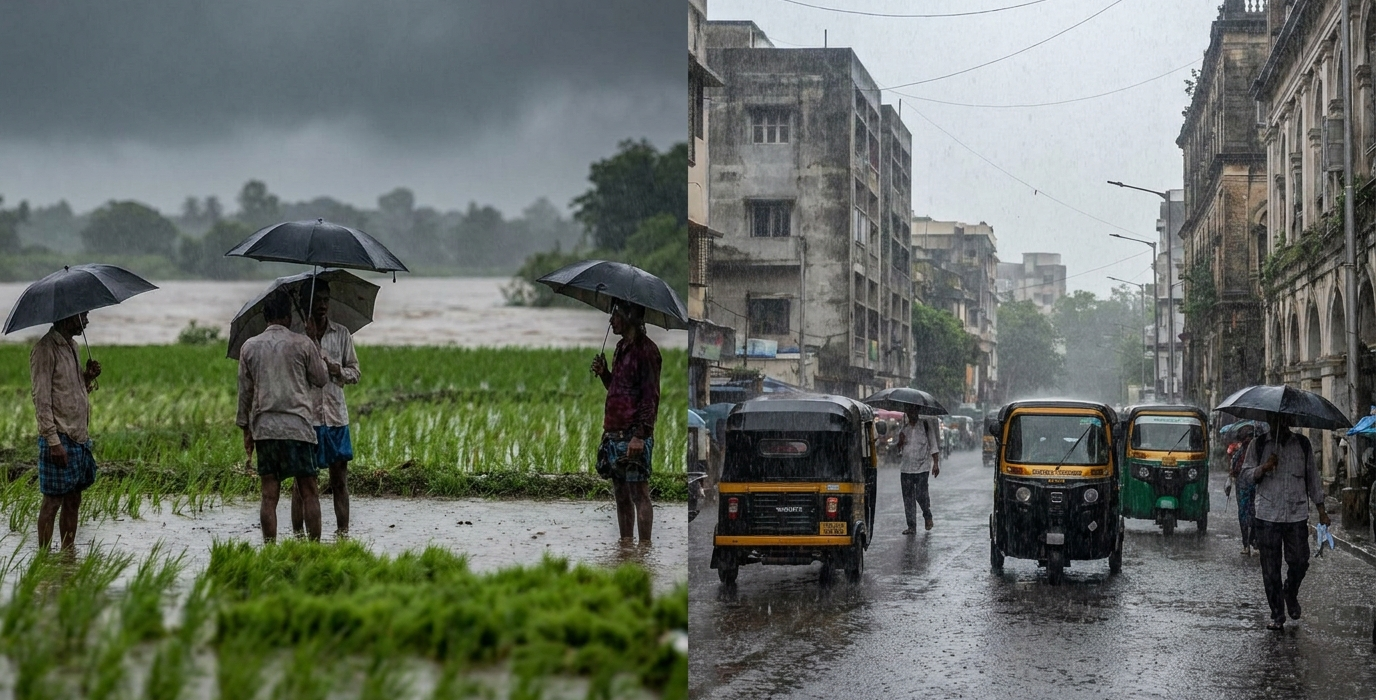
The bedrock of India’s economy, agriculture, is intricately tied to the monsoon’s rhythm. This year, farmers across the Indo-Gangetic Plain, particularly in states like Punjab and Uttar Pradesh, are watching the skies with heightened awareness. Early forecasts suggest a potential for erratic rainfall patterns, which can be a double-edged sword. While sufficient rain is vital for crops like rice, wheat, and sugarcane, inconsistent distribution can lead to waterlogging in some fields and drought-like conditions in others.
The challenge for farmers will be to adapt their planting strategies and water management techniques. For instance, in Punjab, known as the ‘breadbasket of India’, timely sowing of paddy is crucial. If the monsoon falters in its initial weeks, or delivers torrential downpours too soon, it can disrupt this critical window. Conversely, excessive rainfall can lead to nutrient leaching from the soil, impacting crop yields. The need for resilient farming practices, including improved irrigation systems and drought-resistant seed varieties, becomes more pronounced each year.
We are also seeing a growing interest in agro-meteorological advisory services. These services leverage real-time weather data and long-term forecasts to provide actionable advice to farmers. For 2026, the emphasis is on precise, localized predictions that can help farmers make informed decisions about when to sow, irrigate, and harvest, thereby minimising risks associated with unpredictable weather.
Urban Resilience: Mumbai, Chennai, and the Flood Factor
For India’s vibrant urban centres, the monsoon often brings not just respite from the heat but also significant challenges, primarily in the form of urban flooding. Cities like Mumbai and Chennai, with their dense populations and often strained drainage systems, are particularly vulnerable. This year, the concern is amplified as we anticipate potentially intense bursts of rainfall. While the overall monsoon might be moderate, localized heavy downpours can overwhelm existing infrastructure.
In Mumbai, the low-lying coastal areas and the city’s extensive mangrove belts, which act as natural buffers, are under constant pressure from development. We’ve seen in previous years how even moderate rainfall can bring the city to a standstill. Proactive measures, such as the desilting of drains, the repair of stormwater culverts, and the enforcement of building codes in flood-prone zones, are paramount. The Brihanmumbai Municipal Corporation (BMC) has announced plans to upgrade pumping stations and expand drainage networks, but the sheer scale of the task means continuous vigilance is required.
Chennai, similarly, faces challenges related to its complex network of lakes and rivers, which are vital for water management but can also exacerbate flooding when overloaded. The city’s experience with the devastating floods of 2015 serves as a stark reminder. This year, the focus is on improving interlinking of water bodies and ensuring that encroachment on natural drainage channels is strictly curbed. The ability of these megacities to withstand the monsoon hinges on both robust infrastructure and effective urban planning.
Water Management: The Delicate Balancing Act
The 2026 monsoon presents a critical test for India’s water management strategies, demanding a careful balance between meeting agricultural demands and ensuring adequate supply for burgeoning urban populations. Regions that receive surplus rainfall during the monsoon season have a unique opportunity to replenish reservoirs and groundwater tables, resources that are crucial for the dry months ahead.
States like Rajasthan, which often experience deficit rainfall, are particularly dependent on strategic water storage and inter-basin transfers. The success of the Indira Gandhi Canal project, for instance, relies heavily on the monsoon’s performance in its source regions. Likewise, in the parched Deccan Plateau, effective rainwater harvesting and the maintenance of traditional water structures are vital. The challenge lies in ensuring that water is stored efficiently and distributed equitably, preventing wastage and addressing regional disparities.
One surprising fact emerging from recent hydrological studies is the increasing unpredictability of groundwater recharge rates. Even with good rainfall, factors like increased surface runoff due to urbanization and changes in soil permeability can affect how much water actually percolates into the ground. This highlights the need for integrated water resource management that considers both surface and groundwater, and adapts to changing environmental conditions.
Shifting Patterns: Opportunities and Challenges Across Regions
Beyond the immediate concerns of agriculture and urban flooding, the 2026 monsoon might also bring about subtle but significant shifts in rainfall patterns across India. While the overall monsoon may be classified as average or slightly above/below average, the geographical distribution of this rainfall can have profound implications for various regions.
For example, certain parts of the Northeast, which are already prone to heavy rainfall, might experience an intensification, posing increased risks of landslides and riverine flooding. Conversely, some rain-shadow regions in peninsular India, which typically receive less rainfall, could potentially see a slight improvement, offering a much-needed respite. These shifts necessitate a dynamic approach to disaster preparedness and resource allocation.
A fascinating, and often overlooked, aspect is the impact on India’s diverse ecosystems. For instance, the Western Ghats, a UNESCO World Heritage site, rely heavily on the monsoon for their unique biodiversity. Changes in rainfall timing and intensity can affect the flowering and fruiting cycles of endemic plants, impacting the food sources for myriad animal species. Understanding these ecological dependencies is crucial for long-term conservation efforts.
Technological Innovations: Enhancing Preparedness and Response
The 2026 monsoon season is also marked by the increasing integration of technology in forecasting, monitoring, and disaster response. Advanced weather modelling, powered by supercomputers and vast datasets, is providing more granular and accurate predictions than ever before. This allows for earlier and more precise warnings to be issued to vulnerable communities.
Satellite imagery plays a crucial role in monitoring cloud cover, rainfall intensity, and the extent of waterlogging. Drones are being deployed for rapid damage assessment in flood-affected areas, providing real-time visual data to relief agencies. Mobile applications are disseminating weather alerts and safety advisories directly to citizens, empowering them to take necessary precautions.
We are also seeing the development of smart infrastructure solutions. For instance, in flood-prone areas, sensors are being installed to monitor water levels in rivers and drains. These sensors can automatically trigger alerts to relevant authorities and even activate flood barriers or pumps. This proactive, technology-driven approach is a significant step forward in building resilience against the monsoon’s vagaries.
Frequently Asked Questions
What is the general outlook for the 2026 monsoon in India?
Early indications suggest a monsoon with potentially variable rainfall patterns across the country. While some regions might receive adequate to surplus rain, others could face deficits or erratic distribution. Meteorological agencies are closely monitoring the situation.
How will the 2026 monsoon affect agriculture in India?
Agricultural output could be impacted by the variability in rainfall. Farmers in states like Punjab and Uttar Pradesh need to be prepared for potential waterlogging or drought conditions, necessitating adaptive farming practices and timely advisories.
Are major Indian cities at higher risk of flooding in 2026?
Yes, cities like Mumbai and Chennai remain at elevated risk of urban flooding due to potential intense rainfall bursts and existing infrastructure challenges. Proactive measures in urban planning and drainage are crucial.
What role does technology play in managing the 2026 monsoon?
Technology is increasingly vital, with advanced weather modelling for better forecasts, satellite imagery for monitoring, drones for damage assessment, and smart infrastructure for early warnings and response. Citizens also benefit from mobile-based alerts.