Key Takeaways
- Record monsoon rainfall in 2026 has triggered severe flooding across multiple Indian states, impacting millions.
- Disaster relief operations are stretched, with a focus on immediate rescue, temporary shelter, and essential supplies.
- Long-term resilience strategies are crucial, involving improved infrastructure, early warning systems, and sustainable land management.
- Community involvement and technological advancements are playing vital roles in both relief and future preparedness.
Monsoon’s Unrelenting Grip: A Nation Under Water
The monsoon season of 2026 has descended upon India with a ferocity rarely witnessed, transforming familiar landscapes into treacherous waterways. From the fertile plains of Uttar Pradesh to the coastal stretches of Kerala, relentless downpours have pushed rivers to their brim and overwhelmed drainage systems. This year’s monsoon isn’t just a seasonal event; it’s a national crisis that has displaced millions and tested the resilience of communities and authorities alike.
We’re seeing a confluence of factors contributing to this severe flooding. Unprecedented rainfall, coupled with deforestation in vulnerable catchment areas and urban sprawl encroaching on natural floodplains, has created a perfect storm. The economic and social toll is immense, with critical infrastructure damaged, livelihoods shattered, and the constant threat of waterborne diseases looming large. This is a situation that demands our immediate attention and a deep understanding of the challenges we face.
The Epicenter: States Grapple with Unprecedented Deluges
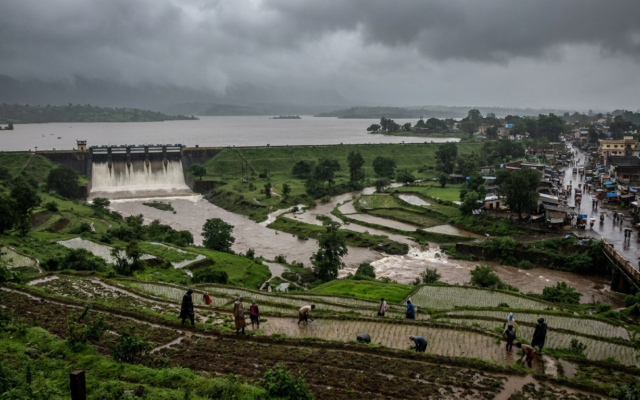
Several states are bearing the brunt of this monsoon’s fury. Uttar Pradesh, traditionally a flood-prone region, is experiencing some of the worst inundation in decades. The Ganga and its tributaries have breached embankments, submerging villages and vast swathes of agricultural land. In Assam, the Brahmaputra river’s relentless rise has led to widespread displacement, with the Kaziranga National Park, home to the iconic one-horned rhinoceros, facing significant challenges in protecting its wildlife.
Further south, Kerala, still recovering from past flood events, is once again battling swollen rivers and landslides. The Western Ghats, usually a verdant shield, are proving to be a source of immense water flow, cascading down into the populated districts. Even states like Gujarat, typically drier, have reported severe waterlogging and flash floods due to uncharacteristically heavy rainfall in their catchment areas. The sheer geographical spread of the devastation highlights the widespread nature of this crisis.
Assam’s Wildlife in Peril
The situation in Assam’s Kaziranga National Park is particularly distressing. With over 90% of the park submerged, animals are forced to seek refuge on higher ground, often venturing onto national highways, creating dangerous situations for both the wildlife and motorists. Forest officials are working tirelessly to mitigate these risks, but the scale of the flooding presents an enormous challenge. This is a stark reminder of how environmental degradation can exacerbate the impact of natural disasters on biodiversity.
Relief Efforts: A Race Against Time and Resources
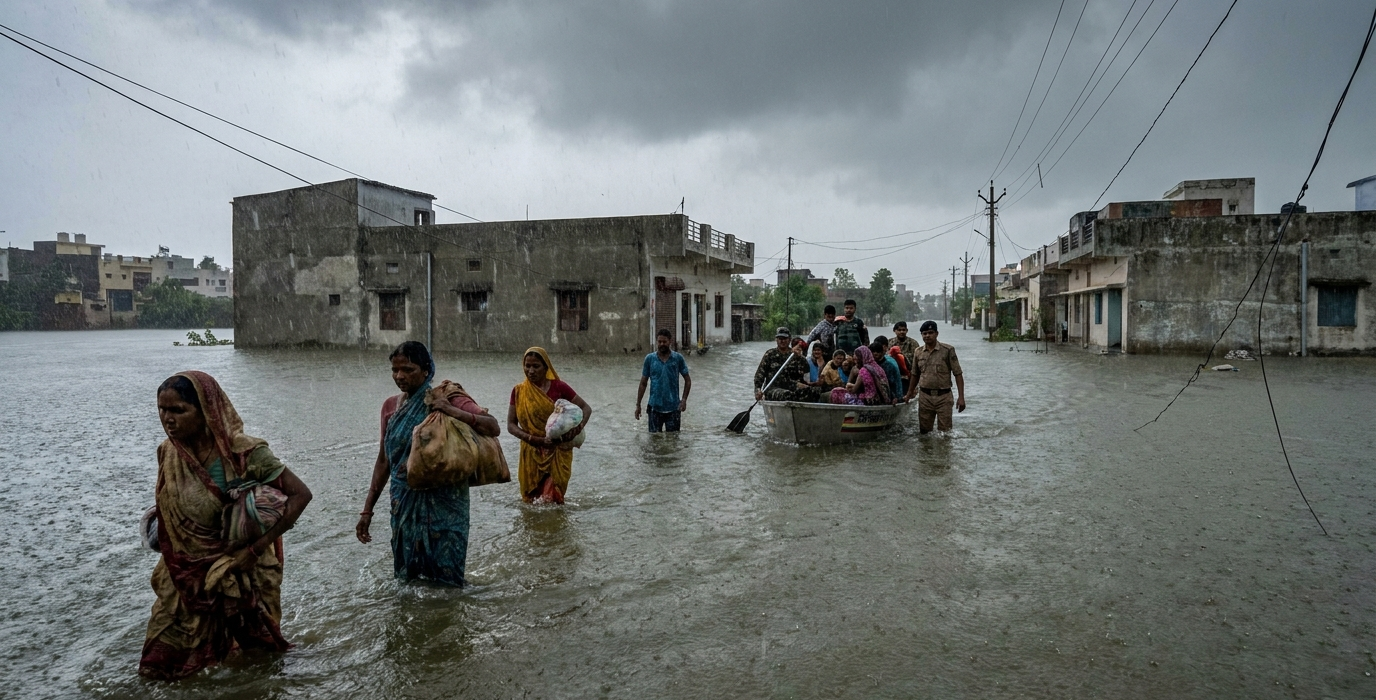
The immediate aftermath of such widespread flooding is a chaotic scramble for survival and assistance. National Disaster Response Force (NDRF) teams are deployed across affected regions, working round-the-clock to rescue stranded individuals from rooftops and isolated pockets. The Indian Armed Forces, too, have joined hands, deploying helicopters for aerial evacuation and dropping essential supplies like food, water, and medicines.
Temporary shelters have been set up in schools, community halls, and government buildings, providing a much-needed respite for those displaced. However, the sheer number of people needing assistance is overwhelming the existing infrastructure. Local administration, NGOs, and community volunteers are playing a crucial role in distributing relief materials and providing basic healthcare. The logistical challenges of reaching remote, cut-off areas are immense, making every successful delivery a small victory.
The Challenge of Aid Distribution
Ensuring that aid reaches the most vulnerable populations is a complex task. Roads are damaged, communication networks are disrupted, and the constant threat of further rainfall complicates rescue and relief operations. We’ve seen instances where aid has been delayed due to these logistical hurdles, leading to frustration and increased hardship for those affected. The coordination between various agencies – central, state, local, and non-governmental – is paramount for effective relief delivery.
Economic Fallout: Livelihoods Washed Away
The economic consequences of the 2026 monsoon floods are devastating and will be felt for years to come. Vast tracts of agricultural land, particularly in the riverine belts of Uttar Pradesh and Bihar, have been inundated, destroying standing crops of paddy, sugarcane, and vegetables. This not only impacts the immediate food supply but also cripples the livelihoods of millions of farmers who rely on these harvests for their income.
Beyond agriculture, businesses in low-lying urban areas have suffered significant losses due to water damage to inventory and premises. Transportation networks – roads, railways, and even some airports – have been disrupted, leading to supply chain bottlenecks and increased costs for essential goods. The rebuilding of damaged infrastructure, from bridges and roads to homes and public buildings, will require substantial investment and time, further straining national and state exchequers.
The Price of Reconstruction
Estimates of the economic damage are still being compiled, but early assessments suggest the figure will run into billions of dollars. This includes not just the direct cost of damaged property and infrastructure but also the indirect costs associated with lost productivity, business interruption, and the long-term impact on economic growth. The burden of reconstruction will fall heavily on the government, requiring careful financial planning and potentially international aid.
Looking Ahead: Building Resilience for Future Monsoons
While immediate relief is paramount, the recurring nature of these devastating floods underscores the urgent need for long-term resilience strategies. Investing in robust flood control infrastructure, such as improved embankments, effective drainage systems in urban areas, and the restoration of natural floodplains, is no longer optional. These are essential investments for safeguarding lives and property.
Furthermore, enhancing early warning systems is critical. Technologies that can provide timely and accurate predictions of rainfall intensity and river levels can significantly improve preparedness, allowing for timely evacuations and mitigation efforts. We also need to re-evaluate our urban planning policies to ensure that development does not occur in high-risk flood zones, and to promote the use of flood-resilient construction techniques.
The Role of Nature-Based Solutions
Interestingly, there’s a growing recognition of the role of nature-based solutions in flood management. Re-establishing wetlands, restoring mangrove forests along coastlines, and promoting afforestation in catchment areas can act as natural buffers, absorbing excess water and reducing the impact of floods. These approaches are often more cost-effective and sustainable in the long run compared to purely engineered solutions.
“The monsoon is a lifeblood for India, but in 2026, its fury is a stark reminder of our vulnerability. We must move beyond reactive relief to proactive resilience, integrating nature and technology in our defense against these increasingly potent weather events.”
Technological Innovations in Disaster Management
The 2026 monsoon crisis has also highlighted the growing importance of technology in disaster management. Satellite imagery and drone technology are proving invaluable for assessing the extent of damage, identifying stranded populations, and guiding relief efforts in inaccessible areas. Real-time data from weather monitoring stations and hydrological sensors helps in issuing timely alerts to communities at risk.
Mobile technology and social media platforms have become crucial for disseminating information, coordinating rescue operations, and allowing individuals to report emergencies and seek help. Crowdsourced data, when verified, can provide critical ground-level insights to disaster response teams. We are also seeing increased use of AI-powered tools for predictive analytics, helping to forecast potential flood hotspots and optimize resource allocation for relief and rescue.
Community-Led Initiatives and Digital Platforms
Beyond government initiatives, community-led efforts are being amplified by digital platforms. Local volunteer groups are using WhatsApp and other messaging apps to coordinate relief distribution, share information about safe routes, and connect those in need with available resources. These decentralized networks, empowered by technology, can often respond faster and more effectively to localized needs than traditional hierarchical structures.
Frequently Asked Questions
What are the primary causes of the severe flooding in India in 2026?
The severe flooding in 2026 is attributed to a combination of factors, including unprecedented monsoon rainfall, deforestation in vulnerable areas, and increased urban development encroaching on natural floodplains. These elements collectively overwhelm existing drainage and flood control systems.
Which regions in India are most affected by the 2026 monsoon floods?
States like Uttar Pradesh, Assam, Kerala, and Gujarat are experiencing significant impacts. Specific regions include the riverine belts of Uttar Pradesh and Bihar, the Brahmaputra river basin in Assam, and districts within the Western Ghats in Kerala. Even traditionally drier regions like parts of Gujarat have seen severe waterlogging.
What are the immediate relief measures being undertaken?
Immediate relief measures include rescue operations by NDRF and the armed forces, the establishment of temporary shelters, and the distribution of essential supplies like food, water, and medicines. Medical teams are also being deployed to prevent outbreaks of waterborne diseases.
How is technology being used to combat the flood crisis?
Technology is playing a vital role through satellite imagery and drone surveillance for damage assessment, real-time data from weather and hydrological sensors for early warnings, and mobile/social media platforms for information dissemination and coordination of relief efforts. AI is also being used for predictive analytics.