Key Takeaways
- Mumbai’s 2026 smart building landscape showcases significant advancements in rainwater harvesting and solar energy integration, moving beyond mere compliance to active environmental contribution.
- The city is witnessing a surge in buildings designed for enhanced natural ventilation and optimized daylighting, drastically reducing reliance on artificial cooling and lighting systems.
- Innovations like integrated waste-to-energy systems and vertical farming are becoming standard, transforming buildings into self-sustaining micro-ecosystems.
- Retrofitting older structures with sustainable technologies is a growing trend, demonstrating a commitment to preserving Mumbai’s heritage while embracing future-forward design.
Mumbai’s Skyline Reimagined: Buildings That Breathe and Grow
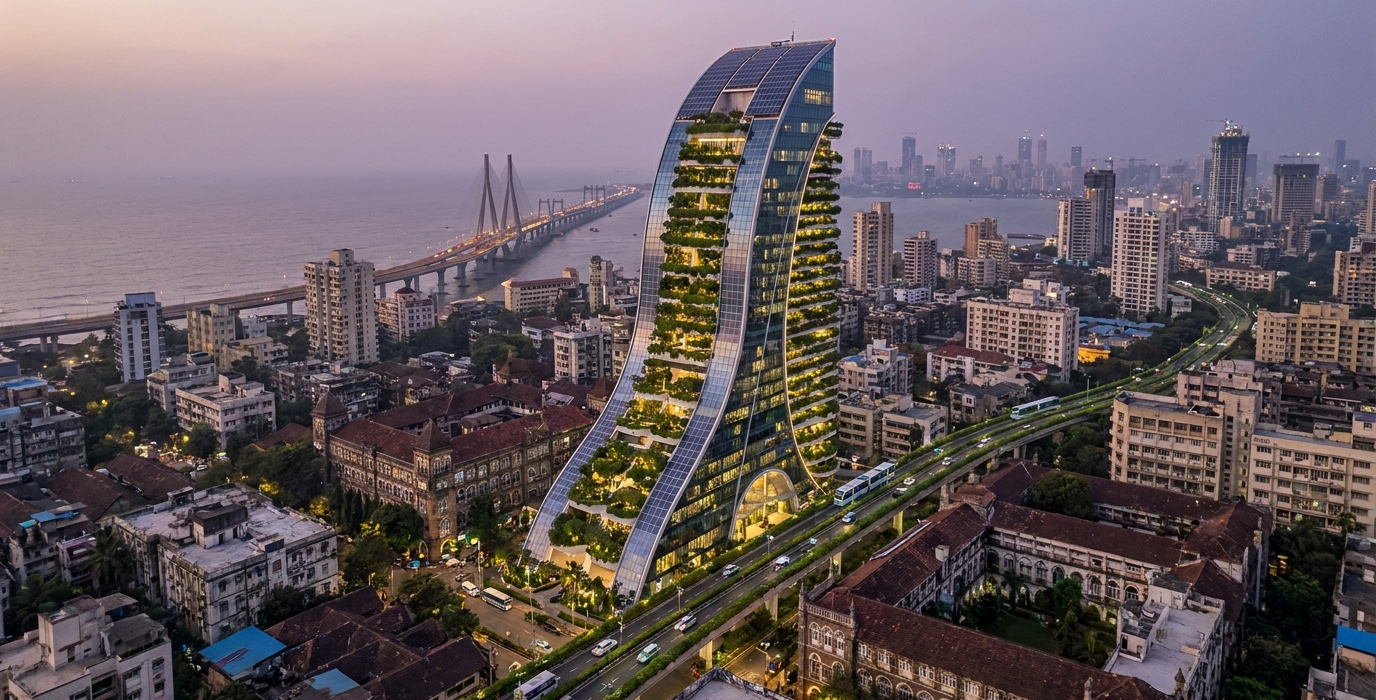
Mumbai, India’s bustling financial heart, is undergoing a profound transformation, not just in its economic might but in its very skyline. By August 2026, the city is emerging as a beacon of sustainable urban development, with its newest architectural marvels doing far more than just providing shelter. These buildings are designed to actively contribute to the environment, showcasing a sophisticated integration of green technologies that were once aspirational but are now becoming the norm. We’re seeing a deliberate shift from buildings that merely comply with environmental regulations to those that actively improve the urban ecosystem.
The focus is no longer solely on energy efficiency, though that remains paramount. Today’s smart buildings in Mumbai are incorporating advanced systems for rainwater harvesting, not just for basic reuse but for significant contributions to local water tables and reduced strain on municipal supplies. Solar energy integration has moved beyond rooftop panels; we’re seeing building-integrated photovoltaics (BIPV) seamlessly woven into facades and windows, generating substantial power while enhancing aesthetic appeal. This dual function is a hallmark of the new wave of eco-conscious construction.
Beyond Concrete: Innovations in Material and Design
The materials used in Mumbai’s cutting-edge buildings are as revolutionary as their energy systems. Architects and developers are increasingly turning to low-carbon footprint materials, moving away from traditional cement and steel where possible. Recycled aggregates are finding their way into concrete mixes, and sustainably sourced timber is being used in innovative structural applications, often combined with advanced engineering techniques to meet seismic requirements. The goal is to minimize the embodied energy of the construction itself.
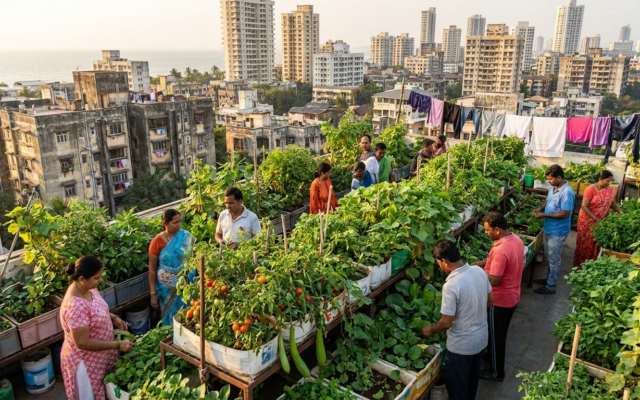
One of the most exciting developments is the widespread adoption of green roofs and living walls. These aren’t just decorative features; they play a crucial role in reducing the urban heat island effect, improving air quality, and providing habitat for urban biodiversity. Imagine stepping out onto a balcony and being greeted by a vibrant, self-sustaining garden wall – this is becoming a reality in many new Mumbai developments. The incorporation of these natural elements also significantly enhances building insulation, further reducing the need for artificial heating and cooling.
The Rise of Biophilic Design
Biophilic design, the practice of connecting building occupants more closely to nature, is no longer a niche concept. Buildings are being designed with abundant natural light and cross-ventilation as core principles. This means fewer reliance on energy-guzzling air conditioning and artificial lighting, leading to substantial operational cost savings and a healthier indoor environment for occupants. The psychological benefits of being surrounded by nature are also being recognized, leading to increased productivity and well-being.
We’ve seen a remarkable integration of smart sensors and automation systems that optimize natural light and ventilation based on real-time environmental conditions and occupancy. This intelligent management ensures that the building operates at peak efficiency without sacrificing occupant comfort. The result is a harmonious blend of technology and nature, creating living spaces that are both futuristic and deeply human.
Water Wisdom: Harvesting Every Drop in a Megacity
Water scarcity is a perennial challenge for a megacity like Mumbai, and its smart buildings of 2026 are tackling this head-on with sophisticated rainwater harvesting and greywater recycling systems. These are not the basic tanks of yesteryear; we are talking about integrated, multi-stage purification plants within the building complexes themselves. Rainwater collected from rooftops and facades undergoes treatment to be used for non-potable purposes like flushing toilets, landscape irrigation, and even laundry.
The innovation extends to greywater recycling, where water from sinks, showers, and washing machines is treated and reused. This significantly reduces the demand for fresh water, a precious resource in a city of this scale. Some of the more advanced projects are even exploring blackwater treatment for irrigation, demonstrating a truly circular approach to water management within a building. The aim is to make each building as water-independent as possible.
Beyond Simple Collection
A surprising fact is the level of integration with urban infrastructure. Many new buildings are designed to feed treated overflow water back into local storm drains in a controlled manner, helping to mitigate urban flooding during monsoon seasons. This proactive approach transforms a potential problem into a managed resource. The technology employed ensures that the quality of the discharged water is maintained, preventing pollution of natural waterways.
This comprehensive water management strategy is not just about conservation; it’s about building resilience into the city’s infrastructure. By reducing the burden on municipal water supplies, these buildings contribute to the overall stability and sustainability of Mumbai’s water security. It’s a smart, interconnected approach that benefits the building occupants and the wider community.
Powering the Future: Solar and Beyond
Energy generation in Mumbai’s smart buildings of 2026 is a testament to innovation, with solar power playing a starring role. Beyond conventional rooftop solar panels, we’re seeing the widespread adoption of building-integrated photovoltaics (BIPV). These are solar cells that are incorporated directly into building materials such as facades, windows, and roofing elements. They not only generate electricity but also serve as a design feature, blending seamlessly with the architecture.
The efficiency of these BIPV systems has dramatically improved, making them a viable and attractive option for new construction and even some retrofits. Developers are no longer looking at solar as an add-on but as an integral part of the building’s energy strategy. This integration is key to achieving higher levels of energy independence and reducing the carbon footprint of the built environment.
The Microgrid Revolution
Furthermore, many of these smart buildings are designed as mini-grids, capable of generating, storing, and distributing their own power. Advanced battery storage systems are becoming commonplace, allowing buildings to store surplus solar energy generated during the day for use at night or during periods of low solar irradiance. This stored energy can also be used to provide backup power during grid outages, enhancing reliability.
A particularly exciting trend is the exploration of energy-sharing mechanisms between adjacent buildings within a development. This creates a more robust and efficient local energy network, further reducing reliance on the central grid. The goal is to create a decentralized energy system that is both resilient and environmentally responsible.
Waste to Value: Transforming Refuse into Resources
The concept of waste management has been completely redefined in Mumbai’s leading smart buildings. Instead of simply disposing of waste, these structures are designed to treat it as a valuable resource. On-site waste-to-energy (WTE) systems are becoming increasingly sophisticated and compact, capable of converting organic waste into electricity and heat for the building. This not only reduces the volume of waste sent to landfills but also generates a supplementary energy source.
The integration of advanced sorting and recycling facilities at the building level is also a significant step forward. These systems can separate recyclables with high efficiency, ensuring that materials like plastics, paper, and metals are diverted from landfills and channeled back into the manufacturing supply chain. This closed-loop approach minimizes the environmental impact of building operations.
The Surprising Potential of Food Scraps
A particularly insightful development we’ve observed is the sophisticated use of anaerobic digestion for food waste. This biological process breaks down organic matter in the absence of oxygen, producing biogas (primarily methane) that can be used for cooking or electricity generation, and nutrient-rich digestate that can be used as fertilizer for the building’s own vertical farms or green spaces. This creates a direct link between consumption and resource generation within the building.
This commitment to waste valorization is a critical component of a truly circular economy within the urban landscape. It demonstrates a forward-thinking approach that sees waste not as a problem, but as an opportunity for innovation and resource creation, contributing to a cleaner and more sustainable Mumbai.
Connecting to the Community: Smart Infrastructure and Social Impact
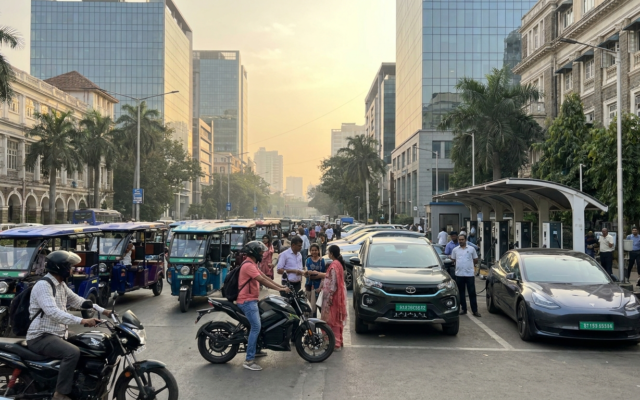
Mumbai’s smart buildings of 2026 are not isolated entities; they are designed to be integral parts of the community, fostering connectivity and social well-being. This integration extends to smart mobility solutions, with buildings incorporating charging infrastructure for electric vehicles (EVs) and advanced bicycle storage facilities. Many developments are also designed with excellent connectivity to public transport networks, encouraging a shift away from private car usage.
The emphasis on shared community spaces within these buildings is also notable. Rooftop gardens, communal kitchens, co-working areas, and recreational facilities are designed to foster interaction and a sense of belonging among residents. This social infrastructure is as vital as the technological infrastructure in creating a sustainable and vibrant urban living experience.
The Digital Backbone of Community
A surprising aspect is the extent to which digital platforms are being used to enhance community engagement. Building management apps are evolving beyond simple utility payments to facilitate peer-to-peer sharing of resources, organize community events, and even enable residents to monitor and contribute to the building’s environmental performance data. This fosters transparency and empowers occupants to be active participants in the building’s sustainability journey.
These buildings are also being designed with resilience in mind, incorporating features that can support the local community during emergencies. This might include backup power generation for critical services or designated safe zones. By thinking beyond the individual structure, Mumbai’s smart buildings are actively contributing to a more robust and connected urban fabric.
The Human Element: Healthier Living, Happier Lives
Ultimately, the success of Mumbai’s smart buildings in 2026 is measured by their impact on the people who inhabit them. The core principle driving their design is the enhancement of occupant health and well-being. This is achieved through a multi-pronged approach that prioritizes superior indoor air quality, access to natural light, and ergonomic, comfortable living and working spaces.
Advanced air filtration and ventilation systems are standard, removing pollutants and ensuring a constant supply of fresh, oxygenated air. The strategic use of daylighting not only reduces energy consumption but also positively impacts circadian rhythms and mood. Biophilic elements, such as indoor plants and views of greenery, further contribute to a sense of calm and connection to nature.
“We’re moving beyond ‘greenwashing’ to genuine green living. These buildings are designed to nurture both the planet and its people, proving that sustainability and a high quality of life are not mutually exclusive, but intrinsically linked.”
The reduction in reliance on artificial lighting and air conditioning also leads to a quieter and more comfortable indoor environment. The absence of noise pollution from HVAC systems and the natural ambiance created by daylight and greenery contribute to a more peaceful and productive atmosphere. This focus on the sensory experience transforms buildings from mere structures into restorative spaces.
Surprising Health Benefits
The unexpected benefit reported by early occupants of these advanced buildings is a noticeable reduction in stress and an overall improvement in mental well-being. This is attributed to the harmonious integration of nature, the improved air quality, and the sense of community fostered within these developments. It highlights the profound connection between our built environment and our psychological health.
This holistic approach, where technology serves to enhance our connection with nature and with each other, is the true hallmark of Mumbai’s smart buildings of 2026. They represent a new paradigm in urban development, one that is both environmentally responsible and deeply focused on human flourishing.
Frequently Asked Questions
What are the primary energy sources for Mumbai’s new smart buildings in 2026?
The primary energy sources are a combination of solar energy (including building-integrated photovoltaics) and grid electricity, often supplemented by on-site waste-to-energy systems. Advanced battery storage also plays a crucial role in managing energy supply and demand.
How do these buildings address Mumbai’s water challenges?
They employ sophisticated rainwater harvesting and greywater recycling systems to significantly reduce reliance on municipal water. Some also explore blackwater treatment for irrigation, aiming for maximum water self-sufficiency.
Are these sustainable features a significant cost increase for developers?
While initial construction costs can be higher, the long-term savings from reduced energy and water consumption, coupled with potential government incentives, often make these buildings more economically viable over their lifecycle. Furthermore, the enhanced market appeal of sustainable properties is a significant factor.
What is the role of technology in these smart buildings?
Technology is integral, powering smart sensors for environmental control, automation systems for energy and water management, building management apps for occupant interaction, and advanced communication networks for community connectivity and resource sharing.
How do these buildings contribute to Mumbai’s overall urban environment?
They contribute by reducing the urban heat island effect, improving air quality, mitigating flooding through controlled water management, promoting biodiversity, and reducing the burden on municipal waste and utility services, thus creating a more resilient and livable city.