Key Takeaways
- Mumbai’s indie music landscape is vibrant, fueled by a new wave of artists blending diverse influences.
- Expect a surge in genre fusion, from electro-funk rooted in Konkani folk to hip-hop infused with Carnatic rhythms.
- These emerging acts are leveraging digital platforms and intimate live venues for authentic audience connection.
- The scene’s future looks bright, driven by innovation, cultural integration, and a passion for original storytelling.
The Pulse of Mumbai: A New Generation Awakens
Mumbai, a city that never sleeps, is also a city that never stops singing. Beneath the roar of traffic and the glint of skyscrapers, a potent new generation of independent musicians is crafting a sound that is distinctly their own. Forget the established names for a moment; we’re delving into the raw energy and innovative spirit of the artists poised to define the next chapter of India’s indie music revolution. From sun-drenched studios in Bandra to basement gigs in Andheri, their creativity is palpable, weaving together threads of tradition and modernity into something utterly compelling.
This isn’t just about catchy tunes; it’s about storytelling, cultural commentary, and a fearless embrace of experimentation. These artists are not waiting for permission; they are building their own stages, connecting directly with audiences through digital channels and intimate live performances. They understand the power of authenticity in a crowded digital world, and their music reflects a deep engagement with their roots while boldly reaching for the future. Prepare to discover the sounds that will soon be echoing across India and beyond.
Rhythms of Resilience: Fusion as the New Frontier
One of the most exciting trends emerging from Mumbai’s indie circuit is the audacious fusion of disparate musical traditions. We’re witnessing a deliberate and masterful blend of global genres with indigenous Indian sounds. Think of artists like ‘The Coastal Collective’, a quartet whose latest EP, “Sagar Dhara,” seamlessly marries the infectious grooviness of electro-funk with the melancholic beauty of Konkani folk melodies. Their live shows, often held in intimate Goa-inspired cafes in Versova, are a testament to this vibrant cross-pollination.
Another standout is ‘Carnatic Cartel’, a hip-hop crew from Chembur that incorporates intricate Carnatic vocalizations and percussion into their hard-hitting beats. Their lyrical prowess, often touching upon social issues and urban realities, gains an extra layer of depth and complexity from these classical inflections. It’s a surprising yet harmonious marriage, proving that tradition isn’t a relic of the past but a living, breathing source of inspiration. This willingness to experiment, to break down perceived barriers between genres, is what makes this new wave so electrifyingly fresh.
The Rise of Digital Storytellers
In 2026, the internet is not just a distribution channel; it’s a canvas for these burgeoning artists. Platforms like Instagram, YouTube, and even the burgeoning short-form video apps are crucial for building a connection with fans. Many are releasing their music as independent singles and EPs, bypassing traditional record label structures. This direct-to-fan approach allows for greater creative control and immediate feedback, shaping their artistic direction in real-time.
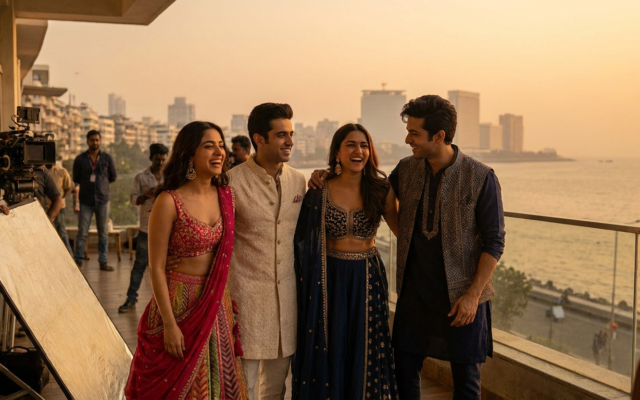
Take ‘Anya Sharma’, a singer-songwriter whose poignant acoustic tracks gained traction through a series of emotionally resonant Instagram reels filmed against the backdrop of Mumbai’s iconic Marine Drive. Her vulnerability and lyrical honesty resonated deeply, leading to sold-out shows at smaller venues across the city. This digital savviness, coupled with genuine talent, is a potent combination that defines the success of many emerging artists today.
Intimate Venues, Amplified Voices
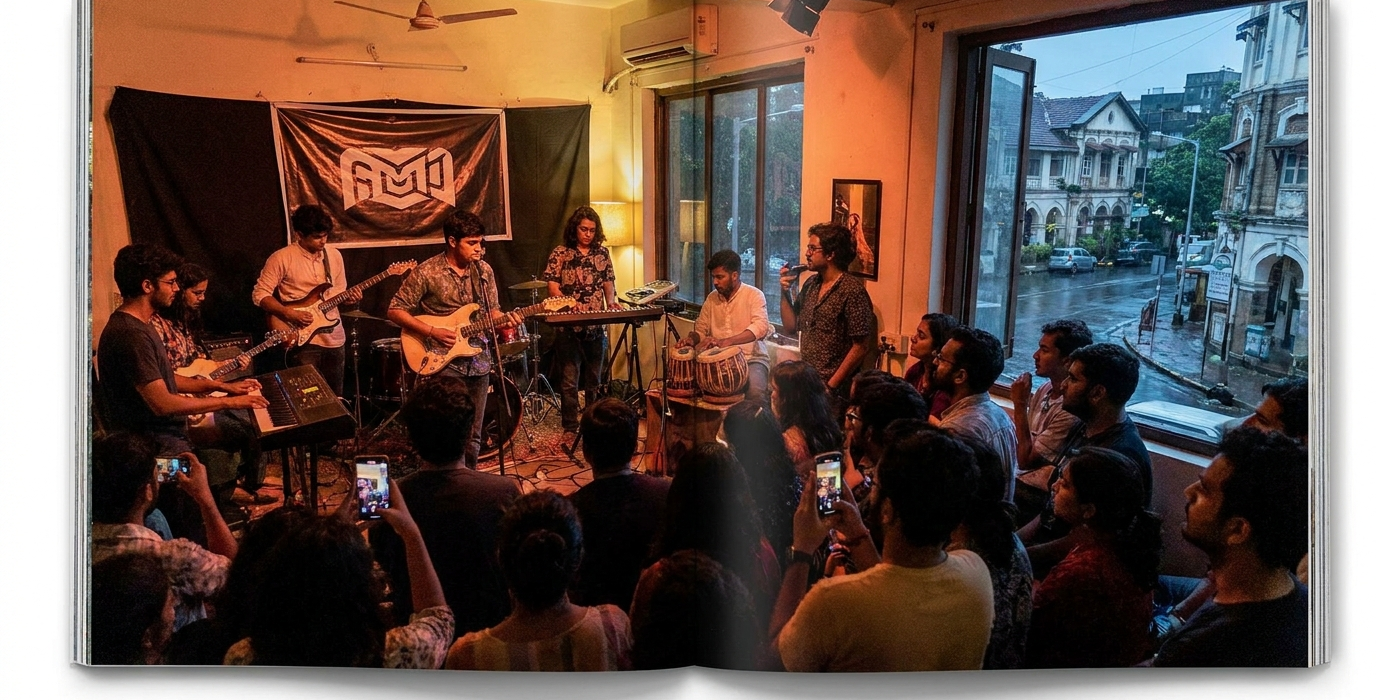
While digital presence is vital, the heart of Mumbai’s indie scene still beats strong in its live music venues. These spaces, often small, quirky, and brimming with character, provide the essential platform for artists to connect with their audience on a visceral level. From the legendary ‘Kala Ghoda Art Precinct’ cafes that host acoustic sets to the more experimental ‘The Blue Frog’ (now reimagined as a community arts hub) that encourages genre-bending performances, these venues are the incubators of talent.
We’ve seen a resurgence in popularity for ‘house concerts’ and ‘pop-up gigs’ in unconventional spaces like art galleries or even rooftops overlooking the city. These events foster a sense of community and exclusivity, making attendees feel like they are part of something special. This intimate setting allows the nuances of the music – the intricate guitar solos, the subtle vocal inflections, the raw emotion – to truly shine through, creating an unforgettable experience for both the performer and the listener.
A Surprise from the South: Kerala’s Influence
An unexpected, yet increasingly influential, thread running through Mumbai’s indie music is the subtle infusion of Kerala’s rich cultural heritage. While not overtly stated by all artists, the melodic sensibilities and rhythmic patterns found in certain folk traditions of Kerala, like ‘Oppana’ or ‘Thiruvathirakkali’, are beginning to surface. For instance, ‘The Raga Revivalists’, a jazz-fusion ensemble, have been incorporating subtle Mohiniyattam-inspired rhythmic cycles into their improvisational pieces. This isn’t about direct appropriation, but rather an organic absorption of sonic textures and aesthetic principles.
This cross-pollination is a fascinating development, suggesting a broader appreciation for India’s diverse musical tapestry among young musicians. It speaks to a generation less confined by regional boundaries and more open to drawing inspiration from across the subcontinent. It’s a testament to the interconnectedness of India’s cultural landscape, proving that inspiration can indeed travel far and wide.
Thematic Depth: Beyond the Surface
The lyrical content of these emerging artists offers a profound glimpse into the contemporary Indian psyche. They are tackling themes that resonate deeply, from the anxieties of urban living and the pressures of societal expectations to the search for identity and the complexities of relationships. Their narratives are often deeply personal, yet they possess a universal quality that allows listeners from diverse backgrounds to connect with their experiences.
Consider ‘Rohan Mehta’, a rapper whose latest album, “Dharavi Diaries,” paints a vivid and unflinching portrait of life in one of Mumbai’s largest informal settlements. His lyrics are poetic, laced with social commentary and a defiant optimism. It’s a far cry from superficial pronouncements; these are stories told with empathy and a fierce commitment to authenticity. This thematic richness elevates their music beyond mere entertainment, turning it into a form of cultural dialogue.
A Deep Dive into Lyrical Innovation
Beyond the subject matter, the way these artists craft their lyrics is also noteworthy. There’s a sophisticated use of language, often incorporating colloquialisms, regional dialects, and even Hinglish, to create a relatable and authentic voice. Some are experimenting with spoken word poetry elements, blurring the lines between singing and recitation, adding an extra dimension to their storytelling.
For example, ‘Meera Krishnan’, a folk-pop artist, often weaves in snippets of Marathi poetry into her Tamil-infused melodies. This linguistic layering not only showcases her heritage but also appeals to a broader audience accustomed to code-switching in daily life. It’s a testament to their creative dexterity and their understanding of their audience’s linguistic landscape.
The Business of Indie: Navigating the Landscape
For every artist creating magic, there’s a behind-the-scenes effort to make it sustainable. The indie music ecosystem in Mumbai is evolving, with new models emerging to support artists. Beyond digital streaming royalties, which remain a contentious issue, we’re seeing a rise in crowdfunding campaigns for album production, merchandise sales at live gigs, and patronage from small, independent labels specializing in niche genres.
Partnerships are also key. Artists are collaborating with independent filmmakers for music videos, with fashion designers for stage costumes, and with digital marketing agencies to amplify their reach. This interconnectedness is crucial for survival and growth in an industry that, while brimming with talent, can be financially challenging. The success of acts like ‘The Bombay Beatniks’ is a prime example of how strategic collaborations can lead to wider recognition.
Surprising Fact: The ‘Mumbai Micro-Gig’ Boom
Did you know that the average cost for an artist to put on an independent gig in a small Mumbai venue can range from ₹8,000 to ₹25,000? This often includes venue rental, sound technician fees, and basic promotion. Yet, despite these costs, the sheer number of these ‘micro-gigs’ has increased by nearly 30% in the past year, highlighting the artists’ determination and the audience’s appetite for live, authentic music experiences. This surge is directly fueling the development of new talent.
The Road Ahead: Innovation and Authenticity
The trajectory of Mumbai’s indie music scene is undeniably upward. The artists we’ve highlighted are not just creating music; they are building communities, sparking conversations, and redefining what it means to be a musician in 21st-century India. Their willingness to embrace diverse influences, leverage digital tools, and connect authentically with their audience sets them apart.
We can anticipate further experimentation with sound, more daring lyrical explorations, and an even stronger integration of visual and digital art with music. The coming years promise a rich tapestry of sounds emerging from this vibrant metropolis. Keep an ear out for these names; they are the vanguard of an exciting musical revolution.
“The most potent music today isn’t afraid to be rooted in its origins, yet bold enough to dream globally. Mumbai’s emerging artists embody this perfectly, weaving tradition into a sound that speaks to our present and future.”
Frequently Asked Questions
What are some of the most popular genres in Mumbai’s indie music scene right now?
The scene is incredibly diverse, but you’ll find a strong presence of indie-rock, electronic music with Indian influences, hip-hop that incorporates classical elements, and folk-fusion acts. Artists are increasingly blending genres, making it hard to pigeonhole them into one category.
How can I discover new independent artists from Mumbai?
Follow their social media accounts (Instagram, YouTube), explore music streaming platforms’ indie playlists, attend local gigs in venues like KSC, The Habitat, or independent cafes, and check out online music blogs and zines that focus on the Indian independent music circuit.
Are there any upcoming music festivals in Mumbai that focus on independent artists in 2026?
While specific dates for 2026 are still being announced, keep an eye on festivals like ‘NH7 Weekender’ which often features a strong indie lineup, and smaller, dedicated independent music festivals that are gaining traction. Local venue showcases are also frequent and a great way to catch new talent.
What is the average cost for an independent musician to record a song in Mumbai?
Recording costs can vary significantly. A professionally mixed and mastered single from an independent artist might range from ₹15,000 to ₹50,000, depending on the studio, the producer’s reputation, and the complexity of the arrangement. Home studios and DIY recording have also become popular, significantly reducing costs for some.