Key Takeaways
- New Delhi’s Smart City Mission is making tangible progress, focusing on integrated infrastructure and citizen-centric services across its six chosen zones.
- Key advancements include improved traffic management through intelligent transport systems and enhanced waste management with digital tracking, though challenges remain in widespread adoption and inter-departmental coordination.
- Citizen engagement platforms are evolving, offering new ways for residents to report issues and access information, directly impacting local governance.
- The mission is leveraging technology for sustainability, with smart water metering and solar energy integration showing promising results in pilot areas.
The Evolving Landscape of Smart Delhi: A 2026 Progress Update
New Delhi, a city that has always pulsed with an energy all its own, is undergoing a significant transformation. The ambitious Smart City Mission, launched with the vision of making our capital more liveable, sustainable, and economically vibrant, is now bearing fruit. Today, we delve into the progress made by August 2026, examining the real-world impact of these initiatives on our daily lives. From smarter traffic flow to cleaner streets and more responsive governance, the changes are subtle yet profound. We’ll explore how technology is weaving itself into the fabric of Delhi, aiming to create a more efficient and citizen-friendly urban experience. This isn’t just about futuristic gadgets; it’s about practical solutions addressing the everyday challenges of a megacity.
We’ve seen a concerted effort to integrate various urban services, moving away from siloed departments towards a more holistic approach. The focus has been on creating a robust digital infrastructure that supports these integrated systems. This report aims to provide you, our readers, with a clear picture of where we stand, highlighting both the successes and the areas that still require our collective attention and effort. The journey of a smart city is continuous, and understanding its milestones is crucial for informed citizenship.
Intelligent Mobility: Navigating Delhi’s Congested Arteries
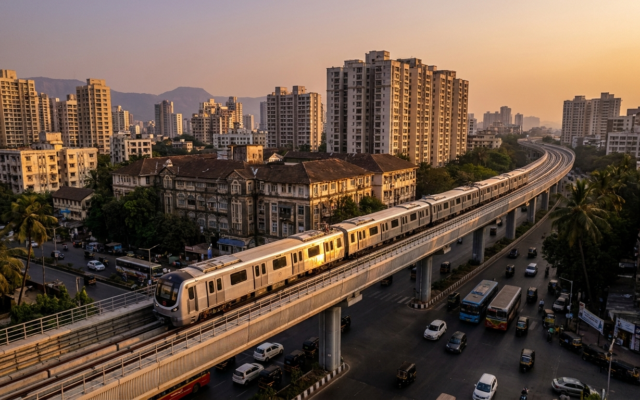
Traffic congestion has long been a defining, and often frustrating, characteristic of Delhi. The Smart City Mission has placed intelligent transportation systems (ITS) at the forefront of its efforts to alleviate this perennial problem. Across key corridors, including those in the North and South Delhi Municipal Corporation areas, we’re witnessing the deployment of advanced traffic management solutions. These systems utilise real-time data from sensors, cameras, and even anonymised mobile data to dynamically adjust traffic signals, optimise signal timings, and provide predictive traffic information to commuters.
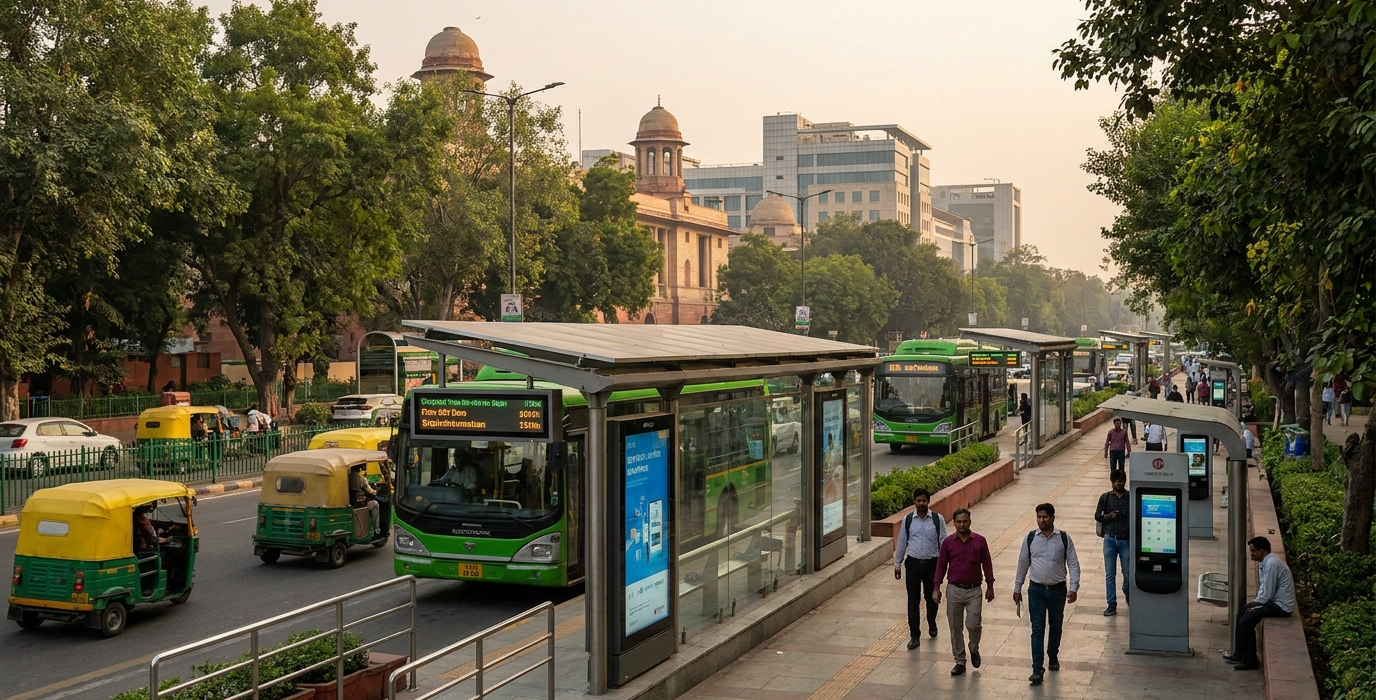
One of the most visible improvements has been the implementation of adaptive traffic signal control systems. These signals respond to actual traffic flow, reducing unnecessary waiting times at intersections. We’ve also seen the integration of public transport information with these systems. Commuters can now access real-time updates on bus and metro schedules through mobile applications, allowing for better journey planning and reducing reliance on private vehicles. The introduction of smart parking solutions in busy commercial hubs like Connaught Place and Lajpat Nagar is another significant step, reducing the time spent circling for parking and thereby easing local traffic congestion.
Real-time Data for Smarter Journeys
The backbone of these ITS initiatives is the vast network of sensors and cameras installed across the city. These devices collect crucial data on traffic volume, speed, and density. This information is then fed into sophisticated algorithms that help traffic authorities make informed decisions. For instance, during peak hours or in the event of an accident, signals can be recalibrated instantly to divert traffic and minimise disruption. This proactive approach is a far cry from the static signal timings of the past. We are beginning to see a tangible reduction in average commute times in the targeted zones, a welcome change for millions of Delhiites.
A surprising fact is the extent to which machine learning is being employed. These AI-powered systems are not just reacting to current conditions; they are learning from historical data to predict traffic patterns and proactively manage flow. This predictive capability allows for better resource allocation and helps in preventing bottlenecks before they form. The goal is to create a seamless and efficient flow of movement, making Delhi a more accessible and less stressful city to navigate for everyone, from daily commuters to emergency services.
Enhanced Urban Livability: From Waste to Wonder
Beyond traffic, the Smart City Mission is profoundly impacting the everyday quality of life through improved waste management and sanitation. Delhi generates an enormous amount of waste daily, and its efficient disposal and management have always been a critical challenge. The Smart City initiatives have introduced digital solutions to tackle this complex issue head-on, aiming for a cleaner and healthier environment for all residents.
We’ve seen the widespread deployment of smart bins equipped with sensors that monitor fill levels. This allows waste collection vehicles to operate on optimised routes, collecting waste only when and where it’s needed. This not only reduces fuel consumption and operational costs but also prevents overflowing bins and the associated public health hazards. Furthermore, the introduction of GPS tracking on waste collection vehicles ensures accountability and transparency in the waste management process. Citizens can now access information about waste collection schedules and report any missed collections through dedicated mobile applications.
Digital Chains for a Cleaner City
The impact of these digital systems is becoming increasingly apparent in areas like Karol Bagh and Shahdara. Residents are reporting cleaner streets and a more consistent waste collection service. The mission also includes initiatives for source segregation of waste, supported by public awareness campaigns and improved infrastructure for collection and processing of different waste streams, including organic and recyclable materials. This is a crucial step towards achieving a circular economy model for waste management in the capital.
A particularly interesting development is the use of IoT devices to monitor the air quality at various points across the city. While not directly waste management, this data is crucial for understanding the impact of urban activities, including waste disposal practices, on the environment. The integration of this data with other smart city platforms allows for a more comprehensive understanding of the city’s environmental health. This holistic approach is essential for building a truly sustainable urban ecosystem.
Citizen Connect and Responsive Governance: Your Voice Matters
At the heart of any smart city is its people. The New Delhi Smart City Mission has placed a strong emphasis on enhancing citizen engagement and making governance more responsive and accessible. This means creating digital platforms where residents can easily report issues, access public services, and provide feedback, thereby becoming active participants in the city’s development.
The most prominent manifestation of this is the integrated citizen grievance redressal system. Through a unified mobile application and web portal, residents can now report a wide array of civic issues – from potholes and street light outages to water leakage and unauthorized constructions. These complaints are automatically routed to the concerned municipal department for prompt action. Real-time tracking of complaint status and feedback mechanisms ensure accountability. This has significantly streamlined the process of getting civic issues addressed, moving away from the bureaucratic hurdles of the past.
Empowering Residents with Information and Action
Beyond grievance redressal, these platforms offer access to a wealth of public information. Citizens can find details about local ward activities, upcoming civic projects, and even access vital documents online. The aim is to foster transparency and empower residents with the knowledge they need to engage effectively with their local government. We’ve observed a notable increase in citizen participation in local consultations and feedback sessions, driven by these digital tools. This is a powerful testament to how technology can bridge the gap between citizens and their administration.
A surprising innovation we’ve encountered is the use of augmented reality (AR) features within some citizen reporting apps. For instance, when reporting a pothole, a resident can use their smartphone camera to overlay precise location data and even indicate the size and depth of the damage, providing a much clearer picture to the repair teams. This level of detail significantly aids in prioritising and executing repairs more effectively. It’s a small detail, but it demonstrates a commitment to leveraging cutting-edge technology for practical problem-solving.
Sustainable Futures: Greening Delhi with Technology
The Smart City Mission isn’t just about efficiency; it’s also deeply committed to building a sustainable and environmentally conscious Delhi. This involves integrating green technologies and promoting resource conservation across various urban functions. From water management to energy consumption, technology is being harnessed to create a more resilient and eco-friendly city for future generations.
One of the key areas of focus has been smart water management. In several pilot zones, including parts of East Delhi, smart water meters are being installed. These meters provide real-time data on water consumption, helping to detect leakages in the distribution network and promoting conscious usage by consumers. This not only conserves a precious resource but also helps in identifying inefficiencies in the water supply system, leading to better planning and resource allocation. The objective is to ensure equitable access to clean water while minimising wastage.
Harnessing the Sun and Conserving Water
Another significant stride is in the realm of renewable energy. The mission is actively promoting the installation of solar panels on government buildings, public spaces, and even residential complexes. Smart grids are being developed to efficiently manage and distribute this renewable energy. This move towards decentralised energy generation reduces reliance on fossil fuels and contributes to cleaner air quality in the long run. We’re seeing solar-powered streetlights and charging stations becoming increasingly common sights.
A truly surprising aspect of Delhi’s smart city sustainability efforts is the integration of waste-to-energy projects. While challenging to implement at scale, pilot projects are demonstrating the potential of converting non-recyclable waste into electricity. This not only addresses the waste disposal crisis but also contributes to the city’s energy needs, creating a closed-loop system. The ambition is to see Delhi as a leader in urban sustainability, proving that rapid development and environmental responsibility can go hand in hand.
Challenges and the Path Ahead: A Realistic Outlook
While the progress of New Delhi’s Smart City Mission is commendable, it’s crucial to acknowledge the challenges that lie ahead. The sheer scale and complexity of a megacity like Delhi present unique hurdles. One of the primary challenges is ensuring the widespread adoption and equitable access to these smart solutions across all socio-economic strata of the population. Not everyone has access to smartphones or reliable internet connectivity, which can create a digital divide.
Inter-departmental coordination remains an ongoing challenge. While the mission aims for integration, effectively merging the operational frameworks of various government bodies and ensuring seamless data sharing requires continuous effort and strong political will. The maintenance and upkeep of the deployed technology infrastructure also pose a long-term concern. Ensuring that these smart systems remain functional and are updated regularly is vital for their sustained success.
Bridging Divides and Ensuring Longevity
Furthermore, data privacy and cybersecurity are paramount concerns. As more data is collected and analysed, robust security protocols must be in place to protect sensitive information and prevent cyber threats. Public trust in these systems hinges on their security and transparency. Continuous training and capacity building for municipal staff are also essential to effectively manage and leverage the new technologies being implemented. Without skilled personnel, even the most advanced systems can falter.
Despite these challenges, the momentum is undeniable. The Smart City Mission has laid a strong foundation for a more efficient, sustainable, and liveable Delhi. The focus now must be on consolidating these gains, addressing the persistent issues with innovative solutions, and ensuring that the benefits of this transformation reach every citizen. The next few years will be critical in determining the long-term success and impact of these ambitious urban development projects.
Frequently Asked Questions
What is the primary goal of New Delhi’s Smart City Mission?
The primary goal is to make New Delhi a more liveable, sustainable, and economically vibrant city by improving urban infrastructure and services through the use of technology and citizen-centric approaches.
How is traffic management being improved in Delhi?
Traffic management is being improved through intelligent transportation systems (ITS) that use real-time data to optimise traffic signals, provide dynamic route guidance, and integrate public transport information for commuters.
Are there any citizen complaint systems in place?
Yes, there is an integrated citizen grievance redressal system accessible via mobile apps and web portals, allowing residents to report civic issues and track their resolution.
What sustainability initiatives are part of the Smart City Mission?
Sustainability initiatives include smart water management with sensors, promotion of solar energy adoption, and pilot projects for waste-to-energy conversion, all aimed at reducing environmental impact and conserving resources.
What are the main challenges faced by the Smart City Mission in Delhi?
Key challenges include ensuring equitable access to technology for all citizens, achieving seamless inter-departmental coordination, maintaining the technological infrastructure, and addressing data privacy and cybersecurity concerns.