The Emerald Invasion: Mumbai’s Rooftop Gardens Take Root
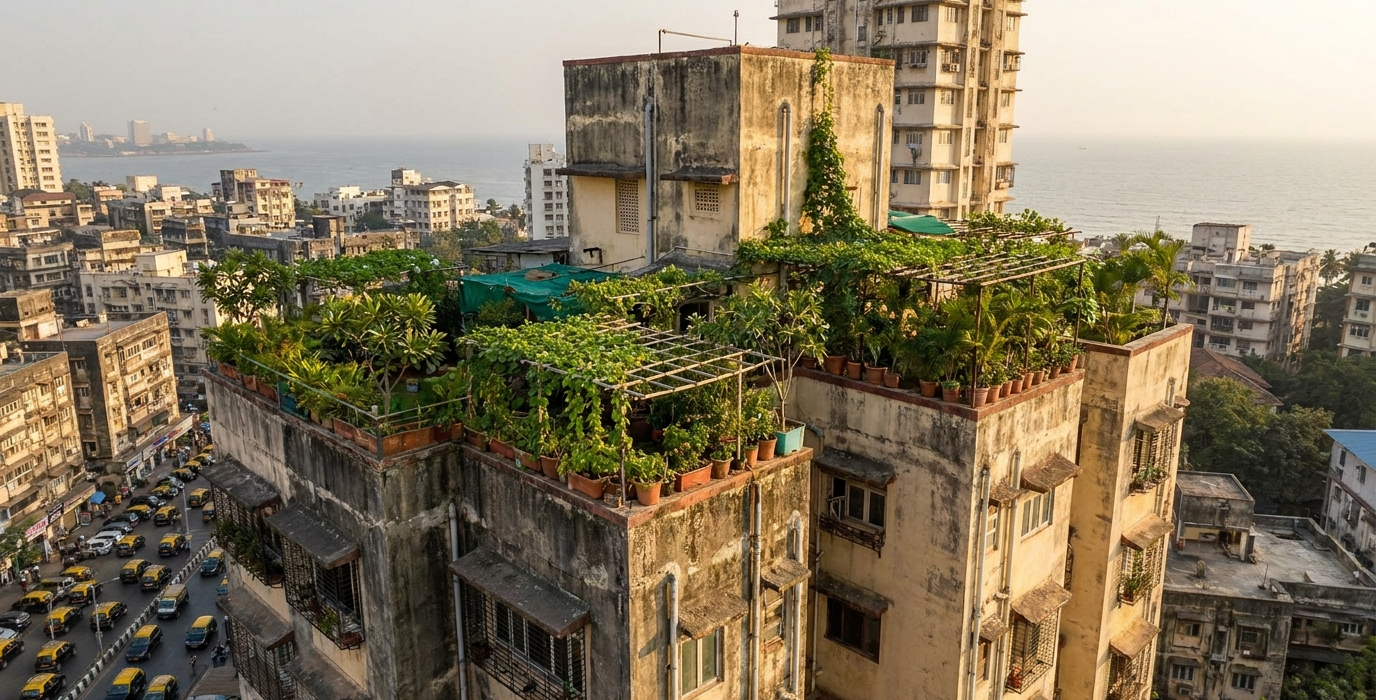
Mumbai, a city synonymous with concrete, steel, and the relentless hum of traffic, is experiencing an emerald invasion. Across its sprawling urban landscape, a quiet revolution is taking root, quite literally, on the rooftops. These aren’t just decorative patches of green; they are vibrant, productive gardens, transforming barren terraces into buzzing oases of biodiversity and sustainable living. From the bustling lanes of Dadar to the affluent enclaves of Bandra, Mumbaikars are reclaiming their aerial spaces, cultivating everything from essential vegetables to exotic herbs. This burgeoning movement is driven by a growing awareness of food security, a desire for healthier living, and a deep-seated yearning for a connection with nature amidst the urban chaos.
The sheer ingenuity on display is remarkable. Faced with limited ground space, residents have ingeniously adapted. Old tires are repurposed as planters, discarded plastic bottles sprout with tiny saplings, and even the ubiquitous Mumbai monsoon barrels are now cradling thriving tomato vines. These are not the manicured, low-maintenance gardens of suburban homes; these are functional farms, teeming with life and purpose. Imagine plucking fresh coriander for your evening dal, or snipping basil for your pasta, all just a few steps from your living room. This is the reality for an increasing number of Mumbai families, and it’s changing the way they eat, live, and think about their city.
The benefits extend far beyond personal consumption. These rooftop gardens act as miniature lungs for the city, absorbing carbon dioxide and releasing oxygen, helping to mitigate the urban heat island effect. They provide a vital habitat for pollinators like bees and butterflies, crucial for urban ecosystems. Furthermore, they foster a sense of community, with neighbours sharing tips, surplus produce, and the sheer joy of watching something grow. It’s a tangible, edible antidote to the often-overwhelming impersonality of megacity life.
From Concrete Jungles to Edible Ecosystems
The transformation is more than aesthetic; it’s about reclaiming a fundamental connection to our food. For many in Mumbai, particularly those living in high-rises, the journey of food from farm to fork is a distant, abstract concept. Rooftop gardening shatters this distance, bringing the soil, the sun, and the cycle of growth right to their doorstep. It’s about understanding the effort, the care, and the time it takes to produce the food that sustains us. This hands-on experience fosters a deeper appreciation for agriculture and a more mindful approach to consumption.
Consider the humble brinjal, or *baingan*. In a typical Mumbai market, you’ll find them in various hues, but you rarely see the plant itself, let alone the journey it took to ripen. On a rooftop garden, you witness the entire process: the delicate purple flower, the nascent fruit protected by its calyx, and finally, the plump vegetable ready for harvest. This intimate engagement with food production is profoundly grounding. It teaches patience, resilience, and the simple satisfaction of nurturing life.
The diversity of what’s being grown is also astonishing. Beyond staples like tomatoes, chillies, and leafy greens, many urban farmers are experimenting with more exotic produce. Lemongrass, mint, curry leaves, and even small citrus trees are finding a home on Mumbai’s rooftops. This not only diversifies diets but also supports a richer urban ecosystem, attracting a wider array of beneficial insects. It’s a testament to the adaptability and resourcefulness of Mumbaikars, turning every available nook and cranny into a potential source of nourishment and greenery.
The Rise of the Urban Farmer: A New Generation
This movement isn’t confined to seasoned gardeners or environmental activists. A new generation of urban farmers is emerging, driven by a desire for health, sustainability, and a tangible connection to their food. Young professionals, families with children, and even retired individuals are embracing the practice with enthusiasm. They are armed with information gleaned from online tutorials, workshops, and the collective wisdom of fellow gardeners. The internet has become a vital tool, connecting aspiring farmers with resources, advice, and a supportive community.
These urban farmers are often meticulously planning their plots, considering factors like sunlight exposure, water drainage, and companion planting. They’re learning to manage pests organically, using natural remedies like neem oil and ladybugs, rather than resorting to harmful chemical pesticides. This commitment to sustainable practices is a cornerstone of the movement, ensuring that these green spaces are not just productive but also environmentally responsible. It’s a holistic approach to urban living, integrating ecological principles into daily life.
One of the most surprising aspects of this trend is the sheer scale of individual commitment. Many residents, with limited space, are maximizing their yield through vertical gardening techniques and intensive planting. They are creating miniature food forests on their balconies and terraces, a testament to their dedication. It’s a far cry from the passive consumption model, and it’s empowering individuals to take an active role in their food system.
Beyond the Home Garden: Community and Commercial Ventures
The impact of rooftop gardening in Mumbai is extending beyond individual households. We are seeing the emergence of community rooftop gardens, where residents of apartment complexes collaborate to cultivate shared spaces. These initiatives foster a strong sense of camaraderie and shared responsibility, transforming building societies into vibrant hubs of urban agriculture. They also provide a larger scale for production, allowing for a more significant impact on local food availability.
Moreover, commercial ventures are beginning to tap into this green wave. Cafes and restaurants are establishing their own rooftop farms to supply fresh, hyper-local produce for their kitchens. This farm-to-table ethos is gaining traction, with consumers increasingly seeking out establishments that prioritize sustainability and freshness. Imagine enjoying a salad where the greens were harvested just hours before, grown just metres away. It’s a culinary experience that connects diners directly to the source of their food.
There are also enterprising individuals and organizations that are offering end-to-end solutions for aspiring rooftop gardeners. These services range from designing and installing garden systems to providing ongoing maintenance and organic inputs. They are democratizing urban farming, making it accessible to a wider audience, regardless of their prior gardening experience. This professionalization is helping to solidify rooftop gardening as a viable and respected aspect of urban living.
The Surprising Science of Urban Greenery
The benefits of urban greenery are not merely anecdotal; they are backed by scientific evidence. Rooftop gardens, in particular, play a crucial role in mitigating the urban heat island effect. By providing shade and releasing water vapour through transpiration, they can significantly lower ambient temperatures. Studies have shown that green roofs can reduce energy consumption for cooling buildings by as much as 25%. This is a substantial saving, both economically and environmentally, especially in a city like Mumbai that experiences prolonged periods of intense heat.
Furthermore, these green spaces act as natural filters for air and water pollution. Plant leaves capture particulate matter from the air, and their root systems help to absorb pollutants from rainwater runoff before it enters local waterways. This dual function makes them invaluable assets in improving the overall environmental quality of the city. They are, in essence, living infrastructure, providing essential ecological services.
A surprising fact we uncovered is the potential for rooftop gardens to enhance urban biodiversity. While often overlooked, these elevated ecosystems can provide crucial foraging and nesting sites for birds and insects, especially in densely populated areas. A recent survey in one Mumbai neighbourhood revealed a surprising variety of butterfly species found exclusively on the rooftops of buildings with extensive green cover. This underscores the vital role even small patches of urban greenery play in supporting our local wildlife.
Challenges and the Path Forward: Cultivating a Greener Mumbai
Despite the remarkable progress, challenges remain. Water scarcity is a significant concern in Mumbai, and maintaining gardens, especially during the dry months, requires careful water management. Many urban farmers are adopting water-efficient techniques like drip irrigation and mulching to conserve this precious resource. Rainwater harvesting systems are also being integrated into rooftop garden designs, ensuring a more sustainable water supply.
Another challenge is access to quality organic inputs and technical expertise. While the DIY spirit is strong, formal training and access to resources can make a significant difference in the success of rooftop gardens. Initiatives that provide workshops, affordable organic fertilizers, and pest management solutions are crucial for the continued growth of this movement. Educating residents about the long-term benefits and the practicalities of urban farming is key to sustained engagement.
The future of Mumbai’s rooftops is undeniably green. As more residents embrace urban farming, we can expect to see a tangible shift in the city’s landscape and its social fabric. These gardens represent more than just a trend; they embody a conscious choice towards a healthier, more sustainable, and more connected urban future. They are a powerful reminder that even in the heart of a bustling metropolis, nature can find a way to thrive, and we can actively participate in its flourishing. The ongoing cultivation of these green spaces is not just about growing food; it’s about growing a better city, one rooftop at a time.