In the whirlwind of modern life, especially here in India where the pace can be exhilarating, finding time to prepare a substantial meal after a long day can feel like a Herculean task. Yet, the pangs of hunger don’t wait for our convenience. This is where the humble snack steps in, not just as a quick fix, but as a delightful interlude that can energize you and bring a moment of joy. We understand that after juggling work, family, and social commitments, the last thing you want is a complicated culinary challenge. That’s why we’ve curated a collection of snacks that are not only incredibly easy to make but also bursting with flavour, using ingredients you likely already have in your pantry. These recipes are designed for speed and simplicity, ensuring you can whip up something delicious in mere minutes, perfect for those rushed evenings or unexpected guests. Get ready to discover how effortless and satisfying snacking can be.
The Speedy Sev Puri Sensation
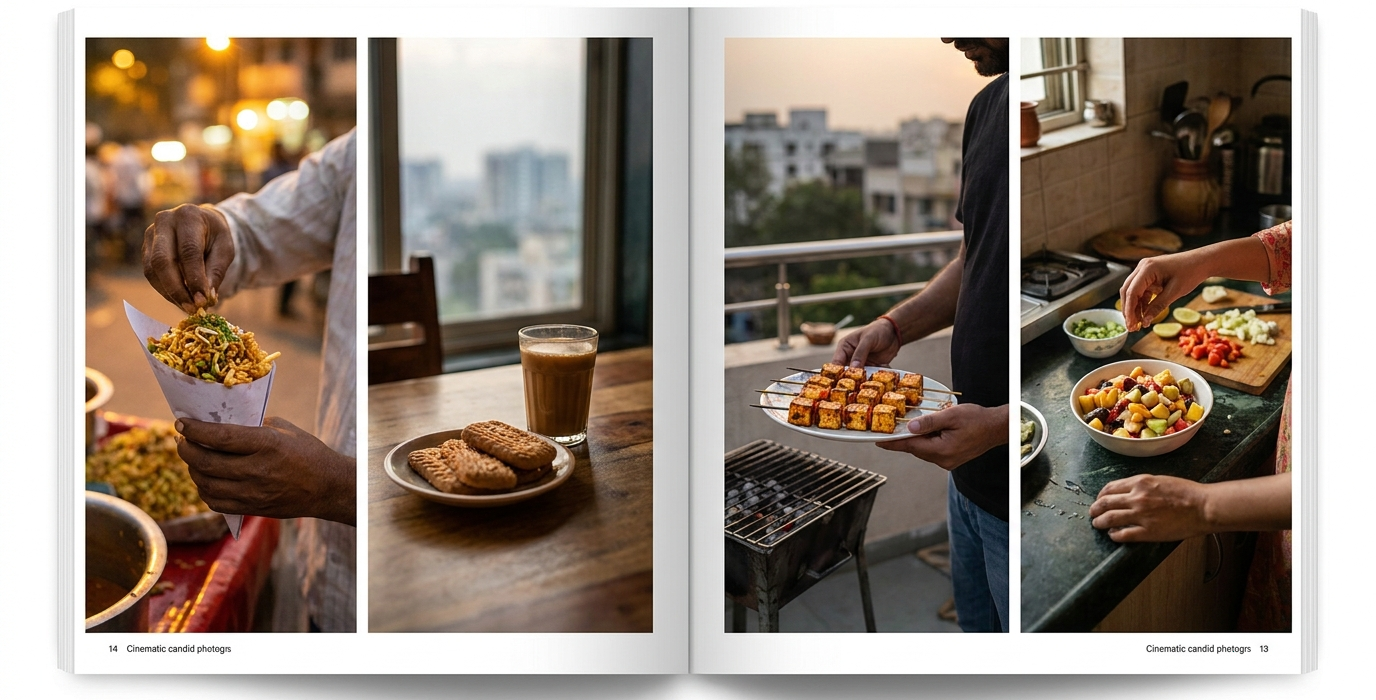
Forget the elaborate chaat stalls for a moment. We’re bringing the irresistible crunch and tang of Sev Puri right to your kitchen, with a simplified approach that cuts down preparation time without sacrificing an ounce of flavour. This is a favourite across India, from the bustling streets of Mumbai to the sophisticated kitchens of Delhi, and for good reason. It’s a symphony of textures and tastes that awakens the palate. Imagine crisp puris, a medley of finely chopped vegetables, a hint of spice, and a cooling yogurt drizzle – all coming together in under ten minutes.
To start, gather your essentials: ready-made puris (available in any Indian grocery store), boiled potatoes, finely chopped onions, tomatoes, coriander leaves, and a few basic chutneys like tamarind and mint-coriander. You’ll also need some sev (thin gram flour noodles) and perhaps a sprinkle of chaat masala for that extra zing. Mash the boiled potatoes with a pinch of salt and a dash of red chilli powder. Break the puris in half and carefully top them with a spoonful of the seasoned potato mixture. Next, add a generous scattering of chopped onions and tomatoes. Drizzle with your tamarind and mint-coriander chutneys. The final flourish comes with a liberal topping of sev and a sprinkle of chaat masala. For an extra creamy touch, you can add a swirl of plain yogurt. This snack is a revelation in its simplicity, offering a delightful explosion of flavour that’s perfect for any time you need a quick, satisfying bite.
A surprising fact about Sev Puri is its relatively recent origin. While chaat has a long history, Sev Puri, as we know it today, is believed to have gained popularity in Mumbai only in the mid-20th century, evolving from earlier forms of street food. It’s a testament to how quickly culinary traditions can adapt and flourish, becoming beloved favourites in a relatively short span of time.
Instant Masala Omelette Magic
When hunger strikes with an unexpected urgency, the humble omelette transforms into a culinary superhero. We’re elevating the everyday omelette with a burst of Indian spices, turning it into a flavourful and protein-packed snack that’s ready before you can even decide what to watch on your streaming service. This isn’t just breakfast fare; it’s a versatile delight that works brilliantly for a quick evening snack, especially on a drizzly Bangalore evening or a breezy Chennai afternoon.
You’ll need just a few eggs, finely chopped onions, green chillies (adjust to your spice preference), coriander leaves, and a pinch of turmeric powder, red chilli powder, and salt. Whisk the eggs thoroughly in a bowl with all the chopped ingredients and spices. Heat a little oil or ghee in a non-stick pan over medium heat. Pour the egg mixture into the hot pan, spreading it evenly. Cook for about 2-3 minutes until the bottom is set and golden brown. You can either fold it in half or flip it over to cook the other side, depending on your preference. For an extra layer of flavour, you can add a sprinkle of grated cheese or a dollop of tomato ketchup just before folding. Serve hot, perhaps with a side of toasted bread or even a few crispy papads for added texture. It’s a complete, satisfying snack that requires minimal effort and delivers maximum taste.
This masala omelette is a staple in many Indian households, but its adaptability is its true strength. Did you know that in some parts of Kerala, a similar spiced omelette, often called ‘Mutta Roast’, is cooked with a blend of coconut oil and curry leaves, giving it a distinct regional flavour profile? This simple dish truly reflects the diverse culinary landscape of India, with each region adding its own unique twist.
Quick Paneer Tikka Skewers (Pan-Fried)
Craving something a little more substantial, perhaps with that distinct smoky flavour of tandoori cooking, but without the need for a tandoor or hours of marination? We’ve got you covered with our quick pan-fried Paneer Tikka Skewers. This recipe captures the essence of the popular Indian appetizer, making it accessible for a weeknight treat. The soft, melt-in-your-mouth paneer, marinated in a vibrant blend of spices, is a guaranteed crowd-pleaser, whether you’re serving it to yourself or unexpected guests dropping by your home in Kolkata or Pune.
Start by cubing some firm paneer (Indian cottage cheese). In a bowl, whisk together thick yogurt, ginger-garlic paste, lemon juice, and a mix of spices: garam masala, turmeric powder, red chilli powder, coriander powder, and a pinch of salt. Add the paneer cubes to the marinade, ensuring each piece is well coated. For added colour and flavour, you can also toss in some diced capsicum (bell pepper) and onions. Let it marinate for at least 15-20 minutes – even a quick 10 minutes will do in a pinch. Thread the marinated paneer cubes (and vegetables, if using) onto small skewers. Heat a little oil or ghee in a non-stick pan or griddle over medium-high heat. Place the skewers in the pan and cook, turning occasionally, until all sides are golden brown and slightly charred, about 5-7 minutes. The aroma that fills your kitchen will be incredible. Serve hot with a squeeze of lemon and a side of mint chutney. It’s a delightful, protein-rich snack that feels indulgent but is surprisingly quick to prepare.
A fascinating aspect of Paneer Tikka is its evolution from traditional Punjabi cuisine. While paneer itself has been a part of Indian cooking for centuries, the ‘tikka’ style of marinating and grilling meat and vegetables gained widespread popularity in the mid-20th century, particularly with the rise of Mughlai and North Indian restaurant culture. What’s truly surprising is that this paneer version, now a vegetarian staple, was initially conceived as a vegetarian alternative to its meat counterparts, showcasing the innovative spirit of Indian chefs and home cooks alike.
The Speedy Besan Cheela Delight
When you need something wholesome and flavourful that comes together in a flash, the Besan Cheela is your answer. This savoury gram flour pancake is a beloved snack across India, enjoyed from the bustling streets of Delhi to the serene kitchens of Himachal Pradesh. It’s incredibly versatile, nutritious, and can be customized with whatever vegetables you have on hand, making it a perfect go-to for a quick and healthy evening bite.
To make this delightful cheela, you’ll need gram flour (besan), finely chopped onions, tomatoes, green chillies, coriander leaves, and a pinch of salt, turmeric powder, and cumin seeds. In a bowl, whisk together the gram flour with water to form a smooth batter of pouring consistency, similar to dosa batter. Stir in the finely chopped vegetables and spices. Heat a non-stick tava or griddle over medium heat and lightly grease it with oil or ghee. Pour a ladleful of batter onto the hot tava and spread it gently into a thin, round pancake. Cook for 2-3 minutes on one side until golden brown and slightly crisp. Flip it over and cook the other side for another 1-2 minutes. You can add a little extra oil or ghee around the edges for crispiness if you like. Serve hot, either plain or with your favourite chutney or ketchup. It’s a satisfying and filling snack that’s ready in less than 15 minutes.
A surprising fact about Besan Cheela is its regional variations. While the basic recipe is consistent, in some parts of Rajasthan, it’s often prepared with a slightly coarser grind of gram flour and includes finely grated carrots and bottle gourd (lauki) for added texture and moisture. This adaptation makes the cheela even more wholesome and is a testament to how local ingredients and preferences shape even the simplest of dishes across India.
Crispy Poha Fritters: A South Indian Twist
Poha, or flattened rice, is a breakfast staple across many Indian households. But have you ever considered transforming this light grain into crispy, flavourful fritters for an evening snack? This recipe takes the humble poha and gives it a delightful South Indian-inspired makeover, perfect for a quick bite alongside your evening chai. Imagine crispy, golden fritters with a hint of spice and tang – a perfect accompaniment to a leisurely evening after a busy day in a city like Chennai or Kochi.
To begin, you’ll need about a cup of thick poha (flattened rice). Rinse it thoroughly under running water and let it drain for about 5-10 minutes until it softens. Squeeze out any excess water. In a mixing bowl, combine the softened poha with finely chopped onions, green chillies, curry leaves (essential for that South Indian flavour), coriander leaves, and a tablespoon of rice flour for crispiness. Add a pinch of turmeric powder, cumin seeds, and salt to taste. Mix everything well until it forms a cohesive mixture. You can also add a tiny bit of grated ginger if you like. Heat oil in a kadai or deep pan for frying. Once the oil is hot, carefully drop small portions of the poha mixture into the oil. Fry them in batches, turning occasionally, until they are golden brown and crispy. Drain them on absorbent paper to remove excess oil. Serve these delicious fritters hot with coconut chutney or tomato ketchup. They offer a satisfying crunch and a burst of flavour that’s hard to resist.
An interesting detail about using poha for fritters is its natural binding property once softened. What’s truly surprising is that despite being a simple grain, the process of flattening rice to create poha actually increases its digestibility and reduces its cooking time, making it an ideal base for quick snacks like these. This ancient processing technique, still widely used today, highlights the ingenuity of traditional food preparation methods.
The Ultimate 5-Minute Upma Upgrade
Upma, a comforting semolina dish, is a breakfast favourite for many. But when you’re pressed for time and craving something warm and satisfying, it can also be your secret weapon for a speedy evening snack. We’re giving the classic upma a quick upgrade, infusing it with vibrant flavours and textures that transform it into a more exciting and fulfilling bite. This is perfect for those evenings when you’re back home in a bustling city like Hyderabad or a quiet town in Gujarat and just need something quick and delicious without much fuss.
You’ll need fine semolina (rava), finely chopped onions, tomatoes, green chillies, and curry leaves. For the upgrade, consider adding a handful of roasted peanuts or cashews for crunch, and perhaps some finely chopped carrots or peas for added colour and nutrition. Heat a tablespoon of oil or ghee in a pan. Add mustard seeds, cumin seeds, and a pinch of asafoetida (hing). Once they splutter, add the chopped onions and sauté until translucent. Then, add the green chillies, curry leaves, and vegetables (if using), and cook for another minute. Add the semolina to the pan and dry roast it for 2-3 minutes until it becomes aromatic and slightly golden. This step is crucial for a non-sticky upma. Gradually add hot water (twice the amount of semolina), stirring continuously to avoid lumps. Add salt to taste. Cover and cook on low heat for about 5-7 minutes, or until the water is absorbed and the semolina is cooked. Stir in the roasted peanuts/cashews and garnish with fresh coriander. The addition of nuts and subtle spices elevates the humble upma into a truly satisfying snack.
A surprising fact about Upma is its surprising versatility beyond just breakfast. In many South Indian households, a slightly thicker, more savoury version of Upma, often called ‘Rava Upma’, is served as a light dinner or a substantial evening snack. What’s truly fascinating is that the specific ratio of semolina to water can vary significantly, influencing the final texture – some prefer it fluffy, while others enjoy it denser, almost like a savory pudding. This subtle variation allows for a wide range of taste experiences from one basic ingredient.