Key Takeaways
- Discover five unique and flavourful paneer sabzi recipes designed for speed and taste, perfect for busy weeknights in 2026.
- Learn simple techniques to elevate everyday paneer dishes with minimal effort and common Indian pantry staples.
- Explore variations that cater to different spice levels and dietary preferences, ensuring a delicious meal for everyone.
- Get tips on ingredient selection and quick cooking methods to achieve restaurant-quality paneer sabzis at home.
1. The Speedy Dhaba-Style Paneer Bhurji: A 2026 Weeknight Wonder
In the whirlwind of 2026 life, who has time for elaborate cooking? Yet, the craving for a hearty, flavourful paneer dish often strikes when you least expect it. Enter the Dhaba-Style Paneer Bhurji. This isn’t just scrambled paneer; it’s a symphony of spices, onions, tomatoes, and capsicum that comes together in under 20 minutes.
The magic lies in the simplicity and the robust flavours reminiscent of roadside dhabas. We’re talking about finely chopped onions and tomatoes sautéed until fragrant, then infused with turmeric, red chilli powder, and a generous pinch of garam masala. Crumbled paneer is then tossed in, absorbing all those delicious spices. A final flourish of fresh coriander and a squeeze of lime elevates it to a truly satisfying meal.
What makes this recipe a 2026 must-have is its adaptability. Feeling adventurous? Add a handful of peas or finely chopped carrots for extra texture and nutrition. Need it spicier? Amp up the green chillies. This bhurji pairs beautifully with roti, paratha, or even a simple slice of toast for a quick breakfast. Its speed and versatility make it a true winner when time is of the essence.
A surprising fact about paneer bhurji is its adaptability across regions. While the core remains the same, variations like adding a touch of kasoori methi (dried fenugreek leaves) in North India or a hint of mustard seeds in the tempering in the South can drastically change the flavour profile, showcasing India’s diverse culinary landscape even in a simple dish.
2. Quick Matar Paneer: A Comforting Classic in Minutes
Matar Paneer is practically synonymous with Indian comfort food. Usually, it involves a slow simmer to meld the flavours, but we’ve streamlined it for today’s fast-paced world. This 2026 version focuses on a quick gravy base that still delivers that authentic, rich taste without the long wait.
We start with a base of puréed onions and tomatoes, quickly sautéed with ginger-garlic paste. A blend of cumin, coriander, turmeric, and red chilli powder forms the flavour foundation. Instead of simmering for hours, we use a slightly higher heat for a shorter duration, allowing the spices to cook through without burning. Frozen peas are added towards the end for sweetness and colour, and cubed paneer is gently folded in, just enough to warm through and absorb the sauce.
The trick to achieving a creamy texture quickly is to either use a good quality cashew paste or a tablespoon of thick curd whisked in at the very end, off the heat. This adds richness without requiring extensive simmering. A final garnish of fresh cream or a sprinkle of garam masala completes this delightful dish.
This recipe is perfect for when you’re craving something homestyle but have limited time. It’s a testament to how traditional recipes can be adapted for modern needs without compromising on taste. The vibrant green of the peas and the soft white of the paneer make it visually appealing, too.
3. Palak Paneer Made Effortless: The 2026 Speedy Green Delight
Palak Paneer, the vibrant green spinach and paneer curry, is a nutrition powerhouse. Traditionally, the spinach is blanched and puréed, which can be time-consuming. Our 2026 update uses a clever shortcut to achieve a smooth, flavourful spinach base in record time.
Instead of blanching, we’ll use fresh spinach leaves and purée them directly with a little water and a green chilli for a kick. This purée is then quickly tempered with cumin seeds, hing (asafoetida), and finely chopped garlic. This tempering step is crucial for developing deep flavour. Once the spinach purée is added, it’s cooked for just a few minutes until the raw taste disappears. Cubes of paneer are then added.
To enhance the creaminess and richness, we can add a dollop of fresh cream or a tablespoon of milk at the end. Some chefs even add a tiny pinch of sugar to balance the slight bitterness of spinach, a trick that works wonders. The key is not to overcook the spinach purée, which can dull its vibrant colour and fresh taste.
This recipe proves that healthy can also be incredibly fast. It’s a fantastic way to incorporate more greens into your diet, especially for picky eaters. Serve it with whole wheat rotis or brown rice for a complete and wholesome meal that’s ready in under 25 minutes. The bright green hue is always a welcome sight on any dinner table.
4. Paneer Pasanda Simplified: Rich Flavors, Less Fuss
Paneer Pasanda, with its stuffed paneer slices simmered in a rich, creamy gravy, sounds complex. However, we’ve devised a 2026 version that captures its essence without the intricate stuffing process. This simplified approach focuses on flavour layering and smart gravy preparation.
Instead of stuffing, we’ll create a flavourful paneer mixture that is pan-fried into small patties or cut into bite-sized cubes. This mixture could include finely chopped nuts, dried fruits, and mild spices. The gravy uses a base of puréed onions, tomatoes, and cashews, which cooks relatively quickly when sautéed properly. We’ll infuse it with classic Pasanda spices like cardamom, cloves, and a touch of nutmeg.
The key to speed here is ensuring your purées are ready beforehand or using a high-speed blender. The gravy is cooked until the oil separates, indicating that the raw flavours have been cooked out. The paneer pieces are then added and simmered gently for just a few minutes to absorb the sauce, retaining their soft texture. A final swirl of cream and a sprinkle of slivered almonds finishes this regal dish.
This recipe is ideal for special occasions or when you want to impress without spending hours in the kitchen. It offers a decadent taste experience that feels truly indulgent. The subtle sweetness from the nuts and dried fruits, combined with the creamy gravy, makes it a crowd-pleaser.
5. Chilli Paneer (Indo-Chinese Style) – The 2026 Speedy Snack/Side
Chilli Paneer has become a beloved Indo-Chinese staple, perfect as a starter or a side dish. The traditional method can involve deep-frying paneer cubes, which is time-consuming and messy. Our 2026 quick version offers a healthier, faster alternative using pan-frying or air-frying techniques.
We’ll coat paneer cubes in a light cornflour batter seasoned with salt and pepper, then pan-fry them until golden and crisp. Alternatively, an air fryer can achieve similar crispiness with minimal oil. The sauce is a quick stir-fry of onions, capsicum, and green chillies, tossed with a pre-made sauce base of soy sauce, chilli sauce, and a touch of vinegar. A cornflour slurry thickens the sauce instantly, coating the crispy paneer perfectly.
For an extra flavour boost, a dash of garlic and ginger paste is sautéed before adding the vegetables. The key is to cook the vegetables until they are tender-crisp, retaining their vibrant colour and crunch. This dish is all about the balance of sweet, sour, and spicy flavours. A sprinkle of spring onions and sesame seeds adds the final touch.
This Chilli Paneer is incredibly versatile. You can adjust the spice level to your preference and serve it with fried rice or noodles for a complete meal, or simply enjoy it as a delicious appetizer. It’s a testament to how fusion cuisine can be adapted for speed and convenience in the modern Indian kitchen.
Surprising Fact: While many associate Chilli Paneer with Chinese cuisine, its origins are deeply rooted in Indian adaptation. The dish evolved in Indian-Chinese restaurants in Kolkata, blending Indian palate preferences with Chinese cooking techniques, making it a true culinary hybrid.
Comparing Quick Paneer Sabzi Options for Your 2026 Meal Plan
Choosing the right quick paneer sabzi depends on your craving, the time you have, and the ingredients available. We’ve outlined five fantastic options, each with its unique appeal. To help you decide, consider this quick comparison chart. It highlights key aspects like approximate preparation time, main flavour profile, and ideal serving suggestions.
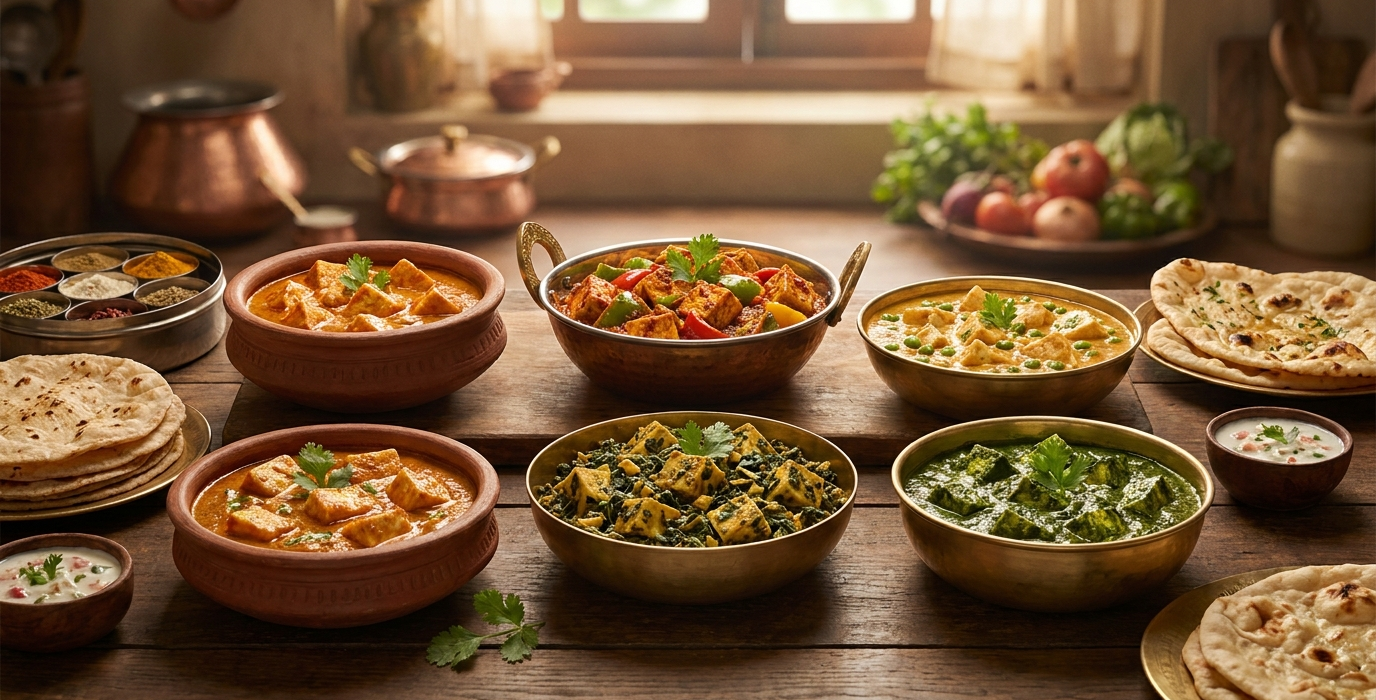
The Dhaba-Style Paneer Bhurji is your go-to for ultimate speed and robust flavours, perfect with rotis. Matar Paneer offers that familiar comfort, best with rice or parathas. Palak Paneer is your healthy, quick green option, excellent with chapatis. For a more indulgent, slightly festive feel, the simplified Paneer Pasanda is superb with naan. Finally, Chilli Paneer brings a zesty Indo-Chinese twist, ideal as a starter or with rice.
Prices for paneer and vegetables can vary significantly across India, especially with regional produce availability. However, for these quick sabzis, you can generally expect the cost per serving to remain affordable, typically ranging from ₹40 to ₹70 per person, depending on your location and whether you opt for fresh or frozen ingredients like peas.
| Recipe | Approx. Prep & Cook Time | Main Flavour Profile | Ideal Serving Suggestion | Estimated Cost per Serving (INR) |
|---|---|---|---|---|
| Dhaba-Style Paneer Bhurji | 15-20 minutes | Spicy, Savoury, Tangy | Roti, Paratha, Bread | 40-55 |
| Quick Matar Paneer | 25-30 minutes | Creamy, Mildly Spiced, Sweet (from peas) | Rice, Paratha, Naan | 50-65 |
| Effortless Palak Paneer | 20-25 minutes | Earthy, Mildly Spiced, Fresh | Chapati, Rice | 45-60 |
| Simplified Paneer Pasanda | 30-35 minutes | Rich, Creamy, Slightly Sweet & Nutty | Naan, Paratha | 60-75 |
| Speedy Chilli Paneer | 20-25 minutes | Spicy, Tangy, Umami | Fried Rice, Noodles, Appetizer | 55-70 |
Tips for Perfect Paneer in Your Quick Sabzis
Paneer, the heart of these dishes, can sometimes be tricky. It can turn rubbery if overcooked or become too dry. Here are some essential tips for 2026 to ensure your paneer is always soft, flavourful, and perfectly integrated into your quick sabzis.
First, always use fresh paneer if possible. If you’re using store-bought paneer that feels a bit hard, a quick soak in warm water for 10-15 minutes can revive its softness. When adding paneer to hot gravies, do it towards the end of the cooking process. Simmering it for too long will make it tough and chewy, which is the opposite of what we want in a quick, delicious sabzi.
Another crucial tip is to gently fold the paneer into the gravy rather than stirring vigorously. This prevents the cubes from breaking apart and maintains their appealing shape. If you are frying paneer cubes before adding them to the sabzi, ensure the oil is hot but not smoking. A light golden-brown crust adds texture and flavour without cooking the paneer through.
Consider the type of paneer you are using. Homemade paneer is often softer than commercial varieties. If you find your paneer is consistently dry, try adding a splash of milk or a tablespoon of cream to the final dish. This simple addition can bring back moisture and richness, ensuring every bite is a delight.
“The true art of quick Indian cooking lies not in cutting corners, but in mastering techniques that amplify flavour and texture with minimal time investment. These paneer sabzis are proof that delicious and satisfying meals are achievable even on the busiest of 2026 evenings.”
Frequently Asked Questions
How can I make paneer softer if it feels hard?
Soak the paneer in warm water for about 10-15 minutes before cooking. This helps to rehydrate it and make it softer. You can also gently knead it with a little milk or cream after cubing, if the recipe allows.
Can I use frozen paneer?
Yes, you can use frozen paneer. Thaw it completely before use. However, frozen paneer might have a slightly different texture compared to fresh paneer; it can sometimes be a bit more crumbly.
What’s the best way to avoid paneer becoming rubbery?
Add paneer to the dish towards the end of the cooking process. Simmer for only a few minutes, just enough to heat it through and allow it to absorb the flavours of the gravy. Avoid boiling or prolonged cooking of the paneer.
Are these recipes suitable for vegetarians?
Yes, all these recipes are inherently vegetarian as they feature paneer as the primary protein source. They are suitable for lacto-vegetarians.
Can I make the gravies for these sabzis ahead of time?
Yes, you can prepare the onion-tomato base and spice mixtures for most of these gravies a day in advance and refrigerate them. This will significantly speed up the cooking process when you’re ready to make the sabzi.