
Your financial future in India’s dynamic economy is more within your grasp than ever, especially as new digital tools and regulatory shifts empower you. Navigating these changes effectively can unlock significant opportunities for wealth creation and security.
Key Takeaways
- Understand the evolving digital payment landscape in India and how to leverage it safely.
- Explore how new investment avenues, like fractional ownership and ESG funds, are becoming accessible.
- Learn about government initiatives designed to boost financial literacy and inclusion.
- Discover practical strategies for safeguarding your finances against emerging digital threats.
The Digital Leap: Payments and Beyond in 2026
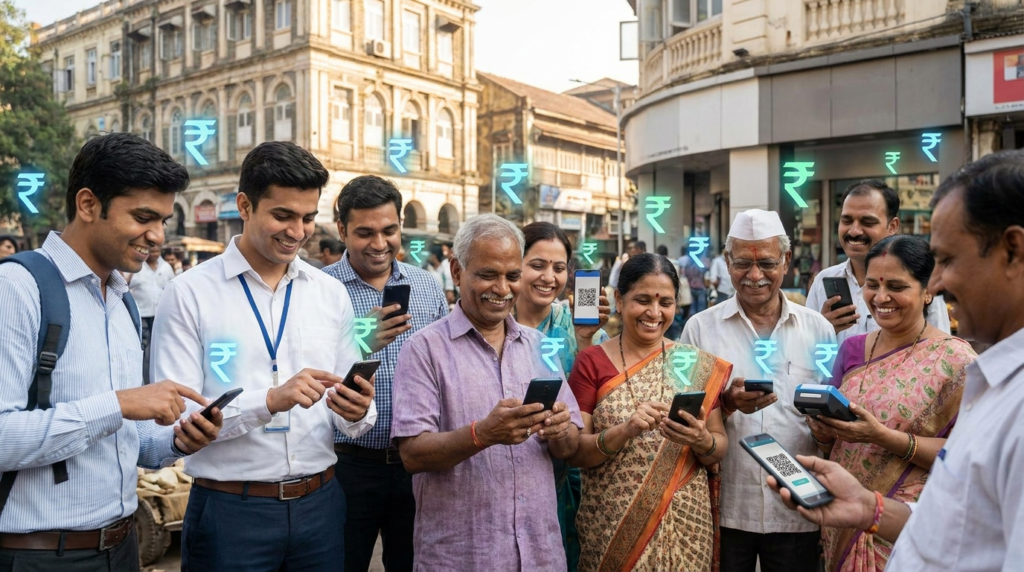
India’s digital payment ecosystem has transformed dramatically, moving far beyond simple UPI transactions. Today, you can experience seamless, integrated financial services right from your smartphone, whether you’re in bustling Mumbai or a quiet village in Uttarakhand. Innovations like the Reserve Bank of India’s retail digital rupee are no longer futuristic concepts but everyday realities, offering a safe, stable alternative to existing payment methods. This digital rupee, or e₹-R, allows for peer-to-peer transfers and merchant payments, often with enhanced privacy features compared to traditional digital wallets. We are also seeing the rise of embedded finance, where financial services are woven directly into non-financial platforms – think booking a flight and arranging travel insurance instantly through a single app. For you, this means greater convenience and potentially better deals as competition intensifies.
The underlying infrastructure supporting these advancements is robust, with the National Payments Corporation of India (NPCI) continuously innovating. Beyond payments, the digital revolution is touching every aspect of personal finance. From opening bank accounts with Aadhaar-based e-KYC in minutes to applying for loans through streamlined digital channels, the barriers to entry are lower than ever. We’re observing a significant shift towards digital-first banking, where physical branches are complemented, not replaced, by sophisticated online platforms. This democratisation of financial services is crucial for empowering a wider segment of the population. It means that individuals in Tier 2 and Tier 3 cities, and even remote areas, can access the same sophisticated financial tools as their urban counterparts.
Investing in the Future: New Avenues Open Up
The investment landscape in India is rapidly diversifying, offering you more choices than ever before. Gone are the days when investing was solely the domain of the wealthy or those with deep financial knowledge. Today, platforms facilitate fractional ownership of assets, allowing you to invest in high-value real estate or even art with relatively small sums. Imagine owning a piece of a commercial property in Bengaluru or a valuable painting, all through a secure digital interface. This democratisation of high-ticket investments can significantly broaden your portfolio’s potential.
Furthermore, there’s a growing momentum behind Environmental, Social, and Governance (ESG) investing. As awareness of climate change and social responsibility increases, so does the demand for investments that align with these values. You can now find mutual funds and even direct equity options that focus on companies demonstrating strong sustainability practices. This trend is not just about ethical investing; studies increasingly show that companies with robust ESG frameworks often exhibit better long-term financial performance and resilience. It’s a win-win for both your conscience and your wallet. The rise of robo-advisors also offers personalised investment advice and portfolio management at a fraction of traditional costs, making expert guidance accessible to a much broader audience.
Financial Literacy and Inclusion: Government’s Push
The Indian government has made financial literacy and inclusion a cornerstone of its economic policy, with tangible results visible in 2026. Initiatives like the National Strategy for Financial Education (NSFE) have evolved, integrating digital tools and community outreach programs to reach every segment of society. We’re seeing innovative campaigns that use regional languages, folk art forms, and even popular social media influencers to disseminate financial knowledge. The focus is on making complex financial concepts understandable and actionable for everyone, from a farmer in Punjab to a student in Chennai.
A crucial element of this push is the expansion of the Jan Dhan Yojana scheme, which continues to provide a basic banking account to every household. Beyond just opening accounts, the focus has shifted towards ensuring these accounts are actively used and that account holders understand the benefits of savings, insurance, and credit. The integration of digital payment systems with these accounts has been a game-changer, enabling direct benefit transfers and facilitating access to micro-loans. Moreover, dedicated financial literacy centres are being established in rural and semi-urban areas, offering workshops and one-on-one counselling. This concerted effort ensures that the benefits of India’s economic growth are shared more equitably, empowering individuals to take control of their financial destinies.
Securing Your Digital Wealth: Combating Emerging Threats
As financial activities migrate online, the need for robust digital security becomes paramount. In 2026, while digital services are more convenient, the sophistication of cyber threats has also increased. Phishing scams, malware, and identity theft remain significant concerns. However, the digital ecosystem is also evolving its defences. Banks and financial institutions are investing heavily in advanced security measures, including multi-factor authentication (MFA), biometric verification, and AI-powered fraud detection systems. You might now be accustomed to receiving real-time alerts for unusual transactions or being prompted for additional verification for significant online activities.
It’s vital for you to stay vigilant. Be wary of unsolicited emails, SMS messages, or phone calls asking for personal financial information. Always verify the authenticity of websites and apps before entering sensitive data. Using strong, unique passwords and enabling two-factor authentication wherever possible are fundamental steps. The government’s National Cybercrime Reporting Portal provides resources and a channel to report suspicious activities. Understanding common cyber threats and adopting safe online practices are no longer optional but essential for protecting your hard-earned money and personal data in this increasingly digital world.
The true measure of financial progress in 2026 isn’t just about the numbers in your bank account, but about the empowerment and confidence you gain in managing your financial life, wherever you are in India.
Navigating the Lending Landscape: Beyond Traditional Loans
The way you access credit has also undergone a significant transformation, moving beyond traditional bank loans. In 2026, digital lending platforms are a prominent feature, offering faster approvals and more flexible repayment options. These platforms often use alternative data sources, such as utility bill payments or social media activity (with your explicit consent), to assess creditworthiness. This can be particularly beneficial for individuals who may not have an extensive credit history or traditional collateral. Peer-to-peer (P2P) lending platforms are also gaining traction, allowing individuals to borrow directly from other individuals, often at competitive rates.
For businesses, especially small and medium-sized enterprises (SMEs), the availability of working capital has improved dramatically. Fintech companies are offering innovative solutions like revenue-based financing, where repayment is tied to a percentage of your business’s monthly revenue, making it less burdensome during slower periods. Supply chain financing is also becoming more accessible, helping businesses manage cash flow by leveraging their relationships with larger corporate buyers or suppliers. The regulatory framework is also adapting, with bodies like the Reserve Bank of India issuing guidelines to ensure consumer protection and fair practices in the digital lending space. This evolution provides you with a wider array of options to fund your dreams, whether it’s starting a business, buying a home, or managing unexpected expenses.
The Rise of Insurtech: Protecting Your Assets Smartly
Insurance is another sector where digital innovation is bringing significant benefits to you in 2026. Insurtech companies are leveraging technology to make purchasing, managing, and claiming insurance policies simpler and more efficient. You can now compare various insurance plans – from health and life to motor and travel – from multiple providers on a single platform, often with detailed comparisons of features and premiums. This transparency empowers you to make informed decisions tailored to your specific needs. The application process has been streamlined, with many policies requiring minimal paperwork and quick approvals, often facilitated by online KYC processes.
Beyond just buying policies, claims processing is also becoming faster and more transparent. For instance, in motor insurance, photo-based claims assessment can significantly reduce the time it takes to get your vehicle repaired. Similarly, for health insurance, pre-authorisation of cashless treatments is often handled digitally, reducing stress during medical emergencies. Some Insurtechs are also offering innovative products like on-demand insurance – where you can activate cover only for specific periods, such as insuring your phone only when you’re travelling – or parametric insurance, which pays out automatically based on predefined triggers like extreme weather events. This evolution in the insurance sector ensures that you can protect your assets and your loved ones more effectively and affordably.
Frequently Asked Questions
What is the digital rupee and how does it differ from UPI?
The digital rupee, or e₹-R, is a digital form of India’s fiat currency, issued by the Reserve Bank of India. It functions as legal tender and is designed for direct peer-to-peer and merchant transactions. Unlike UPI (Unified Payments Interface), which is an interoperability platform for instant payments between bank accounts, the digital rupee is a direct liability of the central bank and can offer enhanced privacy and security features. Think of UPI as a messenger system for your bank accounts, while the digital rupee is like holding digital cash directly from the RBI.
Are fractional ownership investments safe for an average Indian investor?
Fractional ownership investments are becoming safer due to increased regulatory oversight and platform transparency. Platforms facilitate investment in high-value assets like real estate by dividing ownership into smaller, affordable units. While this democratises access, it’s crucial to invest through reputable platforms that adhere to guidelines set by bodies like SEBI, ensure clear legal documentation, and conduct thorough due diligence on the underlying assets. Always understand the risks involved, including liquidity and potential market fluctuations, before investing.
How can I improve my financial literacy in India?
Improving your financial literacy can be achieved through various avenues. The Reserve Bank of India’s Public Awareness website offers a wealth of information. You can also attend workshops organised by financial institutions, government bodies, or NGOs. Online courses, reputable financial blogs, and reading books by Indian financial experts are excellent resources. Actively engaging with digital tools designed for financial education and seeking advice from trusted financial advisors can further enhance your understanding.
What are the common cybersecurity risks associated with digital payments?
Common cybersecurity risks include phishing scams (deceptive emails/messages tricking you into revealing credentials), malware (software designed to harm your device or steal data), SIM-swapping fraud (taking control of your phone number to intercept OTPs), and credential stuffing (using stolen login details from one breach to access other accounts). It’s crucial to never share your OTPs, PINs, or passwords, use strong, unique passwords, enable two-factor authentication, and be cautious of unsolicited communication. Regularly updating your devices and using trusted antivirus software also helps.