Key Takeaways
- India’s culinary tourism is experiencing a significant boom in 2026, driven by a renewed interest in heritage, authentic experiences, and the allure of the ancient spice routes.
- Travellers are increasingly seeking immersive culinary journeys, from rural homestays in Punjab to artisanal spice tours in Kerala, moving beyond typical tourist trails.
- These experiences offer a direct connection to local communities, traditional farming practices, and age-old recipes, providing unparalleled authenticity.
- The economic impact is substantial, empowering local farmers, artisans, and small businesses, while preserving invaluable culinary heritage for future generations.
The Sizzle of Spice: India’s Culinary Renaissance in 2026
Forget the well-trodden paths and predictable itineraries; 2026 is the year India’s culinary landscape truly comes alive for the global traveller. A palpable buzz surrounds the country’s food scene, with a resurgence of interest in its ancient spice routes and the diverse gastronomic tapestry they have woven over millennia. This isn’t just about tasting new flavours; it’s about embarking on journeys that connect you deeply with the land, its people, and their stories.
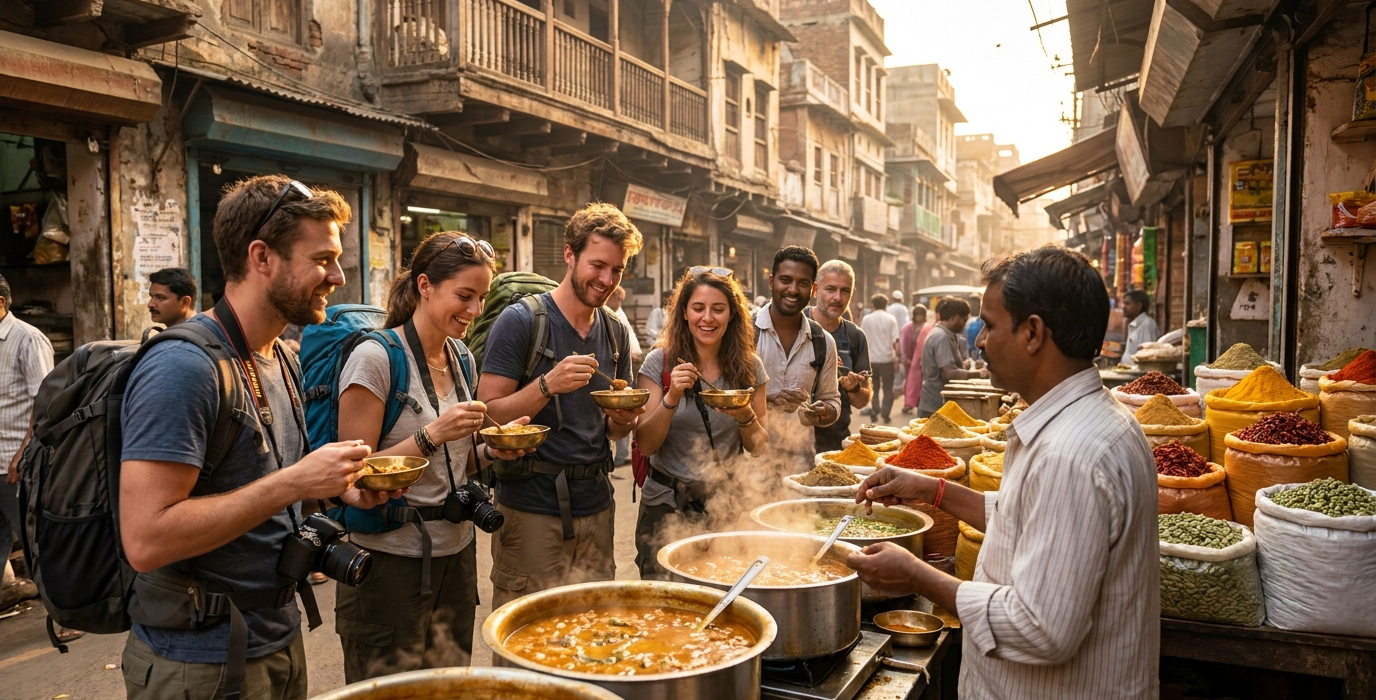
From the bustling street food stalls of Old Delhi to the serene backwaters of Kerala where spices are cultivated, a new wave of culinary tourism is redefining how we explore India. Travellers are actively seeking experiences that go beyond mere consumption, yearning for a deeper understanding of the ingredients, the preparation methods, and the cultural significance behind each dish. This demand is fostering a vibrant ecosystem of chefs, homestay hosts, farmers, and local guides who are eager to share their heritage.
The allure of the spice trade, once a global driver of empires and exploration, is now a powerful magnet for modern-day adventurers. Imagine tracing the footsteps of ancient merchants, learning about the cultivation of cardamom in the Western Ghats, or discovering the secrets of Marathi masalas passed down through generations. These experiences are rich, rewarding, and offer a unique perspective on India’s enduring cultural identity. We’re seeing a clear shift towards ‘slow travel’ where food is the central theme, allowing for a more profound and memorable engagement with the destination.
From Farm to Fork: Immersive Experiences Take Centre Stage
The most sought-after culinary tours in 2026 are those that offer a genuine farm-to-fork experience. These aren’t packaged deals; they are intimate encounters that immerse you in the very source of India’s incredible flavours. Picture yourself waking up in a traditional Punjab kothi, helping to harvest mustard greens from the fields, and then learning to prepare sarson da saag alongside a seasoned Punjabi matriarch. The scent of freshly churned butter and the warmth of the tandoor become integral parts of your travel narrative.
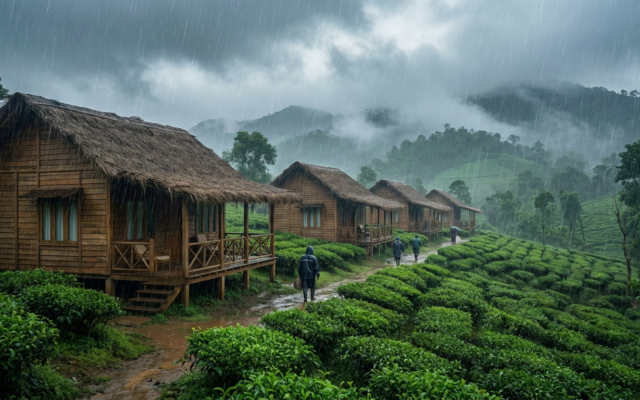
In Kerala, the focus shifts to the verdant plantations. You can spend a day with spice farmers in Thekkady, learning about the cultivation of black pepper, cinnamon, and cloves. Understanding how these ‘king of spices’ are grown, harvested, and processed provides a new appreciation for the complexity of a simple curry. Many tours now include hands-on cooking sessions where you use these freshly acquired spices to create authentic Kerala sadhya or fragrant fish curries, directly from the source. This direct connection fosters a unique understanding and respect for the ingredients.
These immersive experiences extend to the bustling cities as well, though with a different focus. Instead of just eating street food, you can join guided culinary walks in cities like Lucknow, where renowned food historians or local chefs lead you through hidden alleyways, revealing the secrets of Awadhi cuisine. You’ll learn about the nuances of kebabs, the delicate art of biryani preparation, and the centuries-old traditions that define this regal culinary heritage. It’s about understanding the ‘why’ behind the ‘what’, making every bite a story.
The Heritage Trail: Unearthing Ancient Flavours
India’s rich history is inextricably linked to its food, and 2026 sees a flourishing of culinary tourism that delves deep into this heritage. Travellers are keen to explore regional cuisines that have evolved over centuries, influenced by various dynasties, trade routes, and cultural exchanges. This means moving beyond the popular dishes and discovering the subtle regional variations that make each part of India unique.
Consider the Rajasthani experience. Beyond the famous Dal Baati Churma, you can discover lesser-known dishes like ‘Laal Maas’ (a fiery red meat curry) or ‘Gatte ki Sabzi’ (gram flour dumplings in a yogurt curry) prepared in traditional desert homes. Some heritage hotels and homestays now offer cooking classes that focus on these ancestral recipes, often using age-old cooking techniques like ‘bhatti’ (stone ovens) or cooking over open fires. This offers a tangible connection to the past, allowing you to taste history.
Another surprising aspect is the rediscovery of culinary traditions from communities that have historically been overlooked. For instance, there’s a growing interest in the Parsi Parsi cuisine of Mumbai and Gujarat, with its unique blend of Persian, Gujarati, and British influences. Exploring Parsi cafes and learning to make dishes like ‘Dhansak’ (a fragrant lentil and meat stew) or ‘Sali Boti’ (a spicy mutton dish) provides a glimpse into a vibrant yet distinct culinary heritage. We’re witnessing a genuine effort to document and celebrate these fading traditions before they are lost forever, making these experiences incredibly valuable.
Beyond the Plate: Cultural Immersion Through Food
Culinary tourism in 2026 is about far more than just the food itself; it’s a profound vehicle for cultural immersion. When you share a meal with an Indian family, you are invited into their lives, their traditions, and their worldview. These are the moments that create lasting memories and foster genuine understanding between cultures.
Think about participating in a Langar at a Gurudwara in Amritsar. This community kitchen serves thousands of meals daily, prepared and served by volunteers, regardless of caste, creed, or religion. The act of preparing ‘rotis’ alongside devoted volunteers or serving food to fellow humans fosters a deep sense of community and selfless service. It’s a powerful reminder of the shared humanity that food can represent, a lesson that resonates far beyond the meal itself.
Similarly, attending a regional festival where food plays a central role offers an unparalleled cultural insight. Imagine experiencing the Durga Puja celebrations in Kolkata, where elaborate feasts and street food stalls are an integral part of the festivities. Or witnessing the vibrant Onam Sadhya in Kerala, a grand vegetarian feast served on a banana leaf, where every dish has a specific place and purpose. These events are a riot of colours, sounds, and, of course, incredible flavours, offering a living, breathing snapshot of Indian culture. You don’t just eat; you participate, you connect, and you become part of the celebration.
The Spice Route Reimagined: From Kerala to Kolkata
The ancient spice routes, which once connected India to the rest of the world, are experiencing a modern-day renaissance, attracting travellers keen to trace these historical arteries of trade and flavour. In 2026, these routes are not just about commerce; they are about discovery, education, and the rich cultural exchange that spices facilitated.
Kerala, often dubbed the ‘Land of Spices’, remains a prime destination. Here, you can visit spice gardens in Munnar or Wayanad, learning about the cultivation and medicinal properties of cardamom, pepper, nutmeg, and turmeric. Many plantations offer guided tours that culminate in cooking demonstrations or even workshops on creating your own spice blends. One surprising fact: the black pepper grown in Kerala is considered among the finest in the world, known for its intense aroma and flavour, a direct legacy of its historical importance in global trade.
Further north, the spice narrative continues in states like Maharashtra and Gujarat. Exploring the vibrant markets of Mumbai or the artisanal spice shops in Ahmedabad allows you to discover unique regional blends. For instance, ‘Goda Masala’, a staple in Maharashtrian cuisine, is a complex blend of toasted coconut, sesame seeds, and a variety of aromatic spices that differs subtly from family to family. Understanding these variations and their cultural significance is a key part of the modern spice route journey. Even a simple spice blend can tell a story of migration, trade, and adaptation.
The Economic Ripple Effect: Empowering Local Communities
The surge in culinary tourism in 2026 is having a profound and positive economic impact on local communities across India. This growth isn’t concentrated in large corporations; it’s directly empowering small farmers, artisans, women’s collectives, and local entrepreneurs, fostering a more equitable distribution of tourism revenue.
When you choose a homestay in a rural village or book a cooking class directly with a local family, your money goes directly into their pockets. This provides a sustainable livelihood, often encouraging younger generations to remain in their villages and continue traditional practices rather than migrating to cities for work. It’s a powerful form of economic empowerment that helps preserve cultural heritage by making it economically viable.
Consider the impact on spice farmers in Kerala. With increased demand for ethically sourced, high-quality spices, they are able to invest in sustainable farming methods and achieve better prices for their produce. Similarly, women’s self-help groups that prepare traditional snacks or pickles for tourists are finding new markets and a sense of independence. This is not just about tourism; it’s about creating resilient local economies and ensuring that the benefits of India’s rich culinary traditions are shared widely. A surprising statistic often cited is that for every rupee spent on authentic local food experiences, a significant portion remains within the local community, directly supporting families and small businesses.
“Culinary tourism in 2026 is more than a trend; it’s a movement back to authenticity, a journey of discovery that nourishes both the body and the soul, and a powerful engine for preserving India’s incredible gastronomic heritage.”
Frequently Asked Questions
What are the best regions in India for culinary tourism in 2026?
For 2026, the top regions include Kerala for its spice plantations and coastal cuisine, Punjab for its hearty agricultural fare and rich dairy traditions, Rajasthan for its desert delicacies and royal cuisine, West Bengal for its diverse sweets and rich Bengali dishes, and Goa for its unique blend of Portuguese and Indian flavours. Uttar Pradesh, particularly Lucknow, is also a must-visit for its exquisite Mughlai and Awadhi heritage dishes.
Are there specific culinary festivals I should look out for in 2026?
Yes, India hosts numerous culinary festivals throughout the year. Look out for events like the “Taste of India” festivals that pop up in major cities, regional food festivals celebrating specific cuisines (e.g., a “Kutchi Food Festival” in Gujarat or a “Sikkim Food Festival” in Gangtok), and harvest festivals like Onam (August/September) and Pongal (January) which often feature grand feasts. Always check local listings closer to your travel dates for the most up-to-date information.
How can I ensure my culinary tour is ethical and supports local communities?
Prioritize booking with small, local operators rather than large international companies. Look for tours that emphasize homestays, direct interactions with farmers or artisans, and community-based initiatives. Ask questions about where your money is going and if the guides or hosts are fairly compensated. Choosing experiences that are certified for sustainable tourism practices is also a good indicator.
What are some unique Indian dishes I might discover in 2026 beyond the common ones?
Beyond the popular butter chicken or dosa, you could discover dishes like “Puran Poli” (a sweet flatbread, particularly in Maharashtra), “Bhut Jolokia Curry” (using the famously hot ghost pepper, in Northeast India), “Kothimbir Vadi” (a coriander and gram flour fritter, from Maharashtra), “Laal Maas” (a fiery red mutton curry, from Rajasthan), or “Thukpa” (a hearty noodle soup, in Himalayan regions). Exploring local markets and asking vendors for their specialties is key.