Key Takeaways
- Indian street food is experiencing a sophisticated revival, blending tradition with modern culinary techniques and global influences.
- New vendors and established chefs are elevating classic dishes, focusing on premium ingredients and innovative presentations.
- Expect healthier options, sustainable sourcing, and unique flavour fusions that honour, yet reimagine, beloved street eats.
- This evolution makes street food more accessible and appealing to a wider audience, from seasoned foodies to curious newcomers.
The New Wave: Tradition Meets Tomorrow’s Taste Buds
The aroma of spices wafting from a street-side stall has always been an intrinsic part of India’s culinary tapestry. For generations, these humble vendors have perfected their craft, serving up iconic dishes that are both deeply satisfying and incredibly affordable. However, what we’re witnessing in 2026 is more than just a continuation of this beloved tradition; it’s a full-blown revival, a renaissance of Indian street food that’s as exciting as it is delicious.
Forget the notion of street food being solely about quick, no-frills sustenance. Today, a new generation of entrepreneurs and culinary artists is breathing fresh life into these familiar flavours. They are meticulously deconstructing, reimagining, and elevating classic dishes, infusing them with contemporary techniques, premium ingredients, and sometimes, surprising global twists. This isn’t about abandoning heritage; it’s about honouring it with innovation, making it more appealing to a discerning palate and a wider audience than ever before.
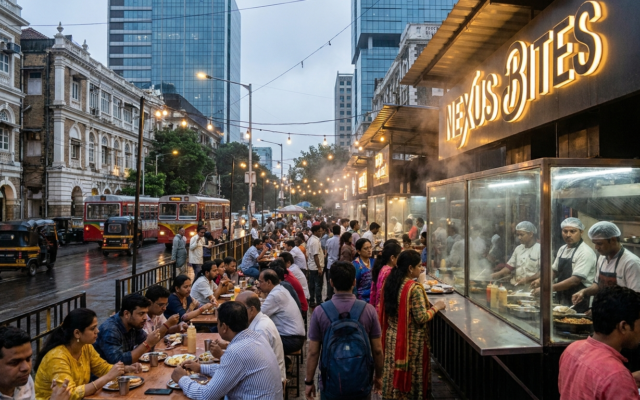
Across bustling metropolises like Mumbai, Delhi, and Bengaluru, and even in smaller, historically rich towns, you’ll find these culinary pioneers. They are transforming simple ingredients into culinary experiences, proving that street food can be both authentic and avant-garde. We’re seeing a conscious effort towards better hygiene, sustainable sourcing, and a focus on health-conscious modifications without sacrificing the soul of the dish.
From Chaat Corner to Culinary Canvas: The Deconstruction and Reconstruction
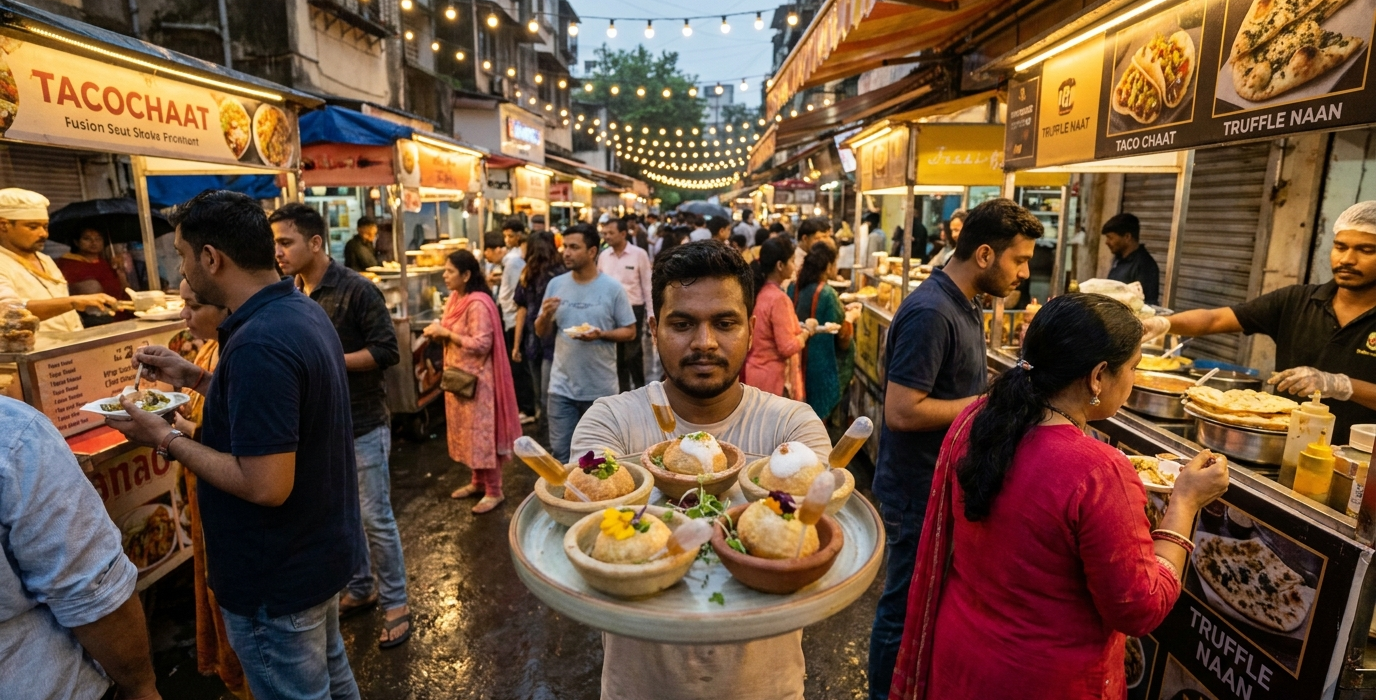
The humble *pani puri*, a ubiquitous favourite, is undergoing a fascinating transformation. No longer just a simple burst of flavour, modern iterations are presenting it with artisanal fillings. Think beetroot and goat cheese, or spiced mango and mint, served in delicate, bite-sized portions. The traditional tamarind and mint water is being infused with exotic fruits or even clarified to a pristine consommé. This meticulous attention to detail is elevating a snack into an art form.
Similarly, the beloved *vada pav*, a Mumbai icon, is shedding its simple bread-and-potato patty image. Chefs are experimenting with gluten-free or activated charcoal buns, premium potato masalas spiced with truffle oil, and chutneys infused with ingredients like sun-dried tomatoes or smoked paprika. Some vendors are even offering gourmet toppings like crispy kale or microgreens, adding both visual appeal and textural complexity. It’s a delightful juxtaposition of the familiar and the unexpected, designed to tantalize your taste buds.
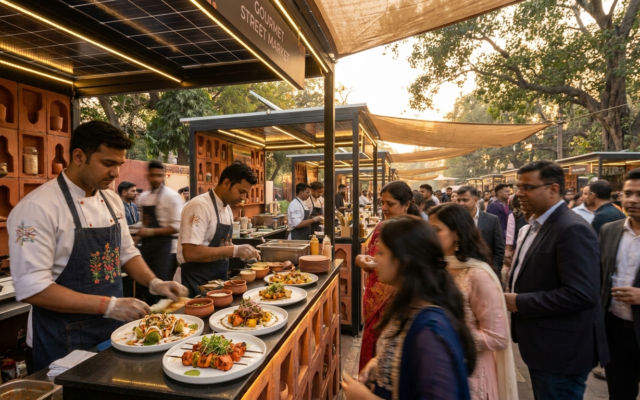
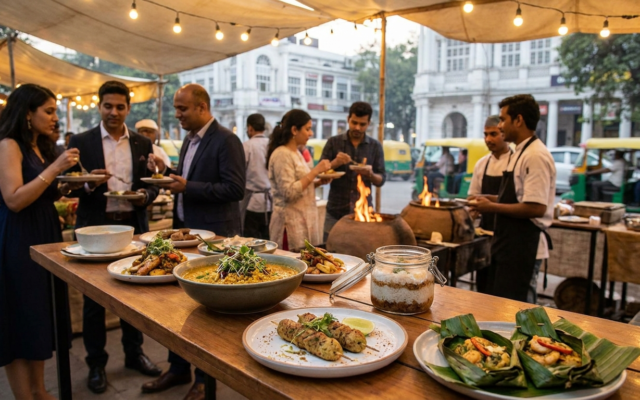
This deconstruction extends to the presentation as well. Gone are the days of food served haphazardly on paper plates. Today, you’ll find *chaat* elegantly plated, *kebabs* artfully arranged, and *dosas* presented with intricate garnishes. The focus is on creating a complete sensory experience, engaging not just taste but also sight and even sound with carefully curated textures.
The Rise of the Gourmet Vender and Fusion Flavours
A significant driver of this revival is the emergence of the “gourmet street vendor.” These are not your traditional roadside cart operators, though many have evolved from such roots. They are often young entrepreneurs, sometimes with formal culinary training, who understand both traditional Indian flavours and global food trends. They are setting up chic kiosks, food trucks, and even small, open-air cafes, often in prime urban locations.
These new ventures are not shying away from fusion. You’ll find Indo-Mexican tacos filled with *paneer tikka*, Korean kimchi *pani puri*, or even Italian pesto *samosas*. The aim is to create exciting, unexpected flavour combinations that are rooted in Indian culinary principles but embrace international palates. This cross-pollination of ideas is creating a dynamic and ever-evolving street food scene.
One surprising fact that underscores this trend is the rise of dedicated “street food festivals” in cities like Pune and Kolkata, which now routinely feature vendors offering these elevated experiences. These festivals are attracting significant investment and attendance, showcasing the commercial viability and immense popularity of this new wave. Another fascinating development is the integration of molecular gastronomy techniques; we’re seeing spherified chutneys and foams adding a touch of theatre to classic dishes.
Health-Conscious Choices and Sustainable Sourcing
In an era where health and wellness are paramount, the new guard of Indian street food is responding with impressive agility. There’s a growing emphasis on using fresher, higher-quality ingredients. Instead of mass-produced oils, many vendors are opting for healthier alternatives like groundnut oil, olive oil, or even ghee in moderation. Sugar content in chutneys and beverages is also being carefully managed, with natural sweeteners or reduced quantities becoming the norm.
This focus on well-being extends to dietary preferences. You’ll find an increasing number of vegan and gluten-free options. Plant-based meats are being cleverly incorporated into familiar formats, and traditional dishes are being adapted to cater to those with specific dietary needs. For instance, *pav* made from jowar or bajra is becoming a popular alternative to the standard white flour version, offering enhanced nutritional value.
Furthermore, sustainability is becoming a key selling point. Many vendors are actively sourcing ingredients from local farmers, reducing their carbon footprint. Biodegradable packaging is replacing plastic, and a conscious effort is being made to minimize food waste. This commitment to ethical practices resonates deeply with consumers who are increasingly aware of the environmental and social impact of their food choices. It’s a holistic approach that elevates the entire street food experience.
The Tech Integration: Ordering, Delivery, and Discovery
The digital revolution has not bypassed the vibrant world of Indian street food. In 2026, technology plays a crucial role in both how we discover and how we consume these culinary delights. Online food aggregators have become indispensable tools, listing not just established restaurants but also the most popular and highly-rated gourmet street food stalls. This has democratized access, bringing hidden gems to the forefront of public consciousness.
Many new vendors are embracing digital payment systems. Gone are the days when cash was the only option; QR codes and mobile wallets are now standard. This not only enhances convenience for customers but also improves efficiency for the vendors. Some innovative stalls even have their own dedicated apps or strong social media presence, allowing customers to view menus, place pre-orders, and even track their orders in real-time.
This tech integration also aids in discovery. Food bloggers, vloggers, and social media influencers are playing a significant role in popularizing the new wave of street food. They are meticulously documenting their culinary journeys, sharing reviews, and highlighting the unique offerings of different vendors. This digital word-of-mouth is incredibly powerful, driving foot traffic and creating buzz around the most exciting new players in the street food scene. It’s a modern approach to an age-old tradition, making it more accessible and exciting than ever.
A Taste of the Future: What to Expect Next
The evolution of Indian street food is far from over. As we look ahead, expect even more bold experimentation with global flavours and techniques. We might see the integration of fermentation methods from other cuisines, or the use of less common, indigenous Indian ingredients being rediscovered and showcased. The fusion possibilities are virtually endless, promising a constantly surprising culinary landscape.
We’ll also likely see a greater emphasis on storytelling and provenance. Vendors will increasingly share the heritage behind their dishes, the sourcing of their ingredients, and their personal journeys. This adds a layer of authenticity and connection, making the act of eating street food a more meaningful experience. It’s about understanding the ‘why’ behind the delicious ‘what’.
The rising trend of “chef-led” street food concepts will continue to gain traction. Established chefs are increasingly venturing into the street food space, lending their expertise and brand recognition to create high-quality, yet accessible, offerings. This collaboration between traditional street food wisdom and professional culinary acumen is a recipe for sustained innovation and excellence. It’s a future where every corner offers a potential gastronomic adventure.
“The beauty of this street food revival is its ability to remain deeply rooted in our culture while fearlessly embracing the new. It’s a dialogue between generations, told through delicious bites.”
Frequently Asked Questions
What are the healthiest street food options in 2026?
Look for grilled or baked items over fried ones. Options like *idli*, *dosa* (especially with healthier batters like ragi or jowar), *dhokla*, and fruit-based *chaats* are generally healthier. Many vendors now offer whole wheat or millet-based *pav* and *rotis* for *vada pav* and *rolls*.
How has technology changed street food in India?
Technology has revolutionized discovery through online platforms and social media, enabled easier ordering and payment via apps and digital wallets, and increased transparency regarding hygiene and ingredients through online reviews.
Are gourmet street food vendors more expensive?
While some gourmet street food options may command higher prices due to premium ingredients and enhanced presentation, many still offer excellent value. The focus is on quality and experience, making them a worthwhile indulgence.
What are some popular fusion street food examples in India now?
Popular fusion examples include *paneer tikka tacos*, *samosas* with Italian pesto or Mexican fillings, *pani puri* with unique fruit-based waters, and *kebabs* with global marinades. The creativity is boundless.