Key Takeaways
- The gut-brain axis, a bidirectional communication network, is central to modern Indian wellness, impacting mood, cognition, and physical health.
- Traditional Indian practices like Ayurveda and Yoga offer profound insights and actionable strategies for nurturing this vital connection.
- Dietary choices, particularly embracing fermented foods and mindful eating, play a crucial role in enhancing gut microbiome diversity and brain function.
- Stress management techniques, readily available in Indian wellness traditions, are paramount for maintaining a healthy gut-brain balance.
Unlocking the Gut-Brain Connection: A Revolution in Indian Wellness
Imagine a world where your mood, focus, and even your physical well-being are intricately linked to the health of your digestive system. This isn’t science fiction; it’s the burgeoning field of the gut-brain axis, and it’s rapidly becoming a cornerstone of holistic wellness in India. For centuries, ancient Indian traditions have hinted at this profound connection, but modern science is now providing concrete evidence, revealing a sophisticated communication highway between our gut and our brain.
This axis, a complex interplay of nerves, hormones, and immune signals, means that the trillions of microbes residing in your gut can directly influence your thoughts, emotions, and behaviour. Conversely, your mental state can significantly impact your digestive health. As India embraces a more integrated approach to well-being, understanding and nurturing this gut-brain connection is no longer a niche interest but a vital pathway to achieving comprehensive health and vitality.
Ayurveda’s Ancient Wisdom: A Foundation for Gut Health
Long before the term “gut-brain axis” entered the lexicon, Ayurveda, India’s traditional system of medicine, recognized the fundamental importance of digestive health. Ayurveda posits that “Agni,” or digestive fire, is central to overall well-being. A strong Agni ensures proper digestion, assimilation, and elimination, directly impacting not just the body but also the mind (Manas).
Ayurvedic principles emphasize balance within the three doshas – Vata, Pitta, and Kapha. Imbalances in these doshas can manifest as digestive issues, which in turn are believed to affect mental clarity and emotional stability. For instance, an aggravated Vata dosha can lead to anxiety and irregular digestion, while excess Pitta might cause irritability and inflammatory gut conditions. Ayurvedic practitioners offer personalized dietary recommendations and lifestyle adjustments, often incorporating specific herbs like Brahmi (Bacopa monnieri) for cognitive function and Ashwagandha (Withania somnifera) for stress management, both known to positively influence the gut-brain axis.
The Role of ‘Ama’ and Gut Cleansing
A key concept in Ayurveda is “Ama,” which refers to undigested metabolic toxins that can accumulate in the body due to poor digestion. Ama is considered a root cause of many diseases, including those affecting the mind. Ayurvedic treatments often focus on eliminating Ama through detoxification therapies (Panchakarma) and dietary modifications. This aligns remarkably with modern understanding of how an unhealthy gut microbiome can contribute to inflammation and affect neurological pathways. By promoting the smooth functioning of Agni and preventing Ama formation, Ayurveda provides a time-tested framework for cultivating a healthy gut that supports a calm and focused mind.
Yoga and Meditation: Calming the Gut, Quieting the Mind
The ancient practices of Yoga and Meditation, deeply woven into the fabric of Indian culture, offer powerful tools for harmonizing the gut-brain axis. These disciplines are not merely physical exercises; they are holistic systems designed to connect the body, mind, and spirit. The physiological effects of Yoga and Meditation on stress reduction are well-documented, and stress is a significant disruptor of gut health.
When we experience stress, our body releases cortisol, which can alter gut motility, increase gut permeability (leading to “leaky gut”), and negatively impact the composition of our gut microbiome. Regular practice of yoga asanas, particularly those that gently stimulate the abdominal organs, can aid digestion and promote relaxation. Pranayama, or breath control techniques, are exceptionally effective in activating the parasympathetic nervous system, often referred to as the “rest and digest” state, which counteracts the “fight or flight” response triggered by stress. This calming effect directly benefits the gut, reducing inflammation and improving its ability to absorb nutrients.
Mindful Movement and Breath
Meditation, in its various forms, cultivates present moment awareness and reduces rumination, a common source of anxiety that can manifest as digestive discomfort. By training the mind to observe thoughts without judgment, meditation helps break the cycle of stress-induced gut reactions. Many practitioners report improved digestive regularity and a reduction in symptoms like bloating and irritable bowel syndrome (IBS) with consistent practice. It’s a testament to how consciously controlling our breath and focusing our attention can profoundly influence our internal biological processes, fostering a serene gut and a clear mind.
Dietary Delights: Fueling Your Gut for a Brighter Brain
In India, food is more than sustenance; it’s a celebration of culture, tradition, and community. Fortunately, many traditional Indian dietary staples are remarkably beneficial for the gut-brain axis. The emphasis on whole grains, legumes, and a diverse array of spices creates a rich environment for a healthy gut microbiome.
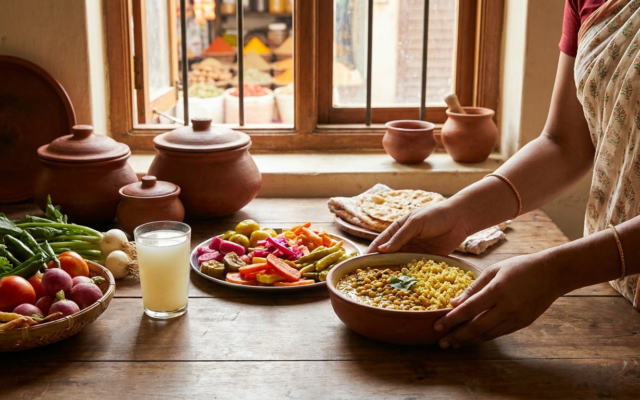
Fermented foods, a staple in many Indian households, are particularly potent allies. Idli and dosa batter, fermented lentils (dal), and traditional pickles (achar) are teeming with beneficial probiotics. These live microorganisms can help restore and diversify the gut flora, producing short-chain fatty acids (SCFAs) like butyrate, which nourish gut cells and have anti-inflammatory effects that can reach the brain. Furthermore, spices like turmeric, ginger, and cumin are not only flavour enhancers but also possess potent anti-inflammatory and antioxidant properties that can protect both the gut lining and brain cells.
The Power of Fiber and Prebiotics
A high-fiber diet, abundant in Indian cuisine through vegetables, fruits, and whole grains like millets (bajra, jowar, ragi), acts as a prebiotic. Prebiotics are non-digestible fibers that feed the beneficial bacteria in your gut, promoting their growth and activity. This enhanced microbial activity leads to greater SCFA production and improved gut barrier function. A surprising fact is that India is one of the world’s leading producers of millets, ancient grains that are incredibly resilient and nutrient-dense, offering a fantastic foundation for gut-friendly eating.
| Food Category | Gut-Brain Benefits | Indian Examples |
|---|---|---|
| Fermented Foods | Probiotics, SCFA production, improved gut barrier | Idli, Dosa, Dhokla, Achar, Curd (Dahi) |
| Whole Grains (Millets) | Prebiotics, Fiber, complex carbohydrates | Bajra roti, Jowar bhakri, Ragi malt |
| Legumes | Fiber, protein, prebiotics | Dal (lentils), Chana (chickpeas), Rajma (kidney beans) |
| Spices | Anti-inflammatory, Antioxidant | Turmeric, Ginger, Cumin, Coriander |
| Leafy Greens | Vitamins, minerals, fiber | Spinach (Palak), Fenugreek (Methi), Mustard Greens (Sarson) |
The Gut Microbiome: India’s Next Public Health Frontier
The concept of the gut microbiome – the vast community of bacteria, viruses, fungi, and other microbes living in our digestive tracts – is revolutionizing our understanding of health. For India, this represents a significant public health opportunity and challenge. The diversity and composition of an individual’s microbiome are influenced by genetics, diet, lifestyle, and environmental factors, all of which vary widely across the subcontinent.
Research is increasingly showing that microbiome dysbiosis (an imbalance in gut microbes) is linked to a wide range of conditions, including obesity, diabetes, autoimmune diseases, allergies, and even mental health disorders like depression and anxiety. In India, where these conditions are prevalent, targeting the gut microbiome offers a promising avenue for prevention and treatment. Lifestyle changes, such as increased consumption of fiber-rich foods and fermented products, coupled with reduced intake of processed foods and excessive antibiotics, can significantly improve microbiome health.
Leveraging Traditional Knowledge and Modern Science
Interestingly, studies have indicated that traditional Indian diets, rich in plant-based foods and spices, generally support a more diverse and resilient microbiome compared to Western diets. This is a crucial advantage we can leverage. Encouraging a return to these dietary patterns, alongside promoting awareness about the gut-brain connection, can have a profound impact on public health. The challenge lies in educating the population and making these healthy choices accessible and affordable across all socioeconomic strata, particularly in urban areas where processed food consumption is rising.
Stress Management: The Crucial Link for Gut-Brain Harmony
In today’s fast-paced world, stress is an almost ubiquitous companion. For the gut-brain axis, chronic stress is a formidable adversary. The constant activation of the body’s stress response system can wreak havoc on the delicate balance of the gut microbiome and lead to a cascade of negative effects on brain function and mood.
The vagus nerve, a major component of the gut-brain axis, acts as a two-way communication channel. Chronic stress can impair the efficiency of this communication, leading to symptoms like indigestion, bloating, constipation, or diarrhea. This gut distress can, in turn, send signals back to the brain, exacerbating feelings of anxiety, irritability, and even contributing to depressive symptoms. Therefore, effective stress management is not just about mental well-being; it’s a critical component of maintaining a healthy gut and, by extension, a healthy brain.
Empowering Indian Traditions for Modern Stress
Fortunately, India is a treasure trove of time-tested stress-reduction techniques. Beyond yoga and meditation discussed earlier, practices like mindful walking in nature, engaging in hobbies, spending time with loved ones, and even simple rituals like preparing a meal mindfully can significantly lower stress hormones. The concept of “Atithi Devo Bhava” (The guest is God) encourages hospitality and social connection, which are powerful buffers against stress. Prioritizing these practices can rebuild the resilience of your gut-brain axis, leading to improved mental clarity, emotional stability, and physical vitality.
The Future of Wellness: Integrating Gut-Brain Health
As we move forward, the understanding of the gut-brain axis is poised to redefine wellness in India and globally. The integration of ancient wisdom with cutting-edge scientific research offers a unique opportunity to develop comprehensive health strategies. We are witnessing a paradigm shift from treating symptoms to fostering root-cause wellness, and the gut-brain connection is at the heart of this transformation.
Healthcare professionals, wellness coaches, and individuals alike are beginning to recognize that optimal health is not achieved by focusing on isolated bodily systems but by nurturing the intricate connections between them. This holistic approach empowers you to take proactive steps towards a more vibrant and balanced life. By paying attention to what you eat, how you manage stress, and how you move your body, you are actively investing in the health of your gut and, consequently, your brain. This journey towards gut-brain harmony promises a future where well-being is more accessible, sustainable, and deeply understood.
Frequently Asked Questions
What are the main signs of a disrupted gut-brain axis?
Signs can include persistent digestive issues like bloating, gas, constipation, or diarrhea, coupled with mood changes such as increased anxiety, irritability, brain fog, difficulty concentrating, or feelings of fatigue. Sometimes, these symptoms can manifest as unexplained physical discomfort or pain.
Can I improve my gut-brain axis through diet alone?
Diet plays a crucial role, especially incorporating fiber-rich foods, fermented products, and diverse plant-based ingredients. However, for optimal results, it’s best to combine dietary changes with stress management techniques, adequate sleep, and regular physical activity, as these factors also significantly impact the gut-brain connection.
How quickly can I expect to see improvements by focusing on my gut-brain health?
Improvements can vary, but many individuals report noticeable positive changes within a few weeks to a couple of months of consistent lifestyle adjustments. This includes feeling calmer, having better digestion, improved mood, and enhanced mental clarity. Patience and consistency are key.
Are there specific Indian foods I should prioritize for gut-brain health?
Yes, prioritize foods like curd (dahi), idli, dosa, dhokla, various dals (lentils), whole grains such as millets (bajra, jowar, ragi), and a variety of vegetables and fruits. Incorporating spices like turmeric, ginger, and cumin is also highly beneficial.