Key Takeaways
- India’s plant-based food scene is exploding, driven by health, environmental, and ethical concerns, particularly among younger urban demographics.
- Expect to see more innovative vegan versions of traditional Indian dishes, from street food to fine dining, alongside global influences.
- Navigating vegan options is becoming easier, with dedicated restaurants, cafes, and readily available ingredients across major cities.
- The trend extends beyond food, impacting lifestyle choices and creating new entrepreneurial opportunities.
The Greening of the Indian Plate: A Culinary Revolution
In 2026, the way Indians eat is undergoing a profound transformation. What was once a niche dietary choice is now a mainstream movement, rapidly reshaping our kitchens, restaurants, and even our grocery aisles. We’re witnessing a vibrant culinary revolution, driven by a growing awareness of health, environmental sustainability, and ethical considerations. This isn’t just about giving up meat and dairy; it’s about embracing a richer, more diverse, and surprisingly delicious way of eating that honours both our bodies and our planet.
The seeds of this shift have been sown over years, with traditional Indian diets already featuring a significant proportion of vegetarian dishes. However, the current wave is distinct. It’s a conscious, often enthusiastic, adoption of plant-forward eating, propelled by a younger generation that is more connected, informed, and vocal than ever before. They are questioning long-held assumptions and actively seeking alternatives that align with their values.
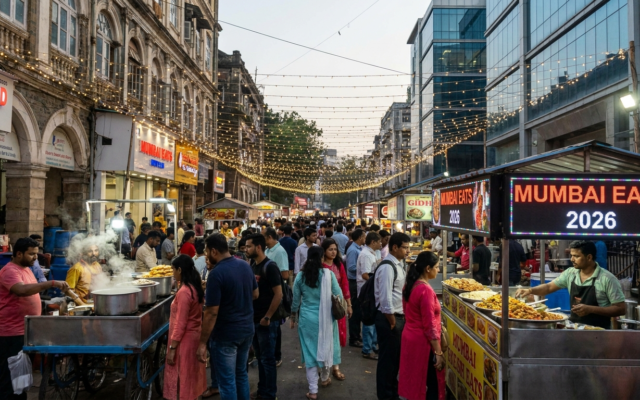
From the bustling streets of Mumbai to the serene cafes of Rishikesh, the influence is palpable. We see innovative chefs reinterpreting classic dishes with entirely plant-based ingredients, while entrepreneurs are launching a plethora of vegan products that are both convenient and delightful. This movement is not just a trend; it’s a fundamental re-evaluation of our food culture, promising a more sustainable and compassionate future for Indian cuisine.
Beyond Tradition: The New Wave of Vegan Indian Flavours
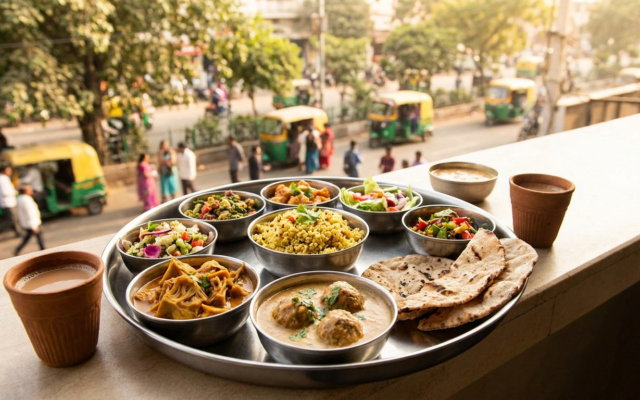
For generations, Indian cuisine has been a global ambassador for vegetarianism, with dishes like dal makhani, paneer butter masala, and a dizzying array of vegetable curries gracing tables worldwide. However, the plant-based movement of 2026 takes this a step further, moving beyond simply omitting animal products to actively celebrating the versatility and richness of plant-derived ingredients. This is where the true innovation lies, and it’s happening across the country.
Chefs in metropolitan hubs like Delhi and Bengaluru are leading the charge, creating sophisticated vegan menus that rival their conventional counterparts. Think of creamy, cashew-based “paneer” tikka that melts in your mouth, or rich, coconut-milk-infused “butter chicken” that offers the same depth of flavour without any dairy. These aren’t mere imitations; they are culinary creations that stand on their own merit, showcasing the incredible potential of ingredients like jackfruit, tofu, and a variety of nuts and seeds.
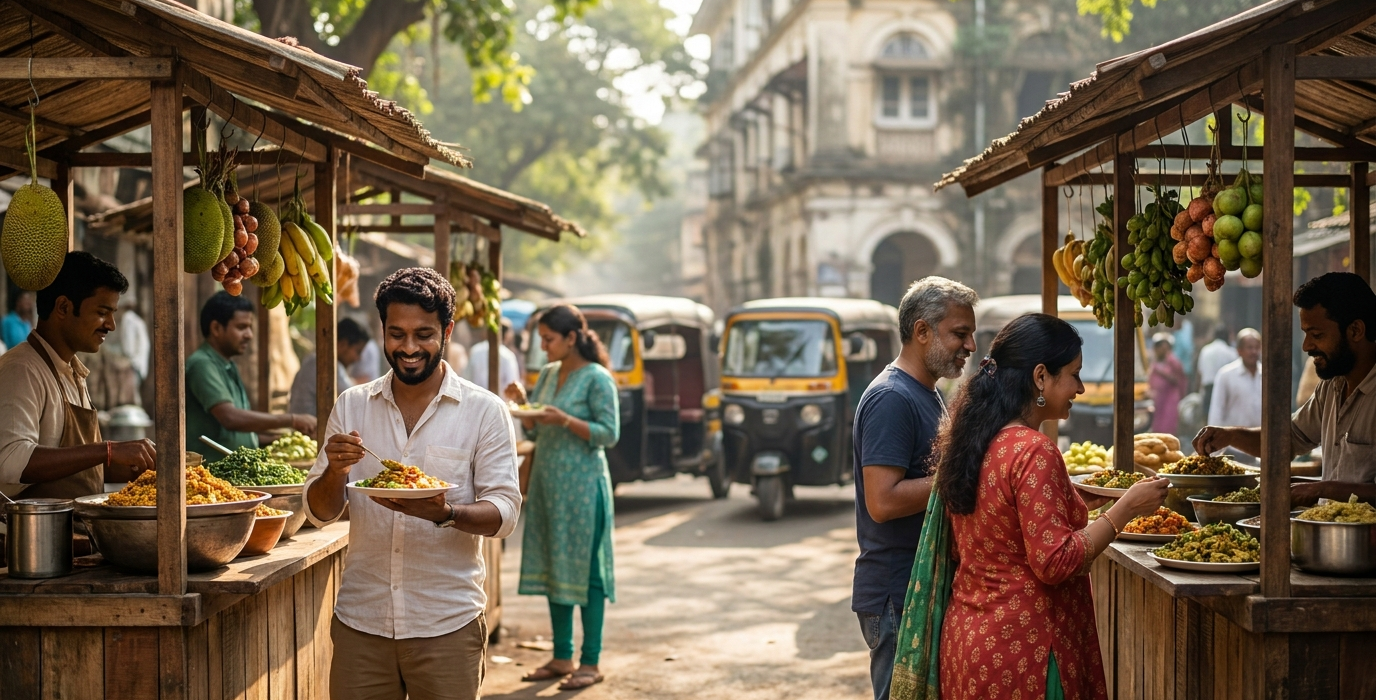
Even traditional street food is getting a vegan makeover. Vada pav stalls are experimenting with lentil and vegetable patties, while chaat vendors are exploring plant-based yogurts and cheeses. The ingenuity is inspiring, demonstrating that ethical eating doesn’t mean sacrificing the beloved flavours and textures of Indian street food. We are seeing a beautiful fusion of tradition and modernity, where ancient recipes are being reimagined for a conscious consumer.
The Rise of Dedicated Vegan Spaces
The growing demand for plant-based options has spurred the creation of dedicated vegan establishments, transforming the dining landscape in India’s major cities. Gone are the days when finding a truly vegan meal required extensive menu scrutinizing and awkward conversations with waitstaff. Today, you can walk into a restaurant or cafe and be confident that the entire menu is plant-based, offering a stress-free and enjoyable culinary experience.
Cities like Pune and Hyderabad, known for their burgeoning tech industries and young populations, have seen a significant proliferation of vegan cafes and eateries. These spaces often offer more than just food; they provide a community hub for like-minded individuals, fostering a sense of belonging and shared values. You’ll find artisanal vegan pastries, refreshing plant-based smoothies, and hearty vegan brunches that are as Instagram-worthy as they are delicious.
Beyond independent cafes, established restaurant chains are also embracing the vegan trend. Many are now offering dedicated vegan sections on their menus, featuring carefully crafted dishes that cater to this growing demographic. This mainstream adoption signals a broader acceptance and understanding of plant-based diets, making it easier than ever for individuals to incorporate more vegan meals into their weekly routines. Even smaller towns are starting to see these shifts, albeit at a slower pace, indicating a nationwide embrace.
“The beauty of plant-based Indian cuisine in 2026 is its ability to surprise you. It’s not about deprivation; it’s about discovery – discovering new ingredients, new textures, and entirely new dimensions of flavour that have always been part of our rich culinary heritage, just waiting to be amplified.”
Navigating the Vegan Supermarket Aisles
The impact of the plant-based movement extends far beyond restaurant dining rooms; it’s fundamentally changing how we shop for groceries. Supermarket aisles across India are increasingly stocked with an astonishing variety of vegan products, making it easier than ever to prepare delicious plant-based meals at home. This accessibility is a critical factor in the widespread adoption of veganism.
You’ll find shelves dedicated to plant-based milks – from almond and soy to oat and coconut – available in multiple brands and formats. The dairy-free cheese and yogurt sections are expanding rapidly, offering a range of options for everything from snacking to cooking. For those who miss traditional dairy products, these alternatives are becoming increasingly sophisticated, mimicking the taste and texture of their animal-derived counterparts with remarkable accuracy.
Beyond dairy alternatives, the protein landscape has also diversified. While lentils, beans, and tofu remain staples, innovative products like vegan sausages, burgers, and even “chicken” pieces made from seitan or pea protein are now readily available. These convenient options are a boon for busy households looking to prepare quick and satisfying vegan meals. You can now find these items even in smaller, neighbourhood kirana stores in many urban centres.
The Ethical and Environmental Imperative
While taste and convenience are powerful drivers, the ethical and environmental considerations are perhaps the most profound forces behind India’s plant-based surge in 2026. A growing number of consumers are becoming acutely aware of the impact of their food choices on animal welfare and the planet. This awareness is fostering a sense of responsibility and inspiring a shift towards more compassionate and sustainable lifestyles.
The environmental footprint of animal agriculture is a significant concern. Reports highlighting water usage, greenhouse gas emissions, and land degradation associated with meat and dairy production are increasingly making their way into public discourse. For many, choosing plant-based meals is a direct way to reduce their personal impact on these critical environmental issues. They see it as a tangible action they can take every day.
On the ethical front, there’s a rising concern for animal welfare. Documentaries and increased access to information have shed light on the realities of industrial farming practices. This has led many, particularly younger generations, to question the necessity of consuming animal products when viable and delicious plant-based alternatives are readily available. This ethical awakening is a powerful catalyst for change, moving beyond personal health to a broader consideration of our interconnectedness with other living beings.
Surprising Facts and Future Forecasts
As we delve deeper into India’s plant-based revolution, some truly fascinating insights emerge. For instance, did you know that a significant portion of the rise in veganism is attributed to a growing interest in Ayurvedic principles? While Ayurveda has long advocated for plant-centric diets, modern interpretations are increasingly aligning with veganism, viewing it as a way to enhance purity and balance within the body. This has led to a surge in demand for vegan versions of traditional Ayurvedic formulations and recipes, particularly in regions with a strong Ayurvedic tradition like Kerala.
Another surprising development is the growing popularity of vegan Jains. While Jainism traditionally prohibits the consumption of any living being, the interpretation of dairy products has historically been complex. However, with the increasing availability of high-quality vegan dairy alternatives, more Jains are embracing a fully vegan lifestyle to align with their core principles of ahimsa (non-violence) more comprehensively. This is a powerful testament to how deeply ingrained ethical considerations are becoming in dietary choices across diverse communities.
Looking ahead, the forecast for plant-based cuisine in India remains exceptionally bright. We anticipate continued innovation, with advancements in food technology leading to even more sophisticated and appealing vegan products. Expect to see a greater integration of plant-based options into mainstream Indian hospitality, from budget airlines to luxury hotels. The trend is also likely to fuel further entrepreneurial ventures, creating new jobs and economic opportunities within the food sector.
Frequently Asked Questions
What are the most popular vegan Indian dishes in 2026?
Popular choices include vegan versions of paneer tikka, dal makhani, chana masala, and vegetable biryani. Street food favourites like vada pav and samosas are also increasingly available in vegan iterations, often using plant-based patties and oils.
Is it easy to find vegan options in smaller Indian cities?
While major metropolitan areas offer the widest variety, finding vegan options in smaller cities is becoming progressively easier. Many restaurants are now willing to adapt dishes, and packaged vegan products are slowly reaching more diverse retail outlets.
Are there specific vegan certifications to look for on products in India?
Yes, while not as ubiquitous as in Western markets, look for certifications like “Certified Vegan” or specific Indian vegan logos. Many brands also clearly label their products as “100% Vegan” or “Dairy-Free.”
What are the main health benefits of a plant-based diet in India?
A well-planned plant-based diet can offer numerous health benefits, including improved heart health, better weight management, and a reduced risk of type 2 diabetes and certain cancers. It’s also rich in fibre, vitamins, and minerals, contributing to overall well-being.