Key Takeaways
- India is witnessing a surge in eco-tourism, offering authentic experiences that benefit local communities and preserve natural environments.
- Destinations like Meghalaya’s Mawlynnong and Kerala’s Thekkady are leading the way with community-led initiatives and a focus on responsible travel practices.
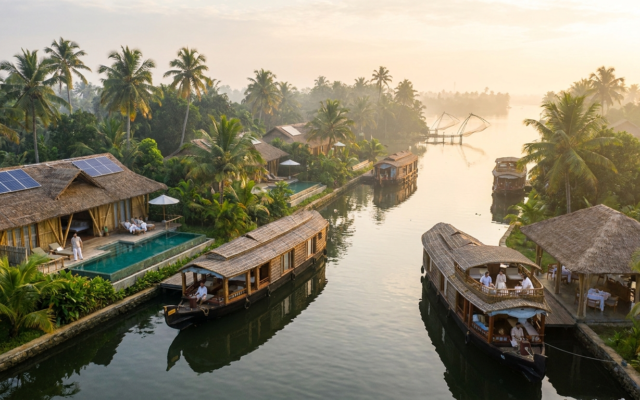
- Expect to find unique accommodations, from solar-powered homestays to bamboo cottages, often integrated seamlessly with the natural landscape.
- Sustainable tourism in India goes beyond conservation; it actively empowers local artisans, farmers, and guides, ensuring economic benefits reach those who protect these pristine locations.
The Green Awakening: India’s Commitment to Eco-Conscious Travel
India, a land celebrated for its rich cultural tapestry and breathtaking biodiversity, is experiencing a profound shift in how we explore its wonders. The year 2026 marks a significant milestone as eco-tourism moves from a niche interest to a mainstream movement. More travellers, both domestic and international, are actively seeking experiences that tread lightly on the planet and deeply connect them with local cultures. This “green awakening” is not just about visiting pristine landscapes; it’s about actively participating in their preservation and contributing to the well-being of the communities that call them home. You’ll find that the focus has shifted from mass tourism to mindful exploration, where every rupee spent supports sustainable practices and empowers local economies.
This evolution is driven by a growing awareness of climate change and the desire for more meaningful travel. Gone are the days when simply ticking off landmarks was enough. Today’s traveller wants to understand the ecosystem, engage with local traditions, and leave a positive impact. This new era of travel prioritises experiences that are regenerative, not just sustainable. We are talking about destinations that are actively working to restore biodiversity, reduce waste, and uplift their residents. This transformation is truly inspiring, showcasing how tourism can be a powerful force for good when approached with intention and responsibility.
Meghalaya’s Living Root Bridges: A Testament to Nature’s Ingenuity
Imagine a journey into the verdant heart of Meghalaya, where the Khasi and Jaintia tribes have, for centuries, cultivated a remarkable form of bio-engineering. They have guided the aerial roots of the Ficus elastica tree across rivers and streams, patiently weaving them into living root bridges. These natural marvels, some spanning over 100 feet, are not just pathways; they are vibrant ecosystems, teeming with life and a profound symbol of human-nature symbiosis. Destinations like Cherrapunji and the region around Mawlynnong, often lauded as Asia’s cleanest village, are at the forefront of this sustainable tourism model.
Visiting these areas offers a unique opportunity to witness this ancient practice firsthand. Local guides, often descendants of the bridge-makers, share stories and insights into the intricate process of nurturing these living structures. You’ll find that accommodations here often mirror this natural harmony, with many homestays built using local, sustainable materials. Expect to be welcomed into homes where traditional Khasi hospitality is paramount, and meals are prepared using fresh, locally sourced ingredients. The emphasis is on authenticity and a deep respect for the environment.
A surprising fact you might encounter is the lifespan of these bridges. While some are centuries old, they are constantly growing and strengthening, often taking up to 15 years to become fully functional. This slow, organic growth mirrors the pace of sustainable development in the region. The local communities see themselves not as owners of the bridges, but as their caretakers, a perspective that fuels their dedication to preserving this living heritage for generations to come.
Thekkady, Kerala: Where Wildlife and Community Coexist
In the southern state of Kerala, the Periyar National Park and Wildlife Sanctuary in Thekkady offers a compelling model for how wildlife conservation and community development can thrive together. This sanctuary is renowned for its diverse flora and fauna, including tigers, elephants, and a rich avian population. However, its success story extends beyond the majestic creatures that roam its forests. The local communities surrounding Thekkady have been integral to its conservation efforts, transforming their relationship with the forest from one of potential exploitation to one of partnership.
Eco-tourism initiatives here are deeply rooted in empowering these local communities. You can participate in guided treks led by former poachers who are now passionate conservationists, offering unparalleled insights into the jungle’s secrets. These guides are not only knowledgeable about the wildlife but also about the medicinal plants and the intricate balance of the forest ecosystem. Their earnings directly contribute to their families and provide a viable alternative to activities that could harm the environment. This creates a powerful incentive for ongoing conservation.
Beyond guided walks, visitors can experience the unique spice plantations that dot the landscape. Many of these are run by local families, offering tours that explain the cultivation of cardamom, pepper, and cinnamon, often using organic methods. You can even engage in cooking classes using these fresh spices, providing a delicious and educational immersion into Kerala’s culinary heritage. The accommodations in Thekkady range from eco-lodges built with sustainable materials to homestays that offer a genuine glimpse into rural Keralan life, all contributing to the local economy.
“True eco-tourism isn’t just about visiting beautiful places; it’s about investing in their future and the future of the people who safeguard them.”
Advertisement300×250 / native
Pondicherry: French Charm Meets Tamil Culture in a Sustainable Embrace
Pondicherry, with its unique blend of French colonial architecture and Tamil cultural heritage, is emerging as a vibrant hub for sustainable tourism, particularly in its Auroville and surrounding regions. This union of cultures has fostered an environment where innovation in eco-friendly practices is deeply ingrained. Auroville, an international township dedicated to human unity and sustainable living, has long been a pioneer in renewable energy, organic farming, and waste management, offering a tangible example of a community living in harmony with its environment.
Travellers to Pondicherry can explore its heritage sites while actively engaging in eco-conscious activities. You can opt for stays in guesthouses that utilise solar power, rainwater harvesting, and composting systems. Many boutique hotels and homestays actively promote local artisans and farmers, sourcing their produce from organic farms and showcasing handcrafted goods. This ensures that your travel expenditure directly supports the local economy and encourages sustainable production methods. The city itself, with its pedestrian-friendly streets and emphasis on greenery, encourages a slower, more mindful pace of exploration.
A fascinating aspect of Pondicherry’s sustainable tourism is its focus on traditional Tamil crafts and wellness practices. You can visit workshops where artisans create beautiful pottery, textiles, and jewellery using natural dyes and age-old techniques. Ayurvedic centres and yoga retreats are prevalent, offering holistic wellness experiences that are in sync with nature’s rhythms. This approach to tourism not only provides enriching experiences for visitors but also revitalises and sustains traditional livelihoods, ensuring cultural heritage is preserved alongside environmental integrity.
The Western Ghats: A Biodiversity Hotspot Embraces Responsible Exploration
The Western Ghats, a UNESCO World Heritage Site stretching across six Indian states, is one of the world’s most biodiverse regions. This magnificent mountain range is a treasure trove of endemic species, lush rainforests, and cascading waterfalls, attracting nature enthusiasts and adventure seekers alike. Recognizing its ecological significance, various regions within the Western Ghats are actively promoting eco-tourism initiatives that prioritise conservation and community involvement. Destinations like Coorg in Karnataka, Munnar in Kerala, and the Anamalai Hills in Tamil Nadu are leading this charge.
These areas offer a spectrum of sustainable experiences. You can opt for treks and nature walks led by local naturalists who possess intimate knowledge of the region’s flora and fauna. Many resorts and homestays in these regions are built using eco-friendly materials, powered by renewable energy, and employ local staff. They often partner with conservation organisations to contribute to wildlife protection efforts and support community development projects. This holistic approach ensures that your visit benefits the environment and the people who depend on it.
A surprising element you might discover is the role of indigenous communities in safeguarding these fragile ecosystems. Tribes living within the Ghats have traditional knowledge of sustainable resource management, and many eco-tourism ventures now collaborate with them, offering cultural immersion experiences that respect their way of life. For instance, in some parts of the Nilgiris, you can learn about traditional farming practices and medicinal plant uses directly from the indigenous people, ensuring their heritage and their land are protected.
Himalayan Foothills: Sustainable Stays and Cultural Immersion in Uttarakhand
The pristine landscapes of Uttarakhand, nestled in the lower Himalayas, are increasingly becoming a beacon for sustainable tourism, offering a serene escape that prioritises ecological preservation and authentic cultural experiences. Regions like Rishikesh, Nainital, and the less-explored valleys of the Kumaon and Garhwal ranges are embracing eco-friendly practices that allow visitors to connect deeply with nature and local traditions. The emphasis here is on mindful travel that leaves a minimal footprint.
Accommodations in Uttarakhand are rapidly evolving to meet the demands of the conscious traveller. You’ll find charming eco-lodges powered by solar energy, featuring organic gardens, and built with locally sourced, sustainable materials. Many homestays offer a genuine glimpse into the lives of the hill communities, providing home-cooked meals using fresh, local produce and opportunities to learn about their unique customs and crafts. This direct economic support to local families is a cornerstone of sustainable tourism in the region.
Activities are designed to foster a deeper appreciation for the environment. Guided treks through rhododendron forests, birdwatching expeditions led by local experts, and visits to organic farms are popular choices. In Rishikesh, renowned for its yoga and meditation centres, many ashrams and wellness retreats adhere to strict environmental policies, offering a holistic approach to rejuvenation. A surprising fact is the increasing adoption of zero-waste principles by many small eateries and cafes in these hill stations, driven by local initiatives to combat pollution and preserve the pristine mountain environment.
Frequently Asked Questions
What is the primary goal of eco-tourism in India?
The primary goal is to promote travel that conserves the environment, supports the well-being of local people, and involves them in decision-making processes. It aims to create a responsible and enriching experience for travellers while ensuring the long-term sustainability of natural and cultural heritage.
How does eco-tourism benefit local communities in India?
Eco-tourism provides direct economic benefits through employment in accommodations, guiding, and handicraft sales. It also empowers communities by involving them in conservation efforts and preserving their cultural traditions, offering a viable alternative to unsustainable practices.
What kind of accommodations can I expect in India’s eco-tourism destinations?
You can expect a range of eco-friendly accommodations, including solar-powered homestays, bamboo cottages, lodges built with sustainable materials, and resorts committed to waste reduction and water conservation. The focus is on blending seamlessly with the natural environment.
Are there specific certifications or standards for eco-tourism in India?
While India is developing its eco-tourism framework, many destinations and operators voluntarily adopt international best practices and adhere to principles of sustainability. Look for establishments that highlight their conservation efforts, community engagement, and responsible resource management.