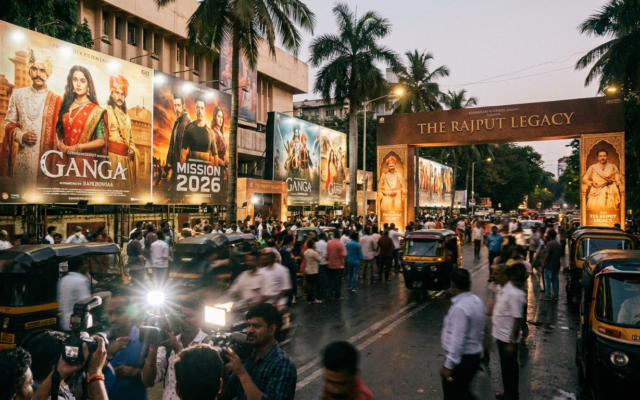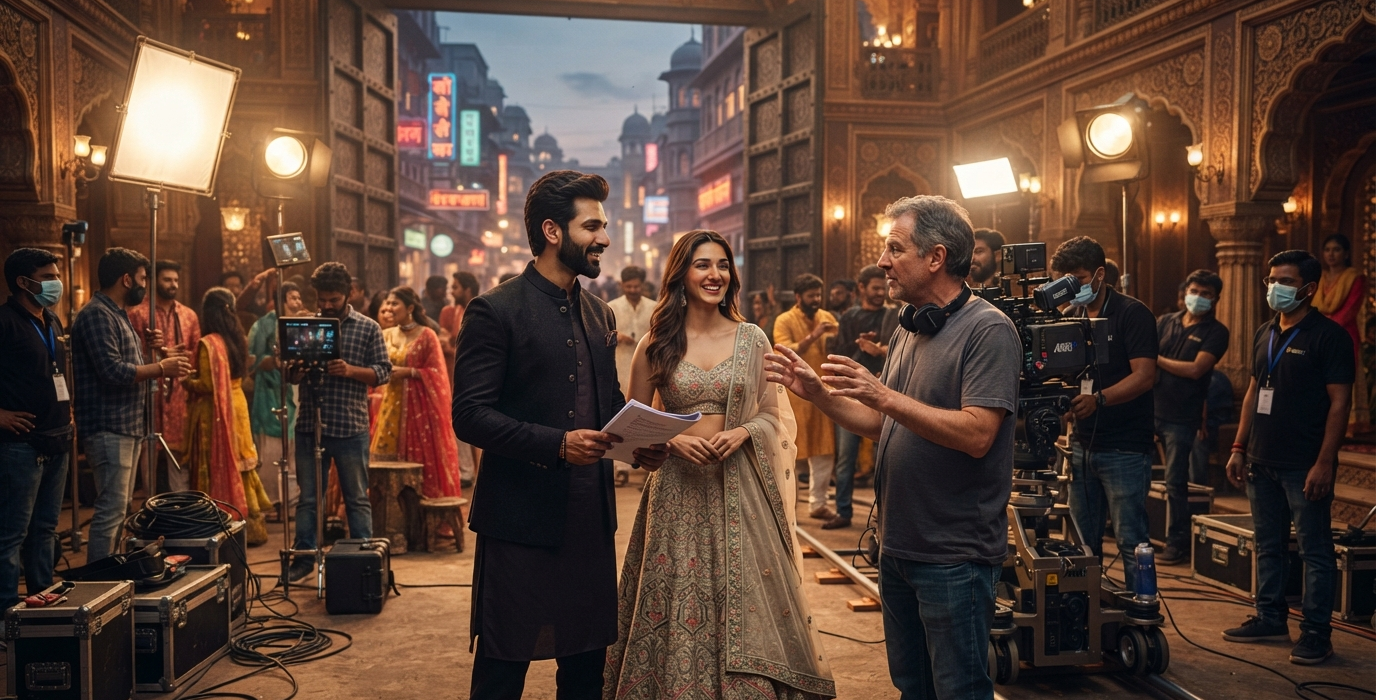
As the festive season of 2026 approaches, the Indian box office is gearing up for a spectacle of high-octane action, historical epics, and experimental narratives that promise to redefine the cinematic landscape. Whether you are a fan of star-studded mega-projects or gritty independent storytelling, the upcoming slate of Bollywood releases offers something for every palette.
Key Takeaways
- Major studios are prioritizing theatrical exclusivity, ensuring that big-budget spectacles receive a wide release in multiplexes across India.
- New digital-first marketing strategies are being deployed to capture Gen Z audiences, often shifting focus away from traditional promotional tours.
- Production budgets have seen a 15% increase compared to last year, with a heavy emphasis on visual effects (VFX) and international post-production standards.
- The late 2026 calendar is packed with franchise sequels, which currently hold a strong track record for domestic box office dominance.
The Rise of the Historical Epic in Late 2026
Historical dramas remain the bedrock of Indian cinema, and the final quarter of 2026 is no exception. Producers are digging deep into India’s vast historical archives to bring stories of valor and heritage to the big screen. These films are not merely retelling past events; they are being crafted with global production standards that rival international historical epics.
One notable trend is the move toward massive set construction in locations like Film City in Mumbai and the outskirts of Hyderabad. Directors are leaning away from excessive green screens, opting instead for tangible architecture to ground their narratives. This shift is intended to provide a more immersive experience for the audience, especially for those watching on large-format screens.
According to the National Film Development Corporation of India, the focus on local historical narratives has significantly bolstered the regional film ecosystem, allowing stories from every corner of the country to reach national prominence. By investing in authentic costumes and research, filmmakers are looking to avoid the controversies that plagued historical films in the past. You should expect a more nuanced approach to storytelling that balances artistic license with historical integrity.
Franchise Powerhouses and Sequel Mania
In 2026, the Bollywood business model has shifted toward the “cinematic universe” approach. Major production houses have realized that established intellectual property is the safest bet for ensuring opening weekend numbers. You will notice that many of the most anticipated films releasing between October and December are direct sequels or spin-offs of massive hits from the last three years.
This trend is driven by the audience’s desire to return to familiar worlds. When you step into the theater for these sequels, you are not just buying a ticket; you are engaging with a legacy. Studios have invested heavily in continuity, ensuring that writers from the original films return to maintain the tone and character arcs that made the initial installments successful.
A surprising fact is that nearly 40% of the total Hindi film revenue in 2026 is projected to come from these franchise films. This reliance on established brands has sparked a debate among critics about the lack of original scripts. However, for the average viewer, the promise of high-quality, high-budget entertainment remains the primary draw. The Federation of Indian Chambers of Commerce and Industry consistently tracks these media and entertainment trends, noting that franchise-based intellectual property is currently the most lucrative asset for Indian production houses.
The Evolution of Visual Effects and Post-Production
The visual standard of Hindi cinema has taken a massive leap forward this year. The transition to advanced rendering technologies and AI-assisted animation has allowed filmmakers to execute complex sequences that were previously deemed impossible due to budget constraints. Late 2026 releases are showcasing a level of polish that suggests a maturing industry.
You will see this technical prowess most clearly in the upcoming science fiction and fantasy dramas. Directors are now collaborating with specialized studios in Bengaluru and Chennai that have gained international recognition for their work on global streaming platforms. This cross-pollination of talent is raising the bar for every film currently in production.
Another surprising fact is that the average post-production cycle for a top-tier Bollywood film has extended by three months compared to the 2022 average. This extra time is dedicated entirely to refining textures and lighting, ensuring the final cut looks seamless on premium screens. As a viewer, this means you can expect fewer instances of jarring CGI and a much smoother visual experience.
The Direct-to-Consumer Marketing Shift
Marketing has changed fundamentally in 2026. The days of exhaustive city-hopping promotional tours are waning. Instead, studios are utilizing sophisticated social media algorithms and interactive digital experiences to reach you exactly where you spend your time. This shift is more cost-effective and creates a direct line of communication between the talent and the audience.
By leveraging short-form video content and real-time Q&A sessions, actors are cultivating a more personal brand. This strategy allows the audience to feel a sense of ownership over the project before it even hits the screens. Expect to see more “behind-the-scenes” content that highlights the technical craft rather than just the celebrity aspect of the film.
This digital shift also allows for segmented marketing. If a film is targeted toward a younger demographic in urban centers like Delhi or Bengaluru, the marketing team can tailor the tone and platform specifically to those groups. It is a precise, data-driven approach that minimizes waste and maximizes engagement, reflecting the professional standards found in the global India Brand Equity Foundation reports on the media sector.
Comparative Analysis of Expected Box Office Performance
When you look at the landscape of late 2026, it becomes clear that not all films are built for the same audience. The following table highlights the different categories of films expected to dominate the market during the upcoming festive season.
| Film Category | Target Audience | Primary Draw | Release Window |
|---|---|---|---|
| Action Spectacle | Mass Market | High-octane stunts | Diwali 2026 |
| Historical Drama | Family/History Buffs | Grand scale sets | Winter 2026 |
| Indie/Experimental | Niche/Urban Youth | Unique narratives | Mid-November |
| Comedy Franchise | Youth/Families | Recall value | December Holidays |
This variety ensures that whether you prefer a quiet, thought-provoking drama or a loud, explosive action thriller, the multiplexes will have something prepared for you. The key is to check local listings early, as popular screenings during the festive weeks tend to sell out hours after the advance booking windows open.
The true magic of Indian cinema in 2026 lies not just in the star power, but in the seamless marriage of traditional storytelling and cutting-edge technology that keeps millions of us glued to the screen.
Navigating the Multiplex Experience
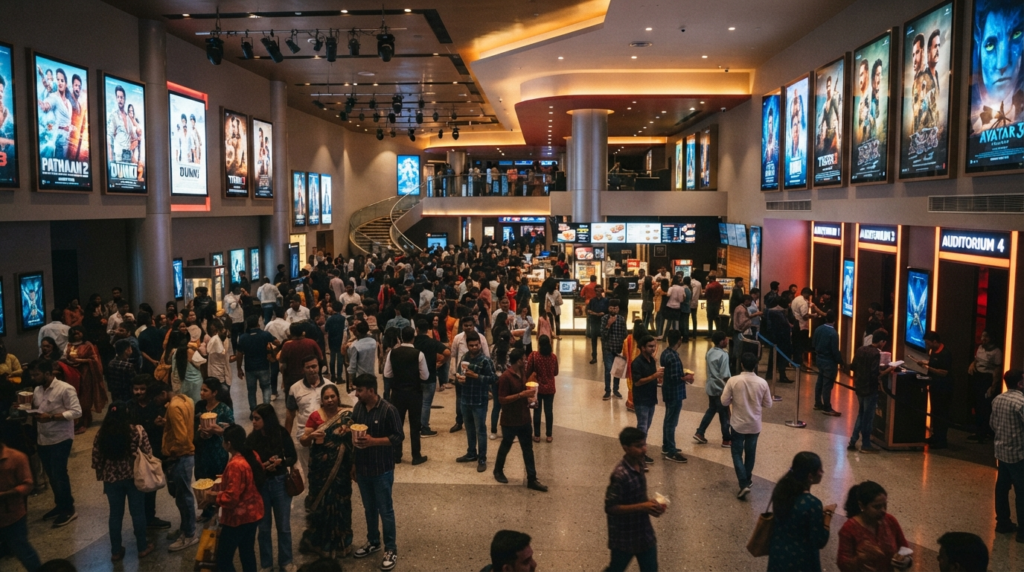
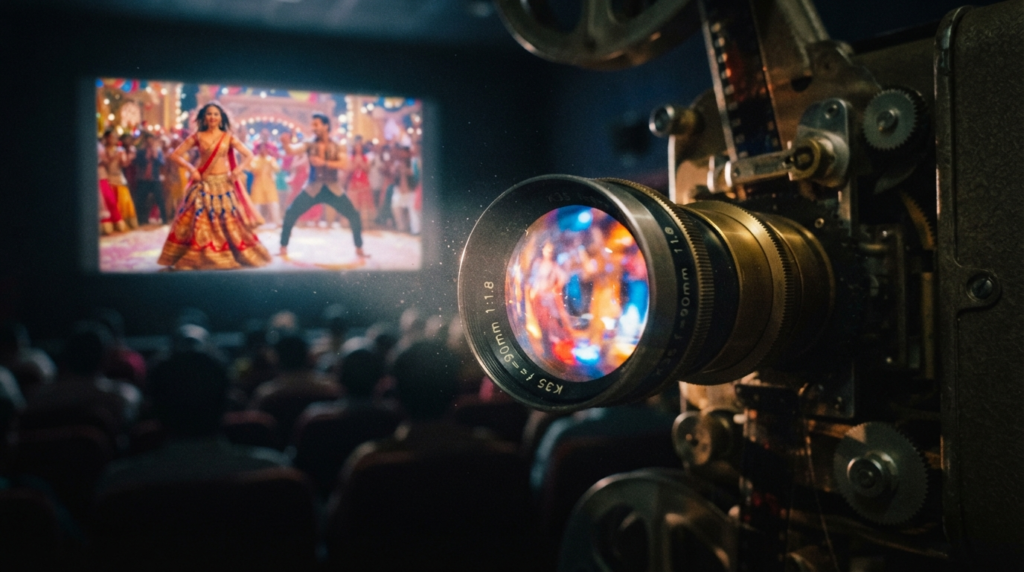
As we approach the end of 2026, the experience of going to the movies has become more streamlined but also more complex. With dynamic pricing models now active in major cities, you might find that tickets for the same film vary significantly depending on the time of day and the day of the week. Planning ahead is no longer just a recommendation; it is a necessity for the best experience.
Most major chains have implemented upgraded seating and audio systems, such as IMAX and Dolby Cinema, which are becoming the standard for major releases. When you choose your theater, consider the investment in sound quality, as many 2026 films are mixed specifically for these high-fidelity environments. The difference in an action sequence is often profound.
Finally, keep an eye on official announcements for early access screenings. These are often held a day before the wide release and can be a great way to avoid the intense crowds of the opening weekend. By staying informed through official studio channels and verified ticketing platforms, you can ensure your cinema-going experience is as smooth as possible.
Frequently Asked Questions
Which Bollywood film is expected to be the biggest hit in late 2026?
While box office performance is difficult to predict, industry analysts are currently tipping the high-budget action sequels as the primary contenders for the highest-grossing title of the final quarter.
Where can I check the official release dates for upcoming movies?
You should always rely on the official social media handles of the production houses or established entertainment news portals. Avoid third-party aggregator sites that may feature unverified or outdated release schedules.
Are there any major independent films worth watching this year?
Yes, 2026 has seen a surge in mid-budget, content-driven cinema. Look for films supported by reputable independent production labels, which often premiere at international film festivals before their nationwide release in India.
How has the price of movie tickets changed in 2026?
Ticket prices have seen a marginal increase in major metropolitan areas due to the adoption of premium technology and luxury seating options, though budget-friendly tiers remain available in non-prime time slots.