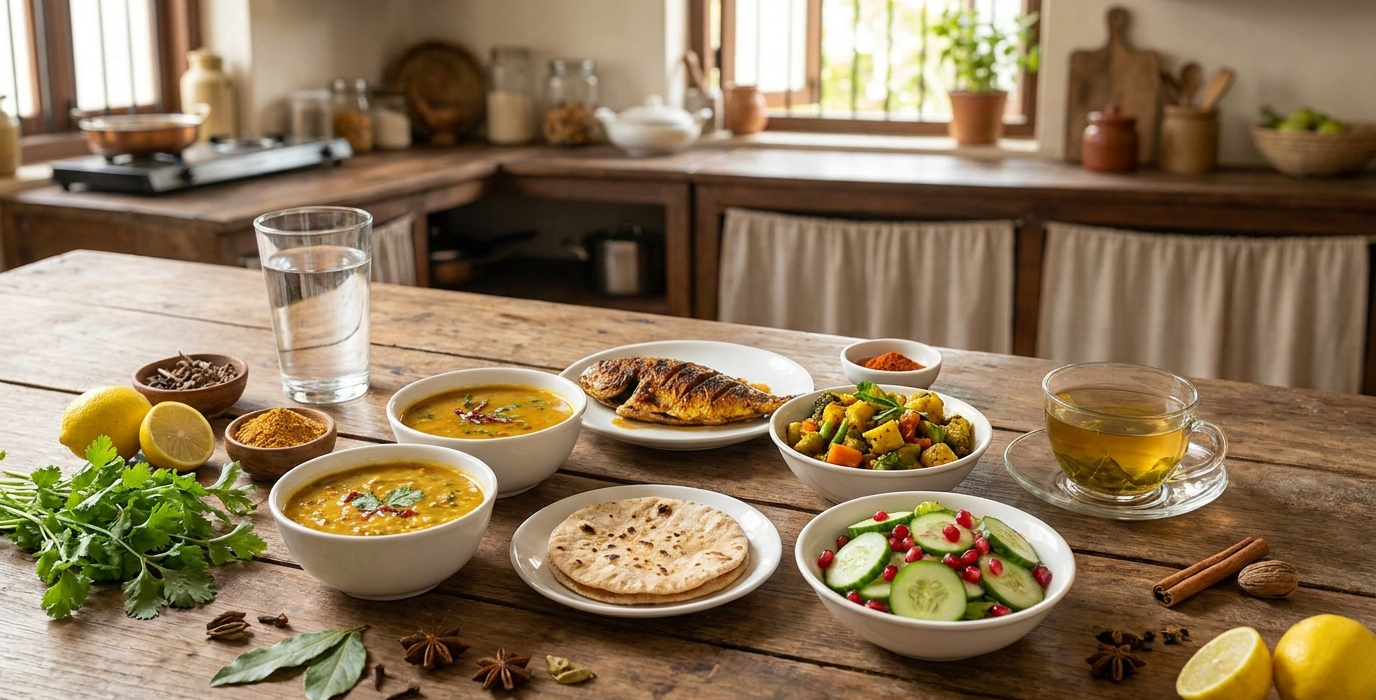
Embarking on Your Weight Loss Journey: Setting Realistic Goals
You’ve decided it’s time. That desire for a healthier, lighter you is strong, and you’re ready to make a change. But where do you begin? The first, and perhaps most crucial, step is to set realistic expectations. Promises of losing 5 kilograms in just seven days, as often seen in sensationalized headlines, are generally not sustainable and can even be detrimental to your health.
True, sustainable weight loss is a gradual process. Experts, including those at the National Institute of Nutrition in India, recommend a healthy weight loss rate of 0.5 to 1 kilogram per week. This allows your body to adapt, minimizes muscle loss, and makes it more likely that you’ll keep the weight off in the long run. Rushing the process can lead to nutrient deficiencies, fatigue, and a rebound effect where you regain the lost weight, often with extra.
Instead of focusing on a drastic, short-term goal, let’s reframe your objective. Think about building healthier habits that you can maintain. This might involve incorporating more movement into your day, making mindful food choices, and ensuring you get adequate sleep. These are the cornerstones of lasting well-being, far more valuable than a fleeting number on the scale. We’ll guide you through a plan that prioritizes health and offers noticeable results without compromising your vitality.
Remember, your body is unique. What works wonders for one person might not be ideal for another. This plan serves as a robust framework, but listening to your body and making adjustments as needed is paramount. We’ll explore how to fuel yourself effectively, ensuring you feel energetic and satisfied throughout your journey. This isn’t about deprivation; it’s about smart nourishment and mindful eating.
The journey of a thousand miles begins with a single step. Your commitment to a healthier lifestyle is that step. We’re here to provide you with the knowledge and a practical, actionable plan to help you achieve your goals safely and effectively. Let’s dive into the specifics of how you can begin to feel the difference, not just in your clothes, but in your overall sense of well-being.
The Power of Hydration and Smart Eating: Your Foundation
Before we even discuss specific meals, let’s talk about two fundamental pillars of any successful weight loss strategy: hydration and smart eating. These might seem simple, but their impact is profound. Imagine your body as a finely tuned machine; water is the essential lubricant and coolant that keeps everything running smoothly.
Aim to drink at least 8-10 glasses of water throughout the day. Start your day with a glass of warm water, perhaps with a squeeze of lemon, to kickstart your metabolism. Carry a reusable water bottle with you, whether you’re commuting in Mumbai or attending a lecture in Delhi. This simple habit can help you feel fuller, aid digestion, and flush out toxins. Sometimes, what we perceive as hunger is actually thirst, so reaching for water first can prevent unnecessary snacking.
Smart eating, on the other hand, isn’t about eliminating entire food groups or starving yourself. It’s about making informed choices that nourish your body and provide sustained energy. This means focusing on whole, unprocessed foods. Think of the vibrant produce found at your local sabzi mandi – these are your allies. Include plenty of colourful fruits and vegetables in your diet. They are rich in vitamins, minerals, and fiber, all of which are crucial for overall health and satiety.
Protein is another vital component. It helps you feel full for longer and is essential for muscle maintenance. Good sources include lentils (dal), chickpeas (chana), yogurt (dahi), paneer, eggs, and lean meats. Incorporating a source of protein into every meal can significantly curb your appetite and prevent overeating. Remember, we’re aiming for balance and nourishment, not restriction.
Furthermore, understanding portion control is key. Even healthy foods can contribute to weight gain if consumed in excess. Using smaller plates, being mindful of serving sizes, and eating slowly can help you recognize your body’s natural fullness cues. This practice, often referred to as mindful eating, allows you to savour your food and better connect with your body’s signals. We’ll build on these principles with specific meal ideas in the next sections.
Crafting Your Balanced Meal Plan: Breakfast, Lunch, and Dinner
Now, let’s put these principles into practice with a sample meal plan designed for sustained energy and effective weight management. This plan emphasizes whole foods, lean proteins, and plenty of fiber, ensuring you feel satisfied and energized throughout your day. We’ll structure it around three main meals, with optional healthy snacks if needed.
Breakfast: Start your day right. Options include:
- Option 1: Two whole wheat chapatis with a bowl of mixed vegetable curry or a serving of dal.
- Option 2: A bowl of oats or poha prepared with minimal oil and plenty of vegetables. Add a handful of nuts for healthy fats and crunch.
- Option 3: Two idlis or dosas (made with less oil) with sambar and a small portion of chutney.
Ensure your breakfast includes a good source of protein and fiber to keep you full until your next meal. A glass of buttermilk (chaas) or a small fruit can complement your breakfast nicely.
Lunch: Aim for a balanced plate.
- Option 1: Two whole wheat chapatis or a small bowl of brown rice, a generous portion of a lentil dish (dal) or a lean protein like grilled chicken or fish, and a large serving of a mixed vegetable salad or cooked sabzi.
- Option 2: A large bowl of mixed vegetable soup with a side of paneer tikka or a small portion of quinoa.
- Option 3: A substantial salad with grilled paneer, chickpeas, and a light vinaigrette dressing.
Remember to include a good portion of vegetables, as they are low in calories and high in nutrients. Avoid creamy gravies and deep-fried items.
Dinner: Keep it lighter, especially if you eat late.
- Option 1: One to two whole wheat chapatis with a vegetable sabzi and a small bowl of curd.
- Option 2: A bowl of vegetable soup with a side of baked or grilled fish/chicken.
- Option 3: A large bowl of moong dal khichdi with mixed vegetables.
The goal for dinner is to provide your body with nutrients without overburdening your digestive system before sleep. This approach ensures you’re getting a variety of nutrients while keeping calorie intake in check.
Smart Snacking and Mindful Indulgences
Snacking can be a tricky area when you’re trying to lose weight. It’s easy to fall into the trap of mindless munching on unhealthy options. However, smart snacking can actually be a valuable tool, helping to manage hunger pangs between meals and prevent overeating at your next main meal. The key is to choose snacks that are nutrient-dense and provide sustained energy.
Think about options that combine protein, fiber, and healthy fats. A handful of roasted chana (chickpeas) or a small bowl of sprouts is an excellent choice. Yogurt with some berries or a small apple with a tablespoon of almond butter also works well. These options will keep you feeling satisfied and prevent you from reaching for sugary biscuits or fried namkeen. Even a small portion of nuts like almonds or walnuts provides healthy fats and protein.
One surprising fact about snacking is that sometimes, delaying your snack can be beneficial. If you feel a slight pang of hunger, try drinking a glass of water first. Wait for 15-20 minutes. Often, the hunger will subside. If it doesn’t, then reach for one of your pre-planned healthy snacks. This simple trick helps distinguish between true hunger and thirst or boredom.
Now, let’s talk about indulgences. Completely depriving yourself of foods you love is rarely sustainable and can lead to intense cravings and eventual binge eating. Instead, we advocate for mindful indulgence. If you have a craving for something sweet, perhaps a small piece of dark chocolate or a seasonal fruit like a ripe mango (in moderation) can satisfy it. For savoury cravings, a small portion of baked mathri or a few olives can be a good alternative to fried snacks.
The crucial aspect here is moderation and mindfulness. If you choose to have a treat, savour every bite. Eat slowly, pay attention to the taste and texture, and acknowledge that you are enjoying it without guilt. This approach helps you enjoy your favourite foods in smaller quantities and prevents them from derailing your progress. It’s about finding a balance that works for your lifestyle and taste preferences.
The Role of Physical Activity and Movement
While diet plays a significant role in weight loss, physical activity is its indispensable partner. Exercise not only burns calories but also builds muscle mass, which in turn boosts your metabolism, helping you burn more calories even at rest. Integrating regular movement into your routine is crucial for sustainable weight loss and overall health.
You don’t need to immediately sign up for intense gym sessions or marathon training. Start with activities you enjoy and gradually increase the intensity and duration. A brisk walk through a local park in the early morning, perhaps near the India Gate in Delhi or along Marine Drive in Mumbai, can be incredibly beneficial. Aim for at least 30 minutes of moderate-intensity exercise most days of the week.
Consider incorporating activities like:
- Walking: Aim for 30-45 minutes of brisk walking daily.
- Yoga: Practicing yoga not only aids in weight loss but also improves flexibility, strength, and mental well-being. Many online resources offer beginner-friendly routines.
- Cycling: A great cardiovascular workout that can be done outdoors or on a stationary bike.
- Dancing: Whether it’s Bollywood dance, Zumba, or any style you love, dancing is a fun way to burn calories.
- Strength Training: Incorporating bodyweight exercises like squats, lunges, push-ups, and planks a few times a week can help build muscle.
A surprising fact is that even simple household chores, when done with vigour, can contribute to your calorie expenditure. Think of vigorous cleaning, gardening, or even playing actively with children. These everyday activities add up.
Consistency is more important than intensity when you’re starting. Find activities that you genuinely enjoy, as this will make it much easier to stick with them long-term. Listen to your body, and don’t push yourself too hard, especially in the beginning. Gradually increase your activity levels. The goal is to make movement a natural and enjoyable part of your daily life, not a chore.
Remember, building muscle is key. Muscle tissue is more metabolically active than fat tissue, meaning it burns more calories at rest. Therefore, incorporating some form of strength training, even with just your body weight, will significantly aid your weight loss efforts and help you achieve a more toned physique. We are aiming for a holistic approach where diet and exercise work in synergy.
Beyond the Scale: Monitoring Progress and Staying Motivated
It’s easy to get fixated on the number on the scale, but weight loss is about much more than just a numerical value. True progress encompasses improvements in energy levels, better sleep, clothes fitting more comfortably, and an overall enhanced sense of well-being. Focusing solely on the scale can be discouraging, especially on days when the number fluctuates due to water retention or other factors.
Therefore, we encourage you to monitor your progress using a variety of indicators. Keep a journal where you jot down not only your food intake but also how you feel physically and mentally. Note down your energy levels, sleep quality, and any positive changes you observe. This holistic approach provides a more accurate and encouraging picture of your journey.
Another effective method is to periodically check your body measurements. Measure your waist, hips, and arms. Sometimes, you might be losing inches even if the scale isn’t moving significantly, which is a sign of body recomposition – losing fat and gaining muscle. This can be incredibly motivating, showing you that your efforts are yielding results in ways that the scale alone might not reflect.
Staying motivated is paramount, and it’s often the most challenging aspect. Celebrate small victories. Did you stick to your meal plan for three consecutive days? That’s a win! Did you manage to go for your morning walk even when you felt tired? Another win! Acknowledge and reward yourself (not with food, but perhaps with a new book, a relaxing bath, or a movie) for these achievements. Share your journey with supportive friends or family members; their encouragement can make a world of difference.
Finally, remember that setbacks are a normal part of any significant change. If you have an off day or a weekend where you deviate from your plan, don’t beat yourself up. Simply acknowledge it, learn from it, and get back on track with your next meal or your next workout. The key is resilience and a commitment to continuing forward. Your health journey is a marathon, not a sprint, and each step you take, no matter how small, brings you closer to your goals.