Mastering the art of Indian vegetarian cooking is less about following rigid measurements and more about understanding the alchemy of spices, heat, and timing. Whether you are a novice in a cramped Mumbai apartment or an experienced home chef in Bengaluru, these ten foundational recipes form the bedrock of a balanced, flavorful kitchen.
Key Takeaways
- Learn the “tadka” technique, which serves as the flavor-infusion backbone for most Indian vegetarian pulses and lentils.
- Understand the regional diversity of India, ranging from the mild, coconut-based profiles of the South to the robust, tomato-onion gravies of the North.
- Discover the nutritional science behind pairing legumes with grains to create a complete amino acid profile, a tradition documented by the Food Safety and Standards Authority of India.
- Master essential techniques like tempering, sautéing, and slow-simmering to elevate humble ingredients into restaurant-quality meals.
1. The Science of the Perfect Tadka
The tadka, or tempering, is the heartbeat of Indian home cooking. It involves heating oil or ghee until it shimmers, then adding whole spices like cumin seeds, mustard seeds, or dried red chilies to release their volatile oils. When you pour this sizzling mixture over a bland pot of dal or vegetables, it transforms the entire dish instantly.
For a basic North Indian dal, start with a high-smoke point oil or ghee. Once the cumin seeds crackle, add finely chopped garlic and ginger. Did you know that the distinct aroma of ginger is primarily due to a compound called gingerol, which becomes mellow and aromatic when cooked? Understanding this chemistry allows you to adjust your heat levels to achieve the perfect depth of flavor without burning the spices.
Always maintain a clean kitchen workspace when performing a tadka. The oil can reach temperatures exceeding 180 degrees Celsius, so ensure your spices are dry before adding them to avoid dangerous splattering. For those tracking nutritional intake, the National Institute of Nutrition provides extensive data on how different cooking methods impact the bioavailability of micronutrients in common Indian vegetables.
2. Mastering the Base: Onion, Tomato, and Ginger-Garlic
Most hearty Indian vegetarian gravies share a common ancestor: the masala base. By finely dicing onions and sautéing them until they turn a deep golden brown—known as the caramelization phase—you create a sweet, savory foundation. Adding pureed tomatoes and a generous spoonful of ginger-garlic paste follows, thickening the sauce into a rich, velvety consistency.
The secret here is patience. Many home cooks rush the onion stage, leading to a raw, sharp taste that masks the delicate spices. Allow your onions to cook for at least 10 to 12 minutes on medium heat. When the oil begins to separate from the sides of the pan, you know your base is perfectly cooked and ready to accept powdered spices like turmeric, coriander, and chili.
Practice this base for dishes like Chana Masala or Aloo Matar. Once you master this core technique, you can substitute the main vegetable or legume to create dozens of variations. It is a time-saving strategy used in busy commercial kitchens across Delhi and Pune to ensure consistency in flavor profiles throughout the week.
3. Comparing Popular Indian Vegetarian Staples
Understanding which legumes or vegetables suit different cooking methods helps you plan your weekly meals effectively. While some ingredients require long soaking periods, others, like leafy greens, can be prepared in minutes.
| Recipe | Cooking Time | Primary Technique | Best Paired With |
|---|---|---|---|
| Dal Tadka | 30 Mins | Pressure Cooking & Tempering | Steamed Basmati Rice |
| Paneer Butter Masala | 40 Mins | Sautéing & Simmering | Garlic Naan or Roti |
| Mixed Vegetable Curry | 25 Mins | Stir-frying | Paratha or Phulka |
| Palak Paneer | 35 Mins | Blanching & Pureeing | Jeera Rice |
4. The Art of the Vegetable Stir-fry (Sabzi)
In India, a sabzi is not just a side dish; it is a nutritional powerhouse. Whether it is Bhindi Masala (okra) or Aloo Gobi (cauliflower and potatoes), the goal is to keep the vegetables tender yet firm. Overcooking leads to a mushy texture, which is a common mistake for beginners.
To avoid this, chop your vegetables into uniform sizes to ensure they cook at the same rate. When cooking okra, add a splash of lemon juice or amchur (dried mango powder) early in the process. This specific culinary trick cuts through the natural sliminess of the vegetable, ensuring each piece remains distinct and appetizing on the plate.
Another surprising fact is that cauliflower contains high levels of glucosinolates, which are best preserved by steaming or sautéing rather than boiling in water. By using a heavy-bottomed pan and minimal water, you retain the structural integrity and the essential vitamins of the produce. Always source fresh, seasonal vegetables from local markets for the best nutritional return.
5. Legumes and Grains: The Nutritional Powerhouse
Vegetarian Indian cuisine excels in the synergy between legumes and grains. A bowl of Rajma (kidney beans) paired with rice provides a complete profile of essential amino acids that the body cannot synthesize on its own. This combination is a staple of North Indian comfort food and a hallmark of traditional dietary wisdom.
When preparing dried pulses, always sort and wash them thoroughly. Soaking them overnight not only reduces cooking time but also helps in breaking down complex sugars that can cause digestive discomfort. If you are short on time, use a pressure cooker, but always wait for the pressure to release naturally to ensure the pulses are cooked through to the center.
For those interested in the cultural evolution of these dishes, the history of the potato in India is fascinating. While now ubiquitous in every Indian kitchen, the potato was introduced by Portuguese traders in the 17th century. Today, it remains the most versatile vegetable in the Indian culinary repertoire, appearing in everything from samosas to complex curries.
6. Preserving Tradition: Essential Kitchen Tools
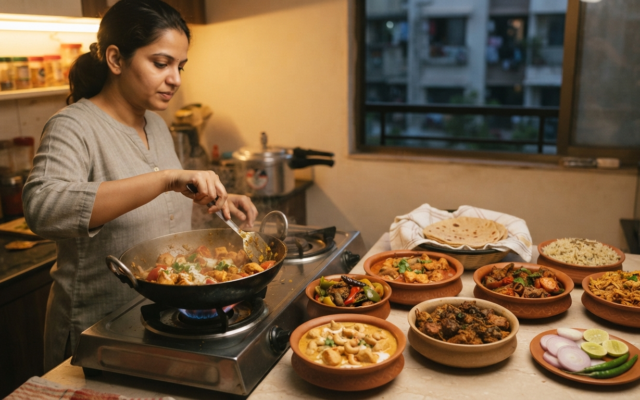
You do not need a high-tech kitchen to cook authentic Indian food. A heavy-bottomed kadhai (wok) is perhaps your most important investment, as it distributes heat evenly and prevents burning during the long sautéing process. A well-seasoned cast iron or stainless steel kadhai will last for generations.
Additionally, keeping a set of airtight containers for your spices—known as a masala dabba—is essential. This centralizes your turmeric, cumin, mustard seeds, and chili powder, allowing for quick access during the heat of cooking. When spices are kept away from light and humidity, they retain their potency for significantly longer.
The soul of Indian cooking lies in the balance of six tastes: sweet, sour, salty, bitter, pungent, and astringent. A great cook does not just follow a recipe; they adjust these elements to suit the ingredients at hand.
Finally, embrace the use of fresh herbs. While dried spices form the base, a garnish of freshly chopped cilantro (coriander leaves) adds a bright, citrusy note that balances heavy gravies. Always add this at the very end of the cooking process to maintain its vibrant green color and delicate aroma.
Frequently Asked Questions
How do I stop my spices from burning during the tadka?
The secret is heat management. Always keep your flame on low when adding spices to hot oil. If you are worried, have your ginger, garlic, or onions ready to go immediately after the seeds crackle, as their moisture will instantly drop the oil temperature and prevent the spices from charring.
Is it necessary to use a pressure cooker for dal?
While a pressure cooker is the fastest method, it is not strictly necessary. You can cook dal in a standard pot on the stovetop; however, it will take significantly longer—usually 45 to 60 minutes. Ensure you skim off the white foam that forms on the surface during the first boil to improve the texture.
How can I make my vegetable curries less oily?
Modern home cooking often uses too much oil. You can significantly reduce the amount by using a non-stick pan or by steaming your vegetables before adding them to the masala base. Alternatively, use a “water sauté” method where you add a splash of water to the pan whenever the onions begin to stick, rather than adding more oil.
Can I substitute ghee with vegetable oil?
Yes, you can easily substitute ghee with any neutral-flavored vegetable oil like sunflower or canola. However, ghee adds a unique nutty depth that is characteristic of traditional Indian dishes. If you are vegan, coconut oil or a high-quality cold-pressed mustard oil can provide distinct flavor profiles that complement specific regional recipes.