The modern Indian kitchen, much like the world outside it, moves at a relentless pace. Between demanding careers, family commitments, and the ever-present hum of social media, finding the time and energy to prepare a wholesome, delicious dinner can feel like a Herculean task. We’ve all been there: the clock ticking past 8 PM, the fridge looking decidedly uninspiring, and the thought of elaborate chopping and simmering filling us with dread. But what if we told you that a satisfying, flavourful meal is closer than you think? At The Daily Zap, we believe that great food shouldn’t be a chore, especially on a weeknight. We’ve scoured kitchens across India, from bustling Mumbai apartments to serene kitchens in the foothills of the Himalayas, to bring you five quick and incredibly easy dinner recipes. These aren’t just about speed; they’re about harnessing simple ingredients, smart techniques, and the vibrant flavours that make Indian cuisine so beloved, all designed to get a delicious meal on your table with minimal fuss. Forget the takeout menus and the instant noodles; it’s time to rediscover the joy of home cooking, even when time is your most precious commodity.
1. Speedy Paneer Bhurji with Whole Wheat Roti
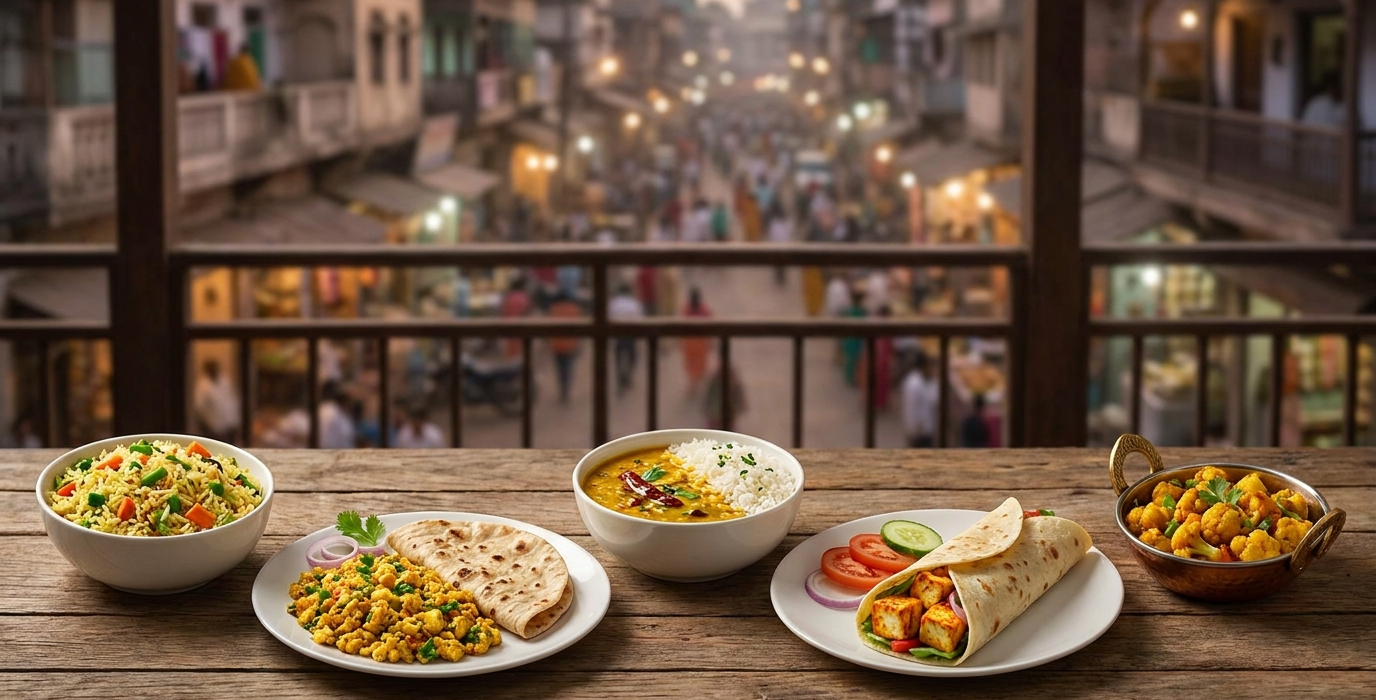
Paneer bhurji, that glorious scramble of crumbled paneer cooked with onions, tomatoes, and a symphony of spices, is a perennial favourite for a reason. It’s incredibly versatile, packed with protein, and can be on your plate in under 20 minutes. For this rapid rendition, we’re streamlining the process without sacrificing flavour. Start by finely dicing one large onion and two medium tomatoes. Heat two tablespoons of ghee or oil in a non-stick pan over medium-high heat. Add half a teaspoon of cumin seeds and let them splutter. Then, toss in your diced onions and sauté until they’re translucent and just beginning to turn golden, about 3-4 minutes. Next, add the tomatoes along with half a teaspoon of ginger-garlic paste. Cook until the tomatoes soften and the oil starts to separate from the masala, indicating it’s well-cooked. This usually takes another 4-5 minutes.
Now, it’s time for the spices. Add half a teaspoon of turmeric powder, one teaspoon of red chilli powder (adjust to your spice preference), and one teaspoon of coriander powder. Stir well and cook for a minute until the spices are fragrant. Crumble in 200 grams of paneer. You can use store-bought grated paneer for even faster results. Gently mix the paneer into the masala, ensuring it’s evenly coated. Season with salt to taste. Cook for another 2-3 minutes, stirring occasionally, until the paneer is heated through and the flavours have melded. For an extra burst of freshness, stir in a tablespoon of chopped fresh coriander leaves and a squeeze of lemon juice just before serving. This protein-rich dish pairs perfectly with store-bought whole wheat rotis or parathas, which you can quickly heat on a tawa. A surprising fact: paneer originated in India centuries ago, possibly as early as the 16th century, evolving from a need for a non-melting cheese that could withstand the country’s warm climate.
2. One-Pot Lemon Herb Chicken and Vegetable Pilaf
Busy evenings call for minimal cleanup, and this one-pot pilaf is your answer. It’s a complete meal in itself, combining tender chicken, fragrant rice, and a medley of vegetables, all cooked together in a single pot. This recipe is designed for speed and simplicity, making it ideal for those nights when you’re short on time but craving something hearty and flavourful. You’ll need 250 grams of boneless chicken, cut into bite-sized pieces. For the vegetables, we’re using a mix of diced carrots, peas, and chopped bell peppers – whatever you have on hand will work beautifully. Start by heating two tablespoons of olive oil or ghee in a deep, heavy-bottomed pot or Dutch oven over medium-high heat. Add the chicken pieces and sear them on all sides until they’re lightly browned. Remove the chicken from the pot and set aside. This initial browning adds depth of flavour.
In the same pot, add your diced vegetables and sauté for about 3-4 minutes until they are slightly tender-crisp. Now, stir in one cup of basmati rice, rinsed thoroughly, and sauté for another minute until the grains are lightly toasted. This step helps prevent the rice from becoming mushy. Pour in two cups of chicken broth or water, and add half a teaspoon each of dried oregano, thyme, and a pinch of red pepper flakes. Season with salt and black pepper. Bring the liquid to a boil, then reduce the heat to low, cover the pot tightly, and let it simmer for about 15 minutes. After 15 minutes, return the browned chicken to the pot, stir gently, and cover again. Cook for another 5-7 minutes, or until the rice is fully cooked and the chicken is done. Stir in the juice of half a lemon and a generous handful of chopped fresh parsley or cilantro. A truly surprising culinary fact: the pilaf, while popular globally, has ancient Persian roots and was introduced to India centuries ago, where it evolved into numerous regional variations, often incorporating local spices and ingredients.
3. Quick Masoor Dal Tadka with Spinach
Dal is the undisputed king of comfort food in India, and masoor dal (red lentils) cooks faster than any other variety. This recipe elevates simple masoor dal by infusing it with the goodness of spinach and a flavourful tadka (tempering). It’s a nutritious, quick, and deeply satisfying meal that’s perfect for a light yet filling dinner. You’ll need one cup of masoor dal, rinsed well. In a pressure cooker or a deep pot, combine the rinsed dal with three cups of water, half a teaspoon of turmeric powder, and a pinch of salt. If using a pressure cooker, cook for two whistles on medium heat. If using a regular pot, bring to a boil, then reduce heat, cover, and simmer for about 15-20 minutes, or until the dal is tender and mushy. Once the dal is cooked, stir in one cup of fresh spinach leaves. The heat of the dal will wilt the spinach quickly. Mash the dal slightly with a spoon or whisk to achieve your desired consistency.
Now for the star of the show: the tadka. In a small pan, heat two tablespoons of ghee or oil. Add half a teaspoon of cumin seeds, half a teaspoon of mustard seeds, and a pinch of asafoetida (hing). Let them splutter. Add two dried red chillies (broken into pieces) and 2-3 cloves of finely chopped garlic. Sauté until the garlic turns golden brown and fragrant. Pour this flavourful tadka immediately over the cooked dal. Stir gently to combine. Garnish with fresh chopped coriander leaves. This dal is best served hot with steamed rice or a warm roti. Did you know that lentils have been a staple food in the Indian subcontinent for thousands of years, with archaeological evidence suggesting their cultivation dates back to at least 7000 BCE? This makes them one of the oldest cultivated legumes in the world.
4. Spicy Peanut Noodles with Crispy Tofu
For those evenings when you crave something with a bit of an international flair but still want it on the table in under 30 minutes, these spicy peanut noodles are a game-changer. They’re incredibly adaptable, allowing you to throw in whatever vegetables you have lurking in your crisper drawer. The star of this dish is the rich, savoury peanut sauce that coats the noodles beautifully. Start by preparing your noodles. Cook 200 grams of your favourite noodles (spaghetti, udon, or even instant ramen noodles without the flavour packet) according to package directions. Drain and set aside. While the noodles are cooking, prepare your protein and vegetables. Cut 200 grams of firm or extra-firm tofu into cubes and pat them very dry with paper towels. Heat one tablespoon of sesame oil or peanut oil in a large skillet or wok over medium-high heat. Add the tofu cubes and cook, stirring occasionally, until they are golden brown and crispy on all sides. Remove the tofu from the skillet and set aside.
In the same skillet, add another tablespoon of oil if needed. Toss in your vegetables – think thinly sliced bell peppers, shredded carrots, broccoli florets, or snap peas. Sauté for 3-4 minutes until they are tender-crisp. Now, let’s make the sauce. In a small bowl, whisk together 3 tablespoons of creamy peanut butter, 2 tablespoons of soy sauce (or tamari for gluten-free), 1 tablespoon of rice vinegar, 1 tablespoon of honey or maple syrup, 1 teaspoon of sriracha or chilli garlic sauce (adjust to your spice level), and 2-3 tablespoons of warm water to reach your desired consistency. Add the cooked noodles, crispy tofu, and the peanut sauce to the skillet with the vegetables. Toss everything together until well combined and the noodles and vegetables are coated in the luscious sauce. Serve immediately, garnished with chopped peanuts, sesame seeds, and sliced green onions. A fascinating culinary tidbit: while peanut butter is a Western staple, groundnut cultivation in India dates back to the Portuguese introduction in the 16th century, and it has since become an integral part of Indian cuisine, especially in regional dishes.
5. Quick Vegetable Uttapam with Coconut Chutney
Uttapam, the savoury South Indian pancake made from fermented rice and lentil batter, is a fantastic and healthy dinner option. While traditional uttapam requires fermentation time, you can use a good quality store-bought dosa/uttapam batter for an instant, fuss-free meal. This recipe turns it into a flavourful vegetable uttapam, perfect for a light yet satisfying dinner. You’ll need about 2 cups of pre-made uttapam batter. Finely chop one small onion, one small tomato, and half a green chilli. You can also add other finely chopped vegetables like carrots or bell peppers if you have them. Heat a lightly oiled non-stick tawa or griddle over medium heat. Pour about half a cup of batter onto the tawa and spread it gently in a circular motion to form a thick pancake, about 6-8 inches in diameter.
Immediately sprinkle your chopped onions, tomatoes, and green chillies evenly over the surface of the uttapam. Drizzle a little oil around the edges and on top of the vegetables. Cook for about 3-4 minutes, or until the underside is golden brown and the edges start to lift. Carefully flip the uttapam and cook the other side for another 2-3 minutes until golden brown and cooked through. Repeat with the remaining batter. While the uttapams are cooking, you can quickly prepare a simple coconut chutney if you don’t have store-bought. Blend fresh or desiccated coconut with a little water, a small piece of ginger, a green chilli, and a pinch of salt until smooth. For the tempering, heat a teaspoon of oil in a small pan, add half a teaspoon of mustard seeds, a pinch of urad dal, a dried red chilli, and a few curry leaves, then pour over the chutney. Serve the hot uttapams immediately with the coconut chutney. A surprising fact about this dish: the practice of fermenting batter for dosas and uttapams is a time-honoured technique in South India, believed to enhance the digestibility and nutritional value of the grains and lentils, a principle now being recognized by modern science.
In conclusion, we hope these five recipes have inspired you to embrace weeknight cooking with renewed vigour. Each dish is designed to be achievable, delicious, and mindful of your precious time. Whether you’re a seasoned cook or just starting your culinary journey, these recipes offer a gateway to a world of flavour without the stress. Remember, a home-cooked meal is more than just sustenance; it’s an act of self-care and a way to connect with the comforting traditions of Indian cuisine. So, the next time you find yourself staring into an empty fridge at the end of a long day, reach for these simple solutions. You’ll be surprised at how quickly and easily you can create something wonderful for yourself and your loved ones. Happy cooking!