India’s 5G Journey: A Snapshot of Progress in Mid-2026
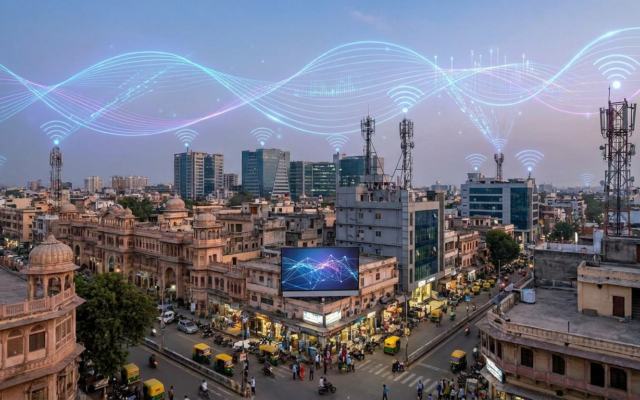
As of July 2026, India’s 5G rollout is no longer a distant promise; it’s a rapidly materializing reality weaving its way across the nation. The initial enthusiasm that greeted the first spectrum auctions in 2022 has translated into tangible network expansion, bringing faster speeds and new possibilities to millions. While the journey is far from over, the progress made in the last few years is substantial, reshaping how we connect, work, and play. You’re likely experiencing these changes already, perhaps noticing smoother video calls or quicker downloads, even if you haven’t explicitly sought out a 5G connection.
Telecom operators, led by the giants Reliance Jio, Bharti Airtel, and Vodafone Idea, have been instrumental in this expansion. They’ve been diligently deploying infrastructure, from dense urban cores to increasingly remote rural areas. This isn’t just about upgrading cell towers; it involves a complex ecosystem of fiber optic backhaul, advanced antennas, and sophisticated network management. We’ve seen significant investments poured into this technological leap, driven by the ambition to bridge the digital divide and unlock India’s full digital potential. The government’s proactive stance, with policies supporting spectrum availability and infrastructure development, has also been a crucial catalyst.
The initial focus was, understandably, on major metropolitan areas like Delhi, Mumbai, Bengaluru, and Chennai. These hubs have seen the most comprehensive 5G coverage, offering speeds that can rival wired broadband connections. However, the narrative is quickly shifting beyond these metropolises. Operators are now aggressively targeting Tier-2 and Tier-3 cities, understanding that true national impact requires reaching beyond the usual suspects. This expansion is not just about providing faster internet; it’s about creating a foundation for future innovation across various sectors.
The user experience has been a key indicator of success. Early adopters have reported dramatic improvements in latency and bandwidth. This translates to near-instantaneous downloads, seamless high-definition streaming, and the potential for immersive experiences like augmented reality (AR) and virtual reality (VR) to become mainstream. For businesses, this means more reliable connectivity for remote operations, enhanced data analytics, and the ability to deploy new IoT (Internet of Things) solutions with greater efficiency. We are witnessing the dawn of an era where the digital and physical worlds are more intertwined than ever before.
The Unfolding Network: Coverage Beyond the Metros
The story of India’s 5G rollout in mid-2026 is one of relentless expansion, moving far beyond the initial glittering promise of metropolitan coverage. While the major cities like Delhi, Mumbai, and Bengaluru continue to see deepening 5G penetration, the real narrative is the steady march into Tier-2 and Tier-3 cities, and even into select rural districts. This is a crucial phase, ensuring that the benefits of this advanced technology are not confined to a select few but are accessible to a broader swathe of the Indian population.
Operators are employing a multi-pronged strategy to achieve this expansive coverage. This includes the deployment of non-standalone (NSA) 5G networks, which leverage existing 4G infrastructure, providing a quicker path to market. Simultaneously, the groundwork for standalone (SA) 5G, which offers superior performance and enables advanced features like network slicing, is also being laid. You might not always see the difference in your daily usage immediately, but this foundational work is critical for future innovations.
Consider cities like Lucknow, Jaipur, Pune, and Hyderabad. These urban centers are now boasting significant 5G footprints, with speeds that are transforming digital experiences for their residents. For students in these cities, online learning platforms are becoming more interactive and responsive. Small businesses are finding new avenues for digital transformation, from e-commerce to cloud-based services. The ripple effect of enhanced connectivity is palpable, fostering economic growth and improving quality of life.
The challenge, of course, remains significant. Covering the vast and diverse terrain of India, from the plains of Uttar Pradesh to the hills of Himachal Pradesh, requires immense logistical and financial effort. Tower deployment, fiber optic connectivity, and spectrum availability are ongoing considerations. However, the commitment from both the private sector and the government is unwavering. Initiatives like the BharatNet project, aimed at connecting rural areas with broadband, are increasingly being integrated with 5G deployment strategies, creating a more holistic digital ecosystem. We are witnessing a concerted effort to ensure no region is left behind in this technological revolution.
Real-World Impact: Transformative Applications Emerge
The true test of any new technology lies not just in its availability but in its tangible impact on everyday lives and industries. In mid-2026, India’s 5G network is beginning to deliver on this promise, with transformative applications starting to move from pilot projects to widespread implementation. The enhanced speed, reduced latency, and increased capacity of 5G are unlocking possibilities that were previously constrained by older network technologies. You’re likely already benefiting from some of these, even if you haven’t explicitly identified them as 5G-driven.
One of the most immediate impacts is on the entertainment and media sector. High-definition video streaming is now seamless, with buffer-free experiences even on mobile devices. Cloud gaming, once a niche offering, is becoming a mainstream activity, allowing users to play graphically intensive games without powerful local hardware. The immersive potential of AR and VR is also being explored more seriously. Imagine attending a virtual concert in real-time, feeling as if you’re actually there, or exploring historical sites through augmented reality overlays without leaving your home. This is no longer science fiction; it’s becoming an accessible reality.
Beyond entertainment, the industrial sector is poised for a significant overhaul. The Internet of Things (IoT) is a prime beneficiary. In manufacturing plants across India, from the automotive hubs in Chennai to the textile mills in Surat, 5G is enabling smart factories. Real-time monitoring of machinery, predictive maintenance, and automated quality control are becoming standard practices. This leads to increased efficiency, reduced downtime, and improved safety. We are seeing the rise of “Industry 4.0” in earnest, powered by robust 5G connectivity.
Another critical area is healthcare. Remote patient monitoring, telemedicine services, and even remote-assisted surgeries are becoming more viable. Imagine a specialist in Mumbai providing real-time guidance to a surgeon in a remote village in Chhattisgarh, thanks to the ultra-low latency of 5G. This has the potential to democratize access to quality healthcare, particularly in underserved regions. The ability to transmit large medical imaging files quickly and reliably is a game-changer for diagnostics and treatment planning. The impact is profound, touching lives in ways that were unimaginable just a few years ago.
Bridging the Digital Divide: Rural Connectivity & Inclusivity
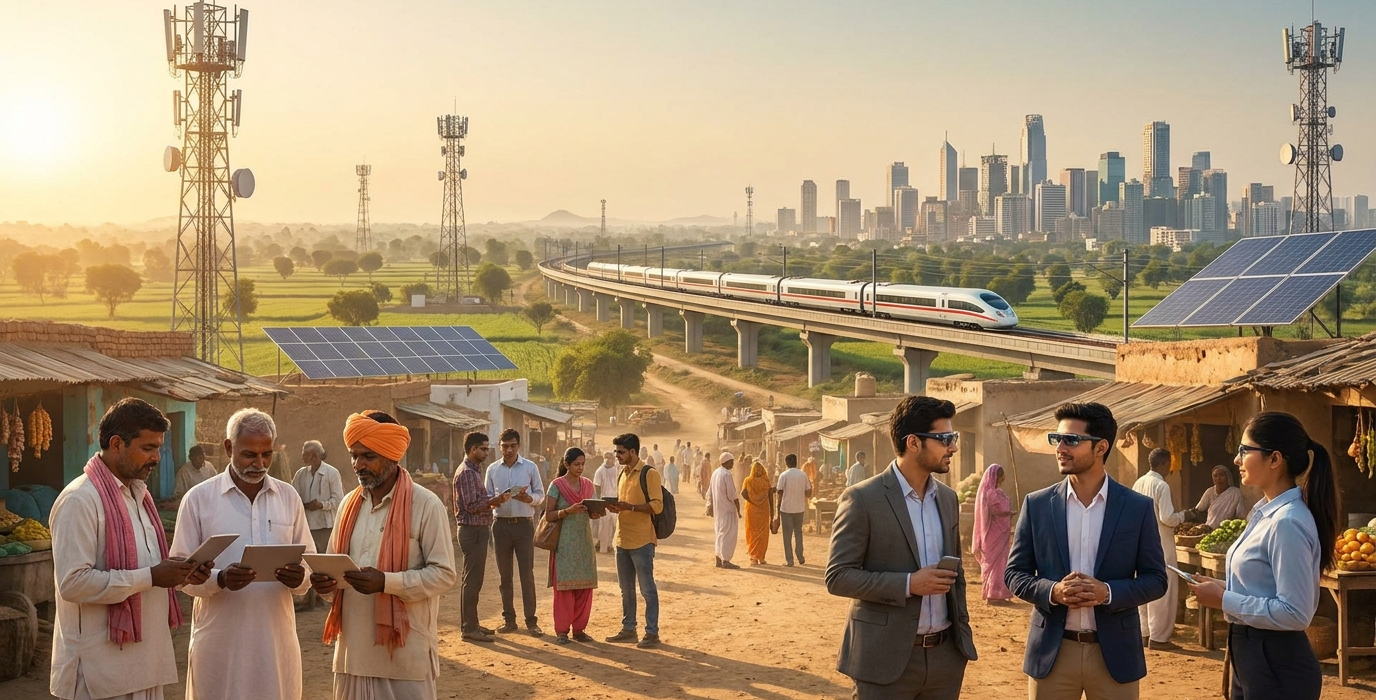
While the buzz around 5G often centers on urban innovation, a crucial aspect of its rollout in India is the concerted effort to bridge the digital divide and bring its benefits to rural and remote areas. As of July 2026, this remains a paramount objective, moving beyond mere connectivity to foster true digital inclusivity. The ambition is to ensure that no segment of society is left behind in this technological revolution. Your access to opportunities should not be determined by your postal code.
Telecom operators, often in collaboration with government initiatives, are actively deploying 5G infrastructure in areas that were previously underserved by reliable broadband. This involves innovative deployment strategies, including the use of shared infrastructure and partnerships with local communities. The focus is not just on providing basic internet access but on enabling advanced digital services that can uplift rural economies and improve the quality of life for their residents.
Consider the agricultural sector, a cornerstone of the Indian economy. With 5G, farmers can access real-time weather data, soil analysis reports, and market intelligence with unprecedented speed and accuracy. Precision agriculture, using sensors and drones for optimized irrigation and pest control, becomes more feasible, leading to increased yields and reduced waste. This technological empowerment can significantly improve the livelihoods of millions of farmers.
Furthermore, education and healthcare are set to experience a profound transformation in rural India. Online learning platforms can now offer richer, more interactive content, making education more accessible and engaging for students in villages. Telemedicine, as mentioned before, can bring specialist medical advice and remote diagnostics to remote communities, drastically reducing the need for long and often expensive travel to urban centers. The government’s continued push through programs aimed at digital literacy and affordable device access is crucial in making these 5G-enabled services truly inclusive. We are on the cusp of a new era where digital opportunities are democratized.
A surprising fact that highlights this commitment is the ongoing pilot project in the Andaman and Nicobar Islands. Here, 5G is not just about faster internet for tourism; it’s about critical infrastructure development, enabling better disaster management communication, supporting remote scientific research, and improving connectivity for local island communities. This demonstrates the diverse and essential role 5G is being designed to play across the nation, from bustling cities to its most geographically dispersed territories.
Challenges and Opportunities: Navigating the Path Ahead
Despite the impressive progress, the nationwide 5G rollout in India is not without its hurdles. As we navigate through mid-2026, understanding these challenges is as important as celebrating the achievements. These obstacles, however, also present significant opportunities for innovation, investment, and policy refinement. Your continued engagement and understanding are key to shaping this evolving landscape.
One of the primary challenges remains the sheer scale of infrastructure deployment. Covering a country as vast and diverse as India requires continuous investment in towers, fiber optics, and power. Acquiring site permits, ensuring power availability, and navigating the complex regulatory landscape can often lead to delays. The cost of deploying dense 5G networks, especially for millimeter-wave spectrum, is substantial, requiring sustained capital expenditure from telecom operators.
Spectrum availability and allocation also continue to be a dynamic area. While significant spectrum has been auctioned, ensuring adequate and contiguous spectrum for operators to deliver optimal 5G services, especially for future standalone deployments, is an ongoing process. The efficient utilization and management of this finite resource are critical for the long-term success of the network.
Furthermore, the development of a robust 5G ecosystem, encompassing devices, applications, and skilled talent, is crucial. While smartphone penetration is high, ensuring that a wide range of affordable 5G-enabled devices are available across all price segments is important for mass adoption. The creation of compelling use cases and applications that leverage the full potential of 5G, beyond faster downloads, is also a continuous effort. This requires collaboration between industry, academia, and government.
However, these challenges are fertile ground for opportunity. The demand for infrastructure deployment is creating jobs and driving economic activity in related sectors. The need for efficient spectrum management is spurring innovation in network optimization technologies. The push for a comprehensive 5G ecosystem is fostering entrepreneurship and driving research and development. India’s strong digital talent pool is well-positioned to develop the next generation of 5G applications and services. We are witnessing a cycle of challenge and innovation that is propelling the nation forward.
A particularly interesting opportunity lies in the realm of private 5G networks. While public 5G networks serve the masses, businesses are increasingly exploring dedicated private 5G networks for enhanced security, control, and performance in their specific environments, such as industrial campuses or logistics hubs. This segment is expected to grow significantly in the coming years, offering tailored solutions for enterprises. The regulatory framework for these private networks is evolving, opening up new avenues for industry-specific applications.
The Road Ahead: Future Trends and Projections for 2027 and Beyond
As we look beyond mid-2026, the trajectory of India’s 5G journey points towards continued expansion, deeper integration, and the emergence of more sophisticated applications. The foundations laid in the initial phases are now set to bear richer fruit, transforming more aspects of our lives and the economy. Your perspective on what’s next is valuable as we chart this evolving digital frontier.
The continued rollout will focus on achieving true nationwide coverage, with operators aggressively pushing into the remaining Tier-3 cities and rural areas. The emphasis will shift from mere availability to quality of service and user experience. We can expect network enhancements, including the wider deployment of standalone 5G, which will unlock advanced capabilities like network slicing, enabling customized network experiences for different applications and industries. This will be critical for mission-critical services.
The development of the 5G ecosystem will accelerate. The availability of more affordable 5G-enabled devices across all price points will drive mass adoption. We will see a surge in innovative applications across sectors like healthcare, education, agriculture, and smart cities. The potential for technologies like autonomous vehicles, advanced robotics, and widespread IoT deployment hinges on the robustness of our 5G infrastructure.
A significant trend to watch will be the increasing convergence of 5G with other emerging technologies. The synergy between 5G, Artificial Intelligence (AI), and the Metaverse will create unprecedented opportunities for immersive experiences, intelligent automation, and new forms of digital interaction. Imagine AI-powered virtual assistants seamlessly integrated into AR environments, guiding you through complex tasks in real-time.
Furthermore, the government’s role will remain pivotal. Continued policy support, spectrum management, and initiatives aimed at digital literacy and infrastructure development will be crucial. The focus on creating a secure and resilient digital infrastructure will also be paramount, especially in light of increasing cybersecurity threats. We must ensure that our digital advancements are built on a foundation of trust and security.
A surprising projection for the near future is the potential impact of 5G on India’s space technology sector. With improved connectivity and data transfer capabilities, there’s a growing interest in leveraging 5G for satellite communication, ground station operations, and data processing from earth observation satellites. This could significantly boost India’s capabilities in space exploration and research, demonstrating the far-reaching implications of this technology. The ambition is not just to connect people but to propel national capabilities across diverse scientific and technological domains. The coming years promise a dynamic and transformative period for India’s digital landscape.