Key Takeaways
- Explore Karnataka’s lesser-known natural wonders and historical sites for a truly unique 2026 travel experience.
- Discover serene beaches, ancient forts, and vibrant local cultures far from the usual tourist trails.
- Get practical tips on how to reach these destinations and the best times to visit for optimal enjoyment.
- Learn about sustainable tourism practices to ensure these beautiful places remain pristine for future generations.
Unveiling Karnataka’s Secret Shores and Emerald Valleys
This year, as we navigate 2026, the allure of Karnataka extends far beyond its well-trodden paths. We’re talking about places where the air hums with a different kind of energy, where nature’s canvas is painted with hues rarely seen in crowded tourist spots. Forget the usual Bengaluru bustle or the Hampi queues; we’re diving deep into the heart of Karnataka to uncover destinations that promise tranquility, adventure, and a genuine connection with the land.
Imagine waking up to the sound of waves on a secluded beach in Udupi, far from the bustling shores of Goa. Picture yourself trekking through mist-laden hills in the Western Ghats, a region brimming with biodiversity that often gets overshadowed by its more famous neighbours. Karnataka holds these treasures, waiting to be explored by those willing to venture a little further. This guide is your invitation to rewrite your travel narrative for 2026, focusing on experiences that are as enriching as they are unforgettable.
The Enchanting Coastline: Beyond Gokarna’s Gaze
While Gokarna draws crowds for its spiritual sites and laid-back vibe, Karnataka’s coastline offers so many more secluded stretches of sand and sea. Consider the district of Dakshina Kannada, specifically the beaches near Mangaluru. Places like Someshwara Beach, with its rocky outcrops and the ancient Someshwara Temple overlooking the Arabian Sea, offer a potent blend of natural beauty and local folklore. The sunsets here are legendary, painting the sky in fiery oranges and soft purples, often with only a handful of local fishermen for company.
Further north, but still north of the typical Gokarna circuit, lies Murudeshwar. While its colossal Shiva statue is a draw, the beaches surrounding it, like Murudeshwar Beach itself or the quieter Aligudde Beach, provide serene spots for relaxation. You can hire a local boat to explore nearby islands or simply enjoy the taste of freshly caught seafood at unassuming beachside shacks. A surprising fact: the coastline here is dotted with ancient lighthouses, some still operational, offering panoramic views of the sea and the coastline – a relic of maritime history often overlooked.
If you truly seek solitude, venture towards the southern end of Udupi district. Mattu Beach, known for its unique local coconut variety, the Mattu Gulla, is a tranquil escape. The sand is soft, the waters are clear, and the pace of life is blissfully slow. This is where you can truly disconnect and recharge, surrounded by the gentle rhythm of the waves and the rustling of palm trees. The local culture here is deeply intertwined with the sea, offering a glimpse into a way of life that has remained largely unchanged for centuries.
Whispers of the Western Ghats: Untamed Biodiversity and Ancient Trails
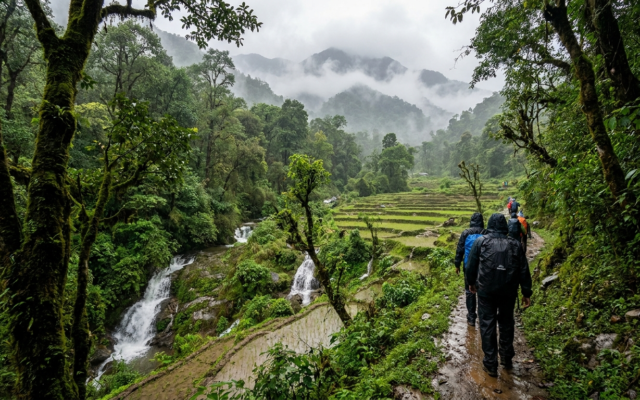
The Western Ghats, a UNESCO World Heritage Site, are a treasure trove of biodiversity. While Coorg and Chikmagalur are popular, consider exploring the lesser-known regions of Uttara Kannada or the Shimoga district for a more immersive experience in 2026. The forests here are ancient, teeming with unique flora and fauna. Places like the Mookambika Wildlife Sanctuary, nestled near Kollur, offer opportunities for birdwatching and trekking through dense foliage, far from the maddening crowds.
Trek to the Kodachadri peak within the Mookambika Sanctuary, a place believed to be the site of Adi Shankaracharya’s penance. The journey itself is an adventure, winding through shola forests and grasslands, offering breathtaking views at every turn. You might encounter Malabar squirrels, various species of endemic birds, and if you’re lucky, even a leopard or a tiger, though sightings are rare and require patience. The summit provides a panoramic vista of the Arabian Sea on one side and the rolling hills of the Western Ghats on the other.
For those seeking a more challenging trek and a glimpse into rural life, the region around Sirsi in Uttara Kannada offers opportunities. Explore villages nestled amidst spice plantations, discover hidden waterfalls like the Unchalli Falls (also known as Lushington Falls), which plunges over 116 meters. The roar of the water is immense, and the mist it generates creates a perpetual rainbow on sunny days. A surprising fact: the region is a significant producer of areca nuts and black pepper, and you can often arrange visits to local farms to learn about these cultivation practices.
Historical Echoes: Forts and Ruins Beyond the Familiar
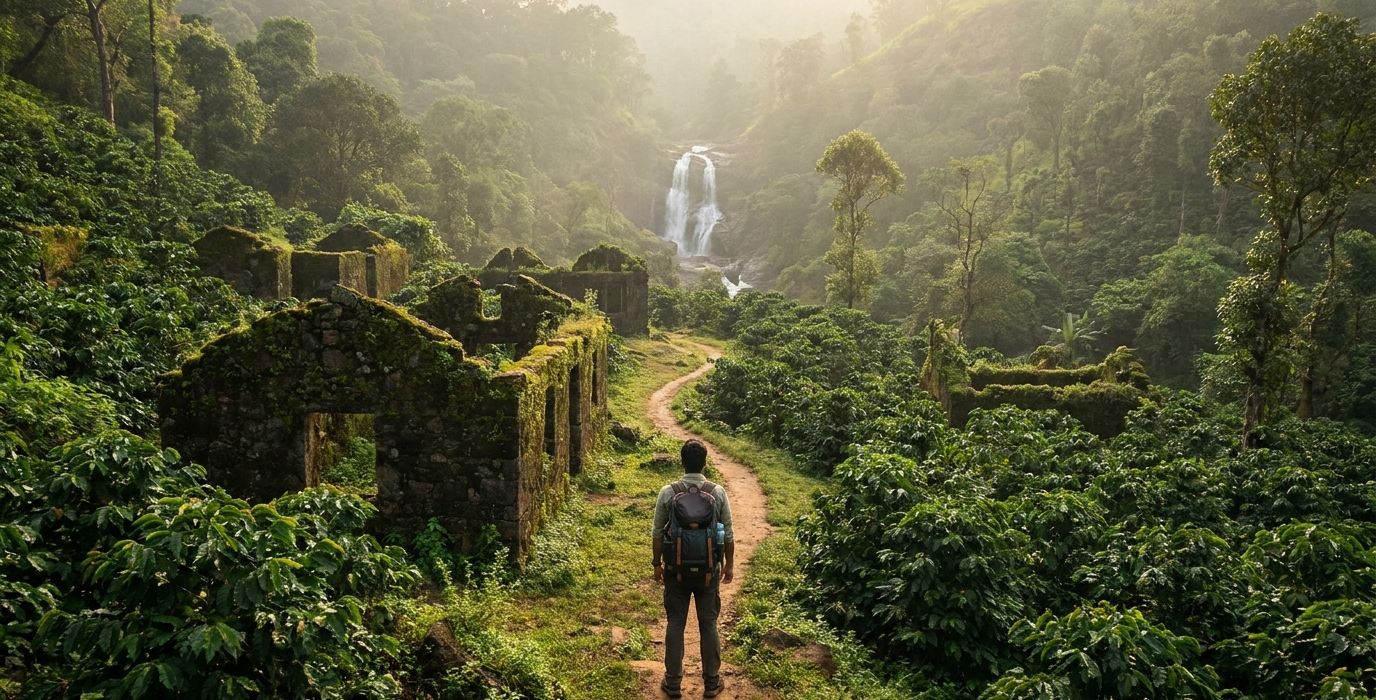
Karnataka is steeped in history, and while we all know of Vijayanagara’s grandeur, numerous other forts and ruins whisper tales of bygone eras. Venture to the northern districts to discover forts that have stood sentinel for centuries, largely untouched by mass tourism. The Kittur Rani Chennamma Fort in Belagavi district is a prime example. This fort is intrinsically linked to the legendary queen Kittur Rani Chennamma, who led the first armed resistance against the British East India Company in 1824. Walking through its ruins, you can almost feel the echoes of her bravery.
The fort complex includes the ruins of the palace, gateways, and temples, offering a tangible connection to a significant chapter of Indian history. The museum within the premises houses artifacts related to Kittur’s past, providing crucial context. It’s a place that inspires a sense of national pride and offers a deep dive into the region’s political and architectural past. The sheer resilience of the structure, having withstood centuries of change, is remarkable.
Further east, near Kalaburagi (formerly Gulbarga), lies the Kalaburagi Fort. This imposing structure, with its massive bastions and gateways, was once the seat of the Bahmani Sultanate. Its architectural style reflects a blend of Persian and Indian influences. Explore its sprawling grounds, climb its ramparts for commanding views, and imagine the bustling city it once was. A surprising fact: within the fort complex lies a unique water-harvesting system, a testament to the advanced engineering skills of its builders, designed to sustain the city during dry spells.
The Serene Lakes and Rivers: Waterways of Tranquility
Beyond the powerful waterfalls and the vast coastline, Karnataka is also home to serene lakes and rivers that offer a different kind of natural beauty. While the backwaters of Kerala are famous, Karnataka’s own aquatic landscapes are equally captivating, often with far fewer visitors. Consider the lakes around Mysuru, like Karanji Lake or Kukkarahalli Lake, which are not just scenic but also vital urban ecosystems. These are perfect for a peaceful morning stroll or an evening boat ride, surrounded by lush greenery and a symphony of bird calls.
Karanji Lake, managed by the Mysore Zoo Authority, is a beautiful boating spot with a butterfly park and an aviary. It offers a refreshing break from the city’s historical monuments. Kukkarahalli Lake, on the other hand, is a haven for walkers and nature enthusiasts, with a paved path encircling the water body. The reflections of the trees and the sky on the calm surface of the lake create a picturesque scene, ideal for photography and quiet contemplation. You can often spot diverse bird species here, including migratory birds during the right season.
For a more offbeat experience, head towards the Shimoga district and explore the Bhadra River. The Bhadra Wildlife Sanctuary, though primarily known for its wildlife, also offers opportunities for river-based activities like coracle rides. These traditional round boats provide a unique and intimate way to experience the riverbanks, spotting aquatic life and enjoying the tranquility of the water. The gentle flow of the river, framed by dense forest, is a sight to behold. It’s a stark contrast to the dramatic waterfalls and offers a different perspective on Karnataka’s diverse natural beauty.
Cultural Immersion: Villages and Folk Traditions
To truly understand Karnataka in 2026, you must look beyond the cities and popular attractions and delve into its vibrant village life and rich folk traditions. The state is a tapestry of diverse cultures, each with its unique art forms, music, and customs. Exploring these rural pockets offers a genuine connection with the people and their way of life. Consider visiting villages in the North Karnataka region, known for their distinctive folk music and dance forms like Yakshagana (though more prevalent on the coast, its influence is felt inland) and Dollu Kunitha.
Places like the villages around Belagavi or Dharwad often host local festivals and art gatherings. You might stumble upon a spontaneous performance of folk music or witness traditional craftspeople at work. Engaging with these communities, perhaps by staying in a homestay, allows for authentic cultural exchange. You can learn about their agricultural practices, taste local cuisine prepared with age-old recipes, and understand their worldview. The warmth and hospitality of the people in these villages are often the most memorable aspect of any trip.
A surprising fact is that Karnataka is home to the unique Lambani embroidery, a vibrant and intricate art form practiced by the nomadic Lambani community. You can find villages where these artisans create stunning textiles adorned with mirror work, colourful threads, and geometric patterns. Supporting these local artisans by purchasing their crafts directly not only provides them with economic empowerment but also allows you to take home a piece of authentic Karnataka culture. These experiences offer a depth and richness that mass tourism can rarely replicate, making your 2026 travels truly meaningful.
Sustainable Travel: Preserving Karnataka’s Pristine Beauty
As we explore these hidden gems in 2026, it’s crucial to tread lightly and embrace sustainable tourism practices. These offbeat destinations often have fragile ecosystems and communities that rely on their natural resources. Our visits should aim to benefit, not burden, these places. This means making conscious choices, from choosing eco-friendly accommodations to minimizing our environmental footprint.
When you visit national parks or wildlife sanctuaries, always stick to designated trails and never feed the animals. Respect local customs and traditions, especially when interacting with village communities. Dress modestly when visiting religious sites and always ask for permission before taking photographs of people. Supporting local businesses, whether it’s eating at small, family-run eateries or buying handicrafts directly from artisans, ensures that your tourism money directly benefits the local economy.
Consider opting for homestays or community-run lodges instead of large resorts. These accommodations often have a lower environmental impact and offer a more authentic experience. Educate yourself about the local environment and culture before you visit. By being mindful travellers, we can help preserve the pristine beauty and cultural integrity of Karnataka’s hidden gems for generations to come. Remember, responsible tourism isn’t just a buzzword; it’s a commitment to ensuring that these beautiful places remain vibrant and unspoiled.
“The real treasures of Karnataka are not always found on the well-worn maps; they lie in the quiet corners, waiting for the curious explorer to uncover their stories and embrace their untouched beauty.”
Frequently Asked Questions
What is the best time to visit Karnataka’s less-explored regions?
The best time to visit most of Karnataka’s offbeat destinations is during the post-monsoon months, from September to February. This period offers pleasant weather, lush greenery after the rains, and is ideal for trekking and exploring coastal areas. Summers (March to May) can be hot, and while the monsoon (June to August) brings dramatic landscapes, it can also make travel difficult in certain hilly or coastal regions.
Are these destinations accessible by public transport?
While major cities and towns have excellent connectivity, reaching some of the more remote villages and natural sites might require a combination of public transport and local taxis or auto-rickshaws. Consider hiring a car with a driver for flexibility, especially if you plan to cover multiple offbeat locations in a single trip. Some places might require a short trek or a boat ride to access fully.
What kind of accommodation is available in these hidden gems?
Accommodation options in these lesser-known areas often include homestays, guesthouses, and basic lodges. Eco-resorts and community-run accommodations are also becoming more popular, offering a more sustainable and authentic experience. It’s advisable to book in advance, especially during peak tourist seasons, as availability can be limited in remote locations.
Are there any specific cultural etiquettes I should be aware of?
When visiting villages and interacting with local communities, it’s important to dress modestly, especially when entering temples or homes. Always ask for permission before taking photographs of people. Be respectful of local customs and traditions, and try to learn a few basic phrases in Kannada if possible. Showing genuine interest and respect goes a long way in fostering positive interactions.
How can I contribute to sustainable tourism in Karnataka?
To contribute to sustainable tourism, focus on minimizing waste by carrying reusable water bottles and avoiding single-use plastics. Support local economies by purchasing local handicrafts and dining at local eateries. Choose eco-friendly accommodations and respect the natural environment by sticking to trails and not disturbing wildlife. Being a responsible and mindful traveller is key.