Key Takeaways
- Goa’s digital nomad scene is maturing, offering more than just beaches, with co-working spaces and niche communities emerging.
- Visa regulations for remote workers remain a key factor, with India’s current policies favouring short stays and tourism visas for nomads.
- The cost of living in Goa for a digital nomad in 2026 is estimated between ₹40,000 to ₹70,000 per month, depending on lifestyle and location.
- Connectivity, infrastructure development, and the search for authentic experiences are shaping where and how nomads choose to stay.
Goa: Beyond the Beach Bars and into the Co-Working Hubs
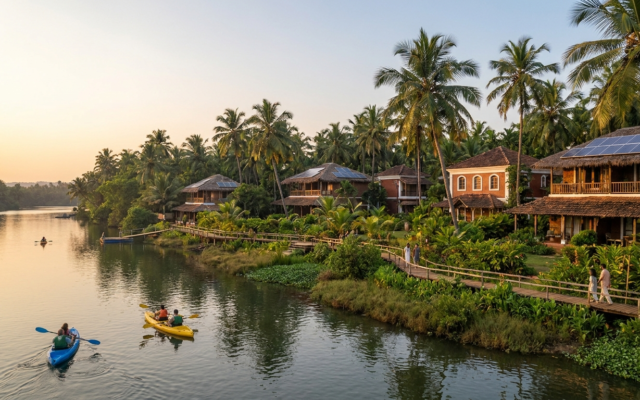
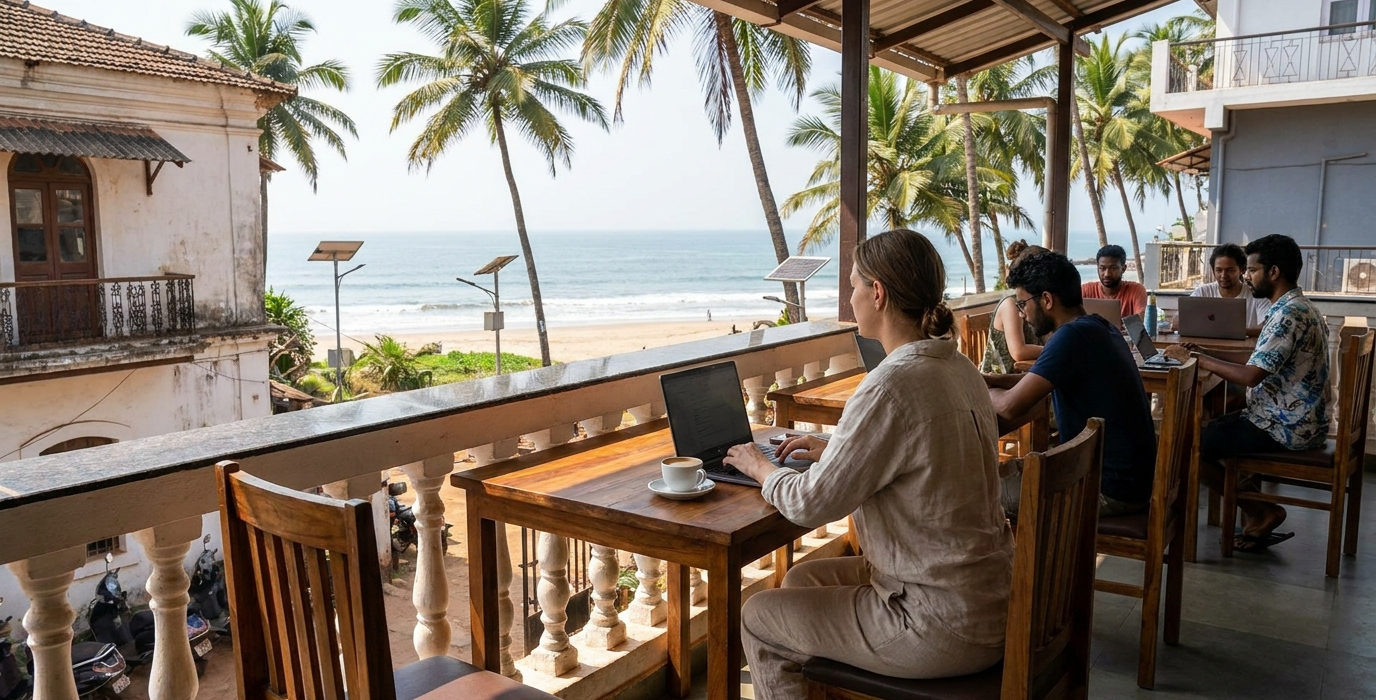
Goa, once synonymous with backpackers and trance parties, is rapidly transforming into a sophisticated hub for digital nomads in 2026. The idyllic coastline and laid-back vibe continue to attract remote workers, but the landscape is far more nuanced now. You’ll find a growing number of dedicated co-working spaces, from the bustling energy of Panjim’s innovation hubs to the serene retreats in South Goa’s quieter hamlets. These spaces are fostering genuine professional networks, moving beyond the superficial social scene of yesteryear. We’re seeing a distinct shift towards professionals seeking productivity and community, not just cheap beer and sunsets.
The evolution is palpable. It’s no longer just about finding a decent Wi-Fi signal at a beach shack. Instead, nomads are looking for reliable internet, comfortable workspaces, and opportunities to connect with like-minded individuals. This has led to the proliferation of boutique accommodations that cater specifically to remote workers, offering amenities like dedicated desks and faster internet speeds. Even established businesses are adapting, with cafes offering extended Wi-Fi hours and special rates for remote workers. The infrastructure is catching up, albeit unevenly, with certain areas boasting superior connectivity than others.
A surprising fact often overlooked is Goa’s burgeoning ecosystem of local startups and freelancers. This creates a dynamic environment where international nomads can collaborate and learn. You might find yourself brainstorming a new app with a local tech whiz in a shared workspace in Porvorim, or attending a workshop on sustainable tourism organised by a local entrepreneur in Mandrem. This cross-pollination of ideas is a significant draw, offering more than just a change of scenery. It’s about immersion and active participation in a developing professional community. We are witnessing the birth of an integrated, rather than isolated, remote work culture.
Navigating India’s Visa Landscape for the Modern Nomad
For the digital nomad contemplating a prolonged stay in India, particularly in a sought-after destination like Goa, understanding visa regulations is paramount. As of August 2026, India does not have a dedicated “digital nomad visa.” This means most remote workers are currently operating under tourist visas, which typically permit stays of 90 days, often extendable. While this has been the de facto norm for many, it presents a grey area for those planning extended workcations. Authorities are becoming more aware of the increasing number of remote workers, and adherence to the spirit of visa regulations is increasingly important.
The current tourist visa framework is designed for leisure and short visits, not for establishing a temporary remote office. This can create anxieties for nomads who are aware of the potential implications of overstaying or engaging in activities not strictly permitted under their visa category. While enforcement can vary, it’s wise to remain informed about the latest guidelines and to plan your stays accordingly. Many nomads opt for a “visa run” strategy, exiting India for a short period to re-enter on a new tourist visa, though this is not a sustainable or officially sanctioned long-term solution.
Looking ahead, there’s significant anticipation within the nomad community about potential policy changes. Countries worldwide are introducing specific digital nomad visas to attract talent and revenue. While India hasn’t officially announced such a scheme yet, discussions and pilot programs in other sectors suggest a growing openness to modern work arrangements. Keeping an eye on announcements from the Ministry of Home Affairs and the Ministry of External Affairs will be crucial for anyone planning a longer remote work stint. For now, meticulous planning and understanding the current limitations are your best allies.
The All-Important Connectivity: Wi-Fi and Beyond
In the age of remote work, reliable internet is not a luxury; it’s a fundamental necessity. Goa, while largely developed, presents a mixed bag when it comes to digital infrastructure. The main towns and popular nomad hubs like Anjuna, Vagator, and parts of North Goa generally offer decent broadband speeds and mobile network coverage. However, venture into some of the more secluded beaches or villages in South Goa, and you might find your connection becoming a source of frustration rather than productivity. It’s crucial for nomads to research specific locations thoroughly before committing to accommodation.
Many co-working spaces in Goa have invested heavily in robust internet infrastructure, making them prime spots for those who need guaranteed connectivity. These often offer tiered pricing based on speed and dedicated lines. Beyond these professional hubs, cafes and guesthouses vary wildly in their Wi-Fi reliability. It’s always a good idea to ask for a speed test before booking or settling in. Carrying a portable Wi-Fi hotspot or a reliable local SIM card with a substantial data plan is a smart backup strategy. We’ve heard tales of crucial video calls dropping just as a deal was about to be sealed, all due to a fickle Wi-Fi signal.
A surprising aspect of connectivity in Goa is the increasing prevalence of fibre optic networks being laid in more developed areas. This is a significant upgrade from the older copper lines and is gradually improving speeds and stability. However, the expansion is not uniform, and ongoing construction can sometimes disrupt services. For those who rely on stable internet for critical work, exploring accommodations or co-working spaces in well-established areas like Porvorim, Candolim, or parts of Panjim might be a safer bet. We recommend checking local reviews and even asking existing residents or co-working space managers about recent connectivity experiences.
Cost of Living: Budgeting for Your Goa Nomad Life in 2026
Estimating the cost of living for a digital nomad in Goa in 2026 requires a nuanced approach, as it heavily depends on your lifestyle, chosen location, and spending habits. Generally, Goa remains one of India’s more affordable destinations, especially when compared to major metropolitan cities like Mumbai or Delhi. However, the influx of remote workers and the increasing popularity of certain areas have led to a rise in prices, particularly for accommodation and in popular tourist spots. We estimate a comfortable monthly budget for a solo digital nomad in Goa to range between ₹40,000 and ₹70,000.
This budget breakdown typically includes accommodation, food, local transportation, co-working space fees (if applicable), and miscellaneous expenses. For accommodation, you can find budget-friendly rooms in guesthouses or shared apartments starting from ₹10,000-₹15,000 per month in less touristy areas. Nicer apartments or rooms closer to popular beaches or with better amenities might cost ₹20,000-₹35,000. Food expenses can be kept low by eating at local eateries (dhabas and tiffins), costing around ₹8,000-₹12,000 per month. Dining at mid-range restaurants will increase this significantly.
Co-working spaces typically charge between ₹5,000 to ₹15,000 per month for a dedicated desk or hot-desking options, depending on the facility and location. Local transport using scooters, which can be rented for ₹3,000-₹5,000 per month, is a popular and cost-effective way to get around. A surprising cost factor that many overlook is the price of imported goods or specific international food items, which can be considerably higher. Planning your meals and understanding the local market prices will help you stay within your budget. For those looking to save, staying slightly away from the main tourist drags and embracing local cuisine can make a substantial difference.
Beyond the Tourist Trail: Finding Your Tribe in Goa
The digital nomad experience in Goa in 2026 is increasingly about finding your niche community. While the allure of vibrant nightlife still exists, many nomads are actively seeking out groups that align with their professional interests, hobbies, or wellness goals. This has led to the formation of diverse communities, from yoga and meditation retreats attracting wellness-focused nomads to tech meetups and creative workshops fostering entrepreneurial connections. Don’t be afraid to explore beyond the usual tourist hotspots to find these burgeoning groups.
Many co-working spaces act as natural hubs for these communities, often organising their own events, workshops, and social gatherings. Look out for community boards, online forums specific to Goa, and local event listings. You might find a regular book club meeting in Arambol, a coding meetup in Panjim, or a hiking group exploring the Western Ghats near Palolem. The key is to be proactive and engage with the local scene. Many long-term residents and local businesses are also incredibly welcoming and can point you towards less visible, but equally rewarding, community activities.
A truly surprising aspect of Goa’s nomad community is the rise of “slow nomad” movements. These groups intentionally seek longer stays in specific villages, aiming for deeper immersion and integration with local life. They often focus on sustainable living, permaculture, or contributing to local initiatives. This contrasts with the more transient, hop-from-place-to-place nomad. Finding these communities often involves looking for smaller, more intimate gatherings and engaging in local cultural events. It’s about building connections that go beyond a shared Wi-Fi password.
The Future of Remote Work Tourism in Goa: Trends to Watch
As we look at Goa’s trajectory in 2026 and beyond, several key trends are shaping the future of remote work tourism. The most significant is the ongoing demand for better infrastructure and reliable digital connectivity. As more companies embrace remote work permanently, the expectation for a seamless working environment will only increase. This will likely spur further investment in fibre optics and mobile networks, particularly in areas that have previously lagged. We also anticipate a greater demand for sustainable and eco-friendly living options.
Another emerging trend is the professionalisation of the nomad experience. This means more curated co-living spaces, dedicated business services, and a greater emphasis on networking and skill-sharing opportunities. Expect to see more partnerships between co-working spaces, local businesses, and training providers. The days of simply finding a cheap room and a laptop are giving way to a more structured and value-driven approach for many remote professionals. This is a positive development, as it integrates nomads more deeply into the local economy and professional landscape.
Finally, the evolving visa landscape will undoubtedly play a crucial role. While India currently lacks a specific digital nomad visa, international pressure and the economic benefits of attracting this demographic might lead to policy shifts. We could see pilot programs or more streamlined processes for long-term remote workers. The success of Goa as a premier digital nomad destination will depend on its ability to adapt to these global trends, balancing its unique charm with the evolving needs of the modern remote workforce. The competition for talent is global, and Goa needs to stay ahead of the curve.
“Goa is no longer just a destination for a working holiday; it’s becoming a legitimate base for building careers and businesses remotely, fostered by a growing ecosystem of connectivity and community.”
Frequently Asked Questions
What is the best time of year for digital nomads to visit Goa?
The peak tourist season in Goa runs from November to February, offering pleasant weather and a vibrant atmosphere. However, for digital nomads seeking fewer crowds and potentially lower prices, the shoulder seasons – September to October and March to April – can be ideal. We’d advise avoiding the monsoon months (June to August) if reliable internet and outdoor activities are high on your priority list.
Are there dedicated digital nomad visas for India in 2026?
As of August 2026, India does not have a specific digital nomad visa. Most remote workers currently utilize tourist visas, which typically allow for a 90-day stay. It is crucial to stay updated on any policy changes from the Indian government regarding remote work visas.
What are the typical monthly expenses for a digital nomad in Goa?
A comfortable monthly budget for a solo digital nomad in Goa typically ranges from ₹40,000 to ₹70,000. This includes accommodation, food, local transport, and potential co-working space fees. Expenses can vary significantly based on lifestyle and the specific areas chosen within Goa.
How reliable is the internet connectivity in Goa for remote work?
Internet connectivity in Goa is improving but remains variable. Popular areas like Panjim, Anjuna, and Vagator generally have good broadband and mobile network coverage. However, more remote locations can have less reliable connections. Co-working spaces often offer the most dependable internet solutions.