Key Takeaways
- India’s EV market is poised for significant growth in 2026, driven by government incentives and increasing consumer adoption, particularly in two-wheeler and three-wheeler segments.
- The charging infrastructure is rapidly expanding, with a focus on fast-charging solutions and battery swapping technologies to alleviate range anxiety.
- Key players are innovating in battery technology, aiming for lower costs and longer lifespans to make EVs more accessible and practical.
- Policy support, including FAME III and PLI schemes, continues to be a crucial catalyst, encouraging domestic manufacturing and R&D.
- While challenges like upfront cost and grid capacity remain, the trajectory for electric mobility in India is undeniably upward.
The Electric Surge: India’s EV Landscape in 2026
The hum of electric vehicles is no longer a distant whisper; it’s a growing chorus across India in 2026. As we navigate this pivotal year, the electric mobility landscape is transforming at an unprecedented pace. Government policies, technological advancements, and a burgeoning consumer appetite are converging to propel India towards a cleaner, greener transportation future.
For years, the dream of electric mobility in India felt like a distant aspiration, hampered by high costs and limited infrastructure. However, the past few years have witnessed a dramatic shift. The adoption of electric two-wheelers and three-wheelers has already reached critical mass, with many urban centres seeing them as the norm rather than the exception. Now, the momentum is clearly extending to the passenger car segment, signaling a significant evolution in how Indians commute and travel.
This surge is not merely about environmental consciousness, though that plays a vital role. It’s also about economics, national security (reducing oil import dependence), and the embrace of cutting-edge technology. We are at a fascinating juncture where innovation is meeting necessity, creating a dynamic market ripe with opportunity for consumers and industry alike. Let’s delve into the forces shaping this electrifying future.
Charging Ahead: The Infrastructure Revolution
Perhaps the most significant hurdle for widespread EV adoption has always been charging infrastructure. The fear of being stranded with a depleted battery – the dreaded “range anxiety” – has been a major deterrent. However, in 2026, we are witnessing a robust and multifaceted response to this challenge across India, from bustling metros like Delhi and Mumbai to tier-2 cities such as Pune and Bengaluru.
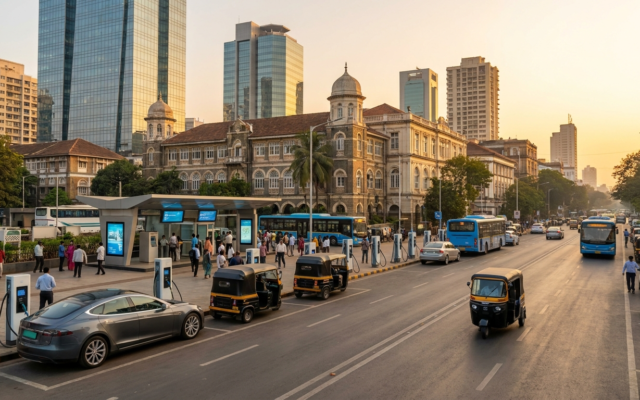
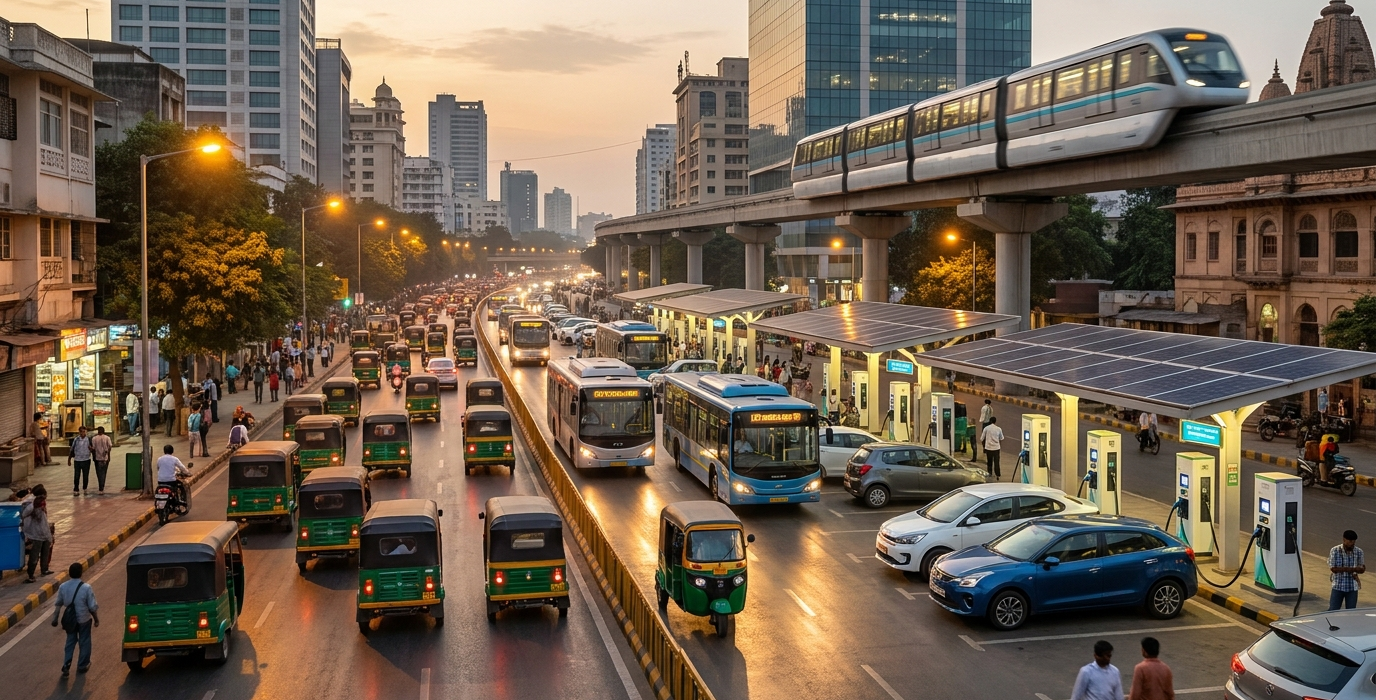
The government’s push through schemes like the Faster Adoption and Manufacturing of Electric Vehicles (FAME) program, now in its third iteration (FAME III), has been instrumental. This has spurred the installation of thousands of new charging stations, including both AC slow chargers and DC fast chargers. You’ll find these increasingly integrated into public spaces, residential complexes, and commercial hubs. Major oil marketing companies, like Indian Oil and Bharat Petroleum, are actively setting up charging points at their fuel stations, seamlessly blending traditional and new energy ecosystems.
Beyond fixed charging, battery swapping technology is gaining significant traction, especially for the two-wheeler and three-wheeler segments. Companies like Sun Mobility and Bounce are establishing extensive networks of swap stations, allowing riders to exchange a depleted battery for a fully charged one in mere minutes. This offers a convenience factor that rivals refuelling a petrol vehicle and is a game-changer for commercial fleets and daily commuters. The integration of smart grid technologies is also beginning to address the challenge of grid stability, ensuring that the increased demand from EV charging can be met efficiently and sustainably.
Battery Breakthroughs: Powering the Future Affordably
The heart of any electric vehicle is its battery, and advancements in this area are critical to making EVs more accessible and practical for the Indian consumer. In 2026, we are seeing a concerted effort to drive down battery costs while simultaneously improving their performance and lifespan. This is a complex, multi-pronged approach involving both international collaboration and indigenous innovation.
Lithium-ion batteries remain the dominant technology, but researchers and manufacturers are exploring new chemistries and designs. Solid-state batteries, promising higher energy density, faster charging, and improved safety, are moving from the lab towards limited commercialisation. While still expensive, their potential to revolutionise EV range and charging times is immense. Simultaneously, efforts are underway to make existing lithium-ion batteries more cost-effective through improved manufacturing processes and economies of scale.
A surprising fact that many may not realise is the significant push towards developing indigenous battery manufacturing capabilities in India. The Production Linked Incentive (PLI) scheme for Advanced Chemistry Cell (ACC) battery storage is actively encouraging domestic production, aiming to reduce reliance on imports and create a robust supply chain. This not only makes EVs more affordable in the long run but also fosters local employment and technological expertise. We are also seeing a growing focus on battery recycling and second-life applications, ensuring that the entire lifecycle of EV batteries is managed sustainably. This holistic approach is key to unlocking the full potential of electric mobility.
Government & Policy: The Driving Force
The Indian government’s commitment to electric mobility is unwavering, and its policy framework continues to be a powerful catalyst for growth in 2026. The vision is clear: to make India a global hub for electric vehicle manufacturing and adoption. This is being achieved through a combination of fiscal incentives, regulatory measures, and strategic investments.
The FAME III scheme, building on its predecessors, provides crucial subsidies for the purchase of EVs, particularly for two-wheelers, three-wheelers, and public transport vehicles. These subsidies directly address the higher upfront cost of EVs, making them more competitive with their internal combustion engine counterparts. Furthermore, the PLI schemes for automotive and battery manufacturing are incentivizing companies to invest heavily in local production, R&D, and job creation. This ‘Make in India’ push is not just about assembling vehicles but about developing a complete EV ecosystem within the country.
Beyond direct subsidies, state governments are also playing a crucial role with their own EV policies. Many states offer additional incentives, such as road tax exemptions, registration fee waivers, and preferential parking. The development of charging infrastructure is also a key focus, with policies aimed at encouraging private sector participation and standardising charging protocols. A less-discussed but vital aspect is the focus on electrifying public fleets – buses, taxis, and government vehicles – which not only reduces emissions in congested urban areas but also provides a stable demand base for EV manufacturers.
The Evolving Consumer: Shifting Gears
The Indian consumer is becoming increasingly aware of and receptive to electric vehicles in 2026. What was once a niche market driven by early adopters is now expanding rapidly, influenced by a confluence of factors including cost savings, environmental awareness, and the sheer availability of better products.
The most significant driver for mass adoption, particularly in the two- and three-wheeler segments, has been the total cost of ownership. While the initial purchase price might still be higher for some EVs, the significantly lower running costs – owing to cheaper electricity compared to petrol, and reduced maintenance – make them a compelling economic proposition over their lifespan. For small businesses and delivery services, the savings can be substantial, leading to a rapid uptake of electric three-wheelers.
Beyond economics, a growing environmental consciousness is also playing a role, especially among younger demographics and urban dwellers. The visible impact of air pollution in major Indian cities has made sustainable choices more attractive. Moreover, the improved performance, quieter operation, and advanced features of newer EV models are making them desirable alternatives. The availability of a wider range of models, from compact city cars to more robust SUVs, means consumers now have more choices that cater to their specific needs and preferences. We are also seeing the rise of innovative ownership models, such as battery-as-a-service, which further reduce the financial barrier to entry.
Challenges and the Road Ahead
Despite the impressive progress, the road to a fully electrified India in 2026 is not without its challenges. While the narrative is overwhelmingly positive, we must acknowledge the hurdles that need to be overcome to ensure sustainable and equitable growth.
One of the persistent challenges is the upfront cost of electric passenger cars. Although prices are falling, they remain significantly higher than comparable internal combustion engine vehicles, making them inaccessible for a large segment of the population. While subsidies help, they are not always sufficient. Another critical area is the capacity and reliability of the electricity grid. As EV adoption scales up, especially with fast charging, the demand on the grid will increase. Ensuring that the grid can handle this load without compromising stability or resorting to fossil fuel-based power generation is paramount. This requires significant investment in grid modernization and renewable energy sources.
Furthermore, charging infrastructure in rural and semi-urban areas still lags behind. While metros are seeing rapid expansion, ensuring access to charging points across the country is vital for pan-India adoption. The availability of skilled technicians for EV maintenance and repair also needs to be addressed through targeted training programs. Finally, battery raw material sourcing and end-of-life management are crucial long-term considerations that require robust policy and industry-led solutions.
The convergence of falling battery costs, expanding charging networks, and supportive government policies in 2026 is fundamentally reshaping India’s automotive future, making electric mobility an economic and environmental imperative, not just a choice.
Frequently Asked Questions
What is the current status of electric vehicle sales in India in 2026?
In 2026, India’s EV market is experiencing robust growth, particularly in the two-wheeler and three-wheeler segments, which dominate sales. Passenger EV sales are also steadily increasing, driven by new model launches and expanding charging infrastructure. The overall trend indicates a significant year-on-year jump in adoption.
Are electric vehicles becoming more affordable in India?
Yes, electric vehicles are becoming more affordable. Government subsidies through schemes like FAME III, along with falling battery costs and increased domestic manufacturing, are helping to reduce the upfront purchase price. The total cost of ownership, considering lower running and maintenance expenses, also makes EVs more economical over time.
What are the main challenges facing EV adoption in India in 2026?
The primary challenges include the higher upfront cost of electric cars compared to petrol vehicles, the need for more extensive and reliable charging infrastructure (especially in rural areas), ensuring grid stability to handle increased demand, and the development of a skilled workforce for EV maintenance and repair.
Which Indian cities are leading in EV adoption?
Major metropolitan areas like Delhi, Bengaluru, Mumbai, Chennai, and Pune are leading in EV adoption, owing to better infrastructure, higher consumer awareness, and more aggressive state-level EV policies. However, tier-2 and tier-3 cities are also rapidly catching up.
What is the outlook for electric commercial vehicles in India?
The outlook for electric commercial vehicles, especially three-wheelers and light commercial vehicles, is extremely positive. Lower running costs, government incentives for fleet operators, and the growing demand for last-mile delivery services are driving rapid adoption in this segment.